


French Marquetry Vitrine Cabinet
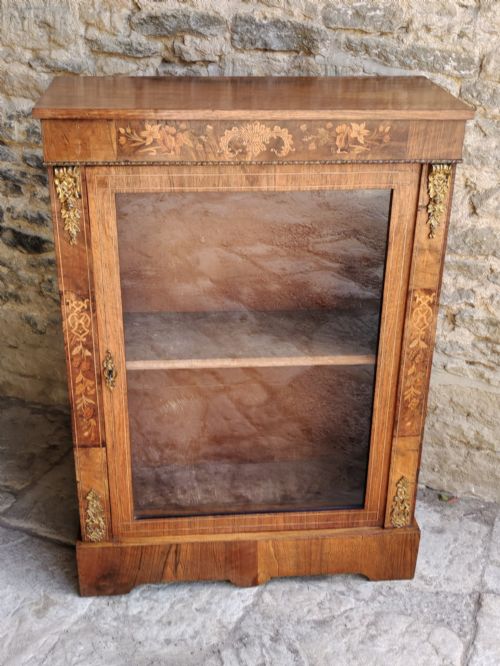
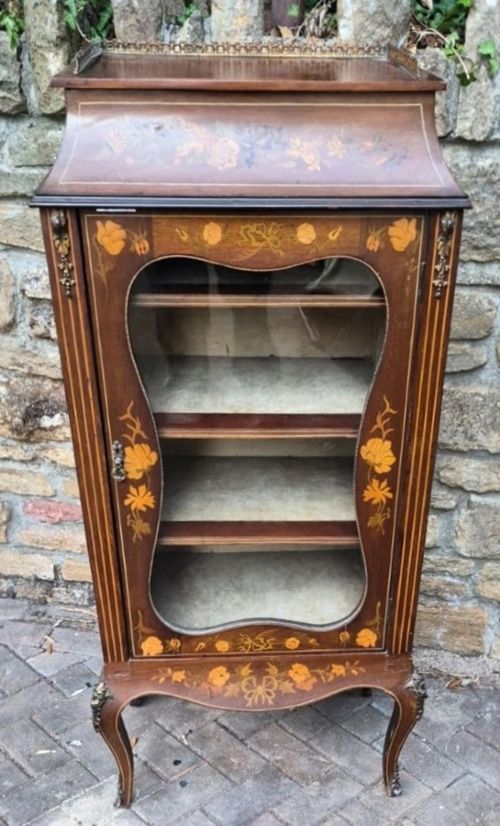
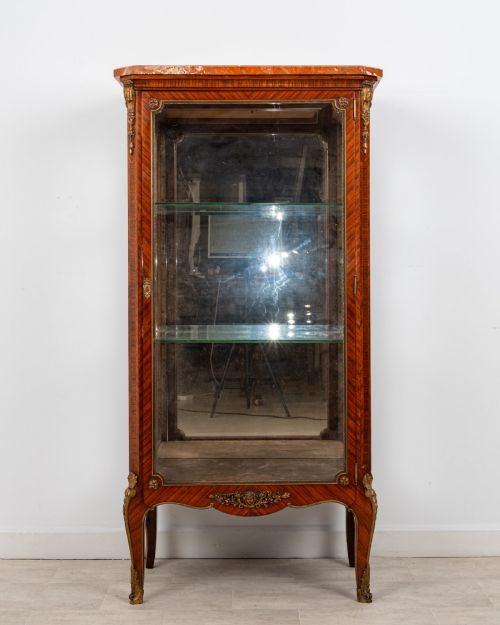
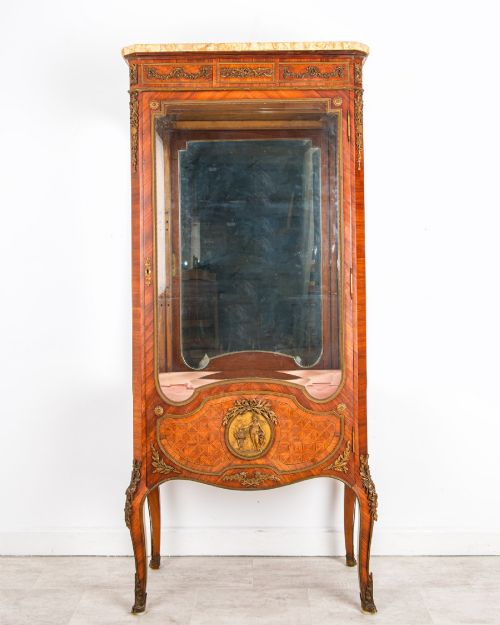
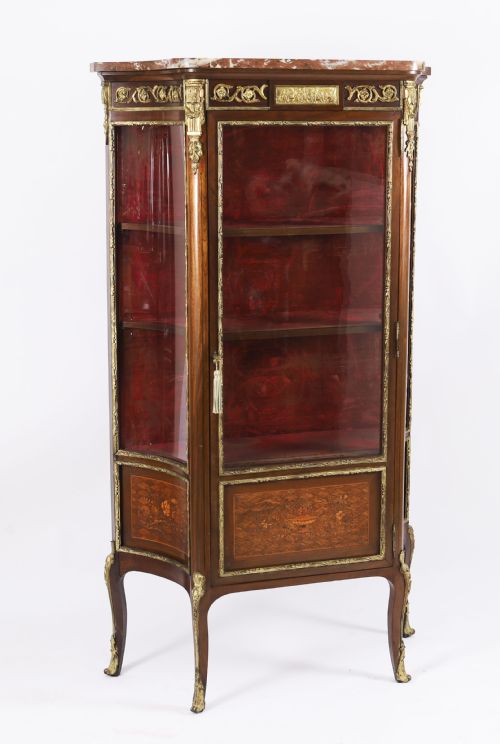
These french marquetry vitrine cabinets are glazed display furniture designed to showcase treasured possessions, combining intricate wood inlays with gilded metal mounts.
French Marquetry Vitrine Cabinet
A french marquetry vitrine cabinet serves primarily to exhibit porcelain, glassware, and small ornaments behind glass doors or panels. These pieces emerge predominantly from nineteenth-century workshops, spanning Victorian, Edwardian, and various revival aesthetics.
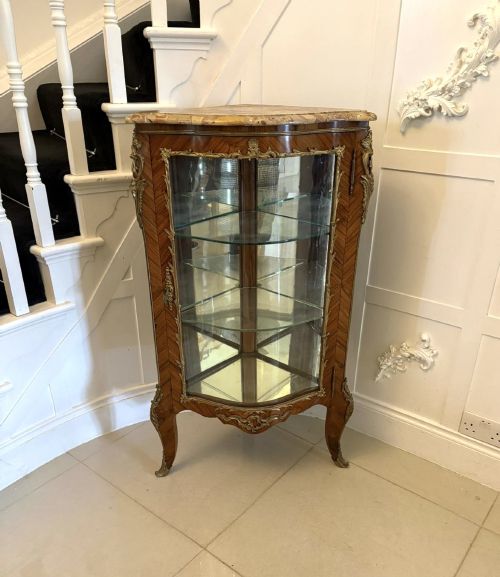
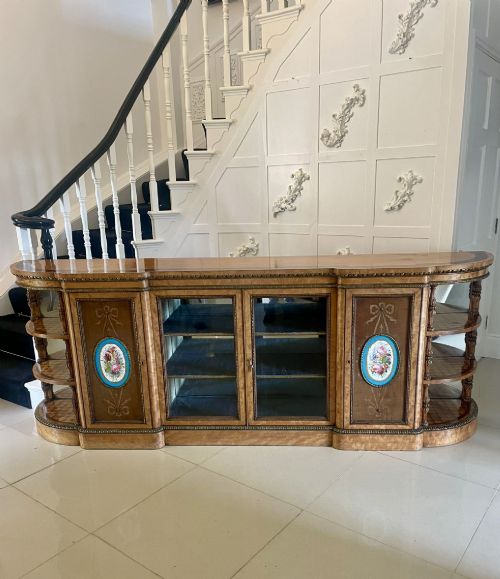
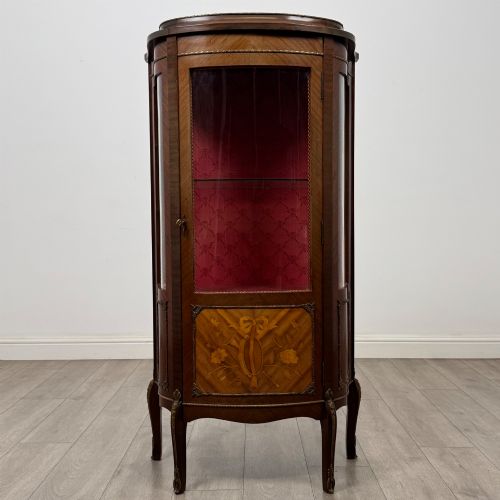
The format ranges from tall display cabinets and credenzas to corner units, pier cabinets, and low bijouterie tables. Pieces typically exhibit curvilinear serpentine fronts, bow fronts, or rectilinear architectural profiles designed for formal reception rooms.
Originating largely from French and Victorian cabinet-makers, these items rely on glazed upper sections to protect objects while offering clear sightlines from multiple angles in a room.
Judging Quality
Quality differentiates through the precision of the marquetry cutter and the crispness of the cast ormolu mounts. Finer examples display seamless timber grain matching and securely fitted bronze ornaments rather than mass-produced decorative elements.
The integrity of the structural joinery, the clarity and thickness of the original glass panels, and the weight of the underlying carcase wood distinguish standard production from exceptional cabinet-making.
Listings feature nineteenth-century and Edwardian pieces incorporating kingwood, walnut, mahogany, and rosewood alongside ormolu mounts.
François Linke·G. Durand
The French Marquetry Vitrine Cabinet Glossary
- Marquetry
- Decorative veneer patterns assembled from thin slices of wood, shell, or metal to form pictorial or geometric designs. Artisans cut these elements precisely to fit flush across cabinet doors and panels.
- Ormolu
- Gilded bronze mounts utilised to edge, protect, and decorate the exterior of furniture. These decorative elements are cast and hand-chiseled before being applied to corners and legs.
- Vitrine
- A glass-fronted display cabinet created specifically for showing collectibles and porcelain. The term derives from the French word for glass.
- Boulle
- A marquetry technique combining tortoiseshell and engraved brass, popular in French cabinet-making. Named after the master craftsman André-Charles Boulle, this method creates high-contrast luxury surfaces.
- Vernis Martin
- A decorative lacquer technique developed in eighteenth-century France to imitate Asian lacquer finishes. Pieces bearing this finish display translucent painted scenes protected by multiple varnish layers.
French Marquetry Vitrine Cabinet: Frequently Asked Questions
Where should I place a vitrine cabinet?
These cabinets suit drawing rooms, dining spaces, or libraries where natural light highlights the glazed panels and ormolu mounts without exposing the timber to direct sunlight.
Ensure the floor surface is level to prevent the tall glass doors from dropping out of alignment over time.
How do I clean the interior fabric?
Vacuum fabric-lined interiors gently with a soft brush attachment to remove dust without pulling at fragile old textiles.
Avoid liquid cleaning agents near antique wood veneers and ormolu mounts during maintenance.
Can I adjust the internal glass shelves?
Most period cabinets feature fixed wooden supports or permanent resting ledges for shelves rather than modern adjustable tracks.
Handle internal glass plates with extreme care when removing them for cleaning to avoid chipping the edges against the internal carcase.
How do I identify a revival style?
Revival pieces reference earlier monarchical periods, such as Louis XV or Louis XVI, through characteristic curved cabriole legs and floral marquetry motifs.
Nineteenth-century makers reinterpreted these historical designs using contemporary mechanical woodworking tools and heavier ormolu casts.