

French Maritime
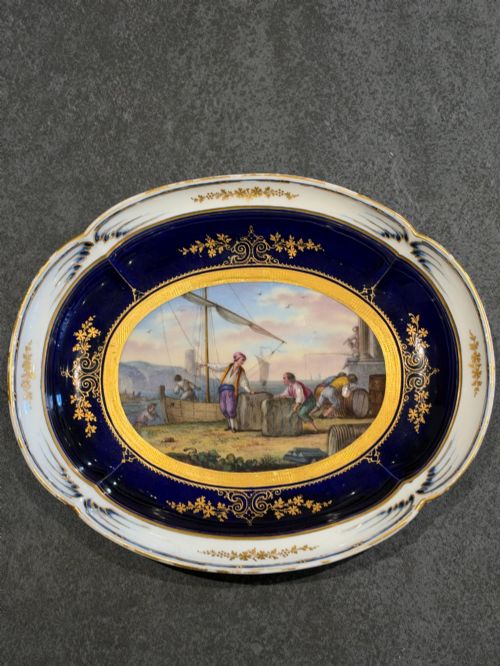
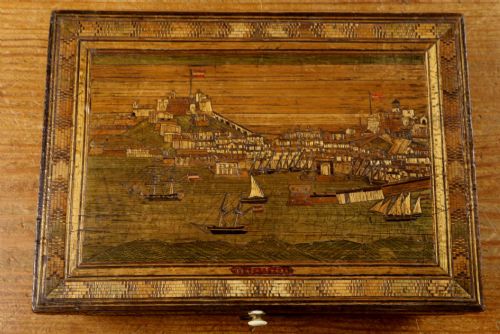
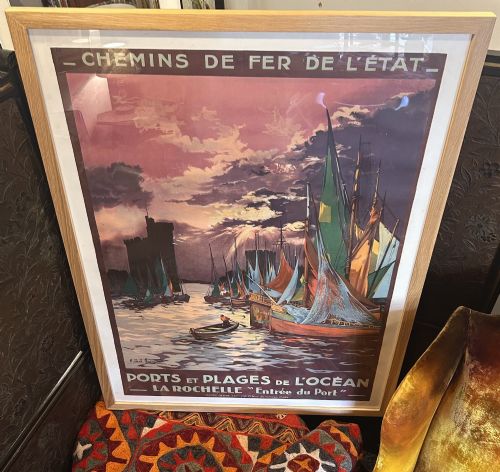
When you search for french maritime antique, you are looking at coastal paintings, ship models, and instruments that reflect France's rich seafaring history.
French Maritime
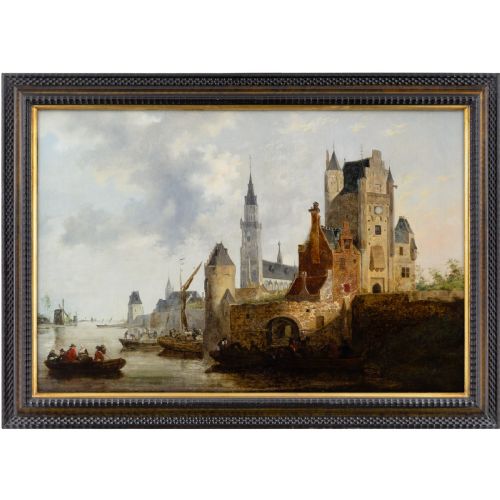
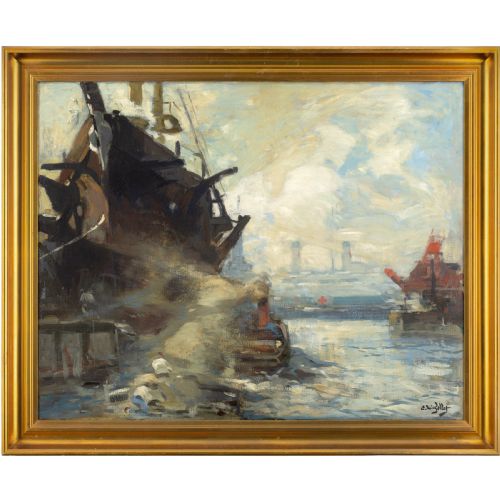
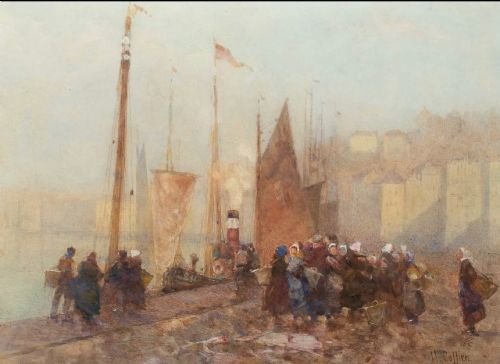
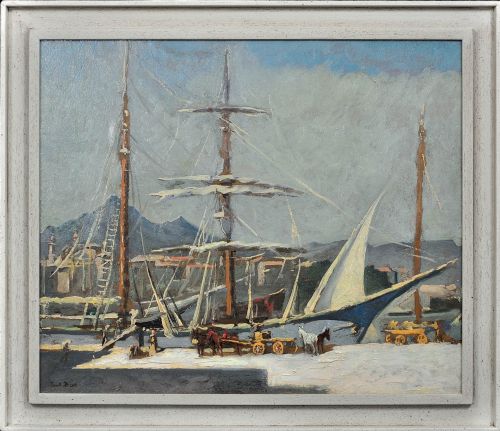
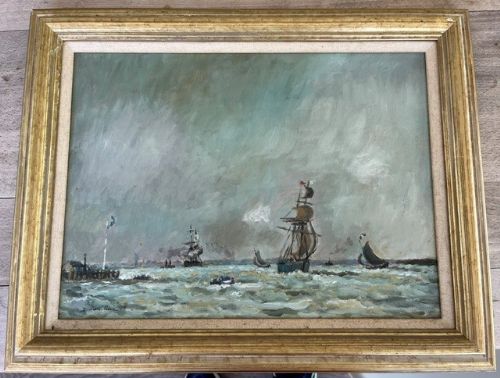
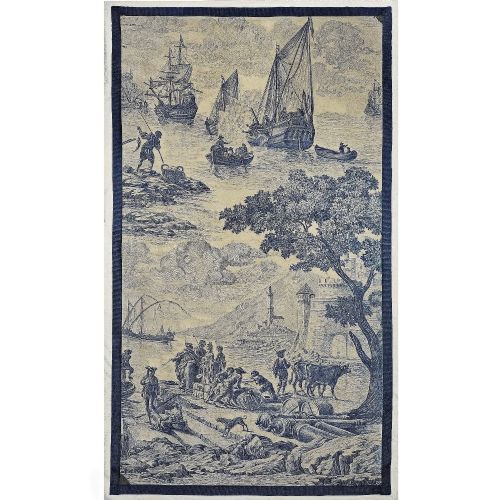
A french maritime antique encompasses a diverse range of objects from coastal paintings to scientific instruments, capturing the aesthetic of French ports and seafaring life. Buyers frequently encounter oil paintings depicting galleons, harbours, and coastal towns alongside folk art and utilitarian objects.
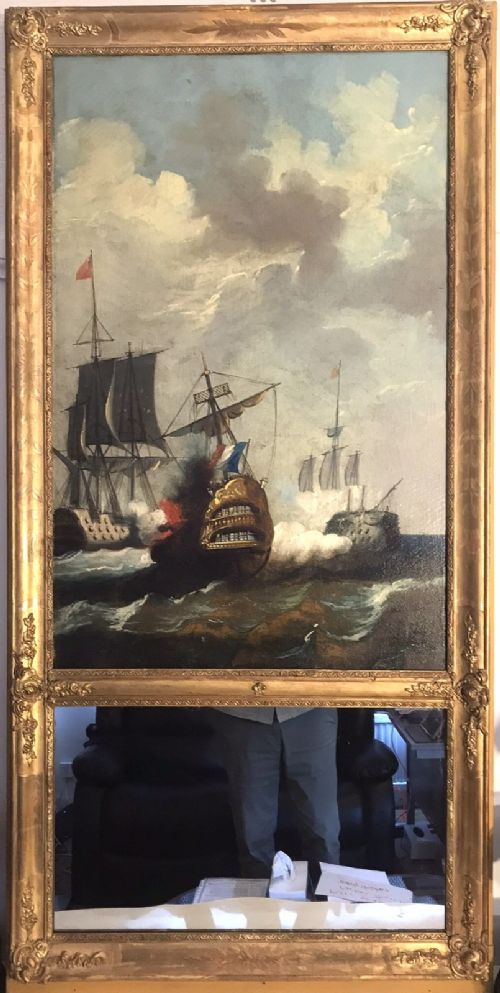
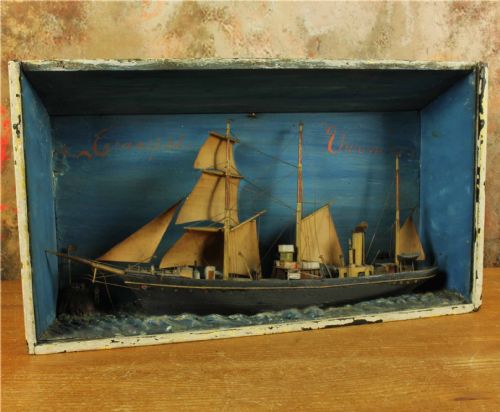
The objects span multiple periods, with strong representation from the nineteenth and early twentieth centuries. Forms range from trumeau mirrors featuring seascapes to ship dioramas, bronze signal cannons, and travel items intended for yachts.
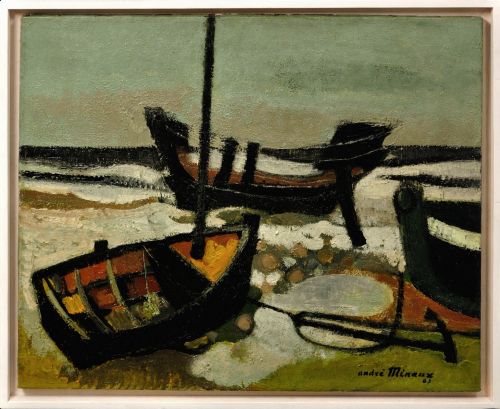
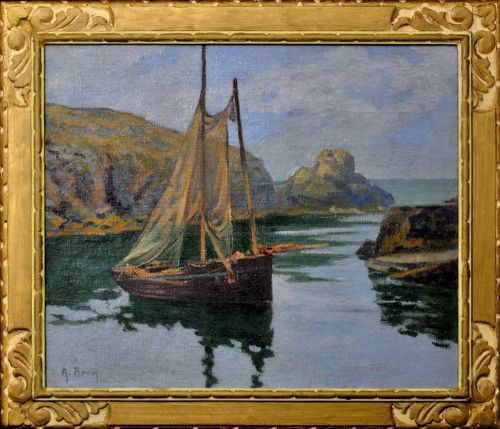
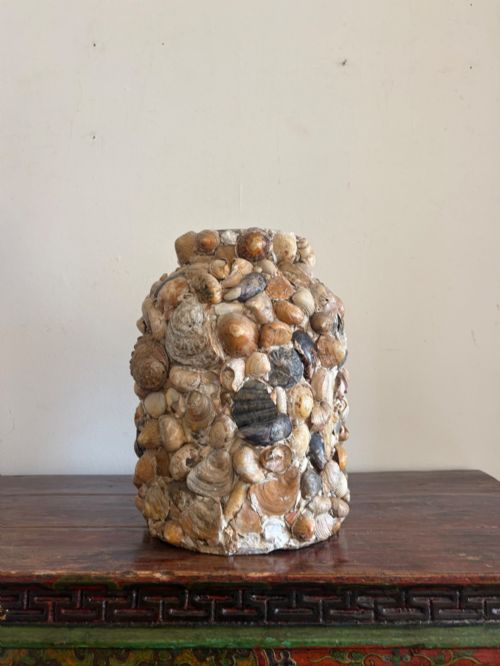
Post-Impressionism and Impressionism heavily influence the visual arts in this category, capturing light over the water in regions such as Brittany and Normandy. Alongside fine art, maritime folk art pieces like shell-decorated jars and sailors' figures provide a direct connection to coastal trades.
Materials and Construction Techniques
Canvas and wood form the structural foundation for many pieces, utilised extensively in oil paintings and hand-carved model yachts. Artisans applied oil paint and gouache to render coastal scenes, while glass protected delicate dioramas and precision instruments.
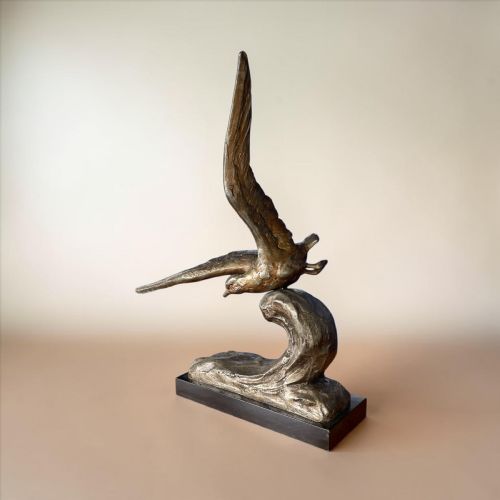
Metals such as brass and iron appear in navigational tools, clocks, and signal cannons, showcasing period machining and casting methods. Shells and ceramics were also employed by folk artists to create decorative jars and sculptural figures associated with fishing communities.
French Maritime Retail Price Guide 2026
Typical asking prices for french maritime among the pieces listed under this phrase on Sellingantiques today, from the lower quarter to the upper quarter. They describe what is for sale here now, not the wider market.
Materials utilised across the inventory include brass, porcelain, sycamore wood, iron, and canvas.
Evaluating Quality and Execution
Execution in paintings relies on the artist's handling of light, brushwork, and atmospheric perspective in coastal settings. Works bearing signatures from recognised schools or documented painters demonstrate superior academic or impressionist skill compared to anonymous works.
Three-dimensional objects vary according to the precision of their construction and the intricacy of their materials. Hand-carved wooden ship models and mechanical items like automata show distinct tiers of craftsmanship in their detailing and operational complexity.
Eugène-Louis Gillot·Hector Caffieri·Paul Delvaux·Louis Suire·Jean-Baptiste Olive·William Lee Hankey·Henri de Magnac·Armand Guillaumin·Marie-Edouard Adam·Edward Henry Holder·Charles Euphrasie Kuwasseg·Henri Ottman
The French Maritime Glossary
- Trumeau
- A decorative wall mirror featuring an oil painting set into the upper wooden panel. These often incorporate coastal or maritime scenes into domestic interior decoration.
- Diorama
- A three-dimensional scene enclosed within a box, frequently depicting handmade boat models on simulated water. Sailors often constructed these intricate nautical displays during long voyages.
- Automata
- Mechanical figures or devices that move automatically using clockwork mechanisms. Maritime examples include lighthouses and mechanical clocks with animated elements.
- Gouache
- An opaque water-based paint method used alongside watercolour for works on paper. It allows for rich, matte colour application in maritime illustrations.
- Post-Impressionism
- An art movement extending beyond impressionism that emphasises symbolic content and heavier brushwork. Many Brittany harbour scenes on this page utilise this expressive stylistic approach.
French Maritime: Frequently Asked Questions
What defines a french maritime antique?
These pieces comprise art, instruments, and decorative items originating from France that document naval history, coastal trade, and leisure sailing. They range from formal oil paintings of ports to folk art created by sailors.
Items typically date from the nineteenth and early twentieth centuries, reflecting the artistic movements and maritime technology of those eras.
Where were coastal scenes painted?
Artists worked across various French coastal regions, most notably capturing the rugged shores of Brittany, Normandy, and the Mediterranean coastline of Cannes and Marseille.
These locations offered changing light and bustling harbour activity that appealed to impressionist and post-impressionist painters.
How do I care for canvas paintings?
Oil paintings on canvas require stable indoor humidity levels and protection from direct sunlight to prevent the pigment and linen from degrading over time.
Dust should be removed gently with a soft, dry brush without applying moisture or chemical cleaners to the painted surface.