


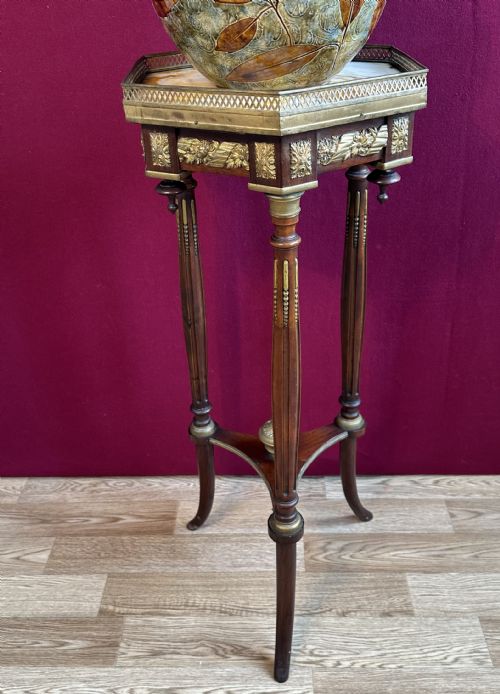


French Marble Plant Stand
A French marble plant stand brings classical refinement to an interior, lifting greenery and display pieces upon stone and metal.
French Marble Plant Stand
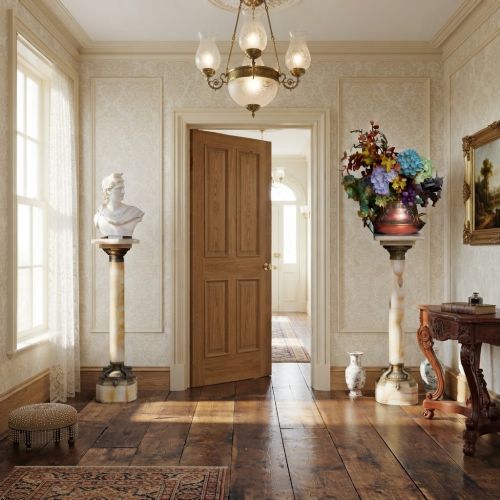
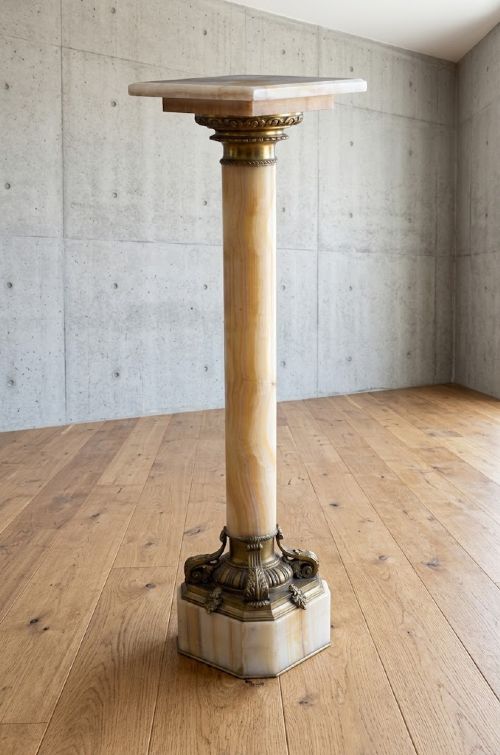
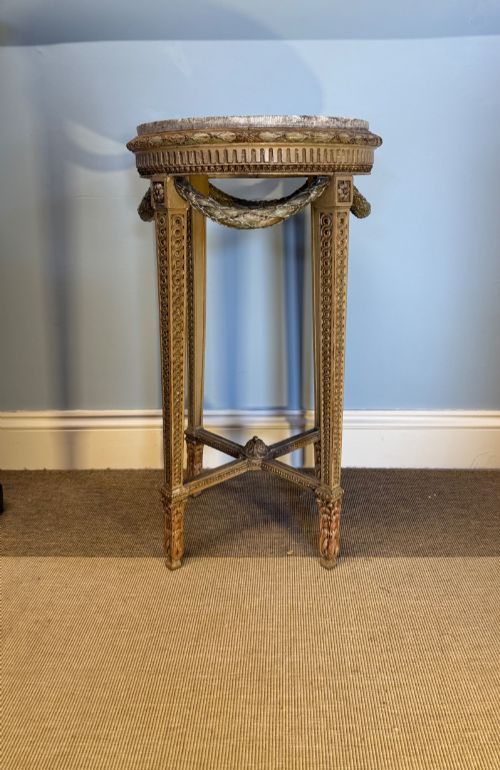
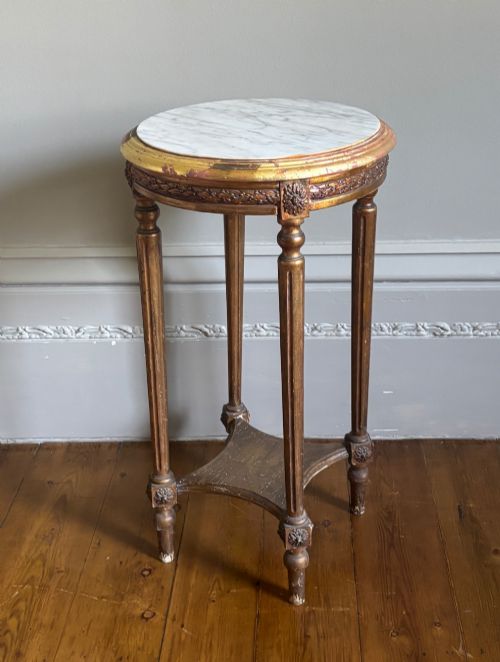
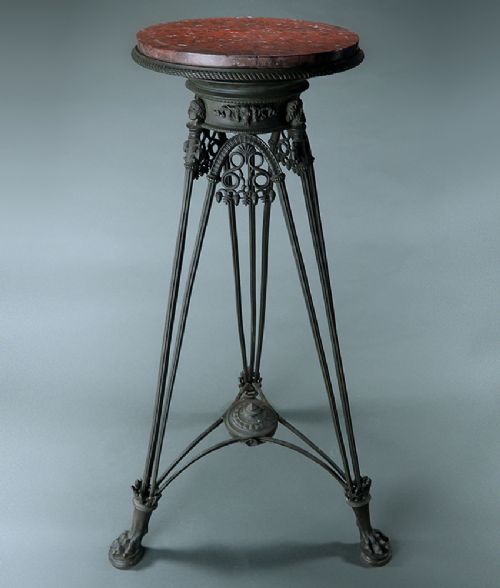
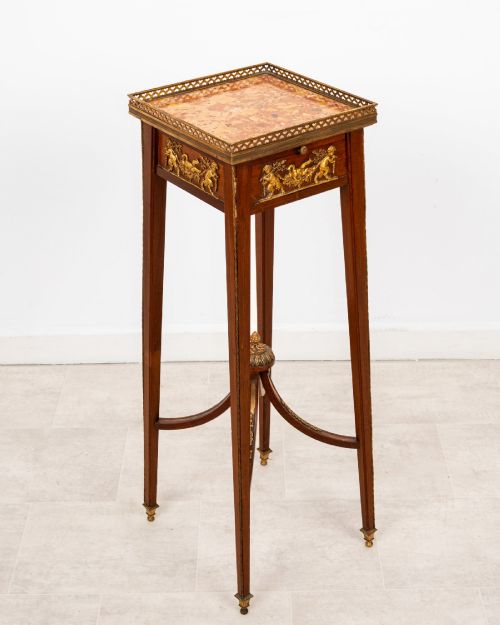
A french marble plant stand serves as a decorative pillar or small table designed to elevate flora, urns, and decorative objects within a room. These pieces appear frequently as tall columns or compact occasional tables featuring smooth stone surfaces.
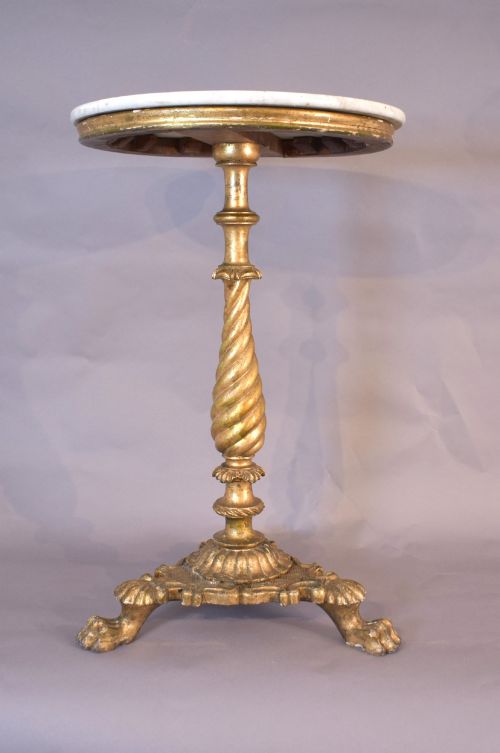
The selections span the nineteenth century through the Edwardian era and into the twentieth century, reflecting periods from Victorian craftsmanship to Art Deco design. Common configurations include round onyx tops supported by gilt columns, mahogany lamp tables, and tall serpentine marble columns.
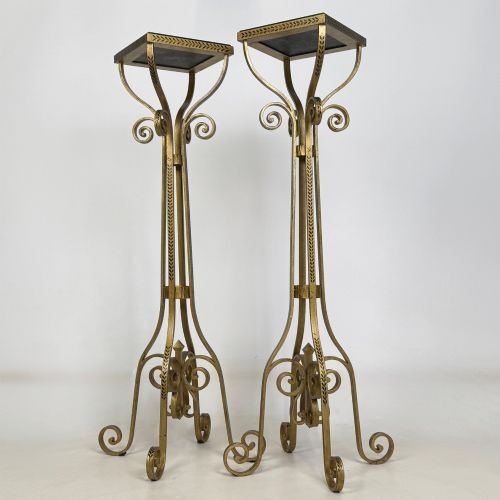
Makers and designers drew on French Empire, Louis XVI, and Rococo styles to create formal supports for domestic spaces. Buyers frequently encounter variations in height and shape, ranging from simple triform pedestals to elaborately mounted torchere columns.
How they were made
Construction relies on combining dense natural stones with structural timbers and cast metals. Artisans shaped marble, onyx, alabaster, and green serpentine for the upper surfaces and columns, pairing them with mahogany, walnut, oak, and kingwood.
Metal components provide structural framing and decorative contrast through ormolu collars, chiseled brass mounts, and gilded bronze. Giltwood, gesso, and part-ebonised finishes complete the framework, often utilising turning and carving to shape the supports.
Listings feature periods spanning from the eighteenth century through the 1930s, utilising materials including mahogany, brass, ormolu, and onyx.
What varies in quality
The sophistication of the cast metal mounts and the selection of the stone dictate the standing of a piece. Finer examples display crisper chiseled brass, ormolu, or gilt bronze details that integrate cleanly with the timber or stone structure.
The choice of stone surface introduces variation, with richly variegated marble, green serpentine, and unblemished onyx distinguishing superior examples from simpler turned wood stands. Hand-carved giltwood and precise cabinetwork elevate the overall execution of the frame.
François Linke·Weisweiler
The French Marble Plant Stand Glossary
- Ormolu
- Gilded bronze applied as a decorative mount on furniture and stands. This technique was widely utilised in French cabinetmaking during the eighteenth and nineteenth centuries.
- Gueridon
- A small round occasional table or stand, often supported by a single central pillar or tripod base. The form originated in France during the seventeenth century.
- Torchere
- A tall stand designed to hold a light, candelabrum, or plant. These slender vertical supports frequently feature marble tops and columnar shafts.
- Serpentine marble
- A green, mottled stone resembling serpent skin that was favored for classical and neoclassical columns. It takes a high polish and provides a distinct textural contrast to gilt mounts.
- Vernis Martin
- A simulated Japanese lacquer technique developed in France, used on fine occasional furniture and pedestals. It yields a lustrous, multi-layered decorative finish.
French Marble Plant Stand: Frequently Asked Questions
What rooms suit a plant stand?
These tall columns and small tables fit naturally into corners, hallways, and reception rooms where vertical display space is available. They anchor floral arrangements or sculptures without taking up substantial floor area.
Peculiar heights make them adaptable for placing beside seating or near windows to catch natural light.
How are marble tops maintained?
Regular dusting with a soft cloth preserves the polished surface of the stone. Spills should be wiped promptly to prevent staining, particularly on more porous varieties.
Avoid acidic cleaning agents that can etch the polish of the marble or onyx.
Can these stands hold heavy pots?
Sturdy examples built with solid timber frames and stone columns bear considerable weight safely. The wider triform and columnar bases distribute heavy loads securely.
Lighter occasional tables with slender giltwood legs suit modest ceramic or brass vessels rather than massive planters.
How do I distinguish periods?
Nineteenth-century pieces often display neoclassical or rococo revival motifs with heavy ormolu mounts and dense timber frames. Edwardian and later twentieth-century iterations tend toward cleaner lines and lighter proportions.
Material choices, such as the prevalence of onyx in later decades, offer further clues to the date of manufacture.