



French Mantle Timepiece
A french mantle timepiece brings nineteenth-century engineering and classical design together on the mantelpiece, offering both reliable timekeeping and sculptural presence.
French Mantle Timepiece
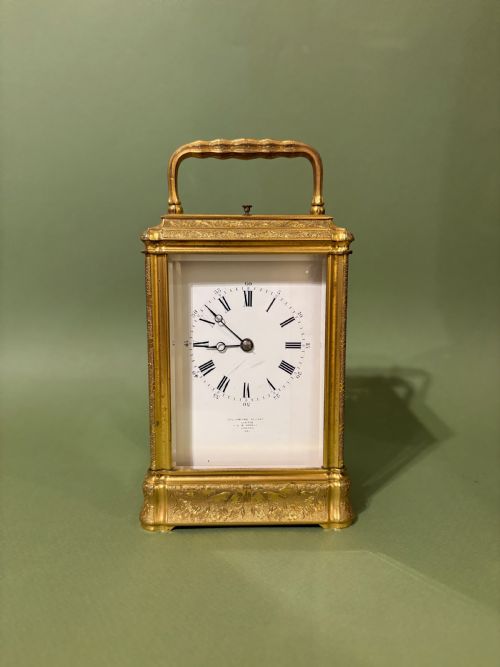
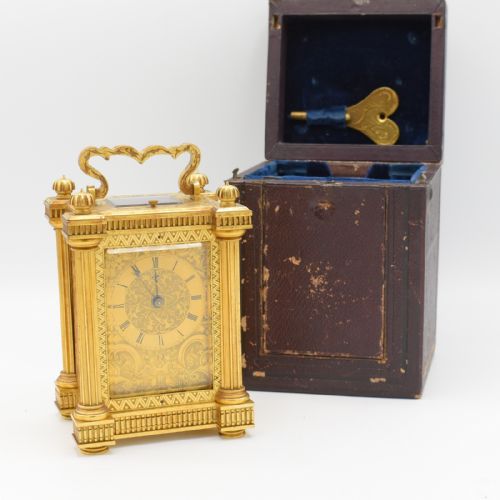
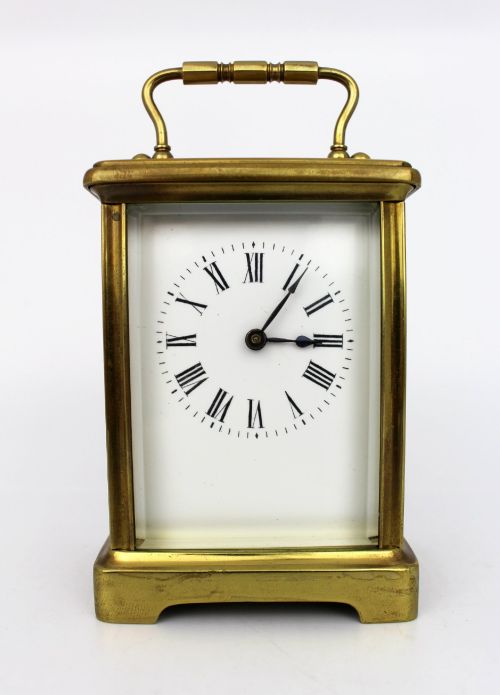
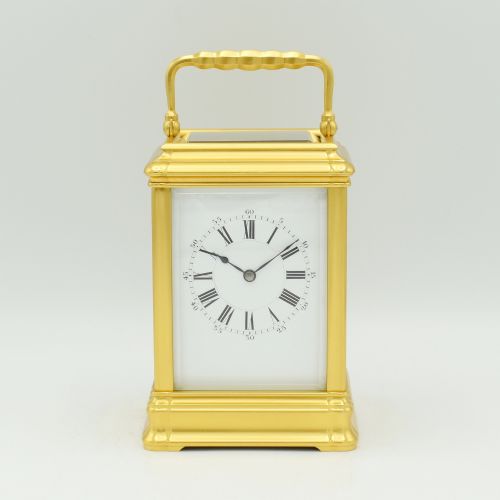
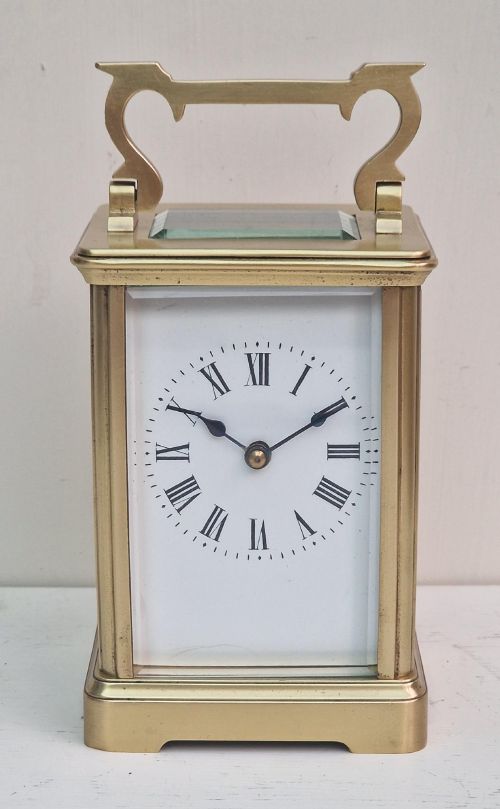
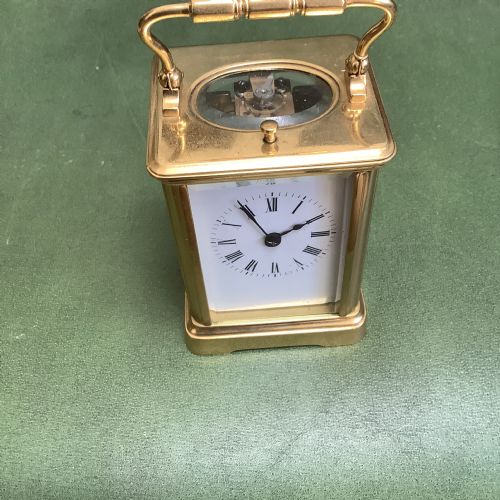
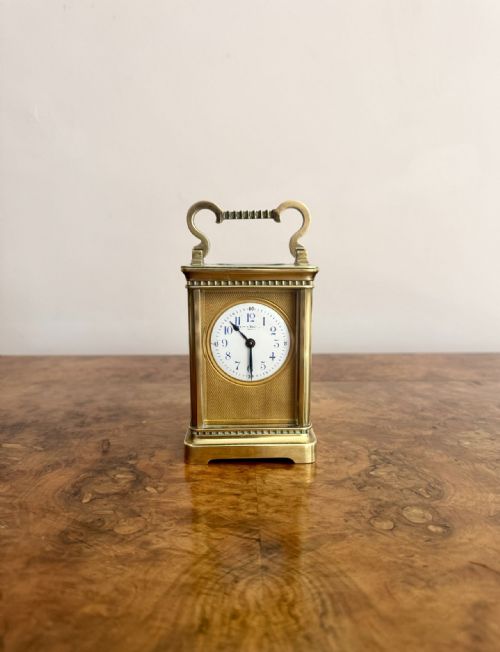
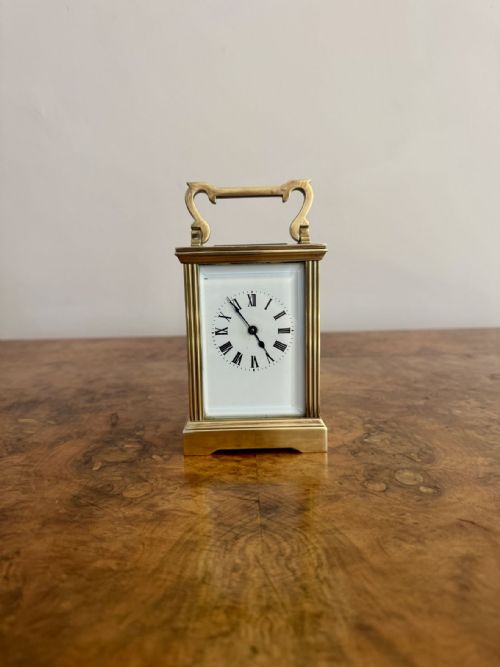
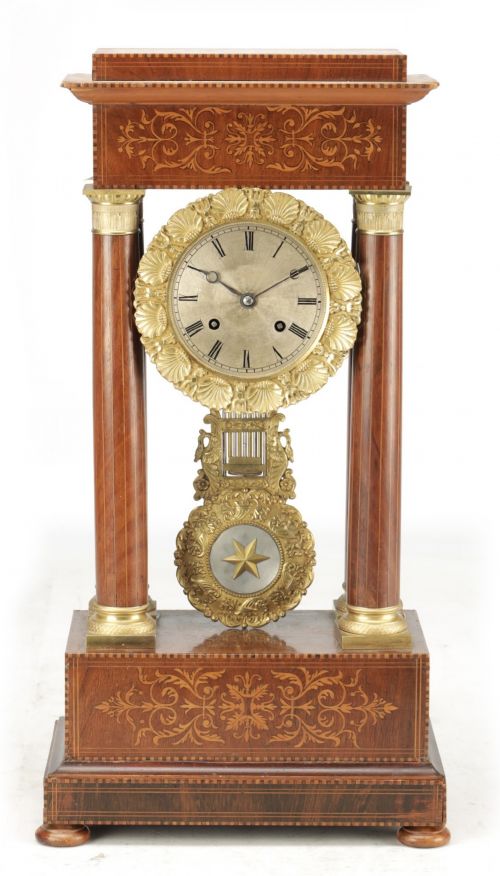
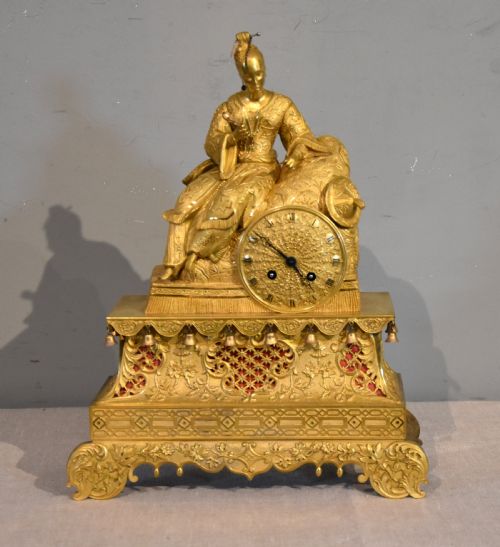
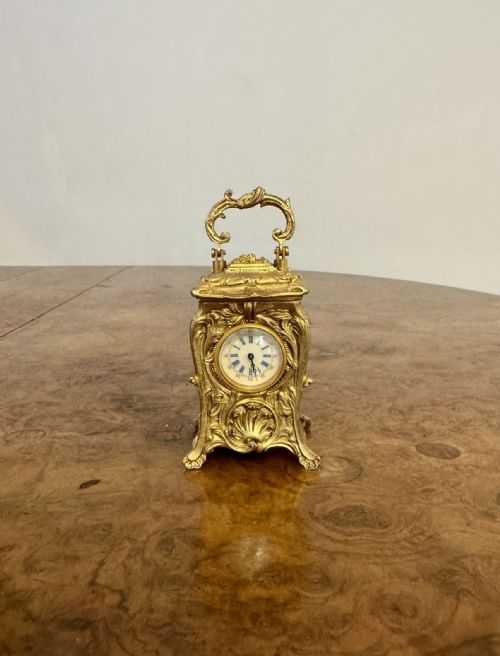
When you search for a french mantle timepiece, you encounter a range of nineteenth-century and early twentieth-century decorative clocks spanning periods from the Victorian era to the French Second Empire. These pieces typically manifest as carriage clocks, four glass mantel clocks, or figural designs housed in marble, brass, or ormolu.
The version you are most likely to meet on this page is the brass or gilt-brass carriage clock or the marble mantel clock dating from the 1880s to 1900. These domestic timepieces reflect the dominant French and English retail tastes of the period, often incorporating enamel dials and mechanical striking movements.
Materials and construction
Makers constructed these timepieces using heavy brass frames, cast bronze, and polished marbles such as sienna, combining them with mercury gilding or ormolu mounts. Glass panels protected delicate interior mechanisms while allowing light to reach the escapement.
Dials were predominantly formed of white enamel with painted Roman or Arabic numerals, occasionally decorated with hand-painted scenes or delicate Delft patterns. Precision gear trains and escapements were fitted by specialist workshops to ensure accurate mechanical performance.
Listings feature brass, marble, and gilt bronze materials spanning the nineteenth century through the 1920s.
Distinctions in craftsmanship
Superior examples of a french mantle timepiece are distinguished by the crispness of their ormolu chasing, the weight and selection of the marble body, and the complexity of the movement. Repeater mechanisms, alarm functions, and fully signed backplates by noted makers elevate a piece above standard commercial production.
HENRI JACOT·Howell & James London·Philippes Paris·Duverdrey & Bloquel·TIFFANY·L Epee
The French Mantle Timepiece Glossary
- Carriage clock
- A portable spring-driven clock originally designed for travel, featuring a rectangular brass case with glazed panels and a swinging handle on top.
- Ormolu
- Gilt bronze produced by applying a finely ground high-carat gold-mercury amalgam to a bronze object, which is then heated to drive off the mercury.
- Repeater
- A mechanical complication in a clock that chimes the hours and quarters upon demand when a lever or plunger is pressed.
- Garniture
- A set consisting of a clock flanked by matching decorative objects such as vases or candelabra designed to be displayed together on a mantelpiece.
French Mantle Timepiece: Frequently Asked Questions
How do I wind a french mantle timepiece?
Most mechanical pieces require a key inserted into the winding arbors on the dial or backplate, turning gently until resistance is felt.
Care must be taken not to overwind the mainspring, as this can damage the internal gearing.
What is the difference between a carriage clock and a mantel clock?
Carriage clocks are compact, portable timepieces enclosed in brass and glass with a carrying handle, originally intended for use during travel.
Mantel clocks are larger, heavier stationary objects built from marble, bronze, or wood designed to sit permanently on a fireplace shelf.
How do repeater movements work?
A repeater mechanism allows the owner to activate a striking train manually by pressing a button or lever on the case.
The clock then sounds the last hour and the most recent quarter-hour audibly, a useful feature before the invention of electric lighting.
How do I date a french mantle timepiece?
Dating relies on maker signatures, style markers such as Art Deco or French Empire design, and the materials used in the case.
Mechanical evolution and patent dates stamped on movement backplates also provide clear chronological reference points.