



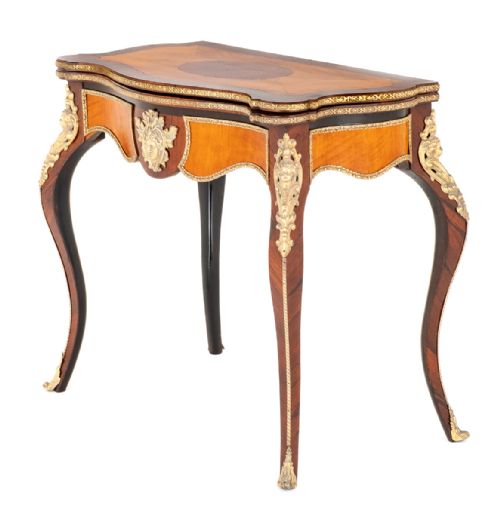


French Mahogany Tea Table
A french mahogany tea table brings continental refinement into a room, offering a surface designed specifically for formal hospitality and daily utility.
French Mahogany Tea Table
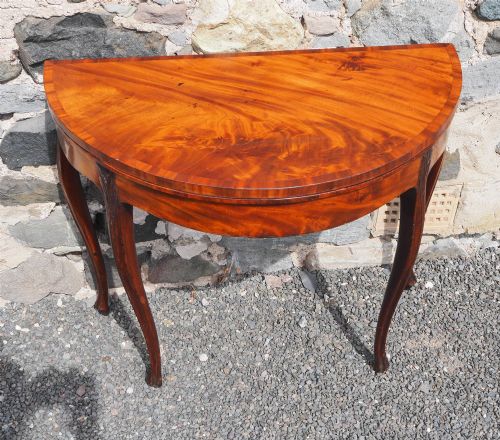
When you search for a french mahogany tea table, you enter a category defined by sophisticated continental forms and rich dark timber. The pieces appearing here span multiple centuries, touching on Georgian interpretations, Edwardian iterations, and robust nineteenth-century revivals.
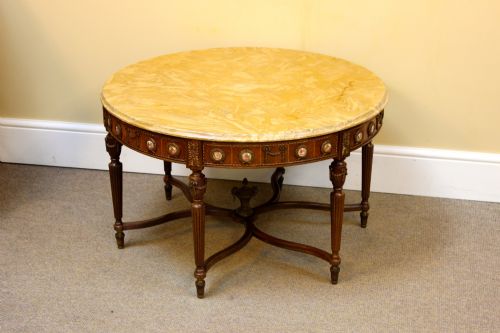
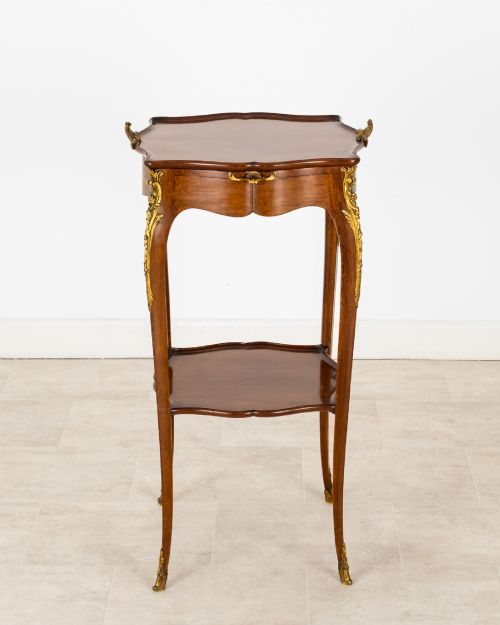
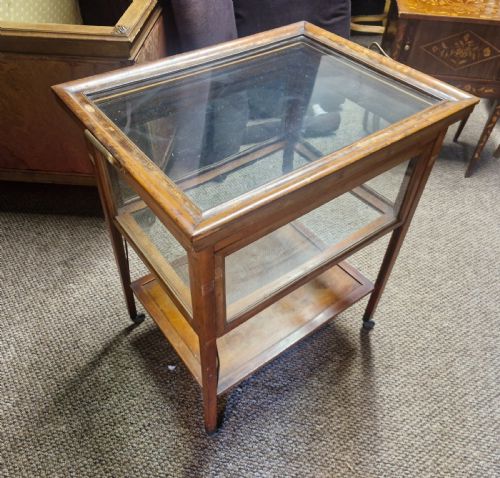
You will encounter various formats fulfilling this domestic role, ranging from classic occasional pieces and drop-side trolleys to tiered étagères and gueridons. The underlying timber is invariably mahogany, frequently enriched with contrasting veneers or decorative mounts.
Origins stretch from eighteenth-century workshops influenced by French taste to later Victorian and Edwardian interpretations of Louis XV and Louis XVI styles. Each iteration adapts continental elegance for British and European interiors, balancing practicality with decorative presence.
What varies in quality
Quality rests in the crispness of the bronze or ormolu mounts and the precision with which they fit the mahogany carcase. Finely chased metalwork and securely anchored mounts separate standard production from exceptional cabinet work.
The depth of colour in the timber and the subtlety of marquetry or parquetry inlays dictate the visual impact of the piece. Superior examples display harmonious grain patterns and meticulous joinery that maintains structural integrity across pivoting or folding surfaces.
Some tea trolleys come equipped with drop sides and integrated trays, ready for impromptu parlour refreshment.
François Linke·Ince & Mayhew
The French Mahogany Tea Table Glossary
- Ormolu
- Gilded bronze applied as a decorative mount on furniture. It provides bright metallic contrast against dark mahogany surfaces.
- Marquetry
- Decorative veneer work forming intricate pictures or patterns using various coloured woods. It transforms plain tabletops into detailed visual displays.
- Gueridon
- A small circular table on a central pillar or tripod base. French examples frequently incorporate mahogany and marble tops.
- Parquetry
- Geometric wood inlay creating repeating patterns such as cubes or chequers. It showcases precise cabinet-making skills.
- Étagère
- A set of open shelves for displaying small objects or serving tea. These pieces often feature multiple tiers supported by slender uprights.
French Mahogany Tea Table: Frequently Asked Questions
How do I care for mahogany?
Keep mahogany away from direct sunlight and heat sources to prevent the timber from drying out or fading. Dust regularly with a soft, dry cloth and apply occasional wax polish to maintain the finish.
Avoid using abrasive cleaners or excessive moisture on both the timber and any metallic mounts. Treat marble tops with gentle soap and water to prevent staining from spilled liquids.
How do I date a table?
Dating relies on examining construction methods, timber thickness, and stylistic clues within the carving or mounts. Eighteenth-century pieces often display hand-cut joints and distinct timber patination compared to later revivals.
Look for design markers such as Louis XV curves, Empire symmetry, or Edwardian lightness. Reviewing the specific revival period helps place nineteenth and twentieth-century interpretations accurately.
What is the difference between styles?
Louis XV revival pieces feature asymmetric curves, cabriole legs, and naturalistic ormolu mounts. Louis XVI and Empire styles favour symmetry, straight tapered legs, and classical architectural motifs.
Georgian interpretations in the French taste combine British cabinet-making traditions with continental decorative restraint. Identifying these stylistic markers reveals the intended aesthetic of the maker.