

French Mahogany
A french mahogany antique brings continental scale and dark timber grain into a room, offering practical storage or display with architectural presence.
French Mahogany
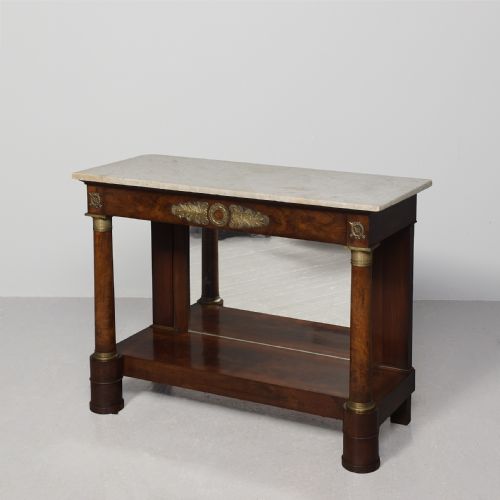
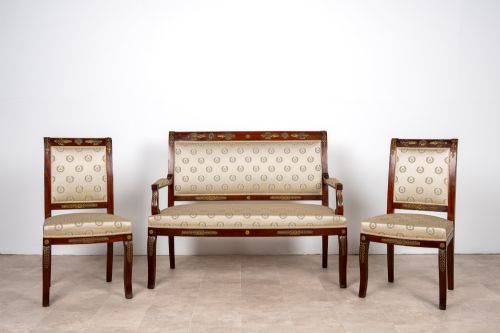
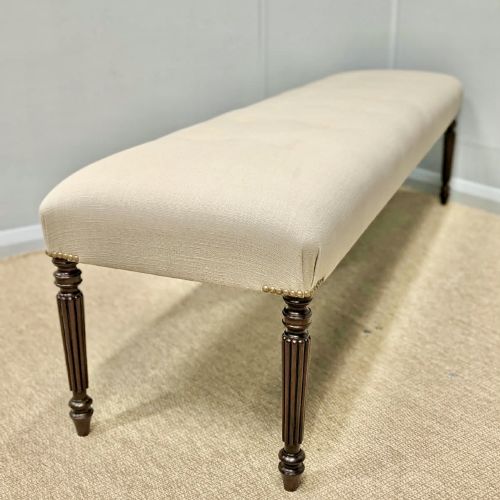
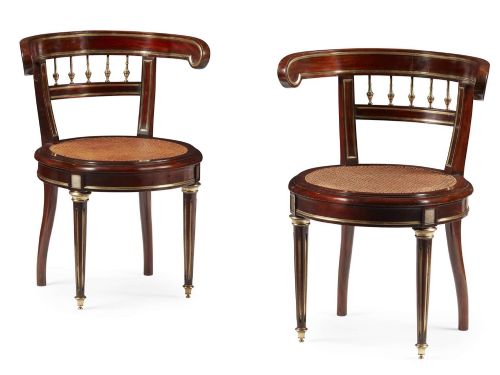
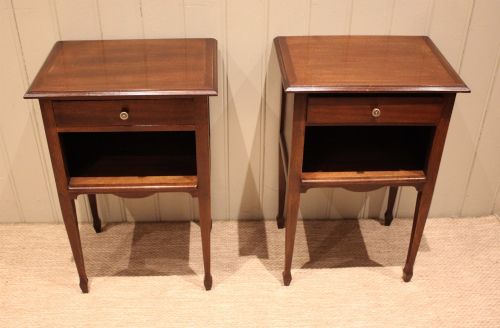
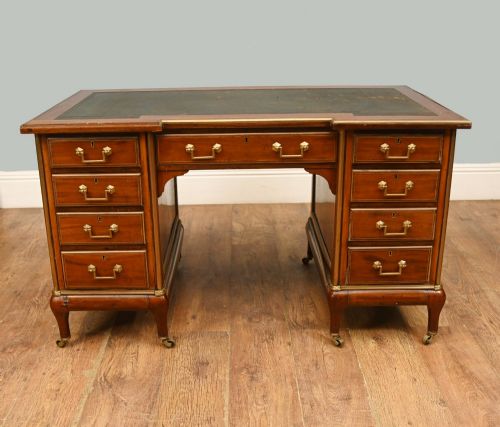
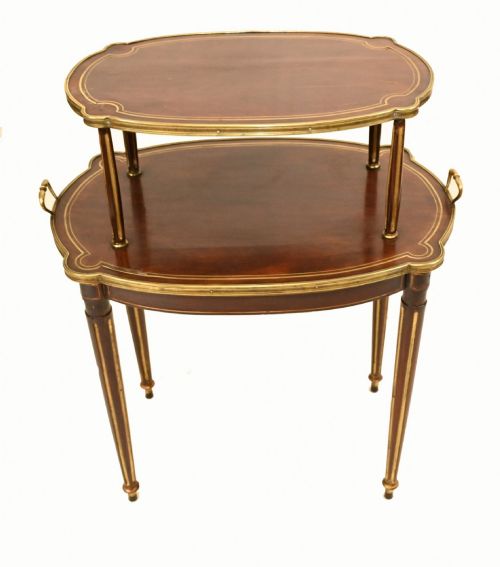
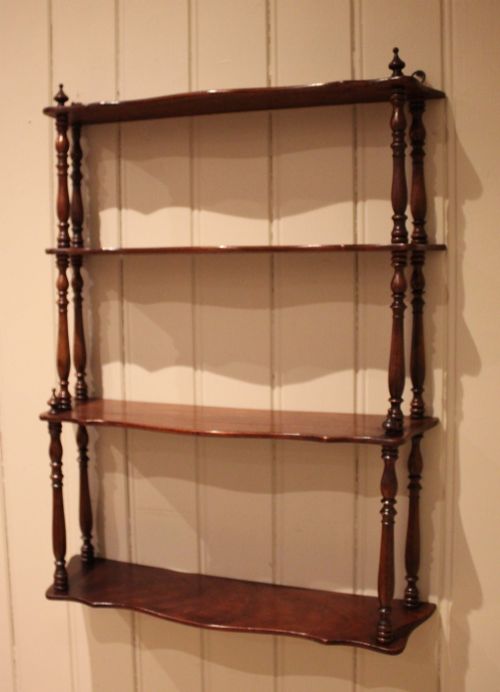
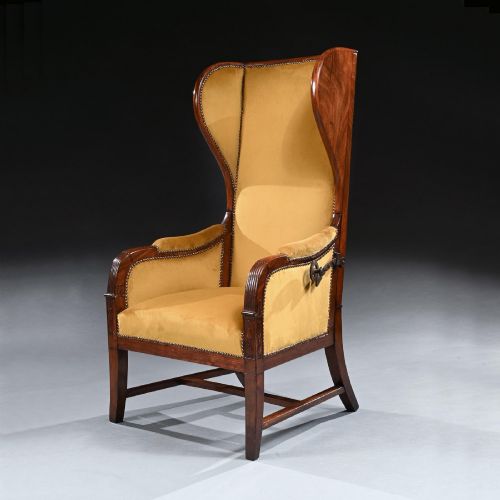
When a buyer types french mahogany antique, they encounter a diverse selection of case pieces, seating, and tables spanning the eighteenth through to the early twentieth century. These items originate predominantly from French workshops and embrace stylistic revivals including Empire, Louis XV, Louis XVI, and Rococo.
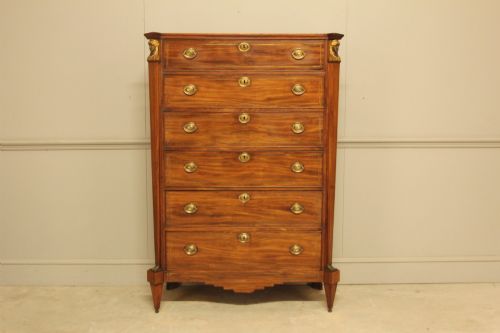
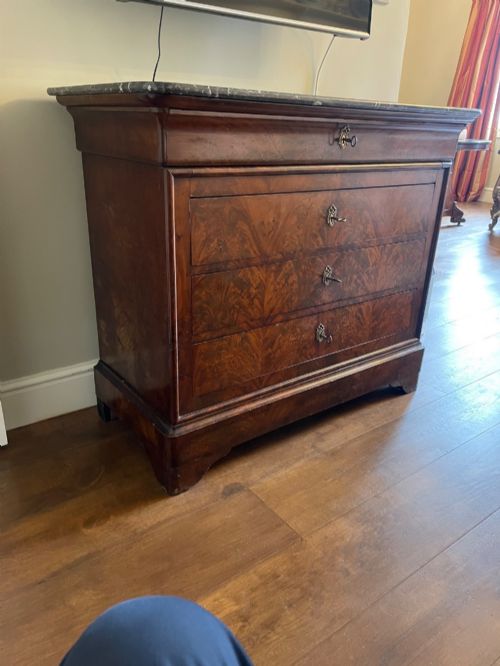
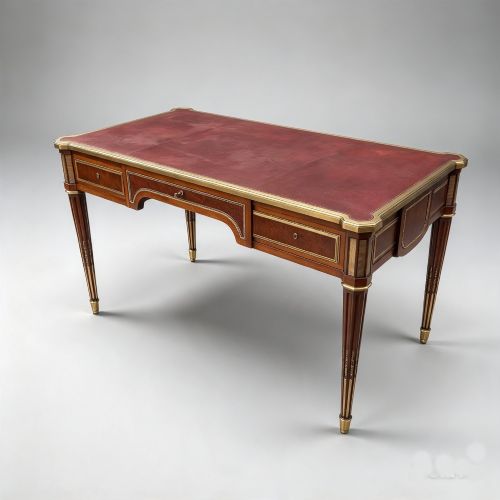
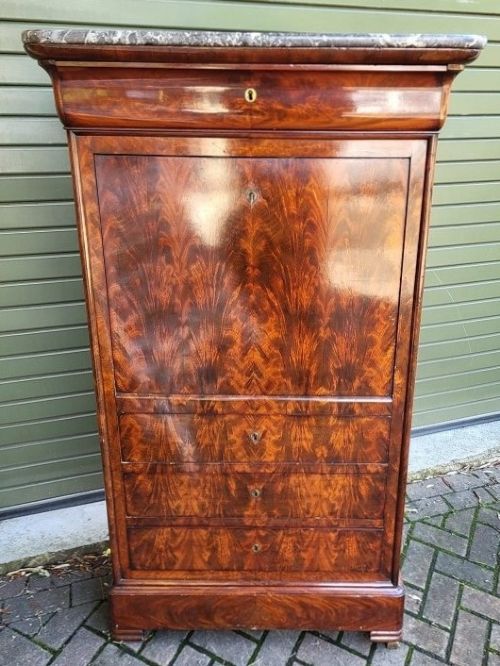
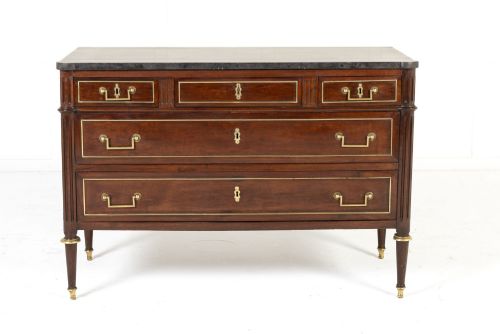
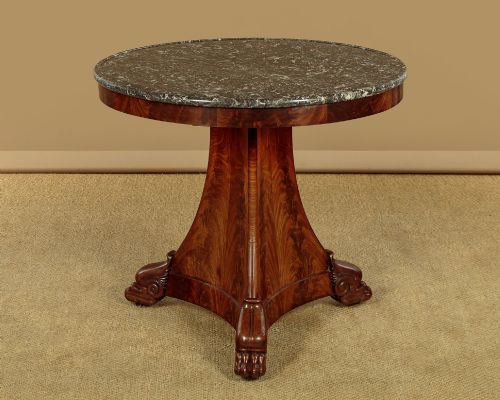
The pieces appearing most frequently on this page range from marble-topped commodes and secretaires to centre tables, vitrines, and bookcases. Buyers seek these forms to anchor a room with rich timber surfaces and classic continental silhouettes.
Materials and Technique
Cabinetmakers constructed these pieces primarily using solid mahogany and flame mahogany veneers over secondary timbers, frequently incorporating marquetry and contrasting fruitwood inlays. Surfaces often receive structural and decorative contrast from cast gilt bronze, ormolu mounts, and inset brass detailing.
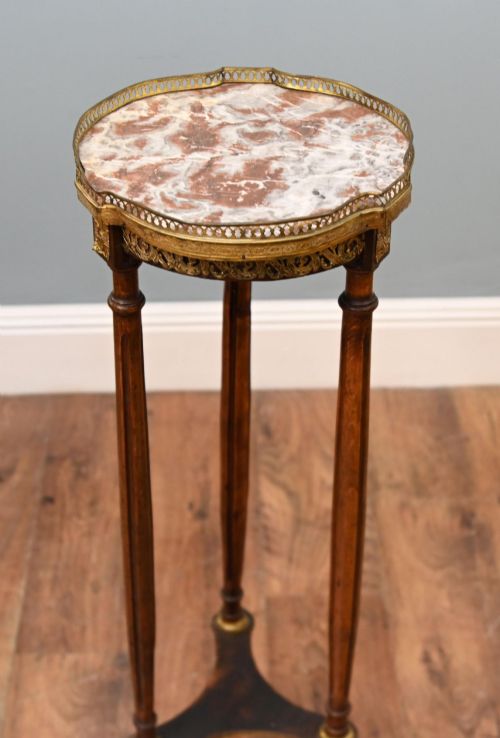
Many case pieces and tables pair the timber framework with heavy white or grey marble slabs fitted precisely to serpentine or rectangular tops. Glazed vitrines and bookcases utilise slim mahogany framing to support large glass panels for display purposes.
French Mahogany Retail Price Guide 2026
Typical asking prices for french mahogany among the pieces listed under this phrase on Sellingantiques today, from the lower quarter to the upper quarter. They describe what is for sale here now, not the wider market.
Several cabinets incorporate secret compartments designed for letters, reminding us that private correspondence once required physical architecture.
Evaluation of Quality
The distinction between standard and exceptional pieces rests upon the precision of the cabinetwork and the select figure of the mahogany veneer. Finer examples display symmetrical flame patterns across drawer fronts and doors, matched by crisp hand-chasing on gilt bronze mounts.
Structural integrity and original hardware dictate the standing of a piece within its period. Superior items retain their original marble tops, working locks, and fine marquetry work without excessive restoration or replacement components.
The French Mahogany Glossary
- Ormolu
- Gilded bronze used for decorative mounts and accents on furniture. This technique was widely utilised during the eighteenth and nineteenth centuries.
- Commode
- A low chest of drawers or cabinet designed for domestic storage. These pieces frequently feature serpentine fronts and marble tops.
- Vitrine
- A glass-fronted cabinet or display table intended for showing porcelain and small objects. The framework relies on mahogany and glazed panels.
- Gueridon
- A small circular table supported by a central pillar or multiple legs. These tables often serve as centre or occasional pieces.
- Secretaire à abattant
- A tall writing cabinet featuring a fall-front desk panel concealing internal compartments. It combines drawer storage with a compact writing surface.
French Mahogany: Frequently Asked Questions
How do I care for french mahogany antique furniture?
Keep timber surfaces away from direct sunlight and radiators to prevent the mahogany veneer from drying out or splitting. Dust regularly with a soft, dry cloth and apply natural wax sparingly when the wood appears dull.
Protect marble tops from acidic spills like citrus or wine by using coasters and mats. Lift tables and cabinets rather than dragging them to protect joints and legs from undue stress.
Are marble tops on these pieces original?
Many marble tops found on commodes and vitrines are original to the piece, cut specifically to match the serpentine or rectilinear contours of the timber carcase. Inspect the underside of the stone for matching edge profiles and historical wear consistent with the age of the base.
Replacement marble is sometimes fitted during restoration if the original slab suffered damage. Look for consistent weathering and appropriate thickness that aligns with nineteenth-century manufacturing methods.
What is the difference between Empire and Louis XVI styles?
Empire style furniture dates from the early nineteenth century and emphasises monumental forms, heavy mahogany surfaces, and military-inspired gilt bronze mounts. The silhouettes lean towards architectural grandeur and classical symmetry.
Louis XVI style pieces draw from the late eighteenth century, favouring lighter proportions, tapered fluted legs, and neoclassical restraint. Marquetry and delicate brass inlay frequently replace the heavier bronze mounts seen in Empire designs.
How do I identify a vitrine from a bookcase?
A vitrine is primarily designed for the display of decorative objects, featuring glass panels on the sides as well as the doors. These cabinets often include velvet-lined interior shelves and fine gilt bronze or ormolu framing.
Bookcases focus on housing volumes, typically presenting solid wooden sides with adjustable shelved interiors behind glazed or open fronts. Their construction prioritises structural support for heavy books over transparent display.