
French Louis Mirror
A french louis mirror brings distinct decorative presence and period elegance to any room.
French Louis Mirror
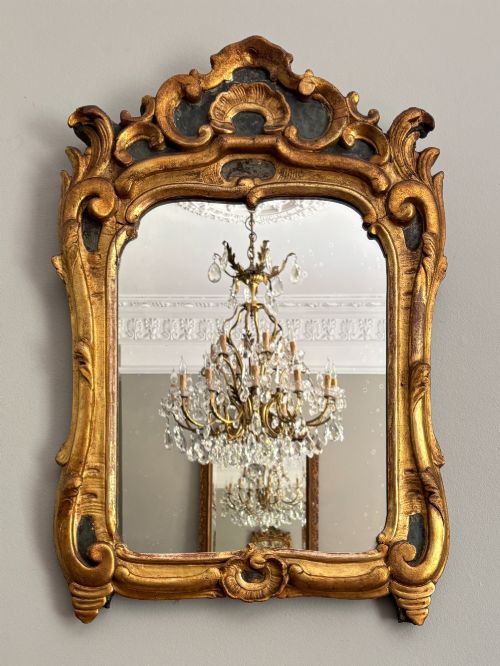
When searching for a french louis mirror, buyers encounter a range of wall-hanging, overmantel, and trumeau designs originating from the eighteenth to the early twentieth centuries. These pieces reflect enduring aesthetic revivals, including Louis Philippe, Louis XV, and Louis XVI styles, alongside broader French provincial and chateau influences.
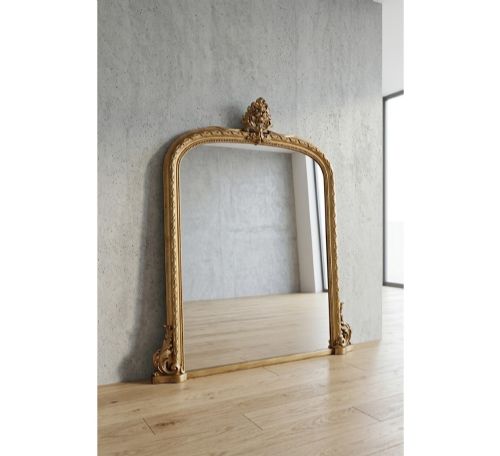
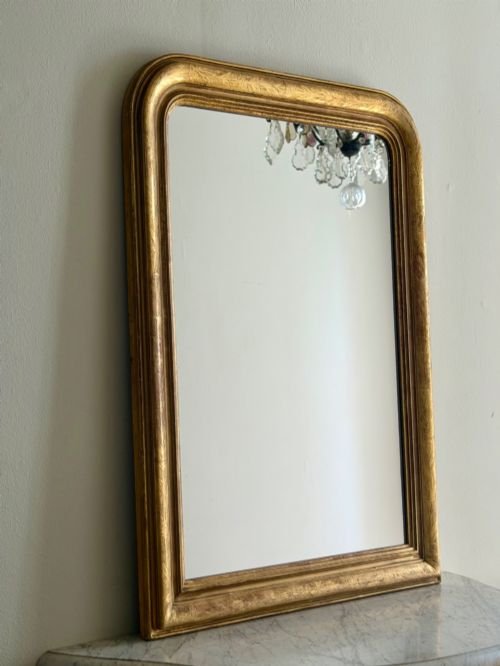
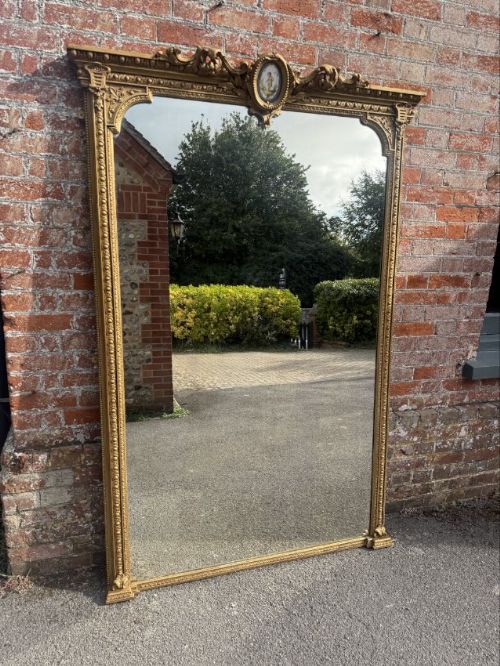
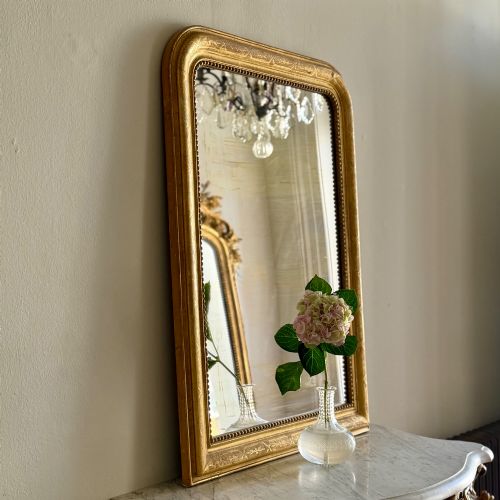
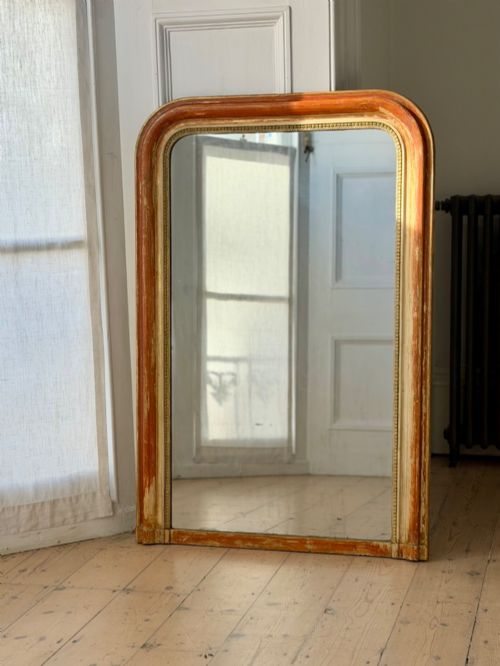
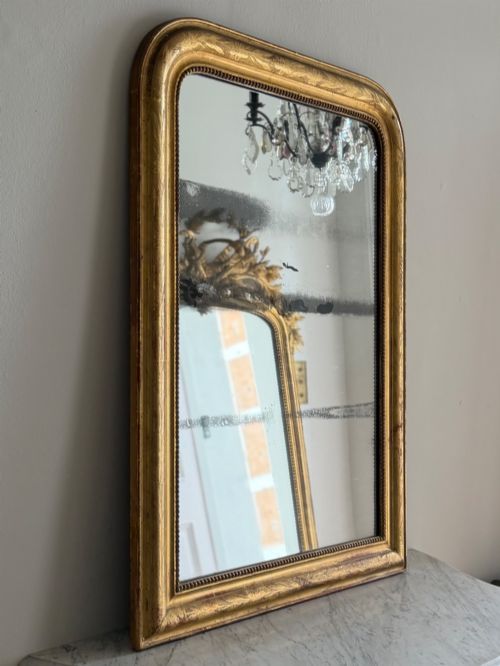
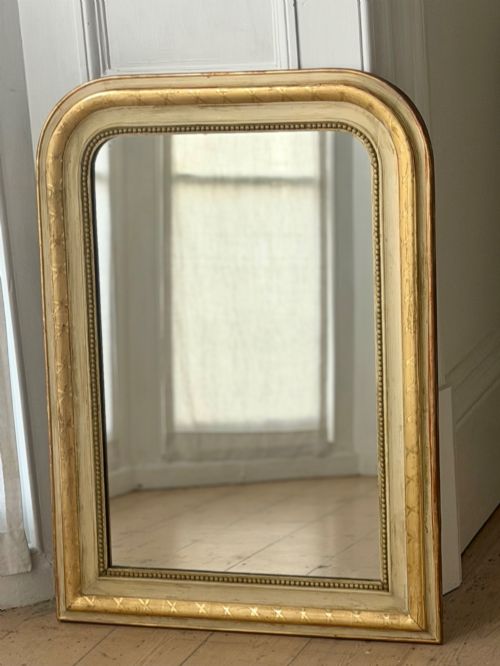
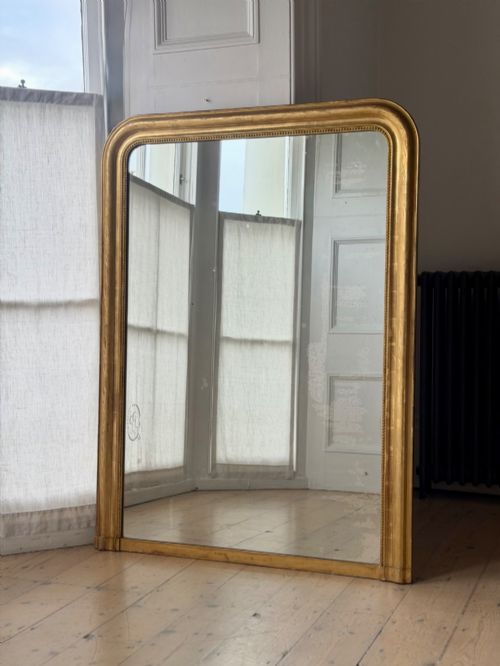
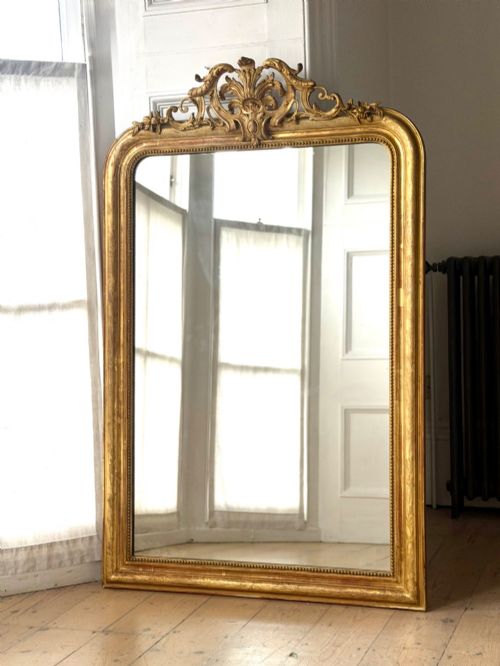
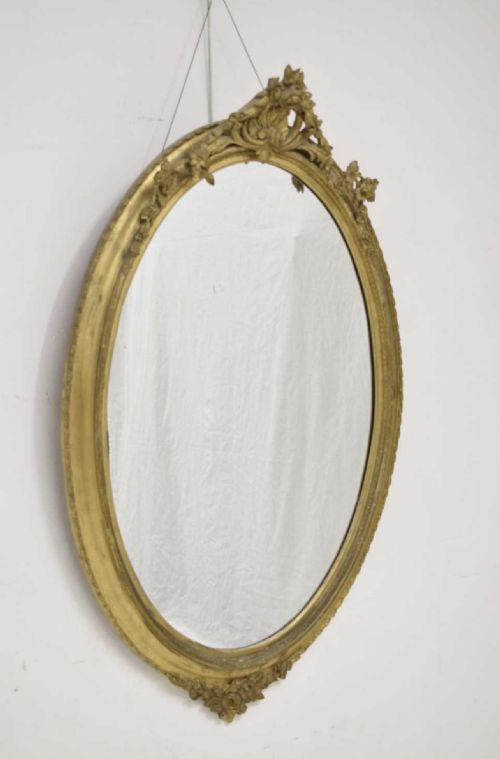
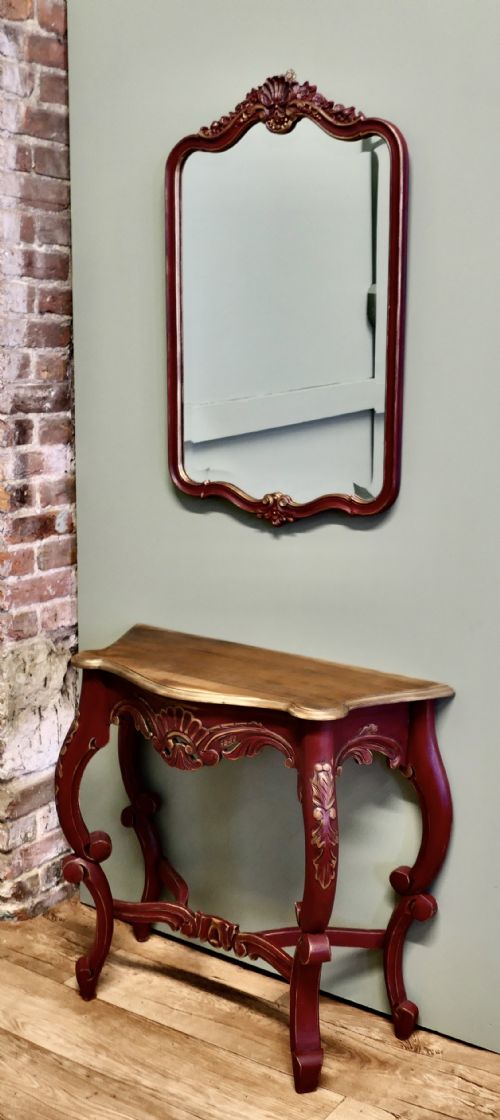
The version most commonly met on this page is the nineteenth-century giltwood Louis Philippe mirror, often featuring clean architectural lines paired with subtle ornamental crests. Alongside these, wall mirrors, overmantels, and console table mirror sets appear frequently in both carved wood and painted finishes.
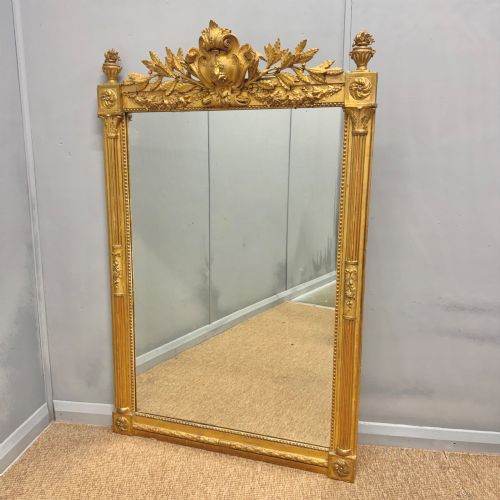
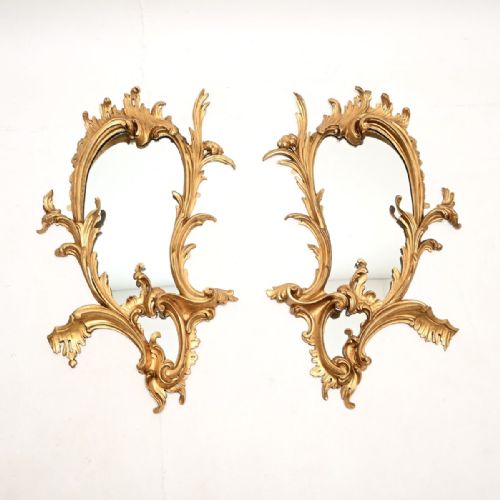
Originating from French workshops and ateliers, these mirrors served both functional and decorative roles in period interiors. Their forms vary from tall rectangular wall pieces to elaborate Rococo revival frames adorned with organic scrolls and floral motifs.
How they were made
Traditional construction relies on carved wood frames, frequently built from oak or pine, which provide structural integrity. Artisans applied layers of gesso to the wooden base to create smooth surfaces for subsequent gilding techniques.
Gilding was executed using gold leaf or water gilding methods, imparting a warm metallic sheen to the woodwork. Many examples also incorporate hand-applied paint, silver gilt, or gilt bronze mounts.
Reflective surfaces typically consist of original mercury glass or antique glass plates. These early plates often display characteristic foxing, mottling, or etched details that distinguish period manufacturing methods from modern alternatives.
Some trumeau mirrors hide miniature seascapes of galleons sailing across stormy nineteenth-century painted panels.
What varies in quality
The depth and crispness of the hand-carved ornamentation separate finer examples from simpler production. Superior pieces display sharply defined scrolls, floral crests, and gesso relief work that retain their original definition beneath the gilt layer.
The preservation of the original glass plate and the character of the gilding dictate overall desirability. Mirrors retaining untouched mercury glass with natural foxing hold greater authenticity than those with later replacement plates.
Proportion and scale also influence distinction, particularly in large overmantel and trumeau mirrors where balanced framing enhances the architectural impact of the piece.
Arsène Rochette of Versailles
The French Louis Mirror Glossary
- Mercury glass
- An early type of silvered glass produced by pouring a mercury and tin amalgam behind two glass plates. This technique creates a mottled, reflective appearance with characteristic dark spots known as foxing.
- Giltwood
- Timber coated with gold leaf or metallic powder applied over a prepared gesso ground. It defines the rich surface finish seen on many period frames.
- Gesso
- A plaster-like mixture applied to wooden frame substrates to provide a smooth base for carving and gilding. It allows for intricate relief ornamentation.
- Trumeau mirror
- An antique wall mirror paired with an oil painting or carved panel positioned above the glass plate. These decorative panels frequently depict pastoral or maritime scenes.
- Overmantel mirror
- A wide horizontal mirror designed specifically to hang above a fireplace mantelpiece. They often mirror the proportions of the hearth below.
French Louis Mirror: Frequently Asked Questions
What is a louis philippe mirror?
A Louis Philippe mirror is a mid-nineteenth-century French mirror style characterised by simple, elegant lines, often featuring rounded top corners and a restrained frame.
These pieces bridge the gap between classical formality and domestic comfort, making them versatile additions to both traditional and modern interiors.
How do I identify mercury glass?
Mercury glass is identified by its distinctive cloudy reflection and scattered dark spots, known as foxing, where the silvering has aged beneath the glass.
Unlike modern mirror plates, genuine antique glass displays depth and irregularities caused by historic manufacturing techniques.
Where should I hang an overmantel mirror?
An overmantel mirror is traditionally positioned directly above a fireplace mantelpiece to reflect light and anchor the surrounding room decor.
Due to their substantial weight and scale, they require secure wall fixings anchored directly into structural studs or masonry.
What distinguishes rococo revival from louis xvi style?
Rococo revival mirrors feature asymmetrical scrolls, shell motifs, and exuberant organic curves inspired by mid-eighteenth-century French design.
In contrast, Louis XVI revival pieces exhibit geometric symmetry, straight lines, classical urns, and refined ribbon crests.