
French Iron Table
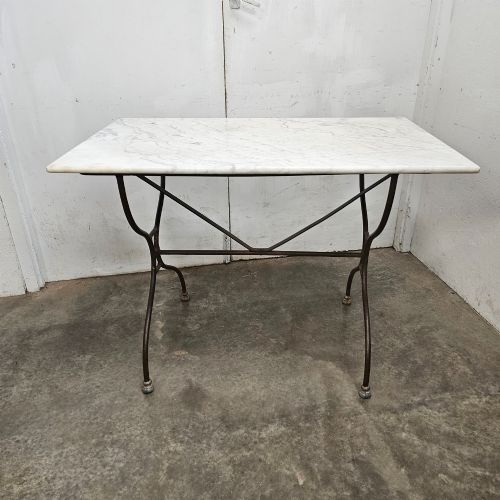
A French iron table brings robust metalwork and classic marble or wood surfaces together for everyday dining, coffee, and garden use.
French Iron Table
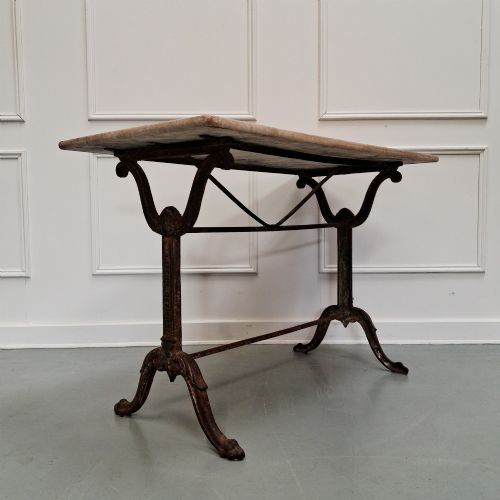
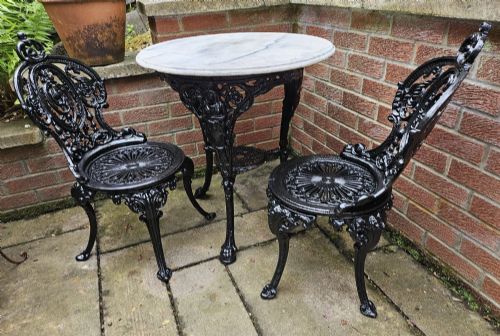
Originating across periods from the nineteenth century through the 1940s, these tables reflect diverse regional styles including French Country, Art Deco, French Bistro, French Provincial, and French Industrial designs. Pieces often combine durable metal bases with heavy stone or timber tops suited for interior and exterior placement.
How they were made
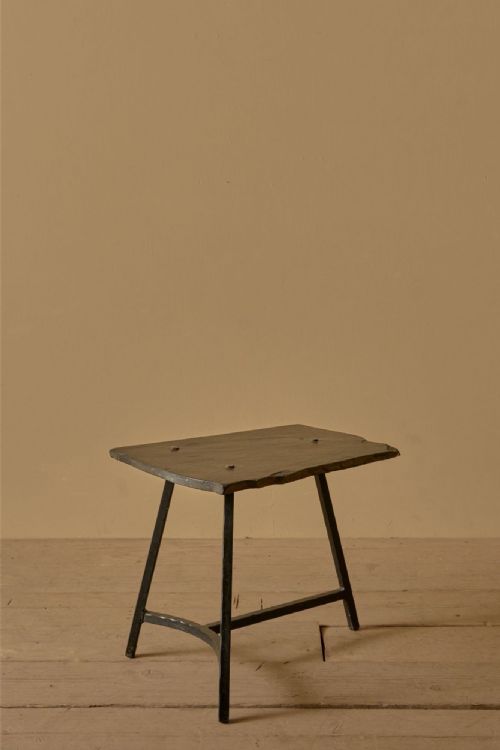
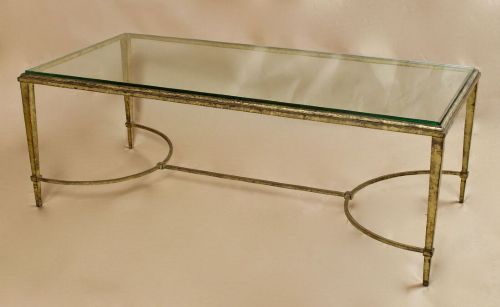
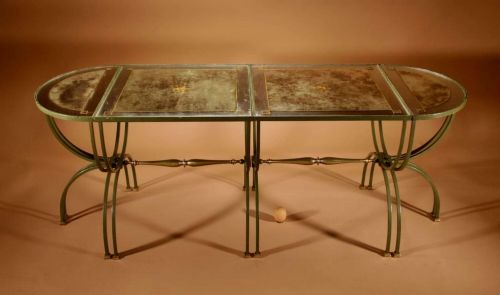
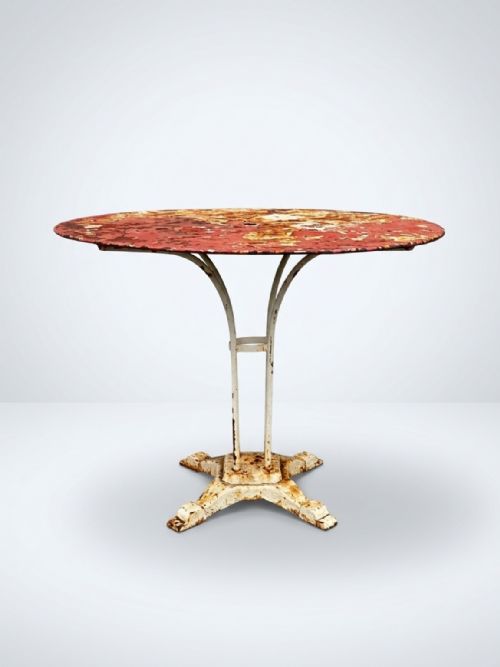
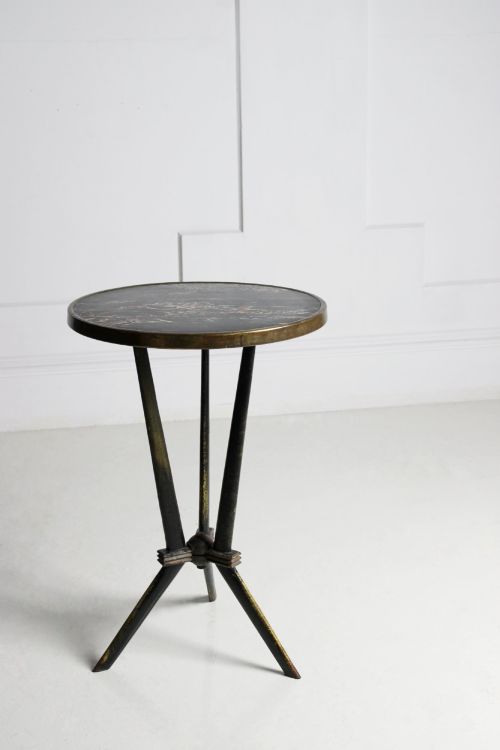
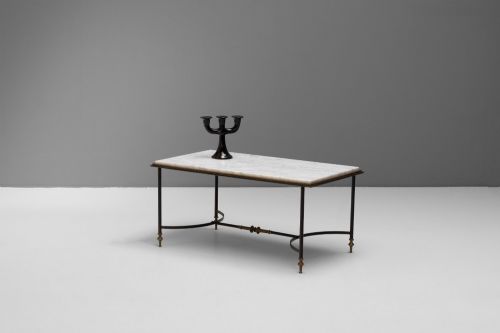
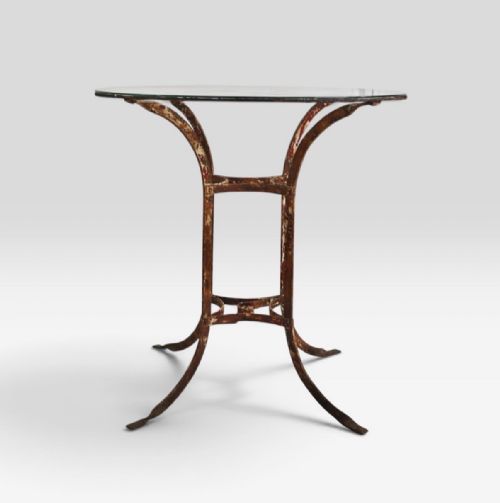
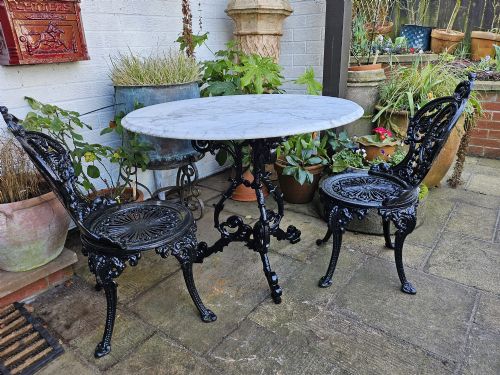
Makers utilised cast iron and wrought iron for sturdy structural bases, often pairing them with heavy marble, slate, zinc, or wood for table tops. Brass and glass components appear alongside painted and gilded finishes in decorative Art Deco and mid-century pieces.
Traditional construction methods join forged or cast metal supports directly to stone slabs, elm planks, or glass inserts. Surface treatments range from original painted patinas and gilded accents to natural weathering on outdoor garden furniture.
Some nineteenth-century tables carry the quiet scars of Parisian cafe life beneath their polished marble.
What varies in quality
Quality rests on the integrity of the metalwork and the grade of the fitted top, such as heavy serpentine marble or thick timber planks. Fine examples show crisp casting detail or hand-forged scrollwork rather than crude mass-produced joints.
The harmony between original bases and their matching surfaces dictates overall merit. Pieces retaining untouched painted finishes, original glass, or period stone tops stand distinctly apart from heavily altered examples.
Maison Ramsay·Lacroix·Lalique·Schneider
The French Iron Table Glossary
- Bistro Table
- A small cafe table featuring a cast or wrought iron base paired with a marble or wooden top. These tables were designed for commercial dining spaces and compact domestic interiors.
- Gueridon
- A small round occasional table supported by a central pillar or pedestal base. French examples often combine sturdy cast iron pedestals with marble tops.
- Console Table
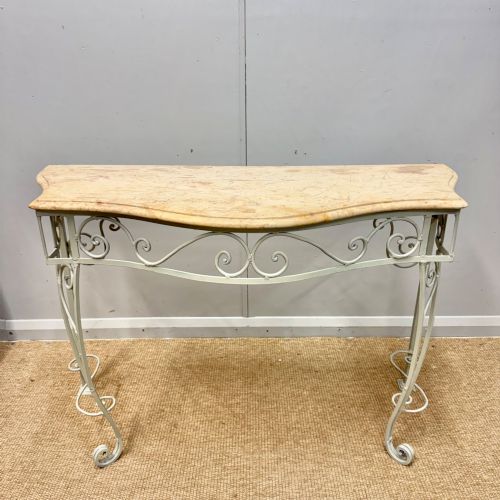
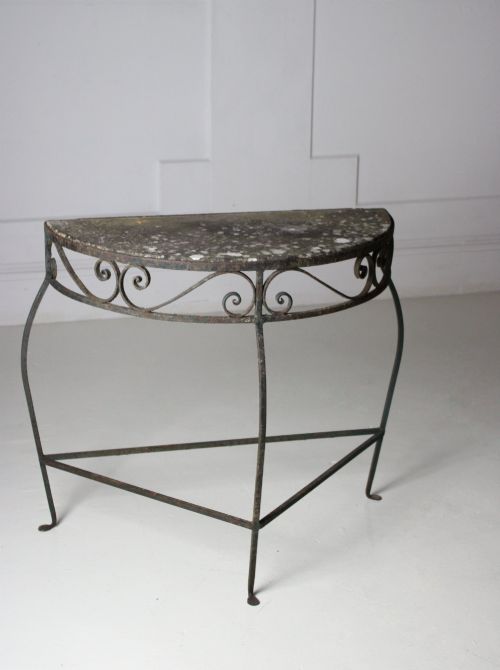
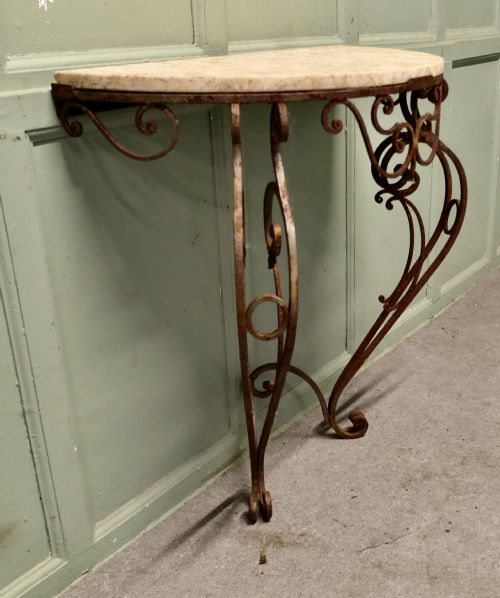
- A long, narrow table designed to stand flat against a wall, frequently topped with marble or slate. They appear across nineteenth-century and Edwardian French interiors.
- Wrought Iron
- Iron that is heated and hammered into shape by hand, resulting in fibrous, resilient structural components. This material allows for decorative scrolling and organic curves.
- Cast Iron
- Molten iron poured into a mould to create rigid, highly detailed bases and decorative mounts. It provides heavy, stable foundations for outdoor and cafe use.
French Iron Table: Frequently Asked Questions
Where were french iron tables used?
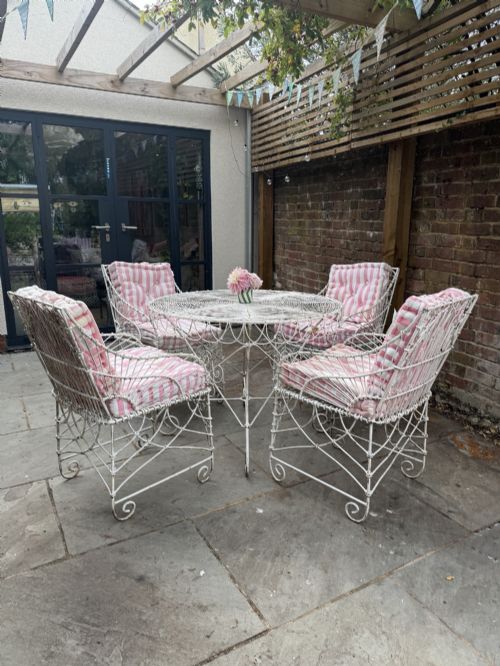
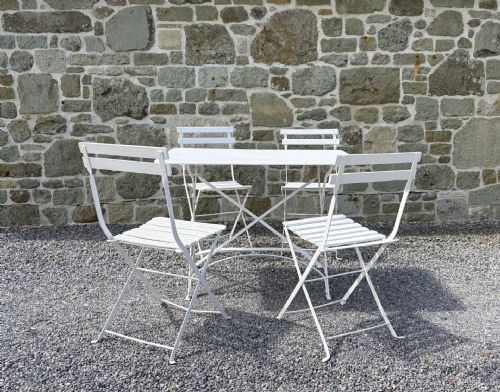
These tables served various functions across nineteenth and twentieth-century France, appearing primarily in cafes, bistros, gardens, and domestic hallways. Smaller formats suited crowded dining establishments, while robust iron and wire designs suited conservatory and outdoor settings.
Larger garden dining sets and workbenches accommodated outdoor work and gatherings. Console tables and side tables fulfilled decorative and functional roles inside French country houses and urban interiors.
How do I care for a marble top?
Marble surfaces require gentle cleaning with mild, non-acidic soap and water to protect the polished stone from staining and etching. Wiping up spills promptly prevents liquids from penetrating porous older stone.
Iron bases benefit from dry dusting and occasional light oiling if untreated, while painted finishes should avoid harsh chemical solvents. Keeping outdoor pieces sheltered during harsh winter months preserves both the metal and the stone.
Can these tables stay outside?
Many garden tables and bistro sets feature weather-resistant iron frames built for outdoor exposure. However, stone tops and painted surfaces respond best to being covered or stored during freezing winter conditions to prevent cracking.
Tables featuring delicate brass mounts, glass inserts, or indoor timber tops remain better suited for interior conservatory or kitchen placement.
How do I date a french iron table?
Dating relies on stylistic markers such as nineteenth-century casting techniques, Edwardian wirework patterns, or 1930s Art Deco geometric lines and glass integration. Heavier cast iron bases with green paint often point to late nineteenth-century manufacture.
Mid-century pieces introduce steel frames and slate alongside gilded wrought iron work. Examining construction joints, material combinations, and wear patterns clarifies the production era.