


French Hand Painted China
French hand painted china brings brilliant colours and intricate floral designs directly into your home through antique porcelain and decorative display furniture.
French Hand Painted China
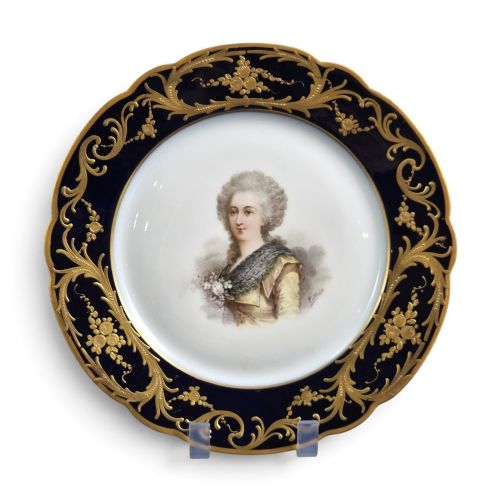
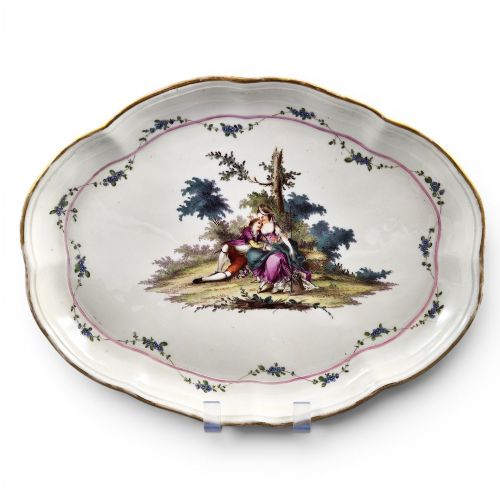
When you search for French hand painted china, you encounter a refined selection of porcelain plates, bowls, tea sets, and decorative cabinets designed to showcase them. These items span the eighteenth and nineteenth centuries, capturing periods from Georgian elegance to Victorian revival styles.
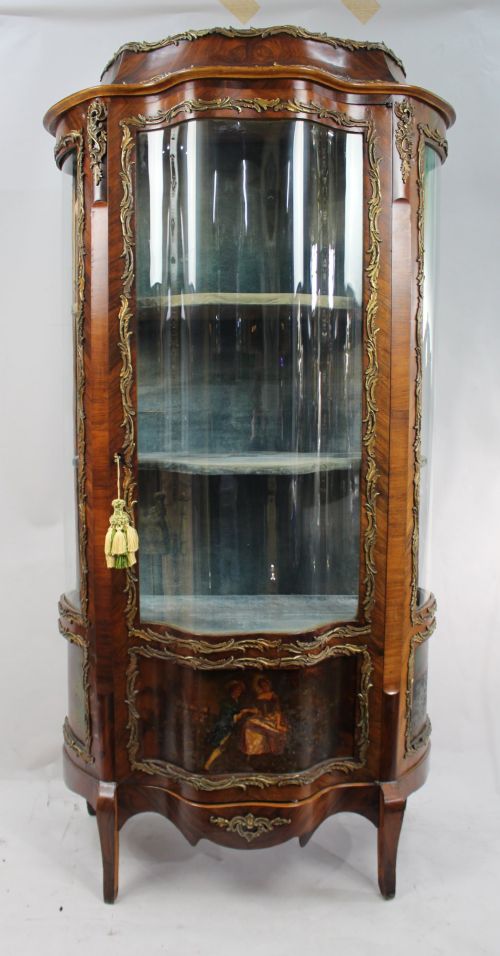
Cabinet plates and porcelain bowls form the core of the current offerings, alongside larger display furniture like kingwood vitrines and serpentine display cabinets. Soft-paste porcelain and hard-paste varieties both appear, often featuring delicate floral motifs or historical portraits executed by hand.
Origins range across renowned French production centres, including Sèvres, Chantilly, and Marseille, alongside Paris workshops. Pieces such as Old Paris vases and Samson bowls reflect these varied traditions, offering both direct historical pedigree and nineteenth-century interpretations of earlier aesthetics.
Materials and Techniques
Potters utilised fine ceramic compositions including soft-paste and hard-paste porcelain, shaping them into plates, bowls, and vases before applying detailed hand-painted designs. Enamel colours and gold leaf accents were layered onto the fired ceramic surfaces to create rich, luminous finishes.
Display furniture housing these ceramics combines structural timbers like kingwood and mahogany with intricate decorative elements. Gilt bronze mounts, marble tops, and painted panels complete pieces such as vitrines and display cabinets.
Even tiny porcelain bowls feature painted pheasants peering out from hidden floral corners.
Evaluating Quality
Quality rests upon the precision and delicacy of the hand-painted brushwork, where finely rendered floral motifs and crisp portrait details distinguish superior examples. The execution of gilt highlights and the clarity of the underlying porcelain body further separate standard items from exceptional ones.
In cabinetry, the integration of materials dictates distinction, visible in the careful matching of kingwood veneers, the crispness of gilt bronze mounts, and the polish of marble tops. The harmony between the display case and the porcelain contents elevates the overall standard of the pieces.
Joseph Gaspard Robert·Pucher Deroche·Jacob Petit·Samson Of Paris
The French Hand Painted China Glossary
- Soft-paste porcelain
- A glassy ceramic material fired at lower temperatures than hard-paste porcelain, common in eighteenth-century French manufacture. It possesses a warm tone and a distinctive texture beneath the glaze.
- Gilt bronze
- An ornamental metal mount finished with a layer of gold, frequently used to decorate eighteenth and nineteenth-century French furniture. It adds bright metallic contrast to timber surfaces.
- Vitrine
- A glass-fronted display cabinet designed for showcasing porcelain and decorative objects. These cases protect delicate ceramics while offering a clear view from multiple angles.
- Kingwood
- A dense, richly figured tropical timber utilised in high-end French cabinet making. Its dark grain patterns provide a sophisticated background for gilt mounts and painted panels.
- Vernis Martin
- A specialised nineteenth-century European lacquer technique mimicking Asian lacquerwork. It produces glossy, translucent surfaces decorated with pastoral or floral scenes.
French Hand Painted China: Frequently Asked Questions
How do I display antique porcelain plates safely?
Antique porcelain plates require secure wall hangers designed specifically for ceramics or dedicated plate stands within a closed cabinet. Avoid areas exposed to direct sunlight or fluctuating temperatures to preserve the hand-painted enamel.
Enclosed vitrines and display cabinets provide an ideal environment by protecting fragile surfaces from dust and accidental knocks while keeping the collection fully visible.
What is the difference between soft-paste and hard-paste porcelain?
Soft-paste porcelain contains glass frit and white clay, fired at lower temperatures to produce a slightly softer body with a warm glaze. Hard-paste porcelain uses kaolin and petuntse, fired at much higher temperatures for a tougher, whiter finish.
Both types support intricate hand-painted designs, though eighteenth-century French pieces frequently utilise the softer composition before hard-paste became dominant.
Can I use antique French tea sets for serving?
Antique tea sets from the eighteenth and nineteenth centuries are generally intended for display rather than daily dining use. The delicate glazes and gold leaf decorations can wear away with frequent washing and hot liquids.
Enjoying these sets visually within a cabinet or on a decorative tray preserves their hand-painted details for the future.