



French Hall Stand
A french hall stand brings immediate architectural presence and daily practicality to an entrance, holding coats, hats, and sticks with continental flair.
French Hall Stand
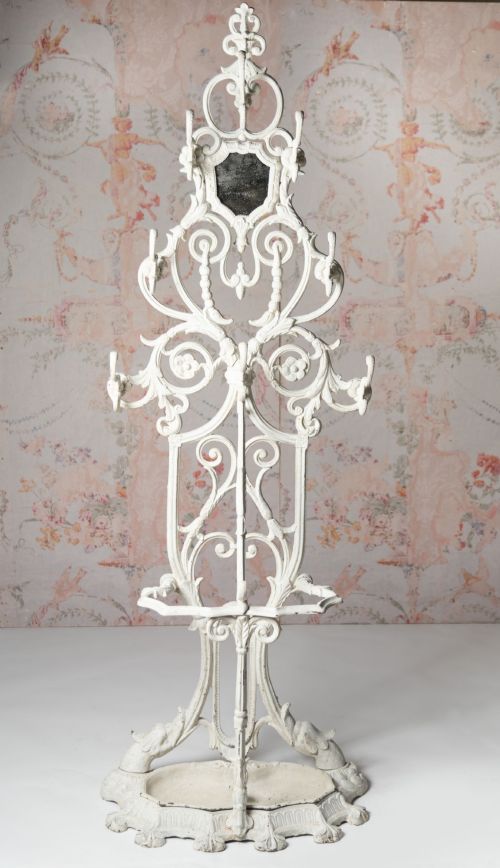
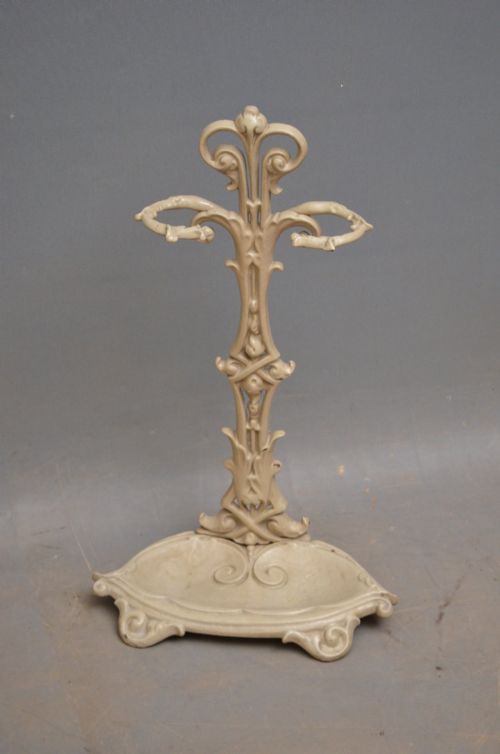
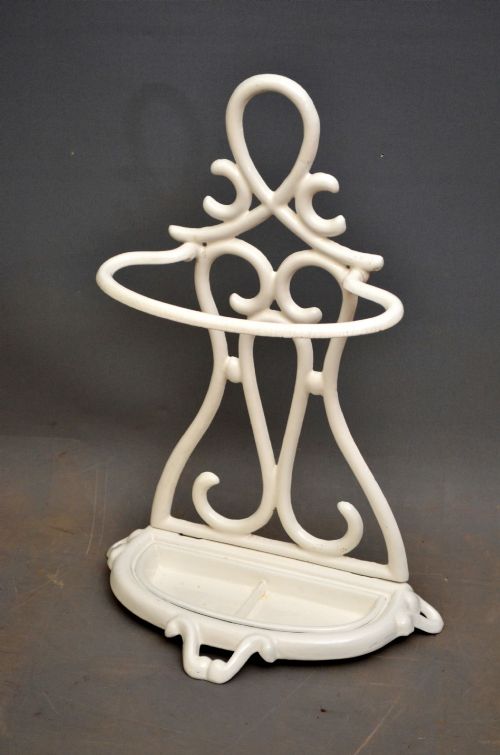
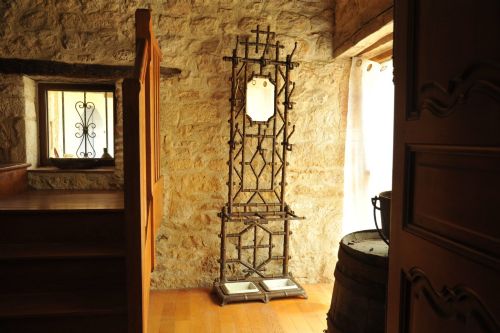
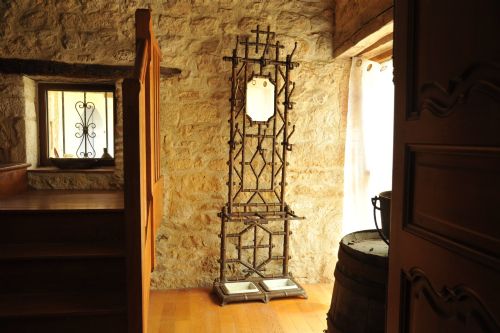
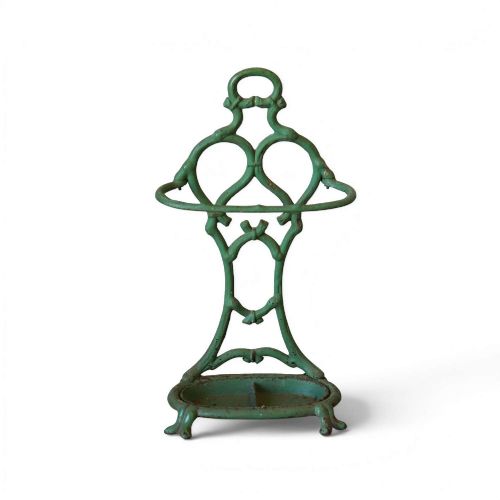
A french hall stand serves as a combined furniture piece for the entrance of a home, typically incorporating hooks for garments, a shelf or mirror, and a base for umbrellas or walking sticks.
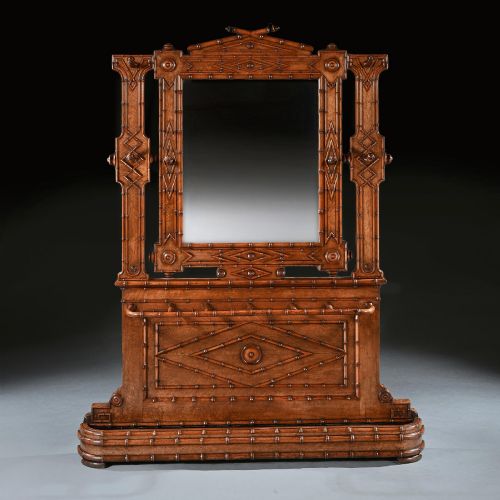
You are most likely to meet cast iron examples from the late nineteenth century alongside wood and faux bamboo versions reflecting the Aesthetic Movement or Art Nouveau period.
The selections span from the 1870s through the 1930s, encompassing walnut, oak, fruitwood, and wrought iron variations built for hallway utility.
Materials and Construction
Foundry work dominates the metal pieces, utilising cast iron and wrought iron shaped into faux bamboo or botanical Art Nouveau motifs, sometimes paired with white enamel finishes.
Wood constructions employ walnut, birdseye maple, fruitwood, and oak, frequently shaped to mimic natural bamboo or carved with traditional details.
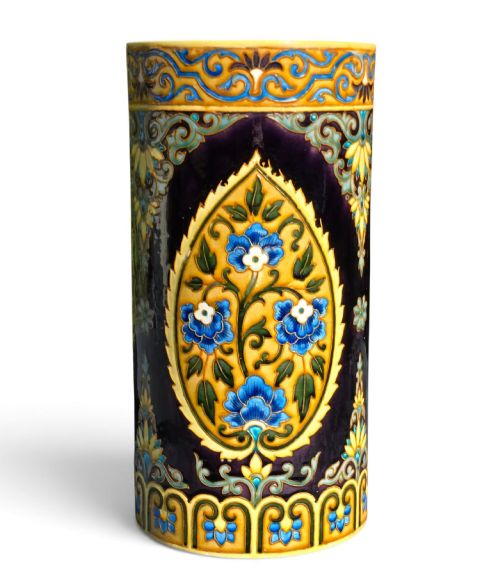
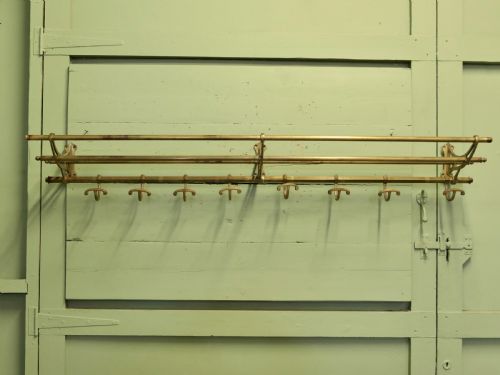
Secondary elements include marble tops, mirrored plates, brass hooks, and ceramic components like Iznik-revival panels.
French Hall Stand Retail Price Guide 2026
Typical asking prices for french hall stand among the pieces listed under this phrase on Sellingantiques today, from the lower quarter to the upper quarter. They describe what is for sale here now, not the wider market.
One unusual late nineteenth-century piece is formed entirely as three crossed halberd pikes to hold hats, coats, and sticks.
Judging Quality
Quality rests in the crispness of the casting on iron frames and the depth of carving on wooden examples, where refined detailing elevates the piece beyond mere utility.
Original components dictate value, meaning stands retaining their original mirror plates, drip trays, and matching brass hooks hold greater integrity.
Maker marks, such as those from documented foundries, separate standard commercial pieces from workshop productions of notable distinction.
Corneau Freres Charleville·Théodore Deck
The French Hall Stand Glossary
- Portmanteau
- A combined hall piece featuring hooks, a mirror, and umbrella storage. It serves as a comprehensive furniture item for greeting guests.
- Faux bamboo
- Wood or iron carved and painted to resemble natural bamboo shoots. This technique gained immense popularity during the Aesthetic Movement.
- Iznik-revival
- Ceramic work emulating traditional Turkish pottery styles with floral motifs and rich glazes. It appears on select umbrella stands.
- Faux bois
- A technique where metal or wood is finished to imitate the grain and texture of real timber. It frequently appears on nineteenth-century ironwork.
- Aesthetic Period
- A late nineteenth-century movement prioritising beauty and artistic design over narrative or moral function. It produced distinctive Japanese-influenced pieces.
French Hall Stand: Frequently Asked Questions
What is a french hall stand used for?
These furnishings organise an entrance hall by providing dedicated space for hanging coats and hats alongside resting wet umbrellas.
They combine multiple storage requirements into a single compact architectural footprint.
How do I tell cast iron from wood?
Cast iron examples feature moulded textures such as faux bamboo or floral motifs produced in foundries, often retaining a heavier weight and metallic feel.
Wooden versions utilise timber species like walnut, oak, or fruitwood with traditional joinery and carved surfaces.
Where should I place it?
Position the piece directly against a solid wall in an entrance lobby or narrow hallway to support daily garments and accessories.
Ensure adequate clearance allows the use of built-in mirrors and umbrella trays without blocking doorways.
How do I clean the metal parts?
Dust cast iron and brass components gently with a dry microfibre cloth to preserve original painted or patinated surfaces.
Avoid abrasive chemical cleaners that might strip historical enamel or protective wax layers.