
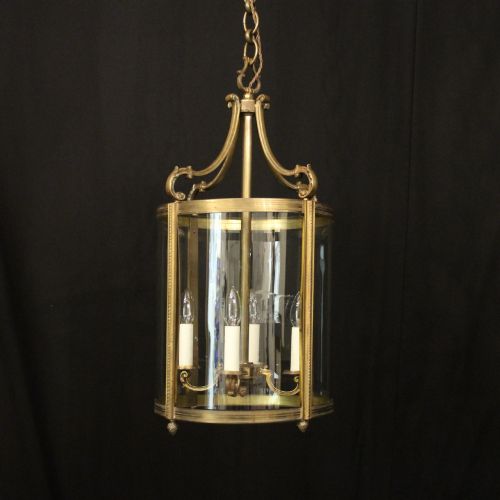
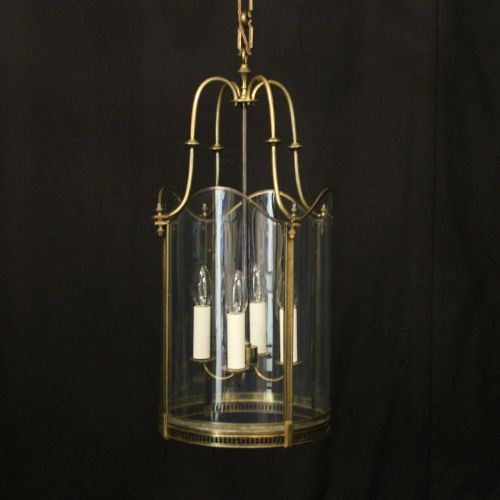
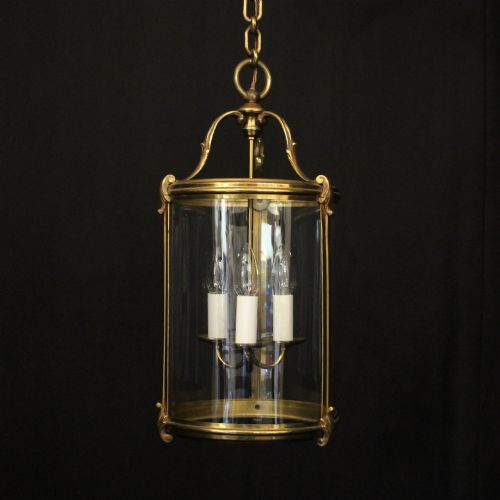
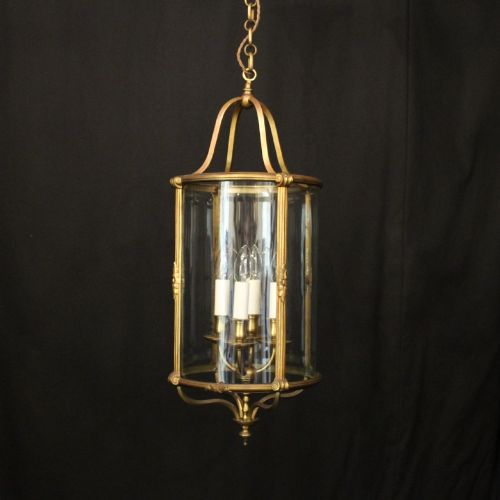
French Hall Pendant Light
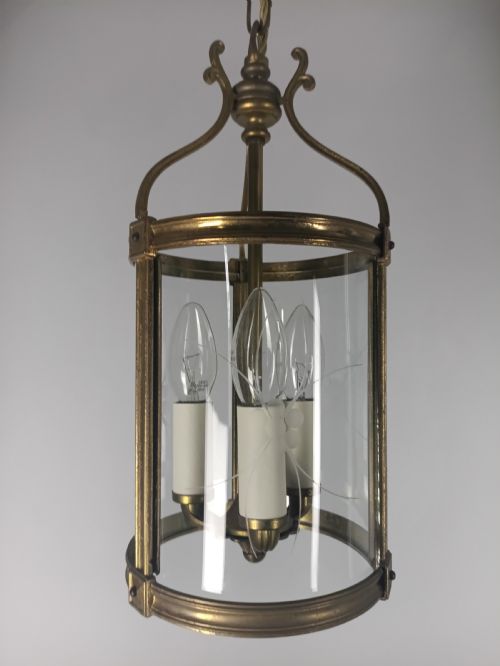
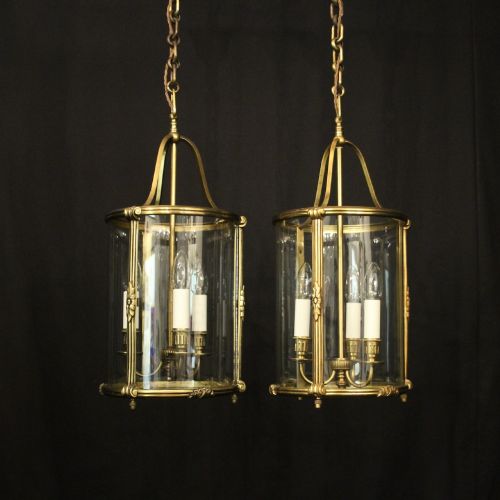
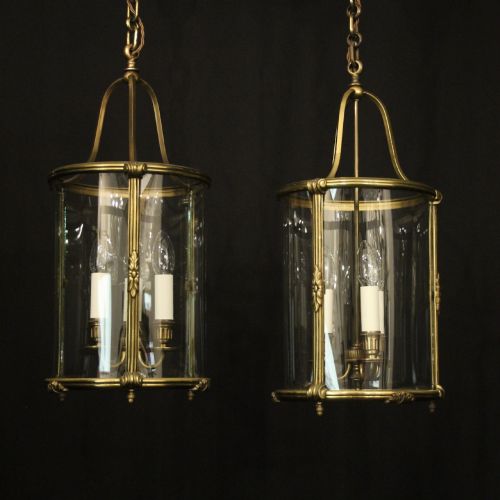
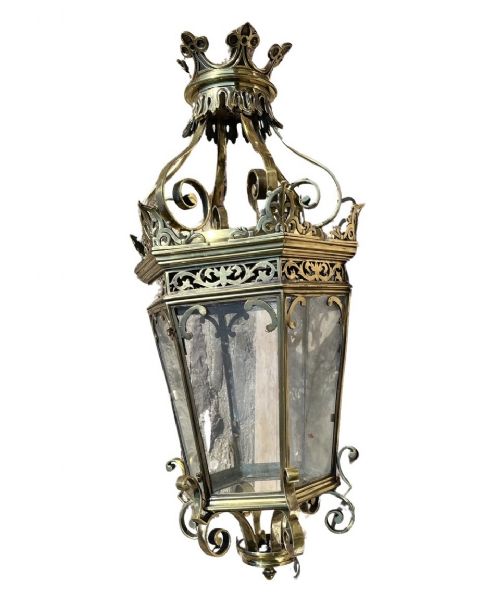
These french hall pendant light fixtures bring striking metalwork and glass to entranceways, shaped by decades of continental design.
French Hall Pendant Light
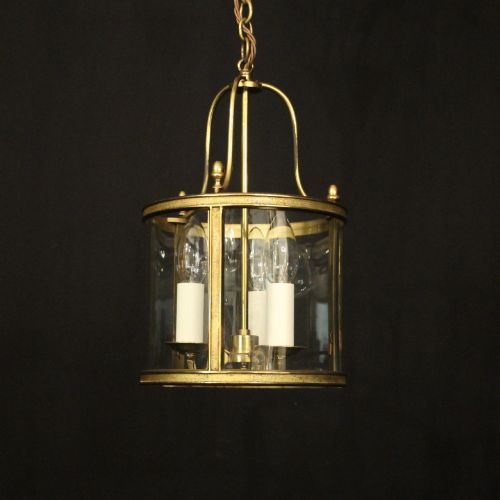
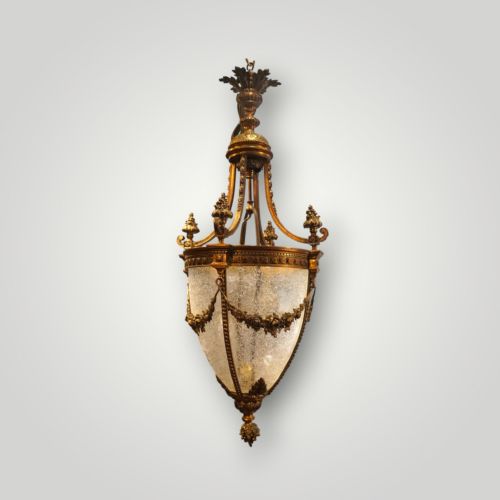
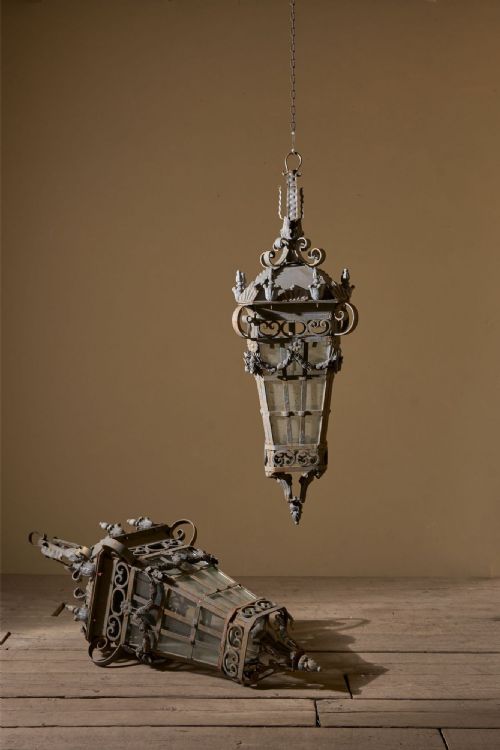
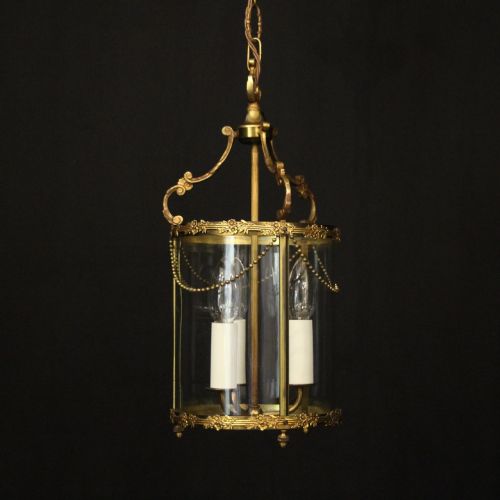
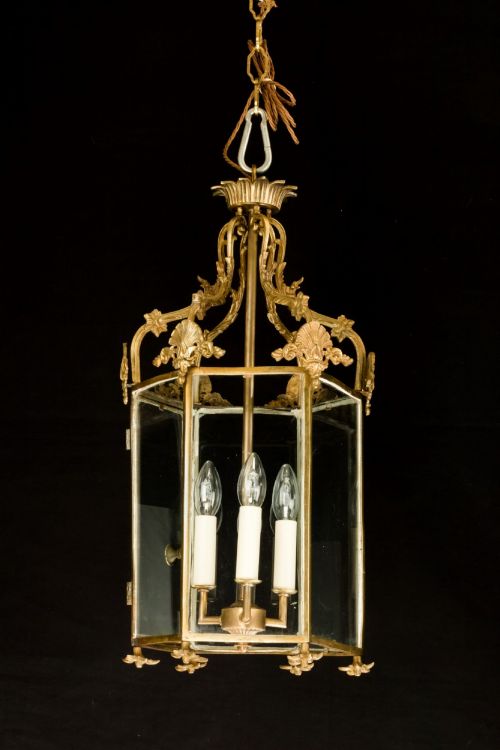
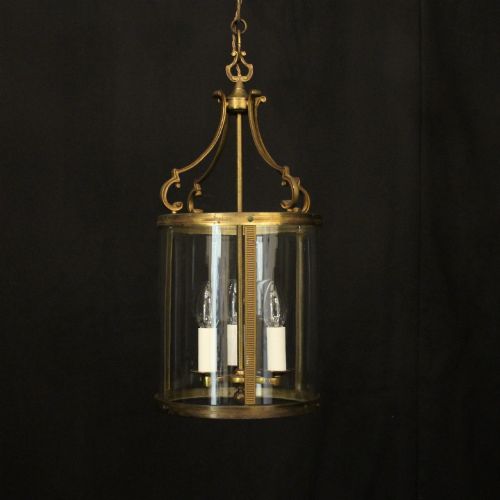
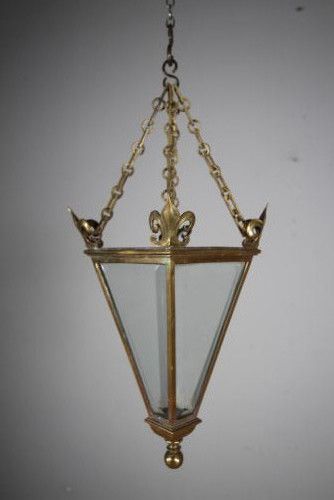
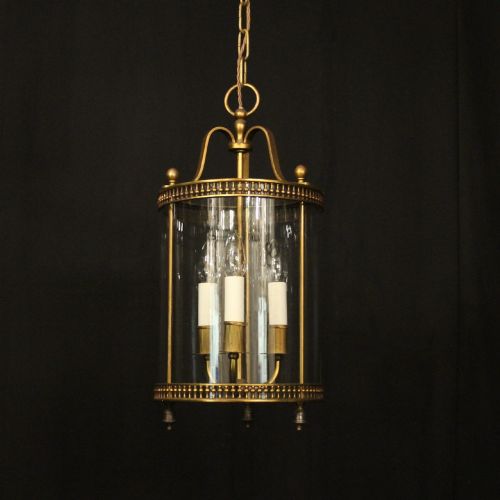
A french hall pendant light delivers downward illumination in corridors and entrance spaces using enclosed glass panels held within rigid metal frames. These fixtures take the form of hanging lanterns, ceiling lights, and pendant lanterns designed to command attention from above.
The pieces appearing most frequently across this selection date from the early decades of the twentieth century, particularly the nineteen-twenties and nineteen-thirties, alongside examples stretching back through the nineteenth century and the Victorian era.
Makers and designers from this tradition drew upon stylistic influences such as French chateau, neoclassical, rococo, and gothic revival aesthetics to create grand hanging lights for domestic interiors.
How they were made
Craftsmen built these lanterns using durable metals including brass, bronze, gilt bronze, and wrought iron to form the structural cage and decorative mounts. These structural elements frequently received a gilt or silvered finish to enhance their visual weight and catch ambient light.
Transparent enclosures incorporated heavy glass panels, which were sometimes etched, convex, bevelled, or moulded to diffuse the internal bulb illumination. Master metalworkers joined these components using mechanical fixings and soldering, integrating doors to allow access for maintenance.
Materials documented across these listings include brass, gilt bronze, wrought iron, and opaline glass.
What varies in quality
The calibre of a fixture rests upon the density of the metal casting and the crispness of applied chisel work on bronze and brass mounts. Superior examples display intricate detailing in their scrolling foliage and structural frames rather than flat, simplified profiles.
Glass selection divides standard production from exceptional work, with heavy bevelled or convex panes representing a higher standard of manufacture than plain flat glass. The integration of multi-light internal clusters and original surface gilding further distinguishes finer lighting pieces.
Perry And Co
The French Hall Pendant Light Glossary
- Convex glass
- Curved glass panels that project outward to give the lantern body a rounded profile. This technique distorts reflections and softens the light output.
- Gilt bronze
- Bronze metal treated with a thin layer of gold leaf or a mercury gilding process. This finish provides a warm, reflective surface that resists tarnishing.
- Hall lantern
- An enclosed hanging light fixture specifically proportioned for narrow corridors and entrance halls. They combine structural metal framing with protective glass sides.
- Bevelled glass
- Glass panes featuring angled, polished edges that refract light into prismatic colours. This treatment adds depth and decorative brilliance to the lantern enclosure.
French Hall Pendant Light: Frequently Asked Questions
How do I hang a hall lantern?
These fixtures suspend from ceilings using matching metal chains and matching ceiling roses secured to structural joists.
Weight considerations dictate that heavier bronze and iron examples require direct fixing into ceiling timbers rather than plasterboard.
Can these antique lights use modern bulbs?
Most surviving fixtures retain standard internal lamp holders that accept modern LED or incandescent screw-in bulbs.
Wiring updates are typically performed by electricians to ensure safety while preserving the historic metal frame.
Where should I place a pendant lantern?
Entrance halls, stairwells, and high-ceilinged vestibules provide the ideal vertical clearance for hanging these substantial fixtures.
They serve as focal points that draw the eye upward while providing functional illumination for transitional spaces.
How do I identify a nineteenth-century piece?
Early examples often display heavier cast bronze construction, hand-filed joints, and distinct patination acquired over generations.
Stylistic cues such as neoclassical proportions or gothic revival ironwork point toward the earlier nineteenth-century periods.