




French Glazed Curio Case
A french glazed curio case brings together delicate glass, gleaming ormolu, and fine timber to show off small treasures.
French Glazed Curio Case
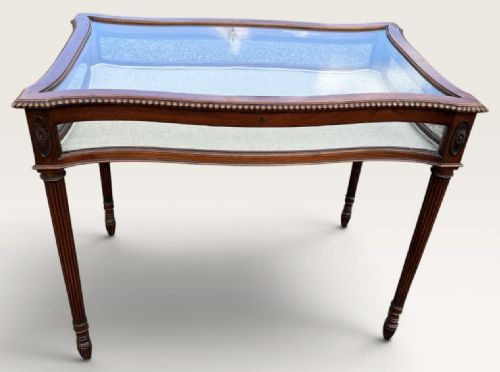
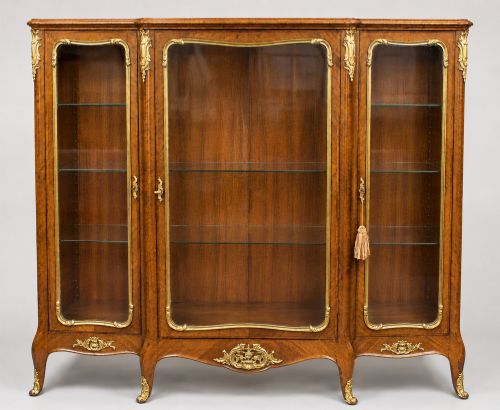
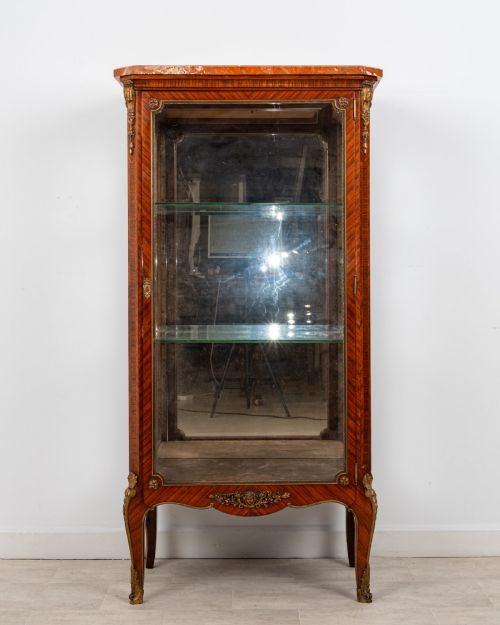
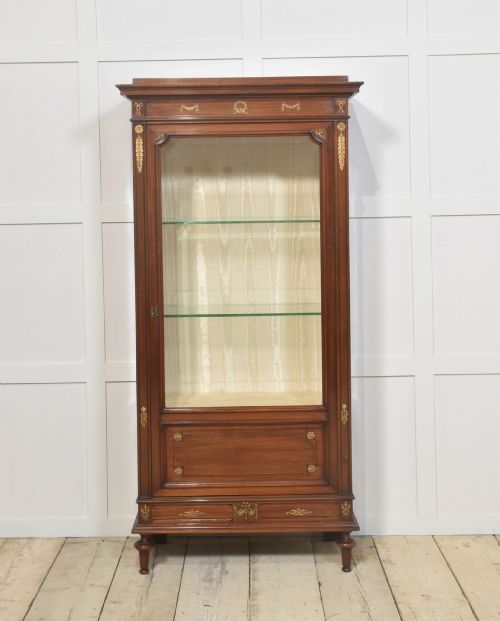
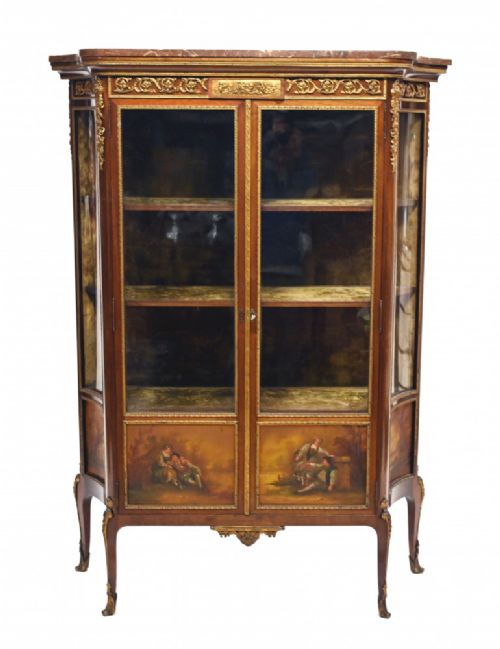
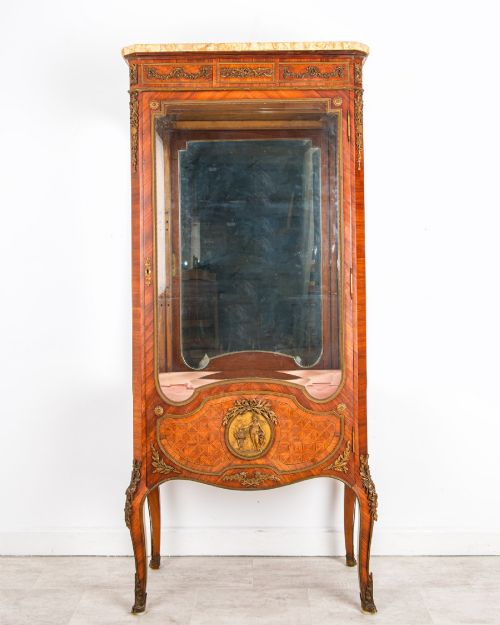
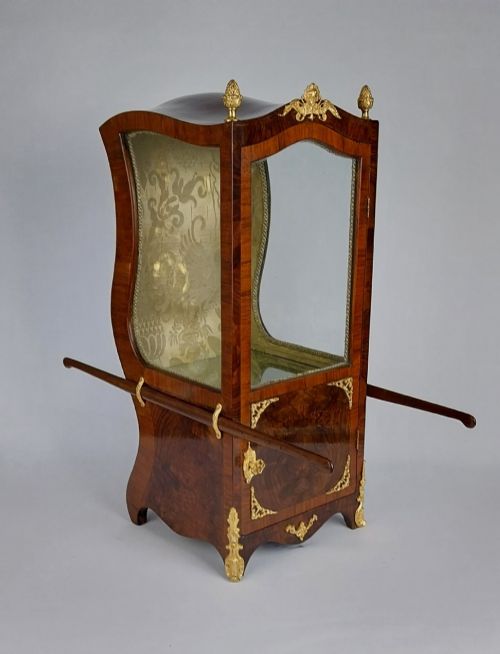
A french glazed curio case acts as a display cabinet, vitrine, or bijouterie table designed to hold and protect collections behind glass. These pieces originate primarily from the nineteenth century and the Edwardian era, spanning styles such as Louis XV Revival, Louis XVI Style, and French Rococo.
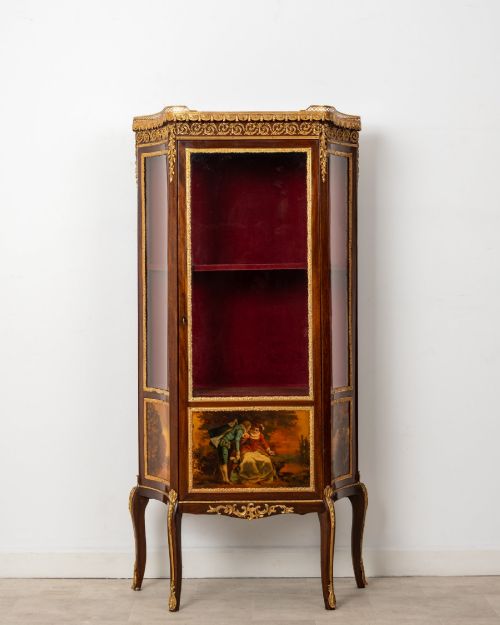
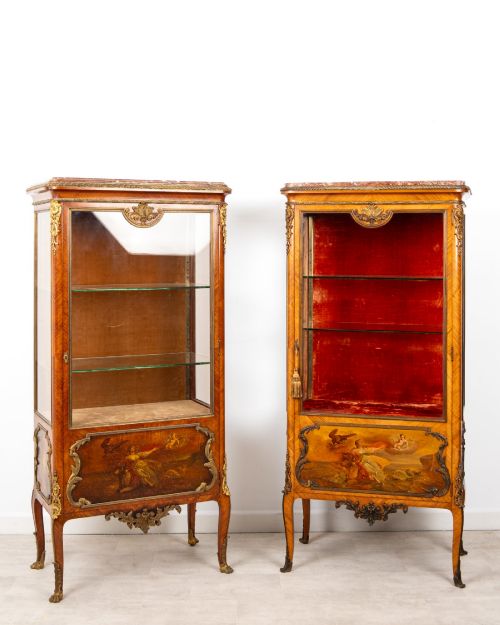
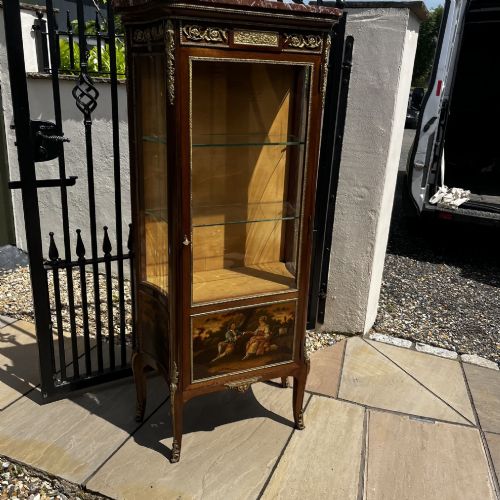
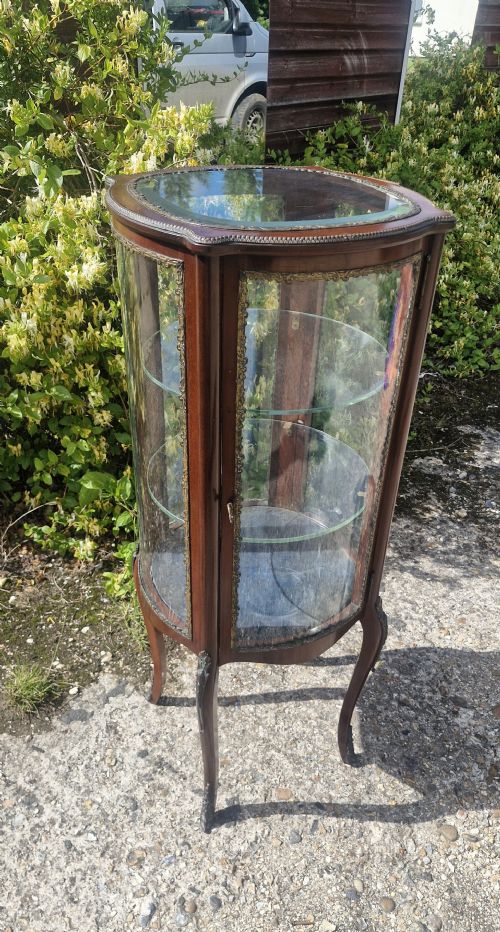
The most common forms on this page include freestanding vitrines with serpentine or rectilinear fronts, wall-hanging cabinets, and table-top display cases. Many incorporate marble tops, glazed sides, and dedicated lower panels painted in the Vernis Martin style.
Makers and workshops of the period produced these cases for drawing rooms and boudoirs to exhibit porcelain, medals, and small objets d'art. The survival of original glass panels and internal fabric linings determines much of their character today.
How They Were Made
Cabinetmakers constructed the carcass of a french glazed curio case using dense hardwoods like mahogany, walnut, and rosewood, frequently veneered in figured kingwood with intricate parquetry or marquetry. Ormolu, gilt bronze, and gilt metal mounts were cast and chased to frame the glass doors, corners, and legs.
Painted decoration executed in the Vernis Martin technique adorned the lower panels with pastoral scenes or floral motifs. Marble tops, often shaped with serpentine edges, added weight and a finished surface to the top of the cabinet.
Listings feature 19th-century and Edwardian pieces, dominated by kingwood, mahogany, and walnut combined with ormolu mounts.
What Varies in Quality
The precision of the ormolu mounts separates standard cabinetwork from exhibition-grade pieces, as finely chased and fire-gilded bronze displays crisp detail and secure fitting. The selection of timber veneers, such as richly figured kingwood arranged in symmetrical parquetry patterns, marks the distinction between workshop production and master maker output.
The integration of hand-painted Vernis Martin panels and the complexity of curved glass panes, particularly on serpentine-fronted cabinets, indicate the level of craftsmanship invested in the construction. Signed pieces by makers like François Linke or G. Durand carry distinct evidence of workshop provenance that elevates the status of the furniture.
François Linke·G. Durand·Paul Somani·Gouffel
The French Glazed Curio Case Glossary
- Ormolu
- Gilded bronze mounts applied to furniture for decorative effect. This technique involves coating cast bronze with a mercury and gold amalgam and heating it.
- Vernis Martin
- A simulated Japanese lacquer developed by the Martin brothers in eighteenth-century France. Cabinetmakers later revived the technique to adorn panel doors on display cabinets.
- Vitrine
- A glass-fronted cabinet designed for displaying fine china, curiosities, or books. The word derives from the French term for glass.
- Bijouterie table
- A glass-topped display table used for holding jewellery, miniatures, and small trinkets. These pieces often feature hinged lids lined with velvet or silk.
- Parquetry
- Geometric patterns formed by small pieces of veneered wood fitted together on a surface. It differs from marquetry by using strictly geometric shapes.
French Glazed Curio Case: Frequently Asked Questions
What is a french glazed curio case used for?
These cabinets were historically placed in formal reception rooms to display precious porcelain, ivory carvings, and small collectibles. The glazed panels and glass shelves allowed light to reach the objects from multiple angles while protecting them from dust.
Today, they serve the same purpose in modern interiors, offering an enclosed space to curate and exhibit personal collections of antiques and curiosities.
How do I date a nineteenth century vitrine?
Dating involves examining the construction methods, wood types, and decorative styles characteristic of the period. Pieces from the mid to late nineteenth century frequently display revival styles such as Louis XV and Louis XVI alongside ormolu mounts and kingwood veneers.
Makers' signatures stamped onto the bronze mounts or timber carcass provide a precise attribution, while secondary woods and screw types offer further chronological clues.
How do I clean and maintain the wood?
Maintenance requires gentle dusting with a soft, dry cloth to prevent accumulation on the carved surfaces and ormolu mounts. Avoid modern silicone polishes, as they build up over time and attract dirt to the veneer and marquetry.
Apply a microcrystalline wax sparingly once or twice a year to nourish the timber and protect the French polish finish without harming the antique surface.
Can these cabinets support heavy items?
Most antique vitrines feature glass shelves or thin wooden tiers intended for lightweight decorative objects rather than heavy ceramic or metal collections. Overloading the shelves risks bowing the glass or straining the internal supports.
Distribution of weight and careful placement of lighter pieces near the centre ensure the structural integrity of the cabinet remains undisturbed.