

French Glass Chandelier
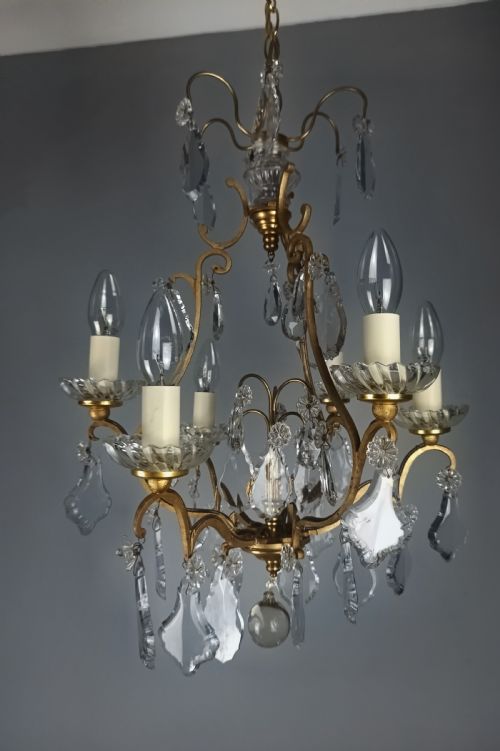
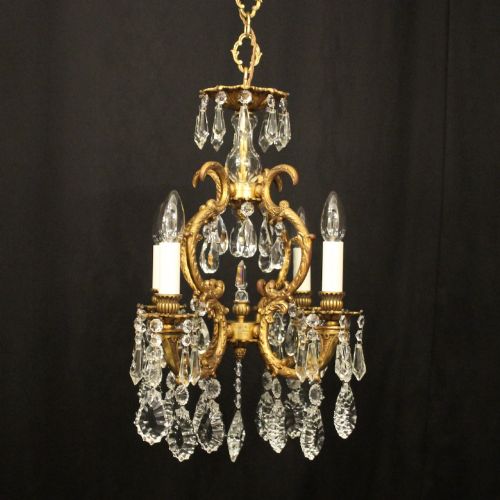
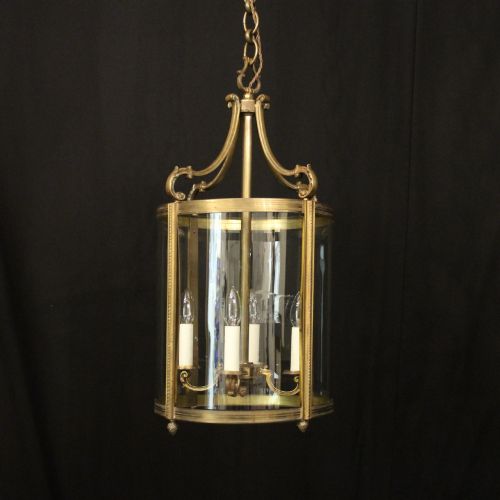
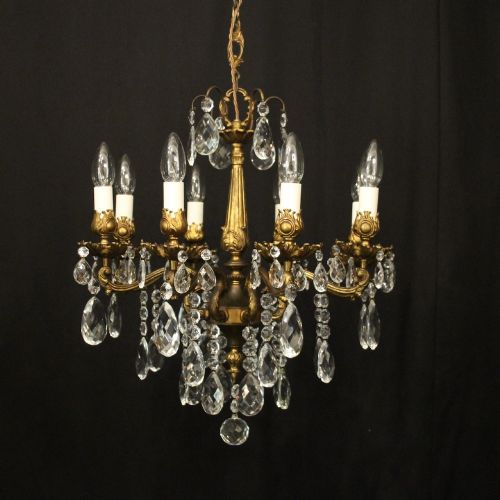
When you search for a french glass chandelier, you are looking at magnificent suspended light fixtures that combine decorative metal frames with crystal glass droplets to refract light brilliantly.
French Glass Chandelier
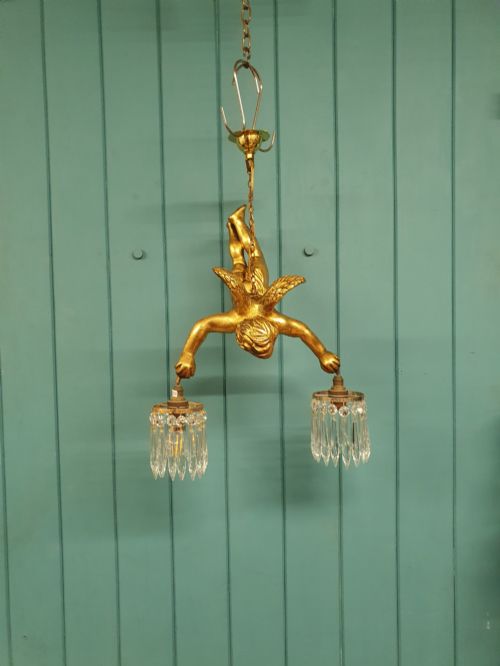
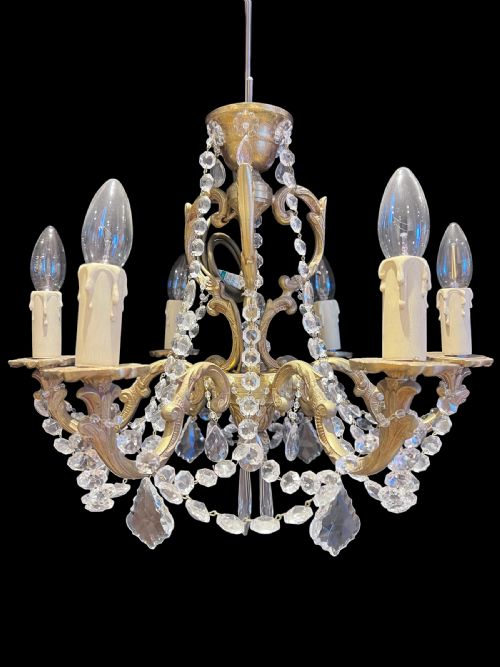
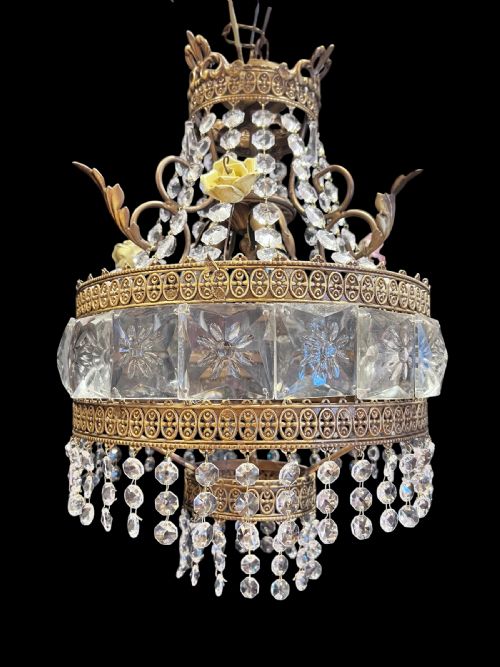
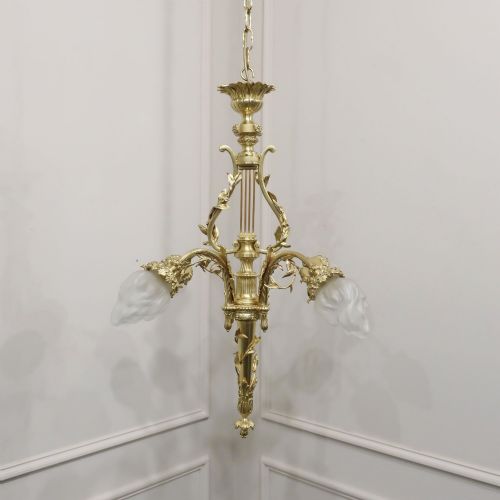
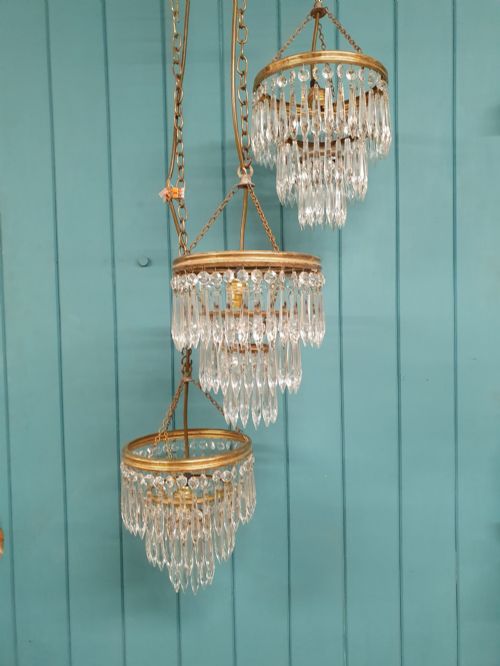
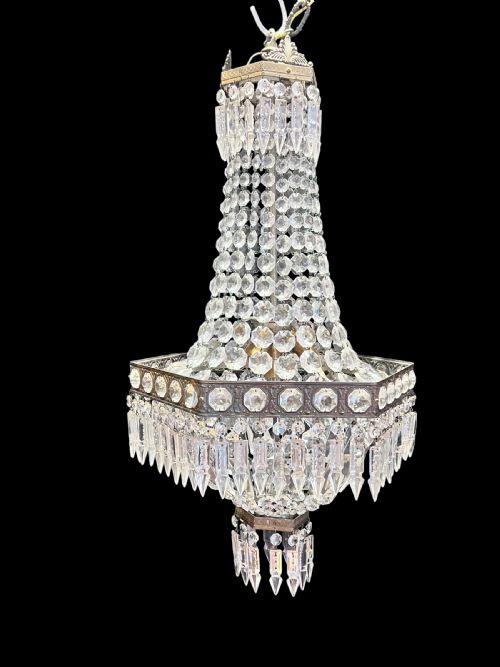
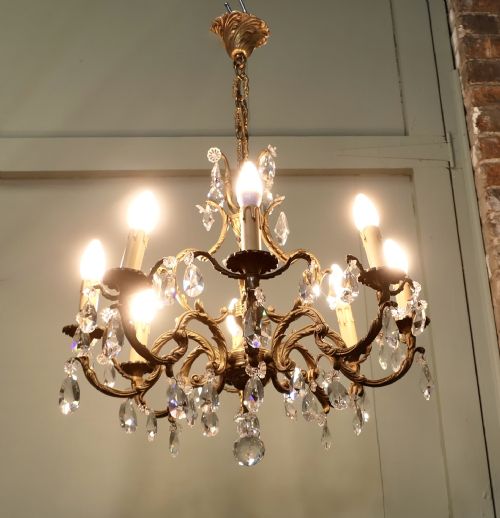
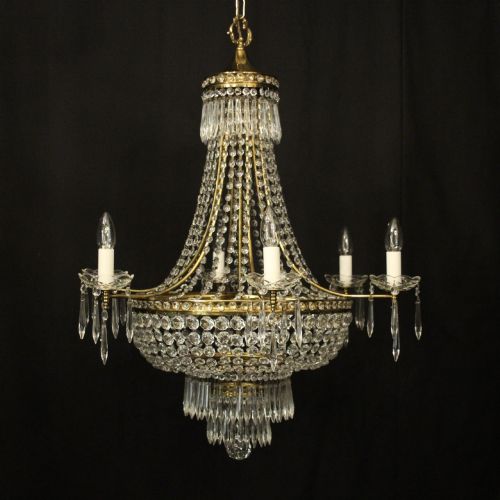
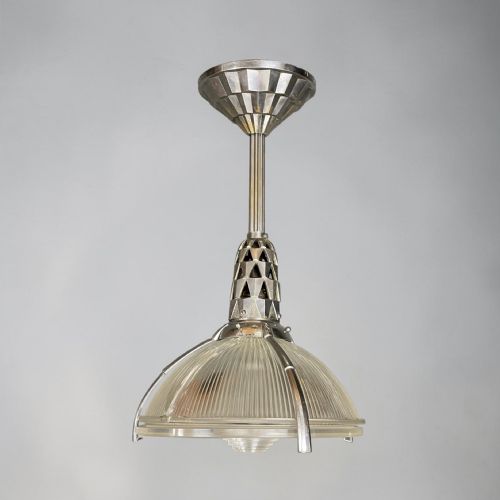
Buyers will encounter many examples utilising traditional configurations such as the tent and waterfall arrangement, where strings of crystal beads drape from an upper crown to a central ring. Other common forms include cage chandeliers and single-light pendants featuring etched or coloured glass globes.
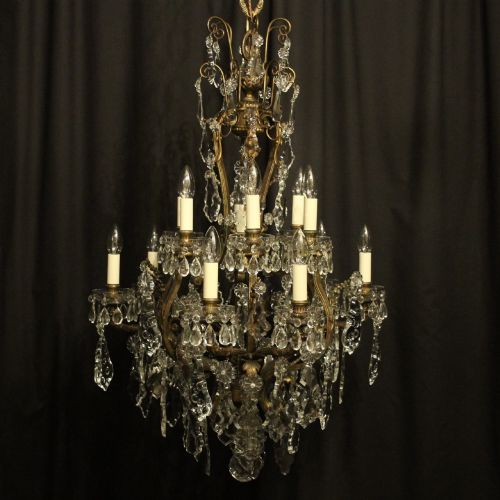
The materials span clear cut crystal, brass, gilt bronze, and wrought metal frames that support abundant glass drops, icicles, and lustres. These fixtures range from intimate single-light hallway pieces to large ballroom installations carrying over a dozen lights.
Materials and Construction Techniques
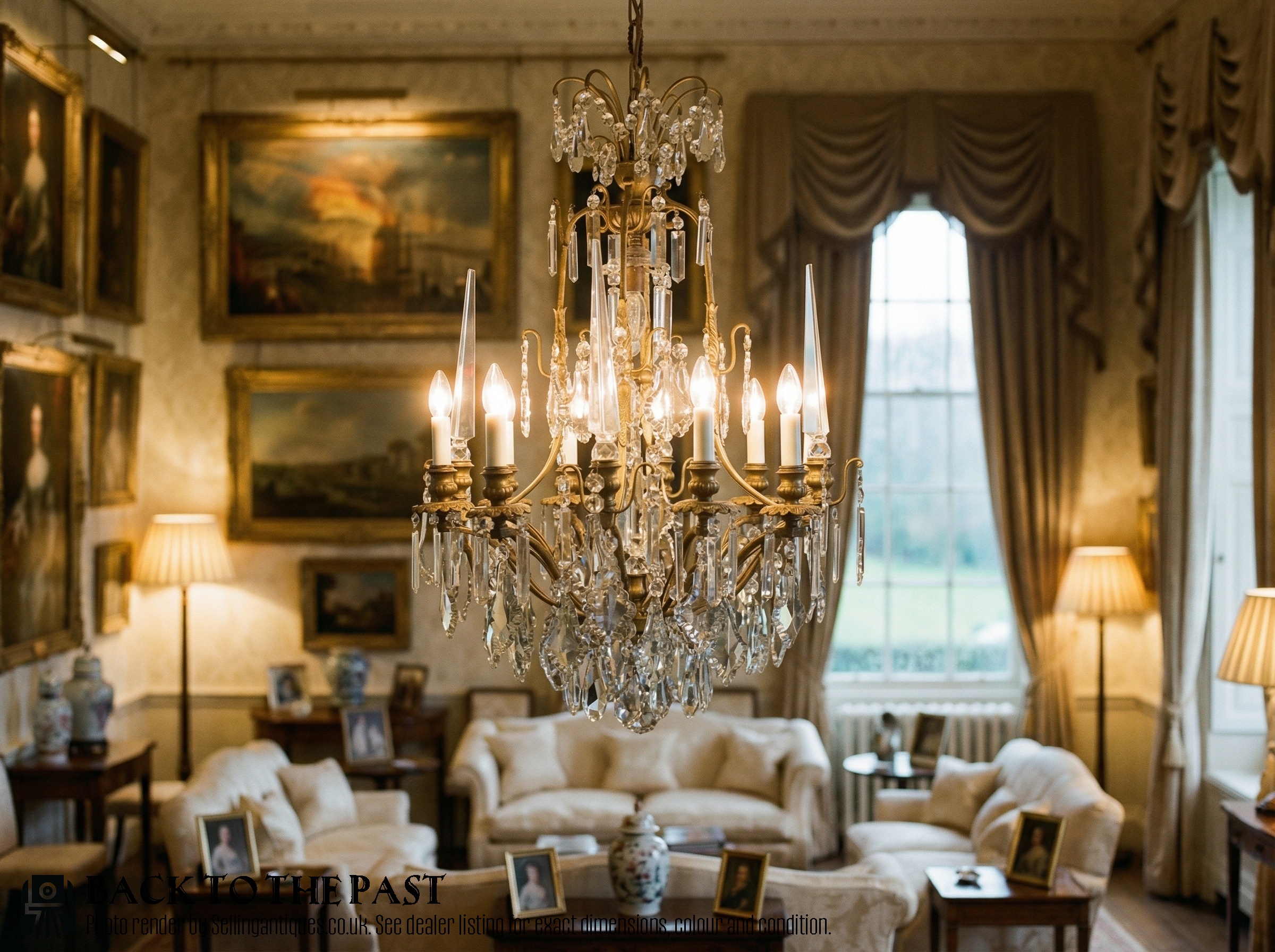
Makers constructed the primary framework of a french glass chandelier using cast brass, ormolu, or gilt bronze, assembling the metal arms and hoops to support the weight of numerous glass elements. These structural skeletons often incorporated decorative brass stampings, foliage motifs, or cast spelter figures.
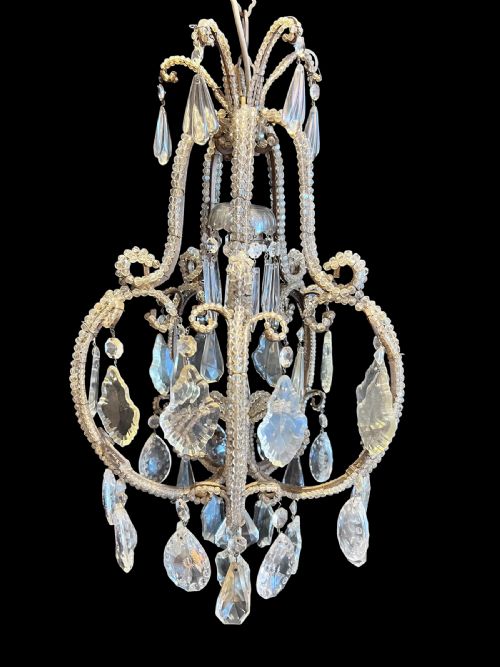
Glass components were individually hand-cut, moulded, or blown, then faceted to maximise light refraction from internal candleholders or electric lamps. Artisans suspended these elements - ranging from spear-shaped crystal spikes to flat coffin prisms and draped bead chains - using fine wire connections.
French Glass Chandelier Retail Price Guide 2026
Typical asking prices for french glass chandelier among the pieces listed under this phrase on Sellingantiques today, from the lower quarter to the upper quarter. They describe what is for sale here now, not the wider market.
Some mid-century pieces feature hidden flying cherubs perched above the crystal spikes, watching over the room below.
Assessing Craftsmanship and Quality
Quality in a french glass chandelier is determined by the precision of the metal casting and the clarity of the glass elements. Finer examples display crisply chased bronze mounts and high-lead crystal that produces sharp prismatic light dispersion.
The complexity of the structural design and the abundance of hand-polished drops also separate standard production pieces from high-end commissions. Heavy gauge brass frames and uniform, hand-wired glass components indicate superior workshop output.
Émile-Jacques Ruhlmann·MAISON JANSEN·Andre Arbus
The French Glass Chandelier Glossary
- Tent and waterfall
- A lighting configuration featuring an upper tent of strung crystal beads cascading down to a wider circular band hung with larger glass drops.
- Lustre
- A cut glass pendant or hanging droplet designed to catch and reflect light from the lamp bulbs.
- Ormolu
- Gilded bronze mounts created by applying a mercury and gold amalgam to a bronze base, offering a rich golden surface.
- Coffin prism
- A flat, wedge-shaped cut glass drop resembling a geometric coffin profile, typical of early twentieth-century fixtures.
- Plafoniere
- A ceiling-mounted light fixture where the glass bowl or shade sits flush or very close to the ceiling surface.
French Glass Chandelier: Frequently Asked Questions
How do I hang a heavy chandelier safely?
Suspension requires securing the fixture directly into ceiling joists or using a heavy-duty ceiling hook rated for the total weight of the brass and glass elements.
Professional electrical installation is recommended to support the weight and handle the internal wiring of multi-branch antique frames.
Can these chandeliers be converted for modern electricity?
Most antique fixtures found today have already been adapted for modern wiring and standard bulb fittings by previous owners or specialist dealers.
Rewiring can be updated by an electrician to ensure compliance with current safety standards without altering the external antique appearance.
How do I clean the crystal drops properly?
Regular dusting with a soft microfibre cloth keeps the glass elements clear, while deeper cleaning involves removing individual drops to wash in warm soapy water.
Leaving the glass on the frame and spraying with a specialist cleaner is an alternative method, provided moisture does not damage the antique metalwork.