



French Giltwood Stand
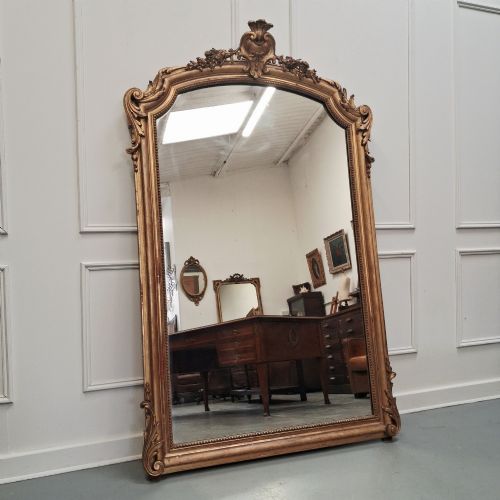
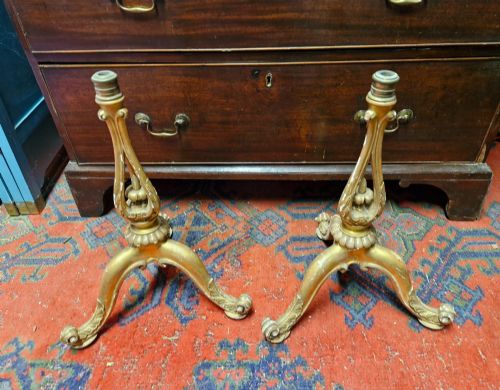
A french giltwood stand brings architectural presence and metallic warmth to a room, ranging from slender torcheres to sturdy side tables.
French Giltwood Stand
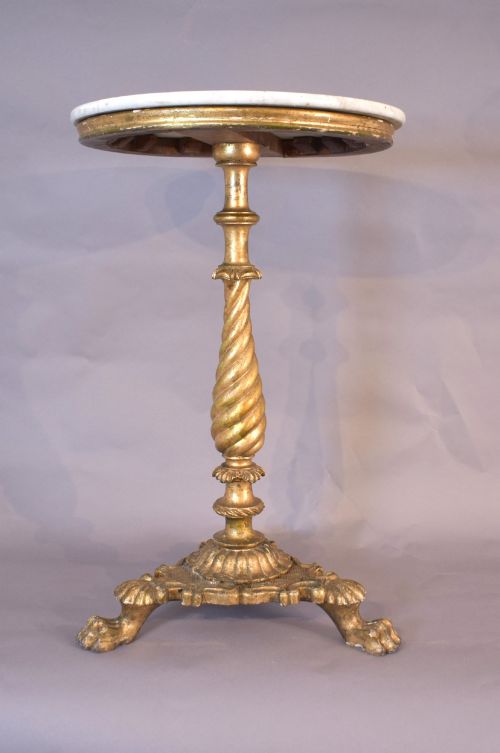
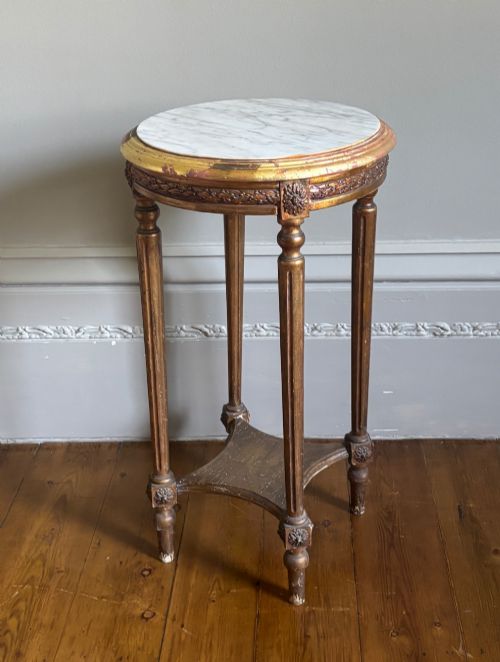
A french giltwood stand encompasses a diverse array of functional furnishings designed to elevate objects, light rooms, or display decorative arts. Buyers searching this phrase most frequently encounter 19th-century interpretations of classical forms, including tall torcheres, marble-topped side tables, and plant stands.
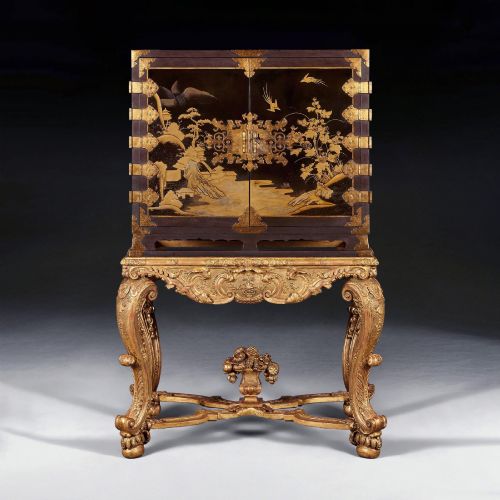
The material vocabulary draws heavily from French Rococo, Louis XVI, and Empire styles, translating domestic utility into decorative sculpture. Pieces span from compact occasional tables and urn stands to grand display cabinets raised upon gilded frames.
Origins vary across continental Europe, though French and Italian workshops dominate the selection with their characteristic carved ornament and gilded surfaces. These items bridge the gap between practical furniture and ornamental display, serving as focal points within both traditional and eclectic interiors.
Materials and Technique
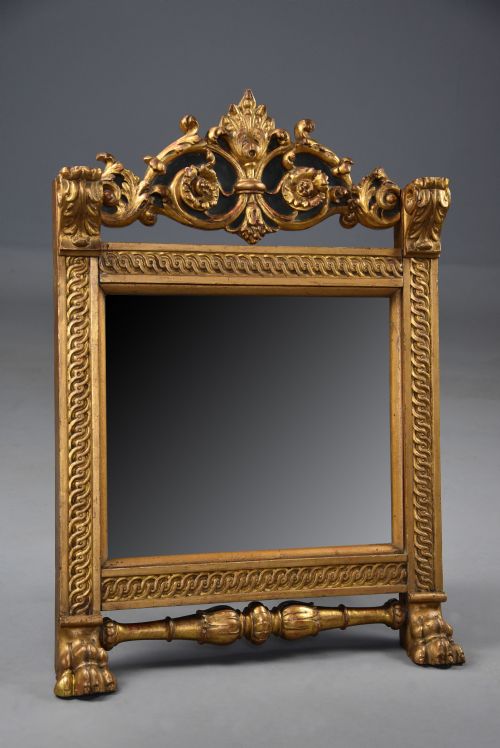
The fabrication of these pieces relies upon a foundation of carved wood or gesso applied over a timber base, shaped into ornate mouldings, fluted columns, and floral motifs. Artisans applied thin sheets of gold leaf or metallic paint to create the luminous surface characteristic of the style.
Structural elements frequently incorporate contrasting materials such as inset marble tops, glass panels, brass details, and woven cane or rattan. Joinery techniques reflect the period of production, utilising traditional framing methods to support the weight of stone tops or display cabinets.
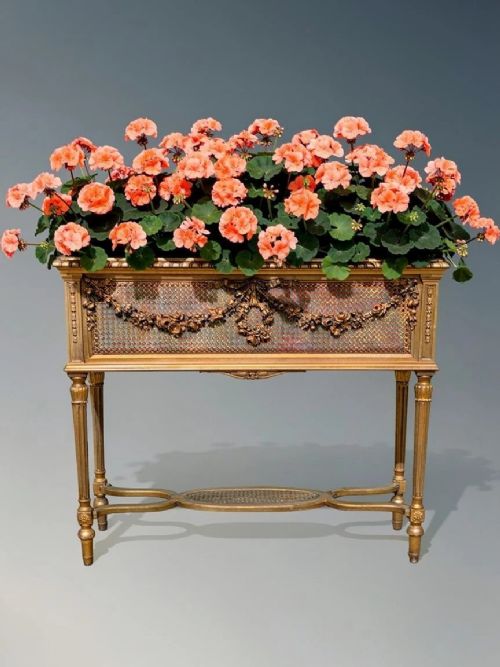
Several stands double as indoor plant holders, proving that Victorian ferns required just as much interior design staging as modern houseplants.
Quality and Craftsmanship
The distinction between standard production and exceptional quality lies in the depth and crispness of the wood carving. Superior examples exhibit hand-carved relief work with sharp undercut details, whereas lesser pieces rely heavily on moulded gesso to simulate carved decoration.
Surface application also dictates standing, with genuine gold leaf ageing into a softer, warmer patina compared to the uniform shine of modern metallic paint. The integrity of the underlying timber structure and the harmonious weight of added elements like marble or glass determine overall durability.
The French Giltwood Stand Glossary
- Giltwood
- Timber that has been coated with gold leaf or gold paint. This finish provides the characteristic metallic brilliance seen across the category.
- Gesso
- A plaster-like mixture applied to wood surfaces and carved before gilding. It allows for intricate relief ornamentation that would be difficult to carve directly into hardwood.
- Torchere
- A tall ornamental stand or candlestick holder designed to elevate a light source or decorative object. These vertical pieces often feature tripod bases and slender shafts.
- Jardiniere
- A decorative stand or receptacle intended to hold plants or flowers. In this category, they frequently feature waterproof liners or raised platforms.
- Rococo
- An ornate artistic style characterised by asymmetry, scrollwork, and naturalistic plant motifs. It heavily influences the curved lines and decorative flourishes of 19th-century French furniture.
French Giltwood Stand: Frequently Asked Questions
What is a French giltwood stand used for?
These furnishings serve multiple domestic purposes, traditionally functioning as pedestals for urns, display surfaces for porcelain, or elevated platforms for lighting.
Today, they operate effectively as accent pieces in living spaces, holding lamps, floral arrangements, or art objects while introducing vertical interest to a room.
How do I care for giltwood furniture?
Maintenance requires gentle handling to protect the delicate metallic surface from abrasion and moisture.
Dusting should be performed softly with a dry, lint-free cloth, avoiding liquid cleaners, polishes, or chemical sprays that can strip or discolour the gold leaf.
Are marble tops original to these stands?
Many tables, torcheres, and plant stands were manufactured with inset marble slabs designed to withstand moisture and heavy decorative objects.
While some tops reflect later replacements, original marble is typically fitted precisely to the wooden rebate with matching bevel edges and period-appropriate stone varieties.
How can I distinguish 19th-century pieces from later reproductions?
Examination of the construction methods, tool marks, and the ageing process of the gesso and gold leaf reveals the true age of a piece.
Older items exhibit natural wear patterns, shrinkage cracks in the gesso, and hand-cut joinery that modern reproductions struggle to replicate authentically.