
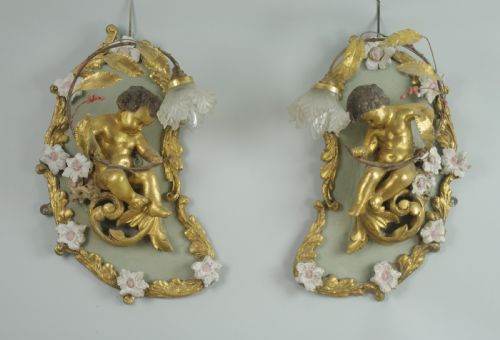


French Giltwood Sconces
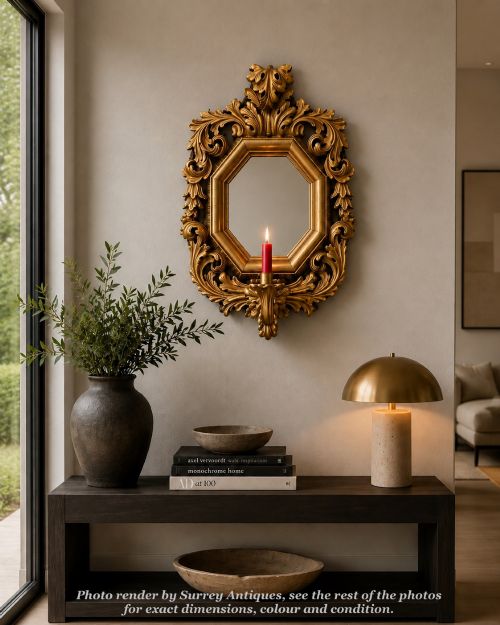
French giltwood sconces bring decorative illumination and carved wooden elegance to an interior wall.
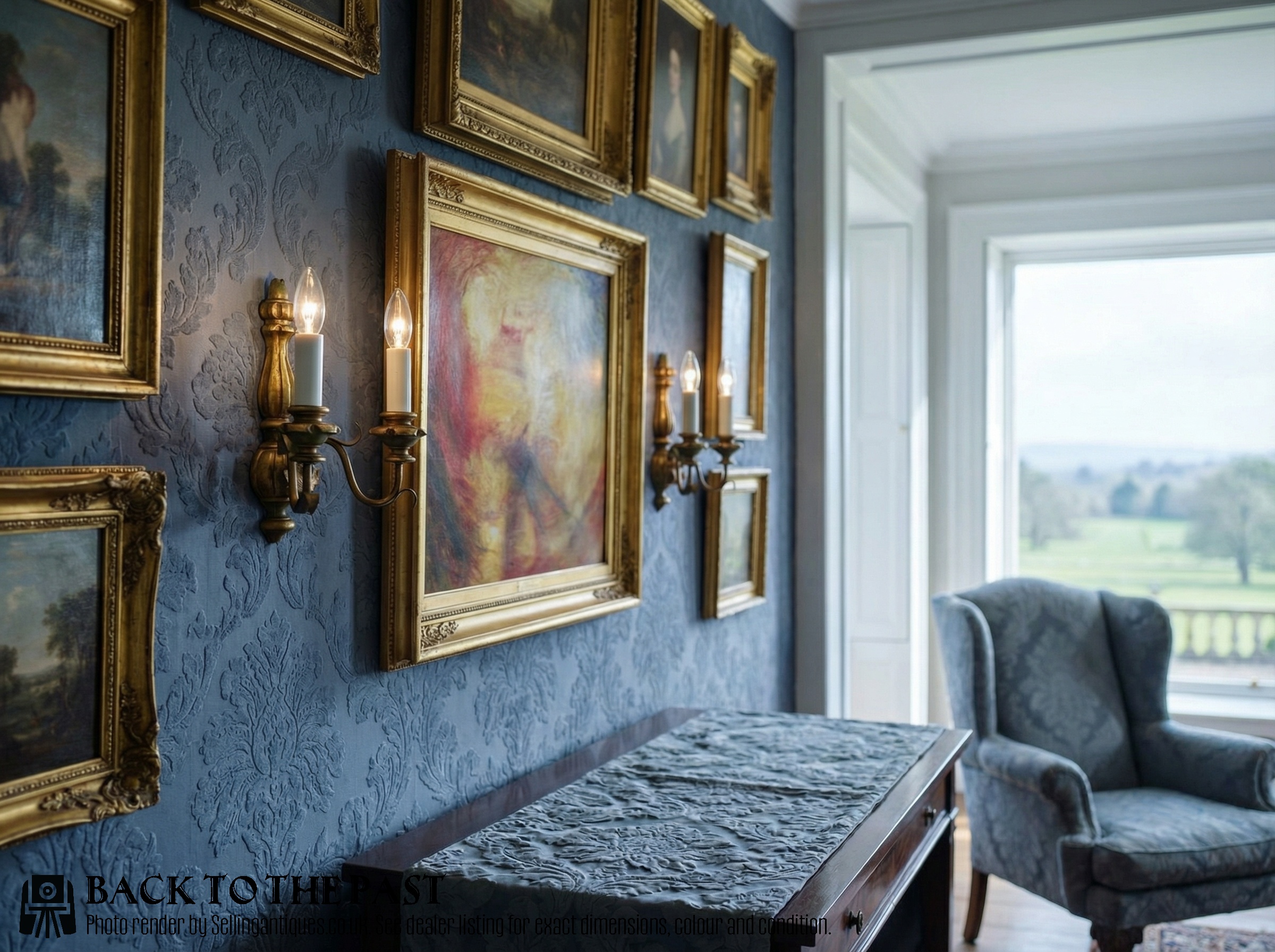
French Giltwood Sconces
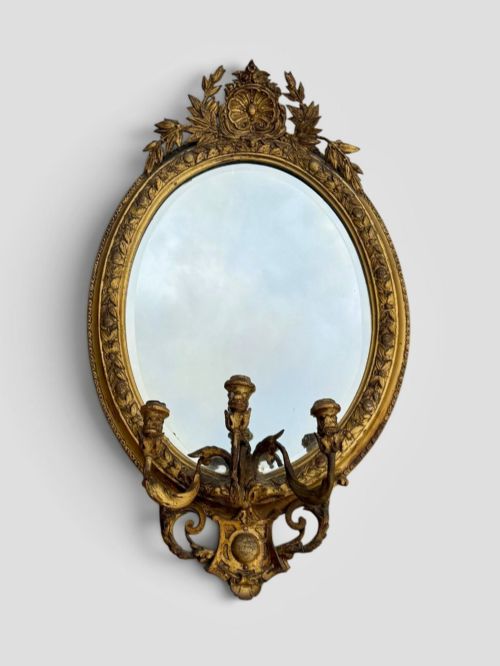
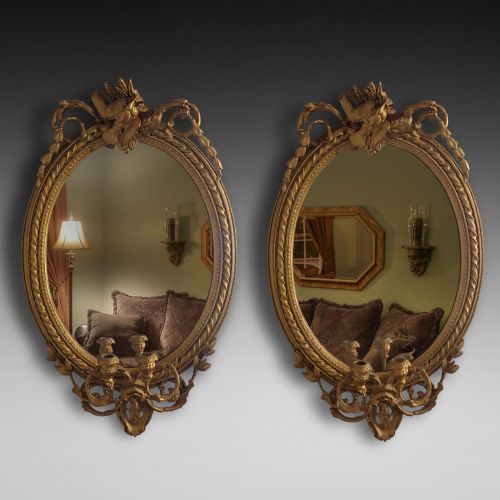
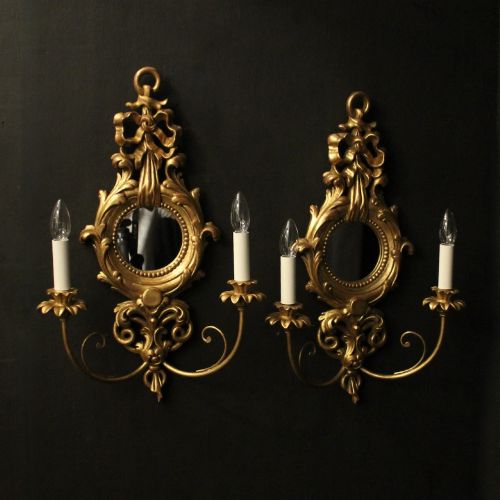
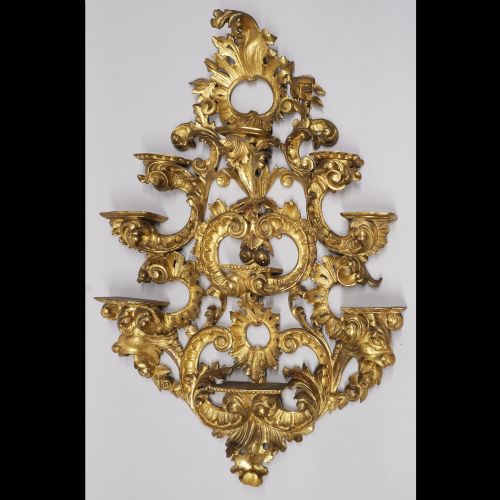
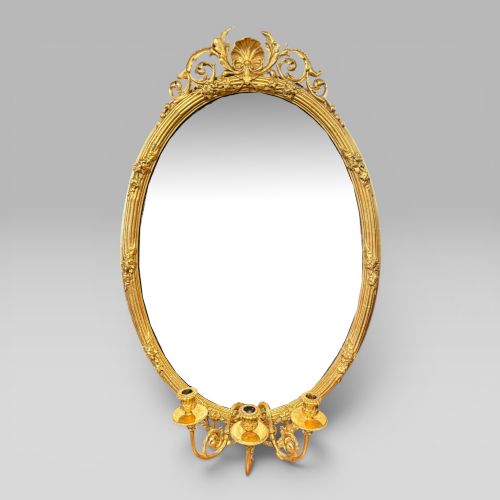
French giltwood sconces encompass wall-mounted light fittings, girandoles, brackets and mirrors created from carved timber adorned with gold leaf. When searching for french giltwood sconces, a buyer looks at pieces designed to hold candles or electric bulbs while reflecting light into a room.
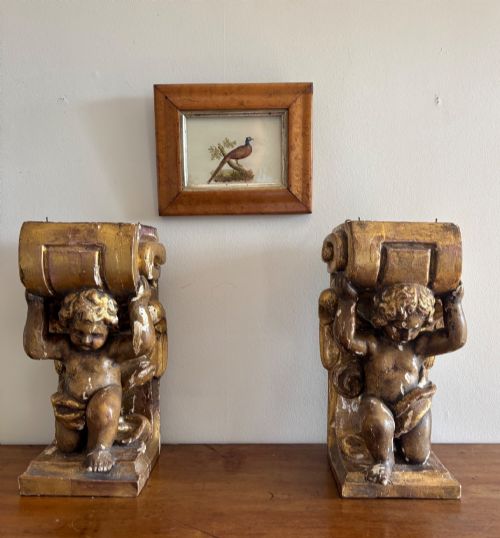
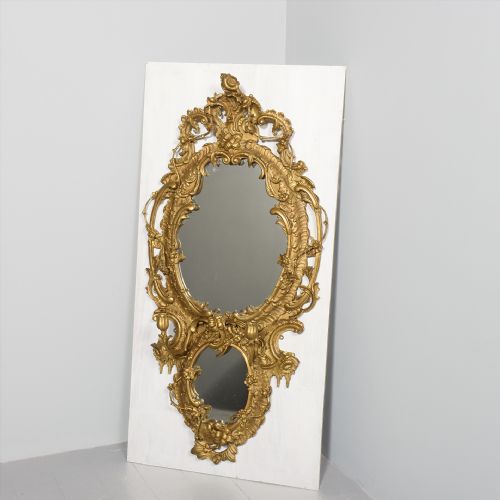
The selections span from the eighteenth century through the nineteenth century and into the twentieth century. Examples often incorporate Rococo Revival, Neoclassical or French Chateau styles, featuring twin or triple arms alongside carved figures such as putti and cherubs.
Most entries originate from French workshops or bear related continental influences. Common formats include mirrored backplates, lire shapes and simple wall brackets paired with wooden sconce arms.
How they were made
Makers shaped the foundational bodies from carved wood, timber and gesso to establish relief ornamentation. Artisans applied gold leaf and gilding directly over the prepared surfaces to achieve a luminous metallic sheen.
Selected items combine giltwood with painted polychrome finishes, glass components, brass, metal elements and toleware. Carvers employed hand tools to execute intricate foliate scrolls, rope twists and figural motifs before finishing the surfaces.
Several girandoles hide tiny carved cherubs peering out from behind gilded candle arms.
What varies in quality
Depth and crispness of the hand carving separate standard examples from finer works. The finesse found in sculpted putti, acanthus leaves and structural symmetry dictates the overall execution.
The application and preservation of the gold leaf influence visual character. Intact layers of original leaf over gesso maintain the historical integrity of the surface.
The French Giltwood Sconces Glossary
- Giltwood
- Timber coated with gold leaf or metallic powder. This material forms the primary reflective surface structure of the pieces.
- Girandole
- A wall-mounted bracket equipped with candles or lights, frequently paired with a mirror. The glass backplate multiplies the illumination.
- Gesso
- A plaster mixture applied to wood as a base for gilding. It allows carvers to create sharp relief details beneath the gold leaf.
- Rococo
- A decorative style characterised by asymmetry, curves and C-scrolls. This aesthetic appears frequently in nineteenth-century interpretations.
- Toleware
- Lacquered or painted metalware used in decorative objects. It occasionally forms part of the construction alongside giltwood elements.
French Giltwood Sconces: Frequently Asked Questions
How do I hang french giltwood sconces safely?
These items require sturdy wall fixings that match the weight of the carved wood and glass components. Secure brackets directly into wall studs or utilise appropriate masonry anchors.
Position the fixtures at eye level or according to existing room lighting layouts. Ensure the wiring, if electrified, complies with current safety standards before operation.
How are french giltwood sconces cleaned?
Dust the carved surfaces gently with a soft, dry brush to prevent accumulation. Avoid liquid cleaners and harsh chemicals that can damage the delicate gold leaf.
Inspect the gesso and gilt layers periodically for any loose fragments. Professional conservation proves necessary if the wooden structure requires stabilisation.
Are french giltwood sconces electrified?
Survival rates include both candle-bearing brackets and examples converted to electricity over time. Many twentieth-century variants integrate electrical wiring directly into the arms.
Earlier iterations designed for candles often retain their original drip pans. Check individual listings to determine the current lighting configuration.
How do I identify a girandole mirror?
A girandole combines a wall mirror with attached candle sconces or arms. The central glass plate reflects both the candlelight and ambient room illumination.
Frames typically feature ornate carvings in giltwood or gesso. These pieces functioned as primary decorative focal points in period interiors.