






French Gilt Tray
A french gilt tray brings decorative glamour to a table, combining polished metals with painted porcelain or stone.
French Gilt Tray
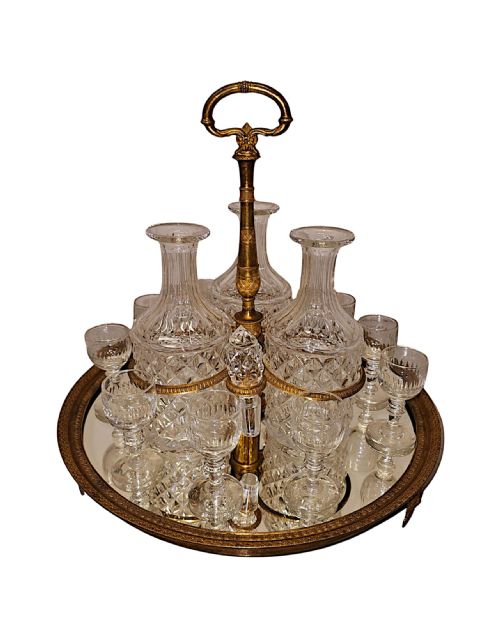
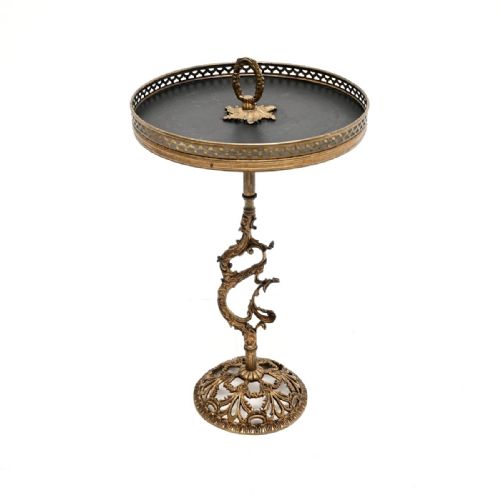
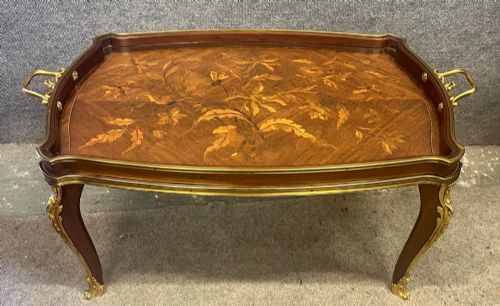
A french gilt tray encompasses a range of decorative metalwork and mounted vessels designed for display or desk use. Buyers searching for a french gilt tray encounter items spanning from small pin dishes and vide poche pieces to large centrepieces and occasional tables.
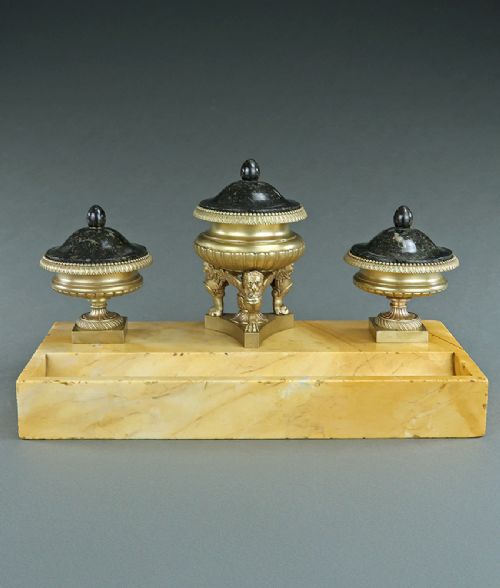
The selection here draws primarily from nineteenth-century workshops, featuring Neoclassical, Empire, and Rococo Revival influences. Alongside dedicated serving and display trays, the inventory includes related desk accessories such as inkstands and porcelain breakfast sets mounted in gilt bronze.
Origins vary from Parisian porcelain houses to specialised metalwork foundries. Pieces frequently combine gilded frames with inset panels of marble, onyx, or hand-painted ceramics.
How they were made
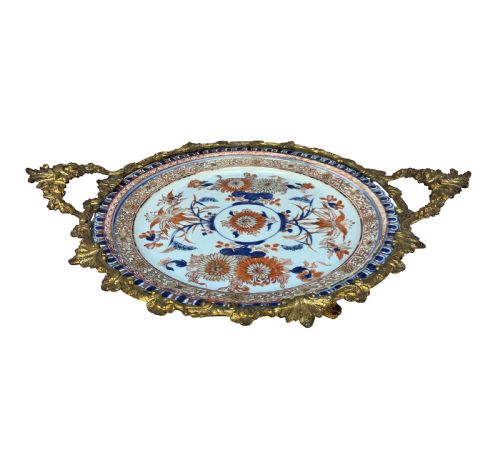
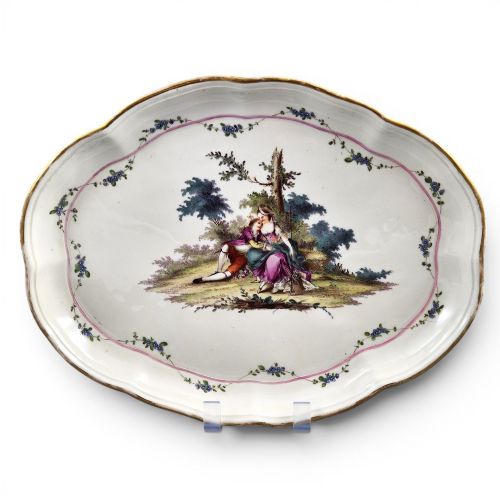
Craftsmen utilised cast bronze, brass, and applied gold leaf or mercury gilding, known as ormolu, to create gleaming metallic mounts. These frames often surround hand-painted porcelain panels from factories like Sèvres or Marseille, as well as glazed earthenware and tôle ware.
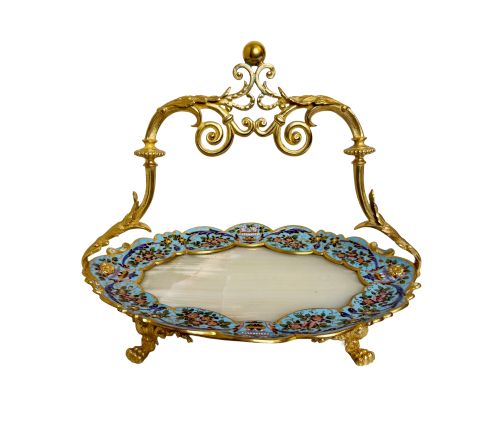
Decorative detailing frequently incorporates champlevé enamel work, where coloured glass pastes are fused into recessed metallic channels. Stone elements such as Sienna marble and onyx provide heavy, contrasting bases for desk stands and centrepieces.
French Gilt Tray Retail Price Guide 2026
Typical asking prices for french gilt tray among the pieces listed under this phrase on Sellingantiques today, from the lower quarter to the upper quarter. They describe what is for sale here now, not the wider market.
What varies in quality
The crispness of the bronze or ormolu chasing separates standard items from exceptional examples, as finer castings display sharper botanical or figurative motifs without surface blurring. Hand-painted ceramic panels showing greater artistic detail and precise enamel work indicate higher workshop standards.
Structural integrity and the retention of original mercury gilding or gold leaf define desirability. Pieces retaining unrubbed gilding and undamaged stone or glass inserts sit at the upper end of the scale.
Joseph Gaspard Robert·Samson Paris·A Marionnet·Louis Pierre Malpass
The French Gilt Tray Glossary
- Ormolu
- Gilded bronze, typically produced by applying a mercury-gold amalgam to a cast bronze base and heating it to vaporise the mercury. The resulting finish yields a warm, durable golden lustre characteristic of fine decorative metalwork.
- Champlevé enamel
- A technique where troughs or cells are hollowed out of a metal surface and filled with vitreous enamel powder before firing. This process creates rich, multicoloured decorative patterns flush with the surrounding metal.
- Vide poche
- Literally meaning empty pocket, a small decorative tray or dish placed in a hallway or on a desk to hold loose coins, keys, or pocket items. These objects combine practical utility with ornate metal and porcelain mounts.
- Tôle peinte
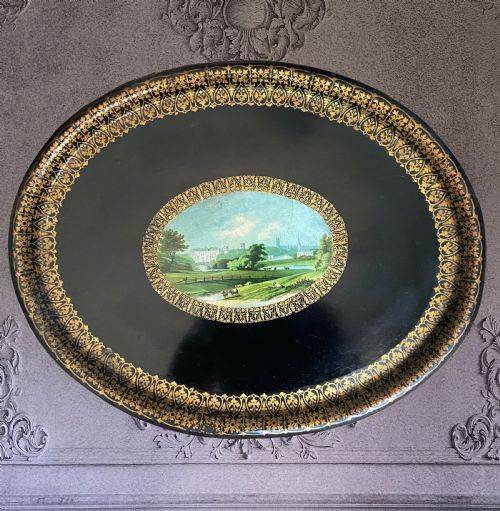
- Painted or lacquered sheet metal, commonly tin, used to create durable decorative trays and desk accessories. Artisans applied rich surface colours and hand-painted motifs over the primed metal base.
- Encrier
- A French term for an inkstand or inkwell set, often incorporating pen trays, sanders, and stamp boxes mounted in matching metal and porcelain.
French Gilt Tray: Frequently Asked Questions
What are french gilt trays made of?
These items are constructed from cast bronze, brass, and gilt metal, frequently incorporating panels of porcelain, enamel, marble, or onyx. Many pieces combine several of these materials into a single decorative assembly.
Surface finishes rely on gold leaf or mercury gilding to achieve their characteristic bright metallic appearance.
How do I care for gilt bronze?
Dust the surface gently with a soft, dry cloth to prevent the accumulation of dirt in recessed chased areas. Avoid using harsh chemical polishes or abrasive cleaners, which can strip away the delicate gold layer.
Keep pieces away from direct moisture and strong sunlight to preserve the integrity of the metal and any inset enamel.
How do I distinguish 19th-century pieces?
Nineteenth-century examples often display the weight, casting techniques, and stylistic revivals characteristic of Napoleon III and Victorian production. Look at the construction methods of the mounts and the style of hand-painting on porcelain panels.
Signatures or foundry marks stamped into the bronze can also help identify the period and origin.
Were these trays used daily?
Many items served practical functions on desks, dressing tables, or in dining rooms for letters, ink, and small accessories. Desk sets and vide poche dishes were designed for regular handling in prosperous households.
Larger centrepieces and decorative plates were primarily intended for visual display during formal gatherings.