

French Gilt Crystal Glasses
These French gilt crystal glasses and related lighting and decorative objects bring shimmering luxury and historic craftsmanship into your interior.
French Gilt Crystal Glasses
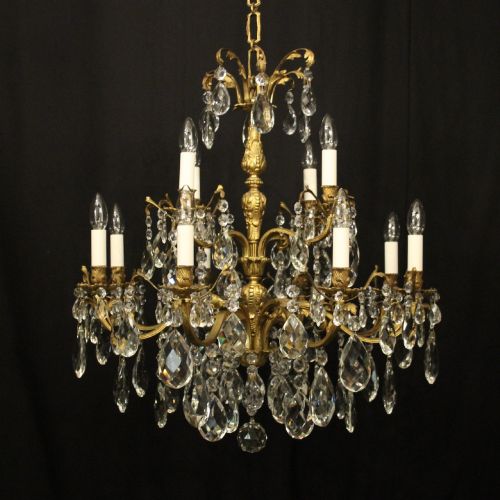
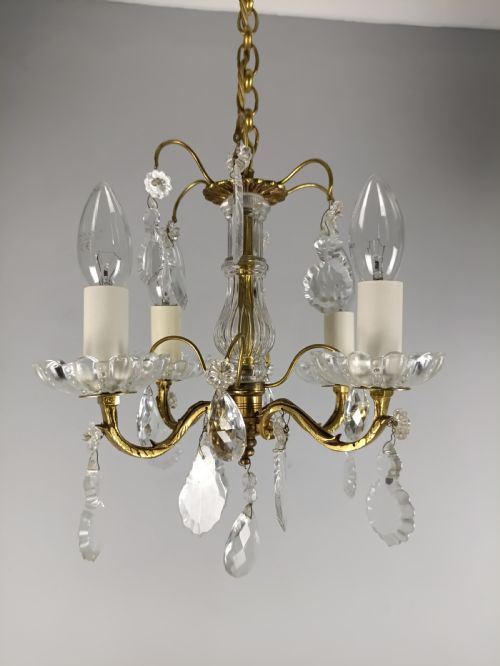
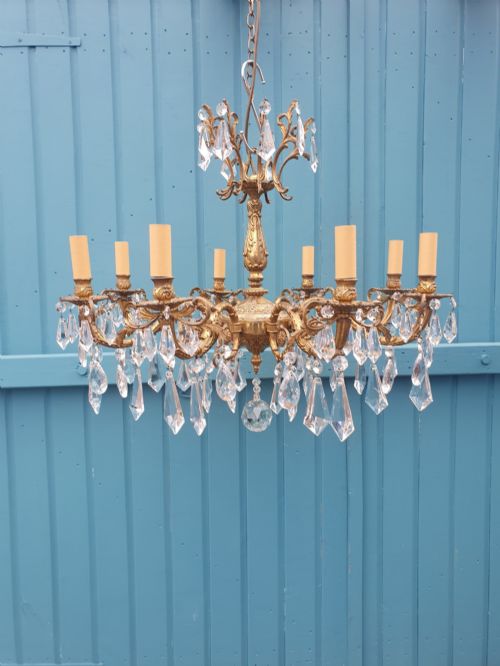
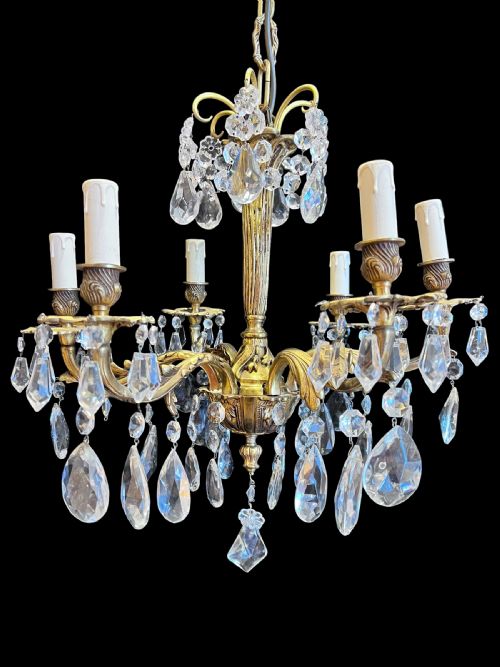
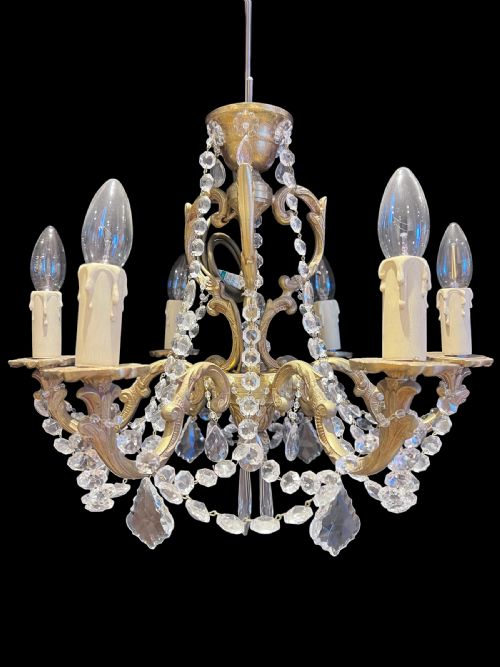
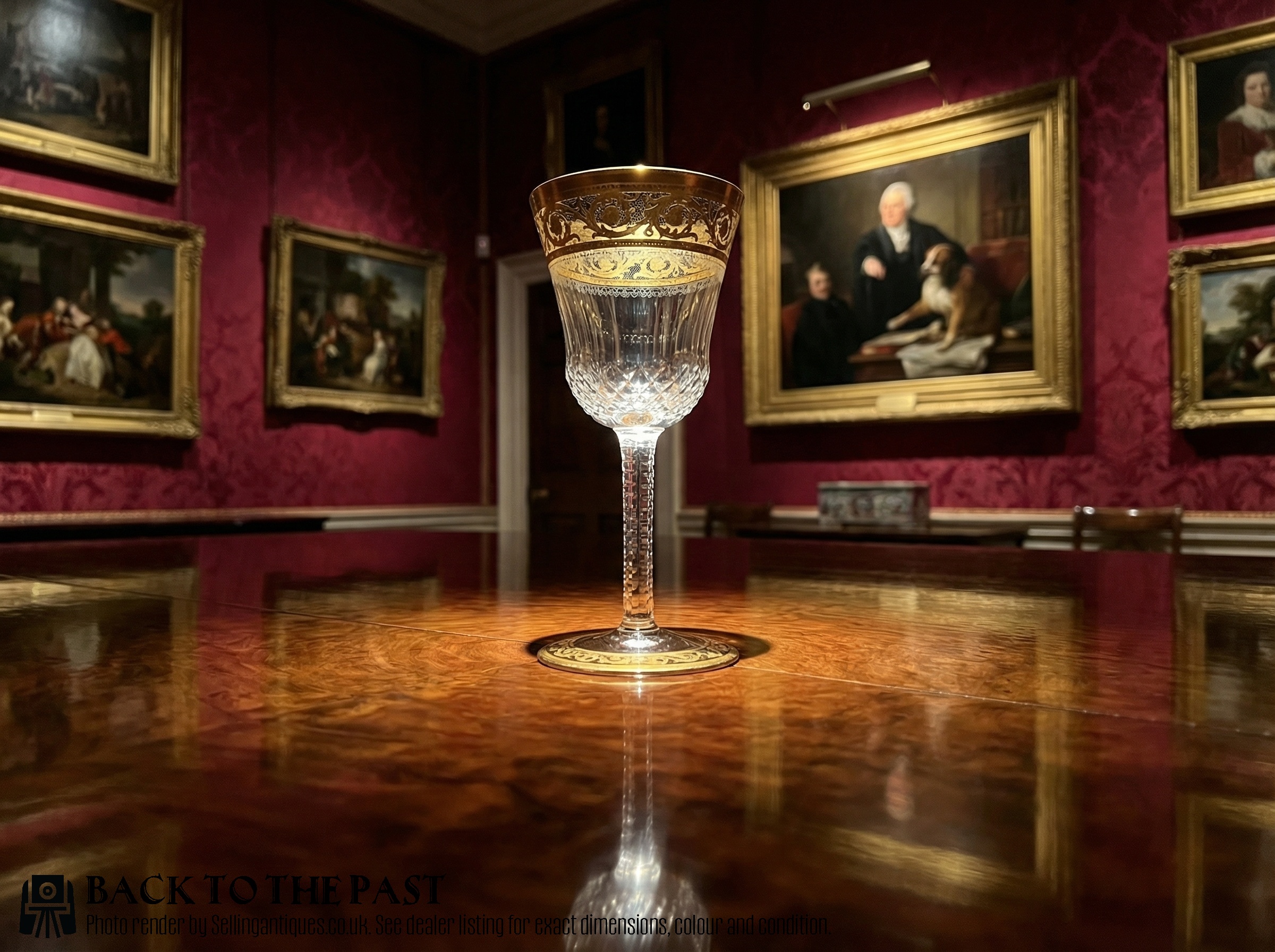
French gilt crystal glasses encompass a sophisticated array of lighting, table objects, and decorative items designed to catch and refract light. When searching for french gilt crystal glasses, you encounter everything from grand chandeliers and wall sconces to ornate centrepieces, candlesticks, and trinket boxes. These items typically date from the nineteenth century through the early decades of the twentieth century, reflecting opulent historic aesthetics.
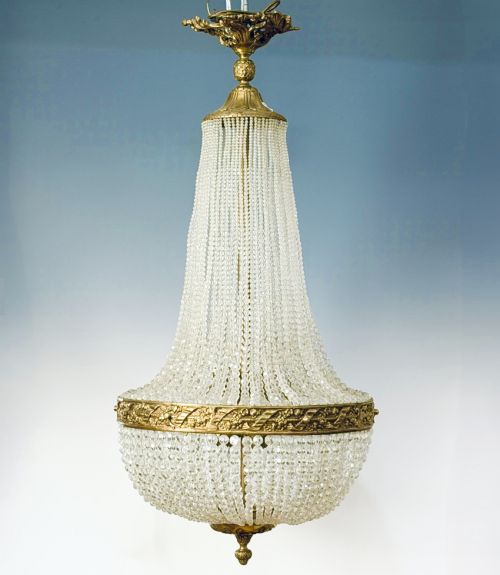
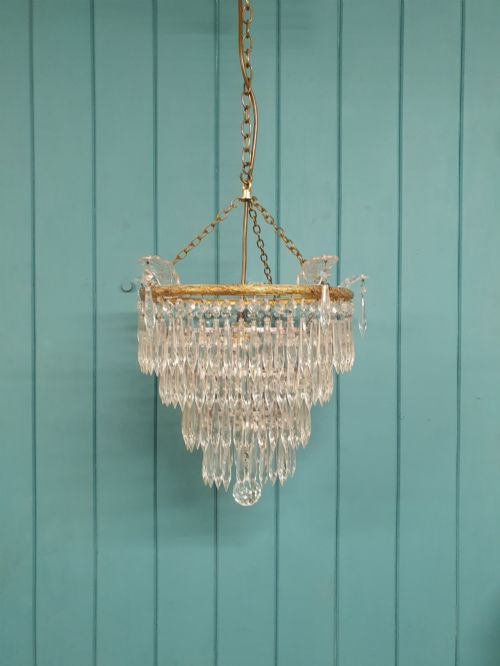
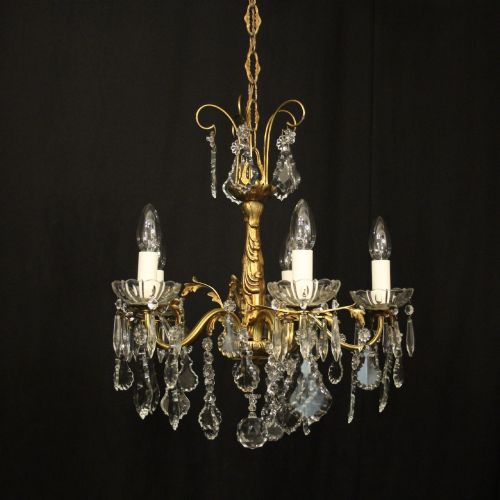
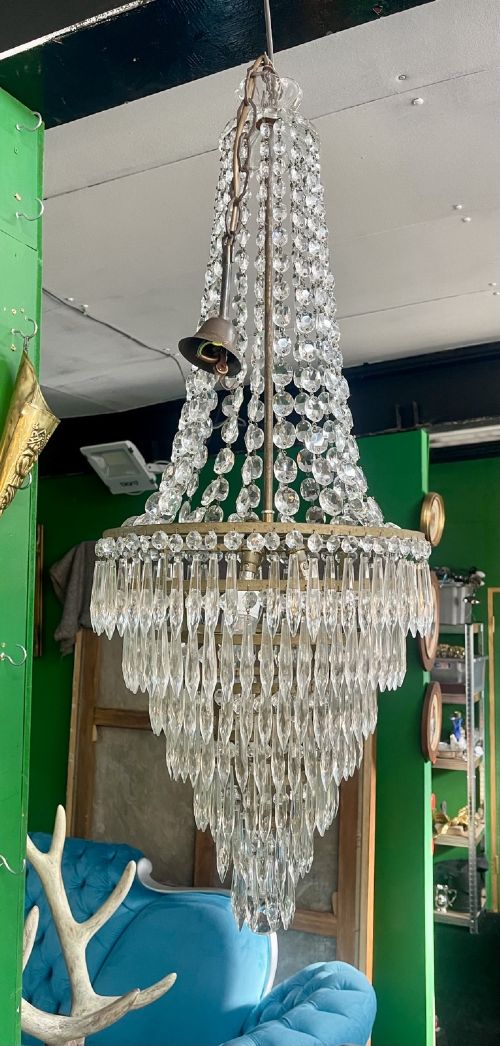
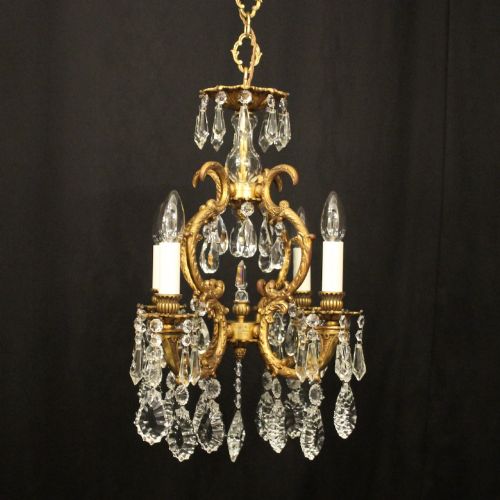
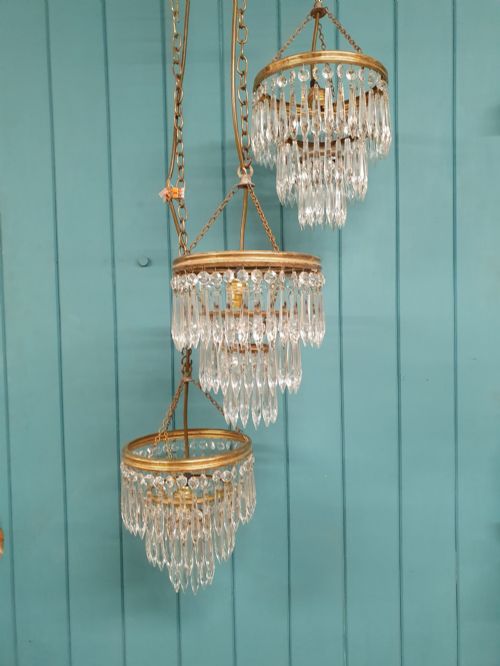
The selection on this page leans heavily towards grand illumination and table service items rather than drinking vessels alone. You will find multi-light chandeliers featuring tent and waterfall configurations, alongside gilded bronze mounted boxes and candelabras. These objects draw on French design influences such as Empire, Rococo, and Belle Epoque styles.
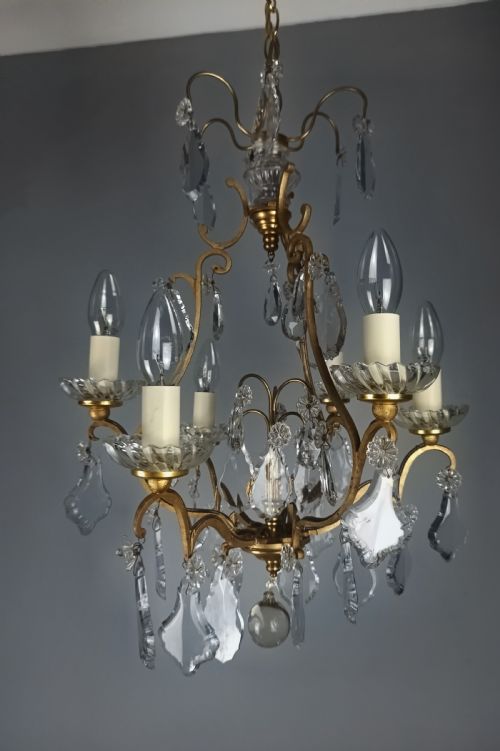
Originating predominantly from French workshops and ateliers, these pieces demonstrate a longstanding mastery of decorative metalwork combined with fine glass. Whether selecting a cage chandelier or a gilt bronze framed centrepiece, the items reflect the decorative ambitions of their respective eras. They serve both functional lighting purposes and ornamental display roles within sophisticated interiors.
How they were made
Makers utilised high-grade lead crystal and glass, shaping them through cutting, moulding, and polishing to maximise brilliance. The glass elements often take the form of faceted prisms, teardrops, and beads that scatter light across a room. Artisans combined these vitreous components with metallic foundations to create structurally sound yet visually delicate decorative objects.
The metallic mounts rely on brass, bronze, and spelter, frequently enhanced with gold gilt or silver gilt finishes to impart a rich, luminous appearance. Ormolu and cast bronze details underwent careful chasing and finishing before being assembled with the crystal components via pins, wires, or frames. Toleware elements also appear, introducing painted metal accents to specific chandelier designs.
Construction techniques required precise mechanical engineering, particularly for large multi-light chandeliers and heavy centrepieces that had to support considerable weight. Frames were constructed as cages, tents, or solid bronze armatures designed to securely anchor numerous arms and hanging crystal prisms. Every joint and mounting bracket was fitted by hand to ensure structural integrity and enduring elegance.
Object forms range from grand multi-light ceiling fixtures and wall sconces to tabletop centrepieces, candelabras, and decorative jewellery boxes.
What varies in quality
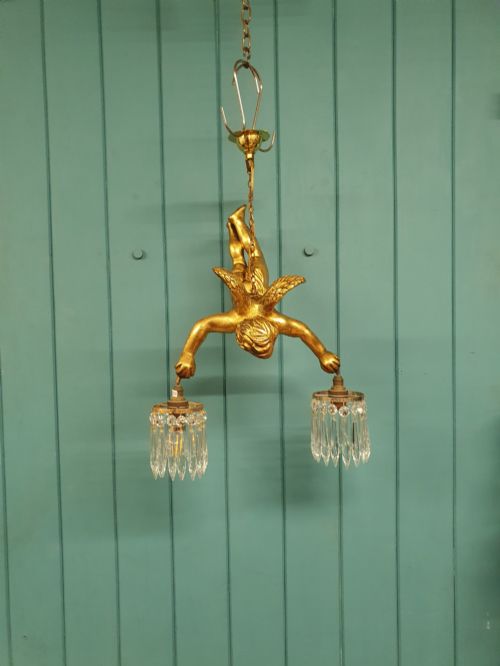
The refinement of the casting and chasing work on the bronze or brass mounts separates standard items from exceptional examples. Finer pieces exhibit crisp detail in decorative motifs such as cherubs, foliage, and neoclassical scrollwork, whereas lesser items show softer, simpler casting lines. The depth and durability of the gilding further distinguish the upper tiers of craftsmanship.
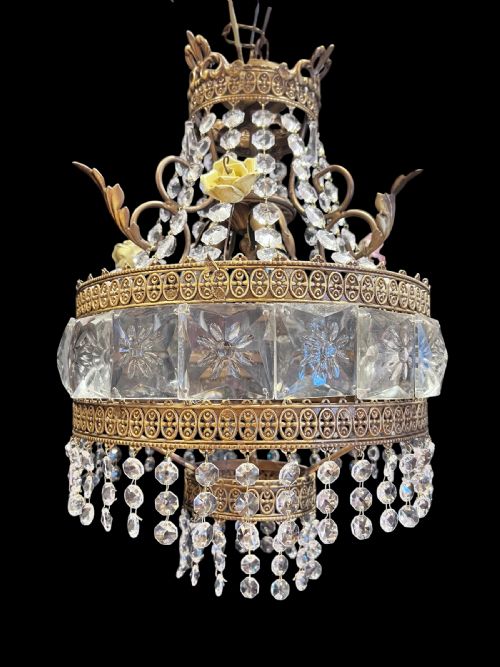
Crystal quality dictates the brilliance and clarity of the piece, with higher-grade glass offering superior light refraction and sharper facet edges. The complexity of the assembly - such as the inclusion of hand-cut prisms, coloured crystals, or integrated porcelain flowers - elevates the artistic ambition of the object. Uniformity in the cut and polish of every individual crystal drop demonstrates superior workshop standards.
Maison Baguès·Baccarat
The French Gilt Crystal Glasses Glossary
- Ormolu
- Gilded bronze, where a gold-mercury amalgam is applied to a bronze base, creating a rich metallic finish characteristic of luxury decorative arts. This technique was widely employed on nineteenth-century mounts and centrepiece frames.
- Tent and waterfall
- A chandelier configuration where crystal beads form an upper canopy resembling a tent, cascading down into a wider waterfall arrangement of drops and prisms. This design maximises light reflection.
- Spelter
- A zinc alloy used as a less expensive alternative to bronze for casting decorative figures and structural mounts. It is frequently painted or gilded to imitate more costly metals.
- Toleware
- Painted or lacquered sheet metal used for decorative objects and chandelier components. It introduces vibrant colour accents, such as turquoise or amber, to gilt and crystal compositions.
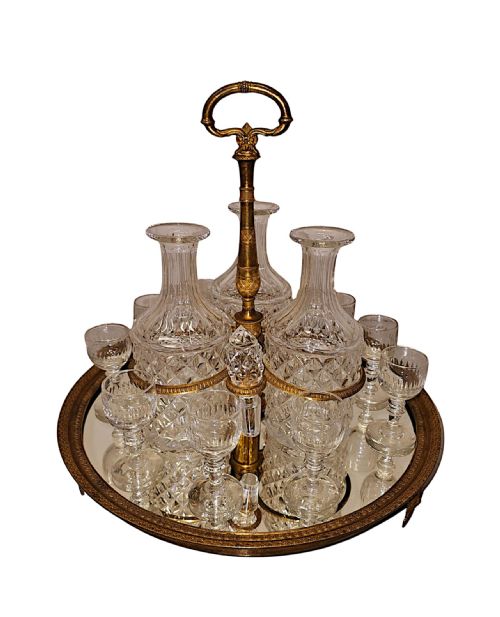
- Cache a liqueur
- A fitted liqueur box or canteens housing decanters and glasses, often mounted in gilt bronze and framed with fine crystal. These luxury containers reflect high-status entertaining habits.
French Gilt Crystal Glasses: Frequently Asked Questions
Are these antique chandeliers heavy to hang?
These lighting fixtures carry substantial weight due to the combination of solid bronze armatures and dense lead crystal components. Proper installation requires anchoring directly into ceiling joists using rated hardware rather than standard plaster fixings.
Consulting a professional electrician ensures the ceiling structure can safely support the load of multi-light chandeliers. Ensuring secure structural attachment prevents accidents and protects the historic metalwork.
What is the difference between Empire and Rococo styles?
Empire style draws on neoclassical motifs inspired by ancient Rome, featuring symmetrical lines, military trophies, sphinxes, and formal geometric dignity. The metallic mounts are typically bold and structured.
Rococo style embraces asymmetry, flowing natural forms, C-scrolls, and exuberant floral details. This aesthetic creates a more playful and ornate visual movement across the gilt bronze and crystal elements.
Can missing crystal drops be replaced?
Missing or broken crystal drops can be sourced through specialist antique restorers who match the period, cut, and size of the original prisms. Hand-cut glass requires careful matching to maintain the uniform brilliance of the chandelier or candelabra.
Replacements are typically secured using traditional brass wire pins looped through the existing mounting holes. This maintains the authentic construction methods of the piece.