


Cut Crystal Liqueur Glasses
These cut crystal liqueur glasses are small, brilliant vessels designed for serving after-dinner spirits, bringing Victorian and Edwardian craftsmanship directly to the modern table.
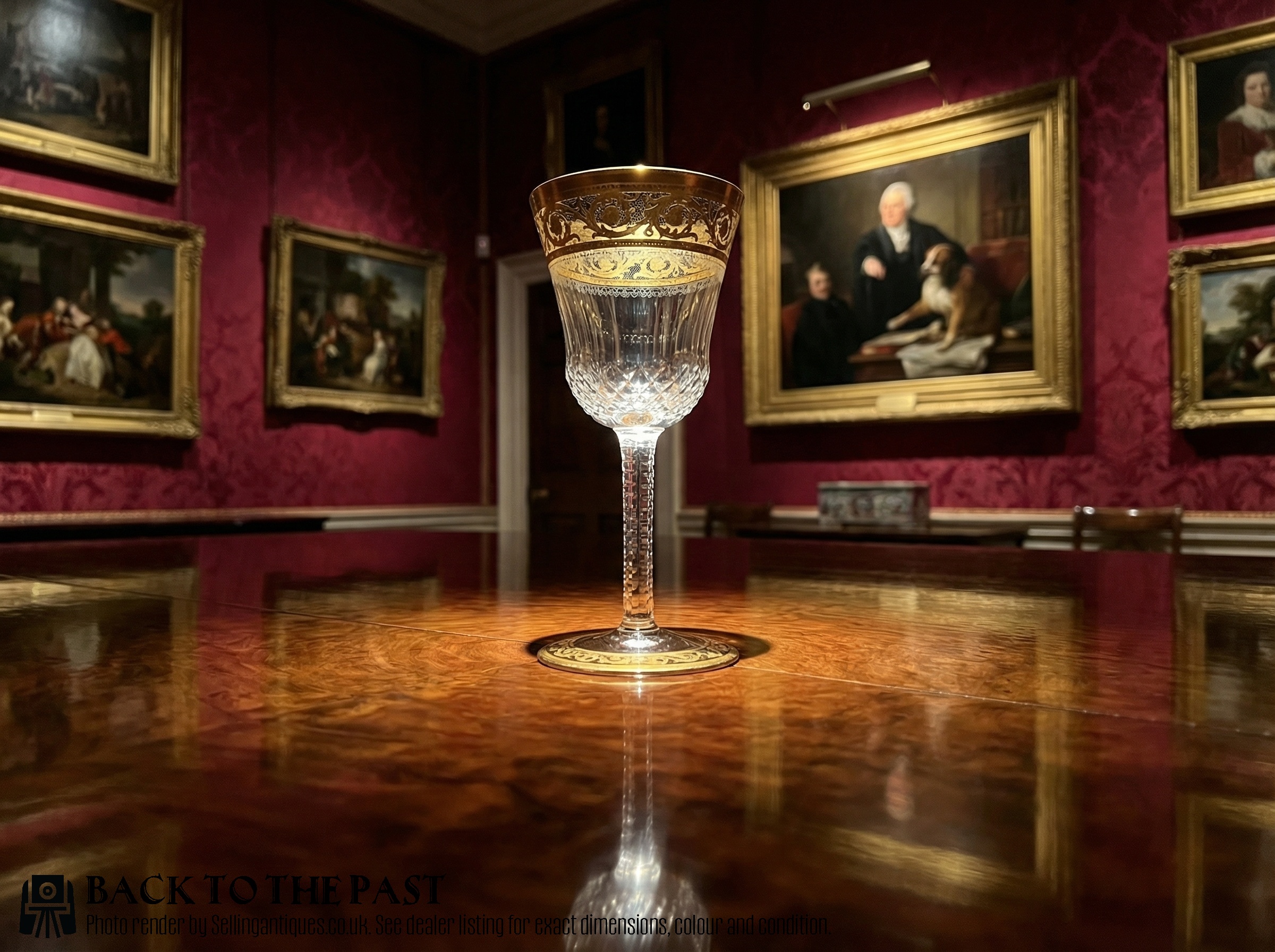
Cut Crystal Liqueur Glasses
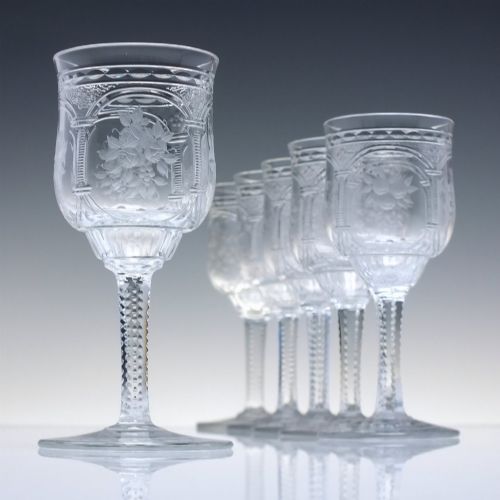
When you search for cut crystal liqueur glasses, you encounter delicate stemware and cordial glasses produced across the nineteenth and twentieth centuries. The pieces on this page span Victorian, Edwardian, and Art Deco periods, originating from English and continental workshops.
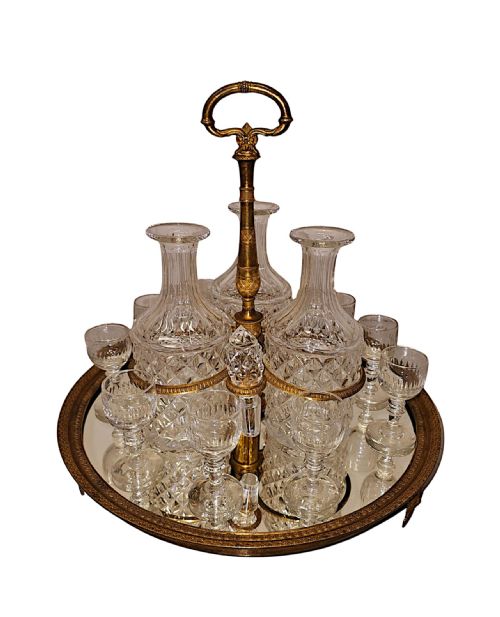
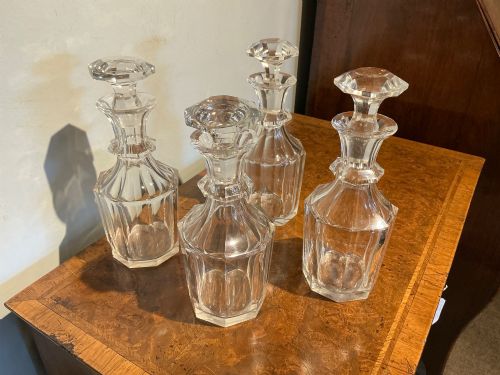
You are most likely to meet complete matching sets of small stemware designed specifically for cordials and liqueurs. These often appear alongside matching decanters, tantalus sets, and silver-plated stands from the same eras.
Materials and manufacture
These vessels are fashioned from lead crystal and cut glass, utilising traditional blowing techniques followed by wheel-cutting to create sharp facets. This cutting process refracts light intensely, giving the material its characteristic brilliance.
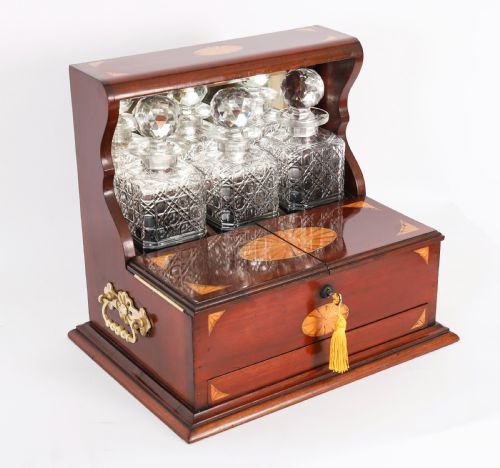
Mounts and stands incorporate secondary materials such as brass, silver plate, ormolu, and fine timbers like mahogany and satinwood. These metal and wooden elements provide secure housings for the glassware in portable tantalus sets and liquor caves.
Victorian hosts locked their decanters in tantalus frames not to deter thieves, but to stop the household staff from sampling the brandy.
Judging quality and execution
The distinction between ordinary and exceptional pieces lies in the crispness and depth of the wheel-cut facets. Finer examples display precise geometry and hand-polished surfaces that feel smooth yet sharply defined.
Quality also rests in the weight of the crystal and the integration of any metal mounts or cabinetwork. Superior sets maintain uniformity across every glass in the service, showing consistent wall thickness and clear metal resonance.
Saint-Louis
The Cut Crystal Liqueur Glasses Glossary
- Cut crystal
- Glass containing lead oxide, shaped by wheel-cutting to produce decorative facets. This composition allows for deeper cutting and higher optical refraction than standard soda-lime glass.
- Tantalus
- A locking cabinet or frame that holds decanters securely while displaying their contents. The locking mechanism prevents unauthorised access to the spirits.
- Liqueur
- A sweet, strong alcoholic spirit served in small quantities after a meal. The glassware made for these drinks has a notably smaller bowl capacity than wine stemware.
- Ormolu
- Gilt bronze ornamentation applied to furniture and decorative objects. It frequently appears on nineteenth-century French liquor cases and frames.
- Cordial glass
- A small stemmed drinking vessel specifically shaped for concentrated alcoholic beverages. Edwardian and Victorian examples often feature intricate wheel-engraved or cut decoration.
Cut Crystal Liqueur Glasses: Frequently Asked Questions
What is a tantalus?
A tantalus is a lockable wooden or metal frame designed to hold decanters securely. It keeps the contents visible while preventing servants or guests from pouring drinks without permission.
The name derives from the mythological figure Tantalus, as the drinks are held just out of reach when the locking bar is engaged.
How do I date cut crystal?
Dating relies on stylistic markers, cutting techniques, and the accompanying hardware. Victorian pieces often feature heavy ornamentation and deep prismatic cutting, while Edwardian items lean toward lighter forms.
Art Deco examples from the interwar period introduce geometric motifs and occasionally coloured glass bodies rather than clear crystal.
Can I use these glasses daily?
These historical glasses can certainly be used for special occasions, provided they receive careful handling. Hand washing in lukewarm water is essential to protect the fragile stems and cut facets.
Avoid placing antique crystal in modern dishwashers, as the harsh detergents and heat will cloud the glass over time.
What is a cave a liqueur?
A cave a liqueur is a French portable cabinet, often lined with velvet or satin, containing a fitted set of decanters and matching glasses. Napoleon III and nineteenth-century examples frequently feature ormolu mounts and exotic wood veneers.
These sets were designed for elegant entertaining in the parlour, easily carried from room to room by a host.