



French Gilt Brass Box
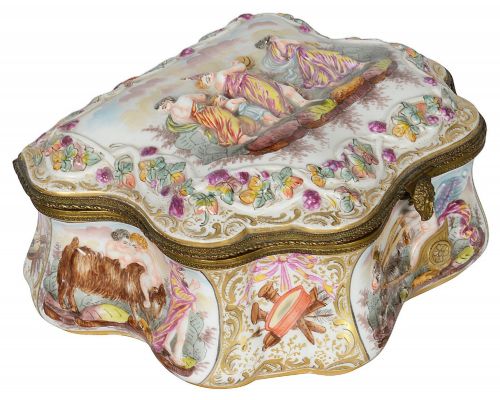
A french gilt brass box brings a touch of continental elegance to a dressing table, prized for its gleaming metalwork and delicate ornamentation.
French Gilt Brass Box
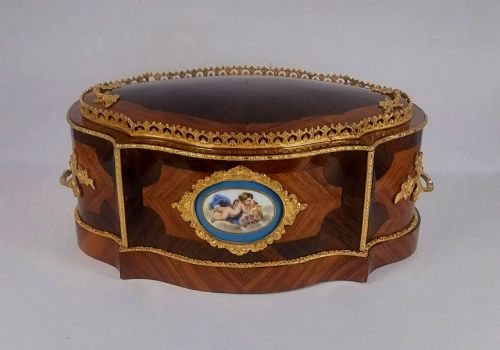
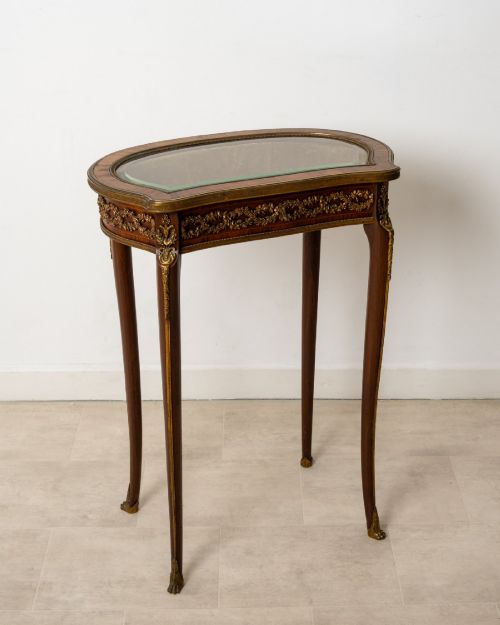
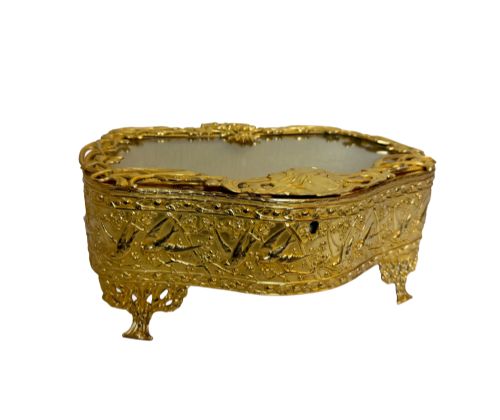
When searching for a french gilt brass box, you encounter pieces designed to hold jewellery, trinkets, pills or small treasures on a dressing table or desk. These items reflect the refined tastes of the eighteenth and nineteenth centuries, often taking the form of caskets, display cases or small pill boxes.
The versions most frequently met on this page span the Victorian and Napoleon III periods, drawing upon French Rococo and Empire styles. They range from modest glass-panelled trinket boxes to substantial ormolu-mounted caskets housing velvet or silk linings.
Materials and construction
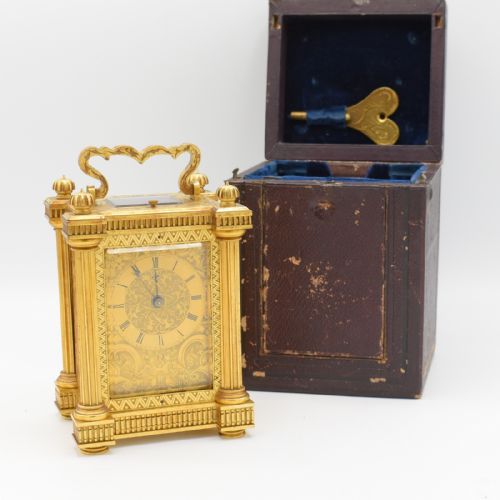
These items rely upon a foundation of brass, bronze or copper, subjected to fire gilding, electro-forming or applied ormolu to achieve a bright golden surface. Master founders cast the metal components with ornate scrollwork, foliage and architectural motifs before polishing and finishing them by hand.
Many examples incorporate glazed glass panels, bevelled crystal or hand-painted porcelain plaques set directly into the metal frame. Interior compartments often use fitted leather, silk or velvet to cradle delicate items safely.
French Gilt Brass Box Retail Price Guide 2026
Typical asking prices for french gilt brass box among the pieces listed under this phrase on Sellingantiques today, from the lower quarter to the upper quarter. They describe what is for sale here now, not the wider market.
Materials recorded across the inventory include gilt brass, ormolu, bronze, tortoise shell, porcelain, agate and bevelled glass.
Markers of quality
Quality in these pieces rests upon the crispness of the metal casting and the depth of the gilding. Superior examples display sharply rendered chased details rather than soft, smoothed surfaces, and use heavy, solid brass or bronze rather than light metal alloys.
The integration of materials also defines the better items, such as tightly fitted glass panels, working clasps, and original hand-sewn interior linings. Finer specimens often incorporate specialised elements like champlevé enamel, agate bands or hand-painted porcelain.
Howell & James London·Drocourt
The French Gilt Brass Box Glossary
- Ormolu
- Gilt bronze or brass, applied through a mercury gilding process or modern electroplating to create a rich golden finish. This material defines the luxurious appearance of many nineteenth-century decorative items.
- Champlevé
- An enamelling technique where troughs are dug into the metal surface and filled with vitreous enamel before firing. It frequently decorates nineteenth-century boxes and pill containers.
- Casket
- A small ornamental box or chest intended for holding jewellery, letters or precious keepsakes. These often feature glazed panels or heavy cast metal framing.
- Napoleon III
- A French design style spanning the mid to late nineteenth century, known for reviving earlier Rococo and Empire motifs with lavish ornamentation. Pieces from this era often use heavy ormolu mounts and glass.
French Gilt Brass Box: Frequently Asked Questions
What were these boxes used for?
These containers served primarily as dressing table accessories for holding jewellery, trinkets, snuff or small personal items. Wealthy owners placed them on desks and mantelpieces as both functional storage and decorative ornaments.
Larger caskets held precious keepsakes, while smaller pill and snuff boxes were carried in pockets or kept close at hand in reception rooms.
How do I date a french gilt brass box?
Dating relies upon observing the prevailing style, manufacturing techniques, and materials associated with specific periods like Napoleon III or the Victorian era. Earlier eighteenth-century pieces often display hand-chased details and different construction methods compared to mass-produced late nineteenth-century items.
Examining the hinges, locks, and interior linings also provides clues regarding the decade of manufacture.
Are the interiors original?
Many surviving pieces retain their original silk, velvet or leather linings, often showing signs of gentle wear consistent with their age. Some items have been re-lined over the decades to preserve their usability as trinket storage.
Checking the fit and fabric type helps determine whether the interior matches the period of the exterior metalwork.
How do I care for gilt brass?
Maintenance requires gentle dusting with a soft, dry cloth to protect the delicate gilt surface from abrasion. Avoid using chemical metal polishes, as these can strip away the thin layer of gold leaf or electroplated finish.
Keeping the boxes away from direct moisture and handling them by the metal frame rather than delicate glass panels preserves their condition.