


French Gesso Frame
When choosing a french gesso frame, you acquire an ornate piece of historical craftsmanship designed to elevate mirrors and oil paintings alike.
French Gesso Frame
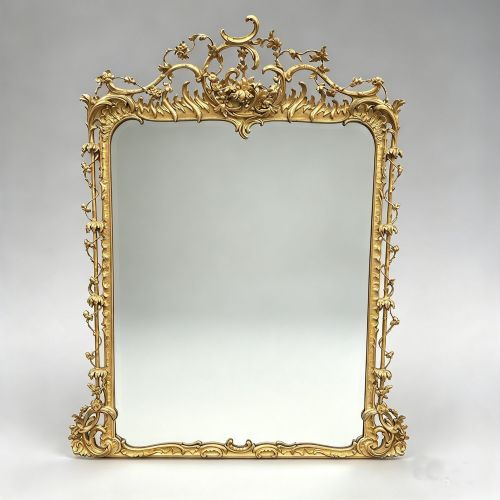
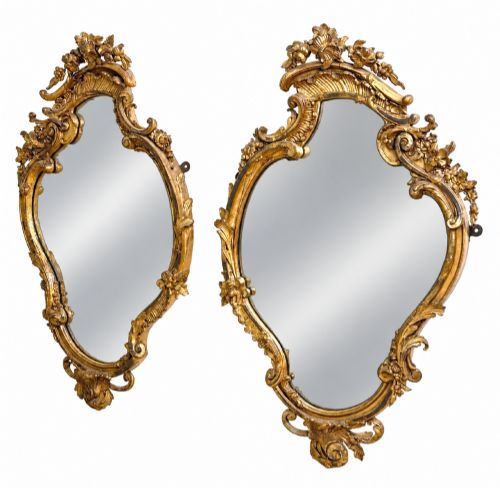
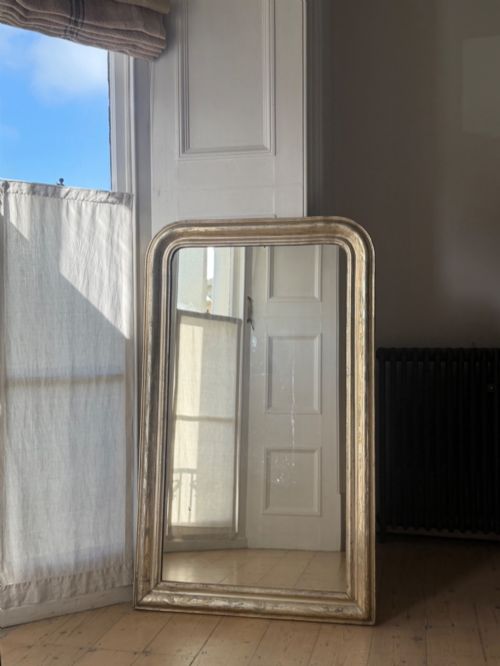
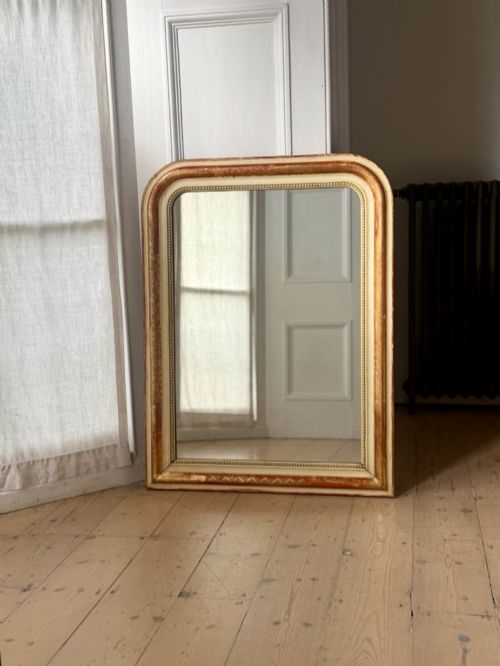
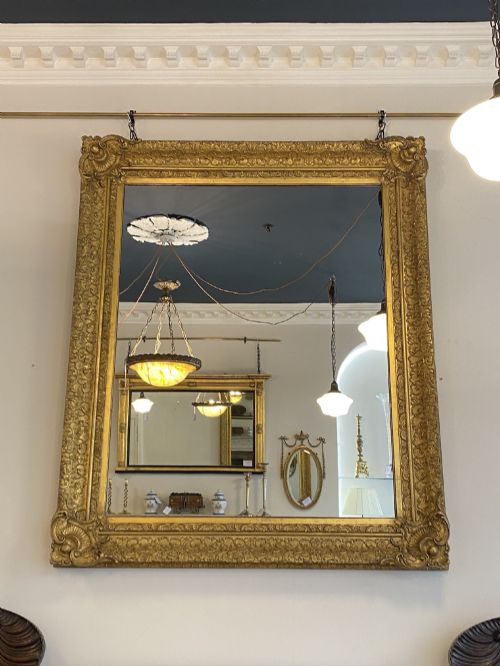
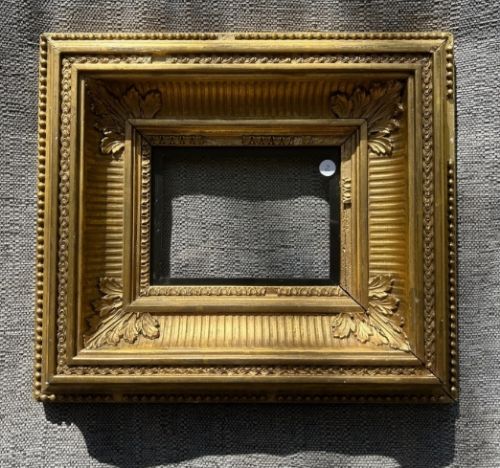
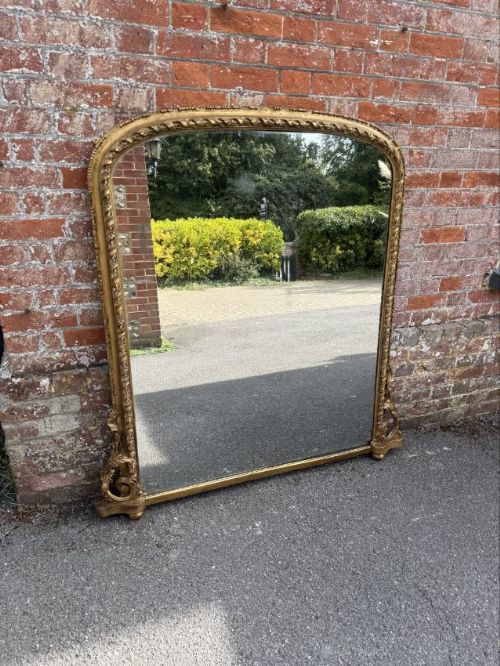
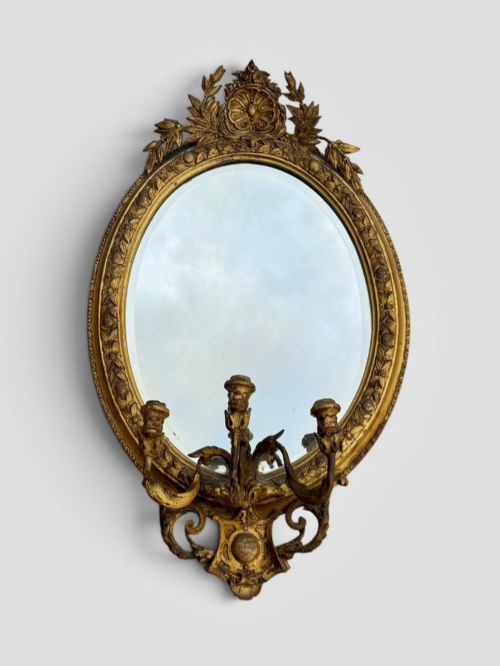
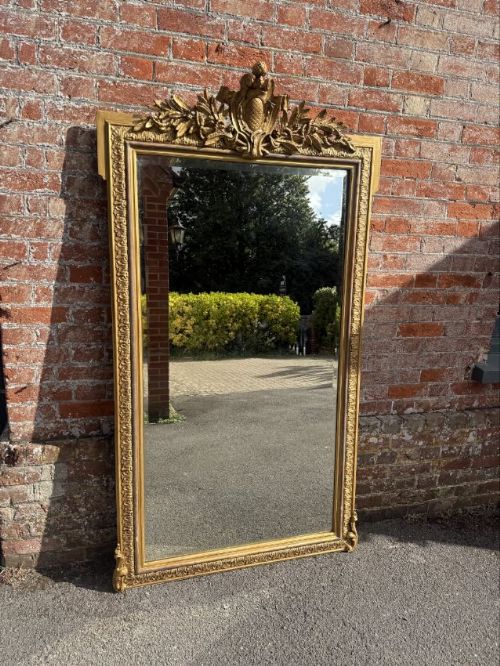
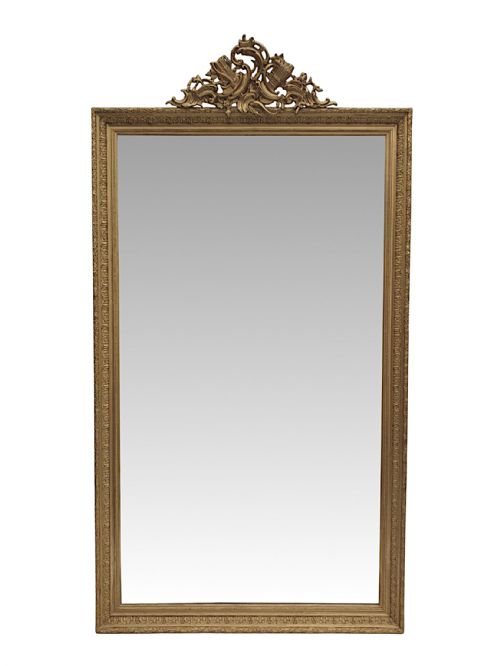
Buyers seeking a french gesso frame encounter heavily decorated wall mirrors, overmantels, and picture frames originating primarily from the nineteenth century. These objects typically display elaborate moulded ornamentation inspired by Rococo and Louis XV revival styles, featuring curved profiles and shaped tops.
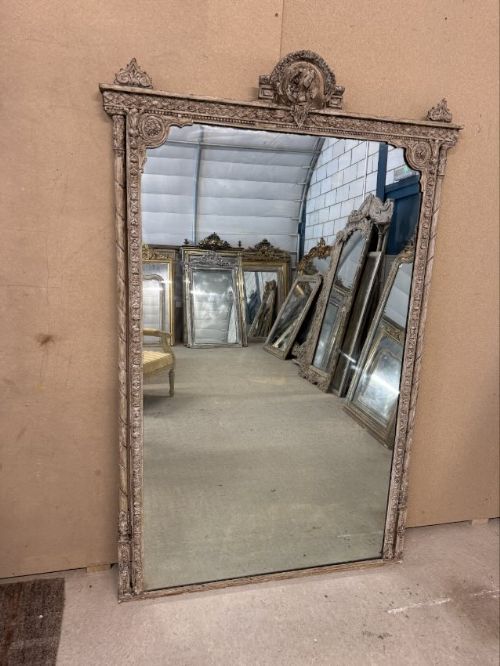
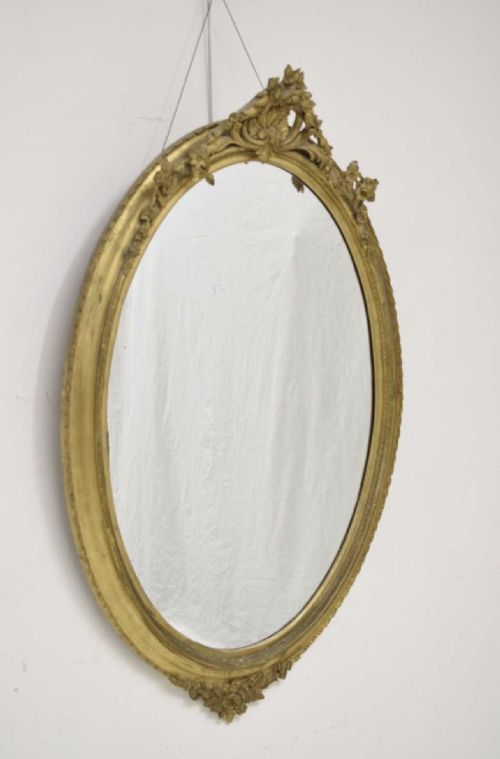
The selection ranges from large architectural overmantel mirrors designed for reception rooms to smaller oval panel mirrors and swept picture frames. Many items combine traditional joinery with deeply embossed surface decoration built up around wooden foundations.
How they were made
Artisans built the structural core of each piece using carved wood, forming arches, columns, and intricate borders. Upon this wooden base, they applied successive layers of gesso, a plaster-like mixture of chalk and binder, which allowed for deep relief moulding and sharp detailing.
Makers finished these prepared surfaces by applying gold leaf, silver leaf, or mixed metallic applications, occasionally combining paint and burnishing to create rich textural contrast.
French Gesso Frame Retail Price Guide 2026
Typical asking prices for french gesso frame among the pieces listed under this phrase on Sellingantiques today, from the lower quarter to the upper quarter. They describe what is for sale here now, not the wider market.
Many nineteenth-century mirrors spent generations reflecting Parisian drawing rooms before finding new life in modern homes.
What varies in quality
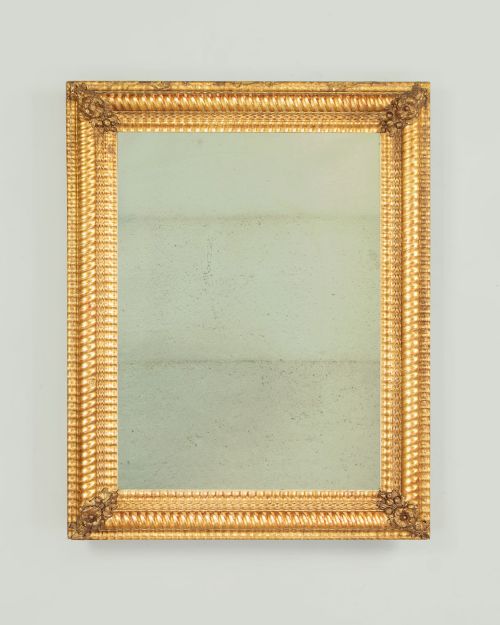
The standard of an antique frame depends heavily on the depth and crispness of the moulded gesso relief work, where hand-carved wooden underpinnings meet finely detailed plaster composition. Superior examples maintain the integrity of their intricate rope twist, floral, or laurel leaf motifs without softening or clogging in the recesses.
Preservation of the original surface finish heavily dictates value, distinguishing items retaining their authentic giltwood, silvering, or early paint layers from those heavily altered by modern restoration.
The French Gesso Frame Glossary
- Gesso
- A dense mixture of chalk, gypsum, and glue applied to a wooden base to form a smooth or moulded surface for gilding and painting. It provides the foundation for intricate relief decoration.
- Giltwood
- Timber that has been coated with a thin layer of gold leaf over a prepared ground. This technique creates a luminous, warm metallic sheen.
- Overmantel
- A large mirror specifically proportioned to hang directly above a fireplace mantelpiece. These fixtures often feature arched tops and horizontal expanses.
- Rococo Revival
- A nineteenth-century design movement resurrecting the ornate, asymmetrical scrolling curves and naturalistic motifs of the eighteenth-century French court. It dominates the ornamentation of these frames.
- Mercury Plate
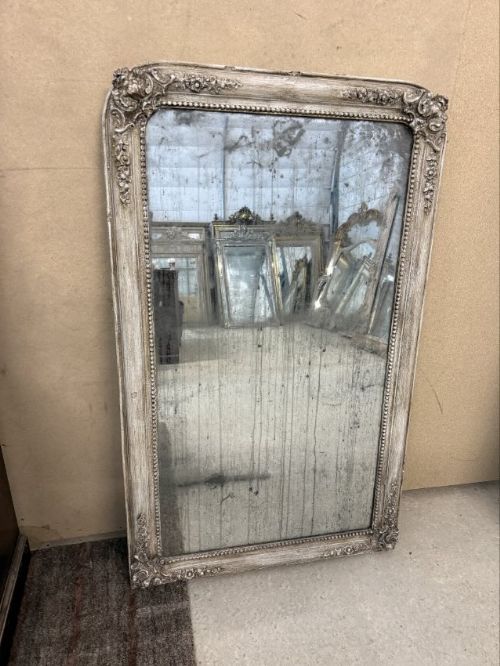
- An older style of mirror glass produced using a tin and mercury amalgam before the introduction of modern chemical silvering. It often exhibits characteristic tiny speckles and deep reflections.
French Gesso Frame: Frequently Asked Questions
How do I hang a heavy overmantel mirror?
These substantial wooden and gesso pieces require secure anchoring directly into wall studs using heavy-duty brackets suited to their considerable weight.
Professional installation ensures the frame rests safely without placing undue stress on the antique structure or original glass.
Can I clean the original gilt surface?
Dusting gently with a dry, soft brush is the only recommended maintenance for delicate gesso and gold leaf surfaces.
Moisture and commercial cleaning agents will strip the historic metallic leaf and dissolve the underlying plaster composition.
What defines a Louis Philippe mirror?
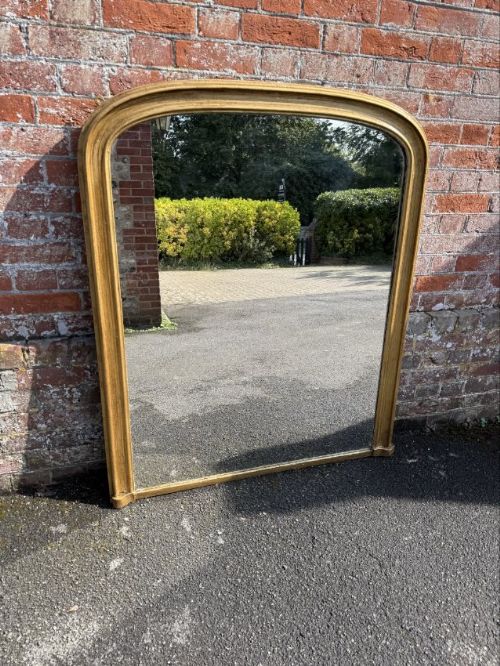
Louis Philippe frames typically feature softly rounded upper corners combined with a clean rectangular lower section, balancing architectural structure with subtle curves.
Originating in mid-nineteenth-century France, they offer a slightly more restrained aesthetic than full Rococo revival pieces.
How do I spot original mercury glass?
Original mirror plates display subtle clouding, dark speckling, and a deep, slightly distorted reflection caused by historic manufacturing methods.
These natural signs of ageing distinguish period glass from later replacements.