


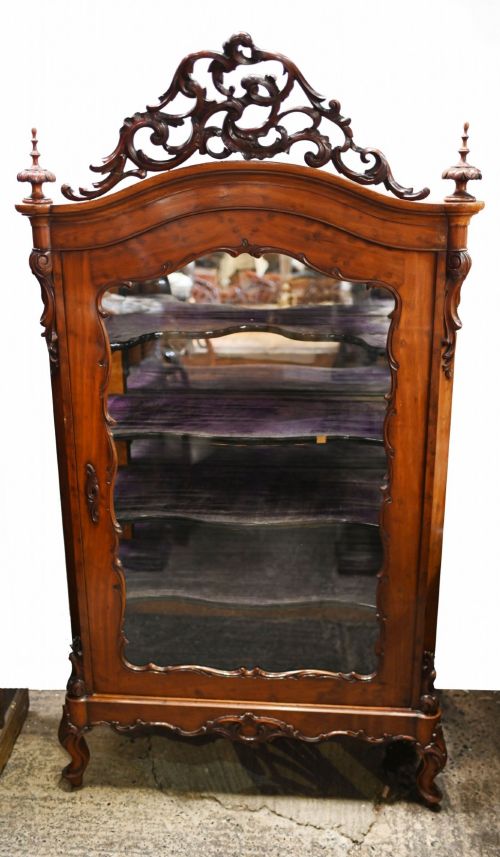
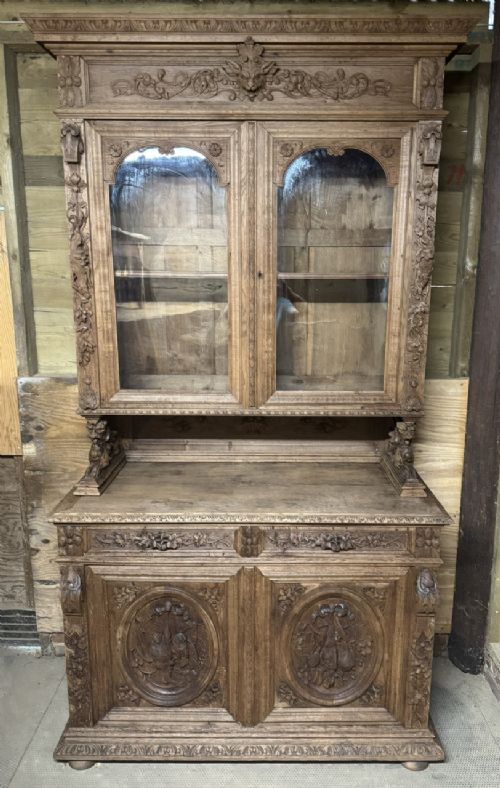
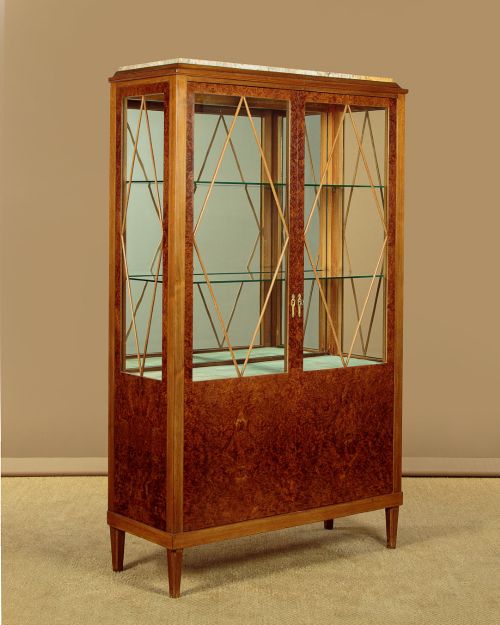
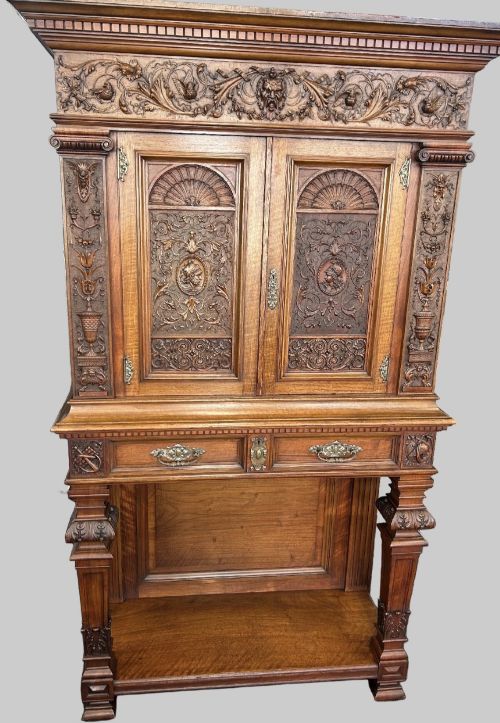



French Furniture Bookcase
These french furniture bookcase pieces combine refined storage with classical continental elegance, offering a practical centrepiece for any study or salon.
French Furniture Bookcase
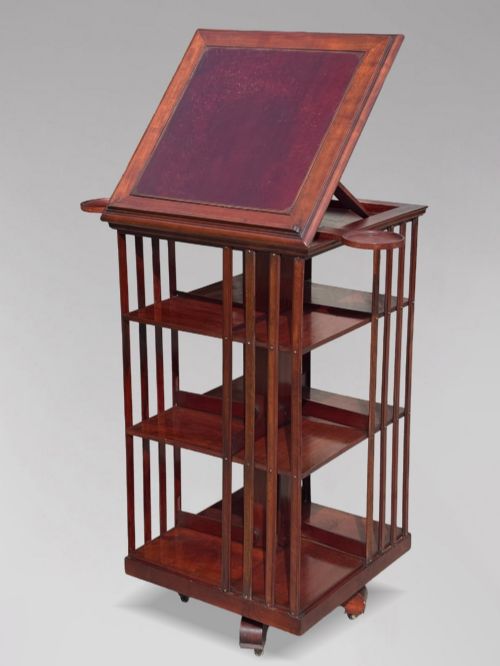
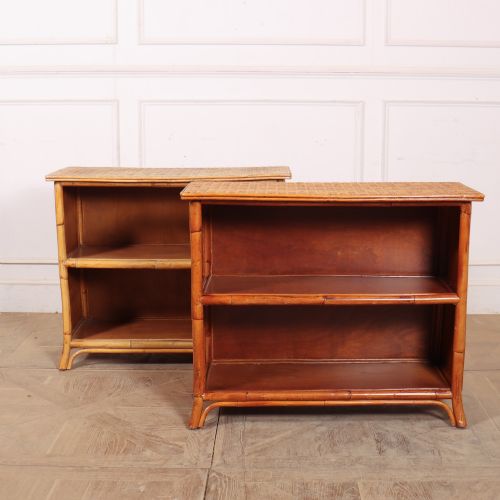
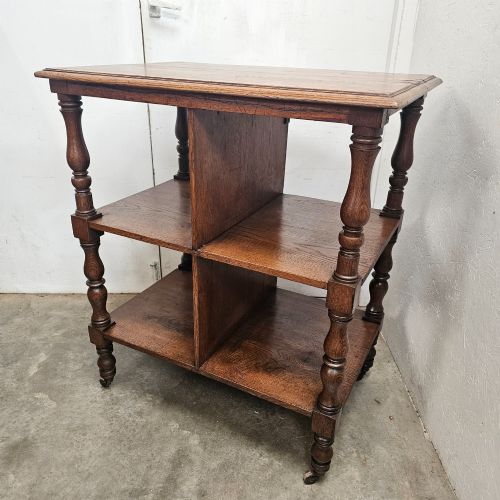
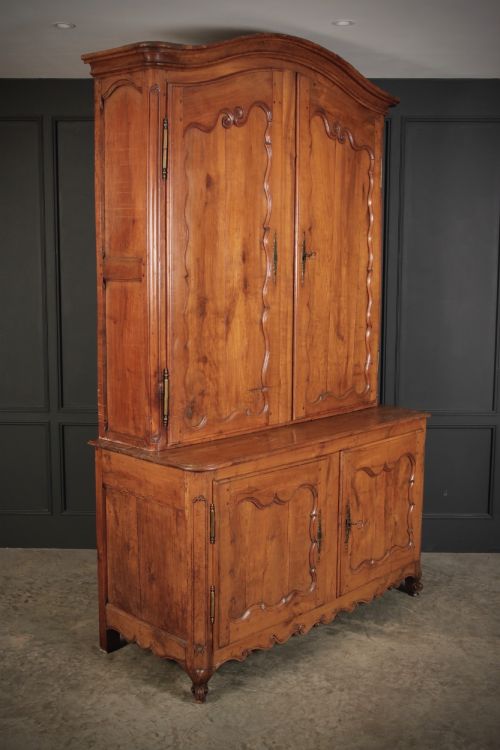
A french furniture bookcase search uncovers a diverse range of storage forms, from upright display vitrines and wall shelves to revolving bookcases and library carts. The pieces originate predominantly across the nineteenth century alongside eighteenth-century provincial examples and early twentieth-century interpretations.
Buyers commonly encounter mahogany, walnut and oak bodies shaped by revivalist movements such as Rococo, Empire and Neoclassical designs. These works bridge practical utility with decorative housing for volumes and porcelain collections.
Materials and Technique
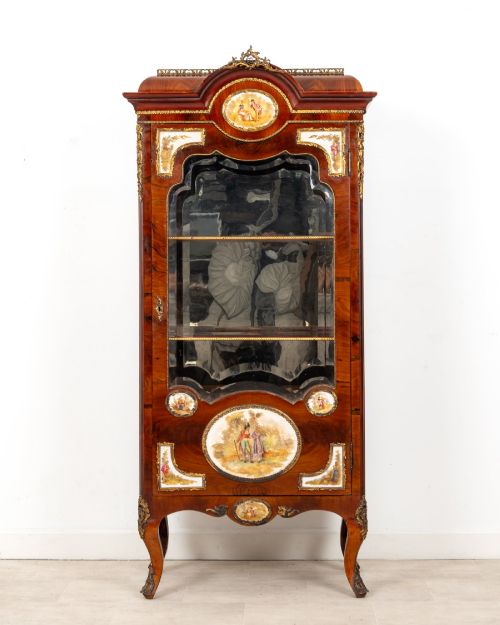
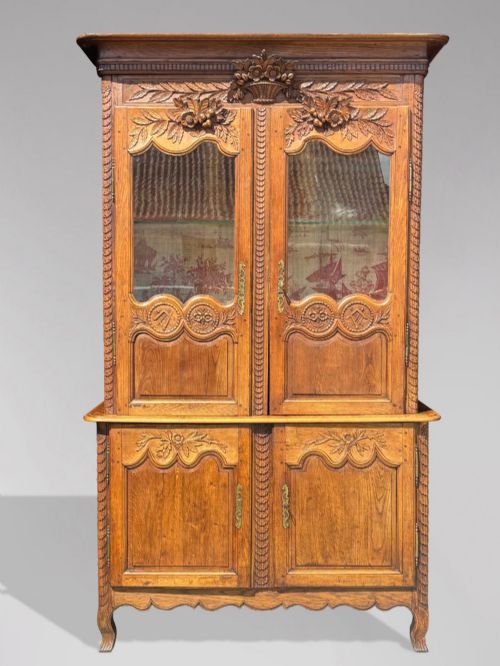
Construction relies heavily on dense timbers including mahogany, walnut, kingwood and oak, often paired with glazed doors or open shelving structures. Cabinetmakers integrated brass mounts, ormolu, and delicate marquetry inlay to articulate the surfaces.
Finishing techniques range from French polishing to ebonising and parcel-gilt detailing, supporting structural elements like turned legs, serpentine fronts, and hand-carved panels.
French Furniture Bookcase Retail Price Guide 2026
Typical asking prices for french furniture bookcase among the pieces listed under this phrase on Sellingantiques today, from the lower quarter to the upper quarter. They describe what is for sale here now, not the wider market.
Among the towering libraries and grand vitrines, a miniature apprentice furniture sample offers a delightful quarter-sized study in mahogany bureau bookcases.
Craft and Proportion
Quality rests upon the crispness of the timber grain, the precision of brass or ormolu mounts, and the balance of architectural proportions. Master cabinetmakers achieved fluid lines in serpentine fronts and seamless joinery in glazed doors.
The refinement of hand-carved details, the integration of painted panels, and the weight of internal shelving distinguish standard production furniture from masterworks bearing maker stamps.
Gillows·Gabriel Viardot·Mercier Frères·Paul Sormani·Victor Raulin·Maison Krieger
The French Furniture Bookcase Glossary
- Ormolu
- Gilded bronze mounts applied to furniture. These decorative elements provide metallic contrast against dark woods like mahogany and walnut.
- Vitrine
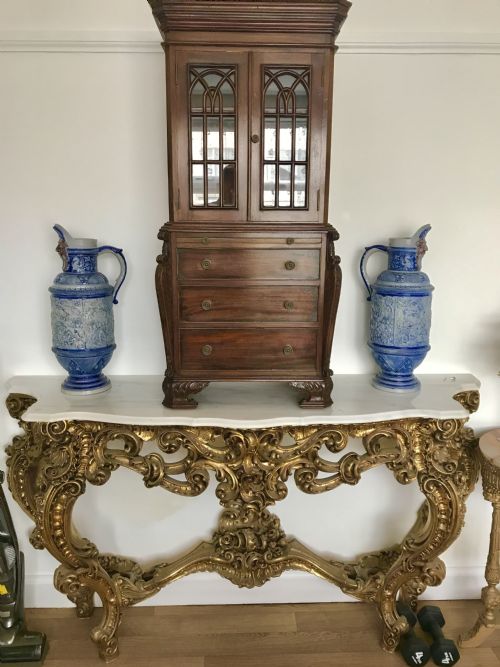
- A glass-fronted cabinet designed for displaying porcelain and objects. The glazed doors protect contents while offering light from multiple angles.
- Marquetry
- Inlaid wood veneers forming decorative patterns. Craftsmen cut contrasting timbers to create pictorial or geometric motifs on cabinet doors.
- Boulle
- A marquetry technique using brass and tortoiseshell. Named after French cabinetmaker André-Charles Boulle, it creates shimmering metallic surfaces.
French Furniture Bookcase: Frequently Asked Questions
How do I identify French Empire bookcases?
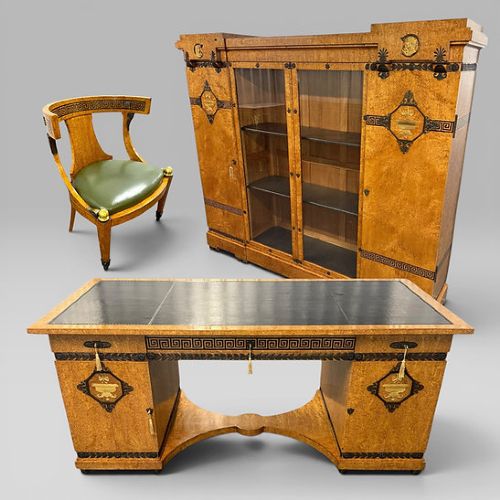
French Empire bookcases typically feature strict architectural lines, dark mahogany timbers, and classical ormolu mounts such as wreaths, columns, or sphinxes. The aesthetic draws heavily on ancient Roman and Greek motifs.
These pieces prioritise symmetry and imposing vertical presence, making them distinct from the lighter, curving forms of earlier Rococo revivals.
What is a bouillotte or boulle cabinet?
A boulle cabinet incorporates elaborate tortoiseshell and brass inlay developed during the seventeenth century and revived in later periods. The contrasting materials catch ambient light.
Such cabinets serve as statement display pieces rather than simple book storage, often housing small porcelain collections.
Where should I place a vitrine cabinet?
Vitrines work best in drawing rooms or studies where natural light can illuminate the glass panels and interior shelves. Keep them away from direct sunlight to protect antique wood finishes.
Ensure the floor is level so the glazed doors hang true and open smoothly without catching on the frame.
How do I care for antique French polished wood?
Maintain polished surfaces by dusting with a dry, soft cloth and avoiding silicone-based polishes. Keep the wood away from direct heat sources to prevent timber splitting.
Occasional application of pure beeswax preserves the lustre of walnut, mahogany, and kingwood surfaces without damaging the historic finish.