




French Four Drawer Chest
A french four drawer chest offers generous proportions and refined timberwork, bringing practical storage and distinct continental character to a bedroom or hallway.
French Four Drawer Chest
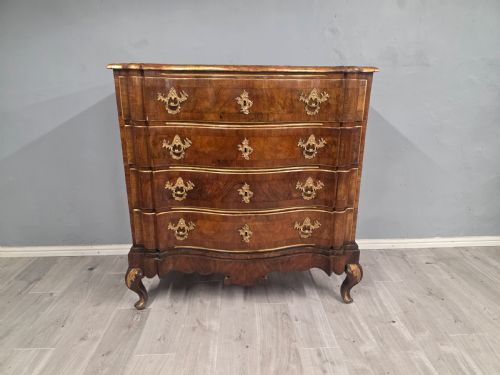
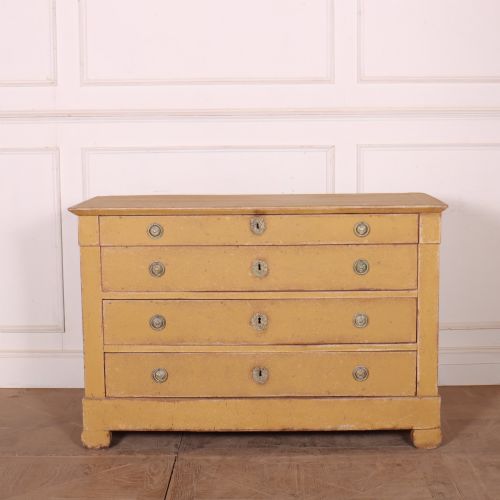
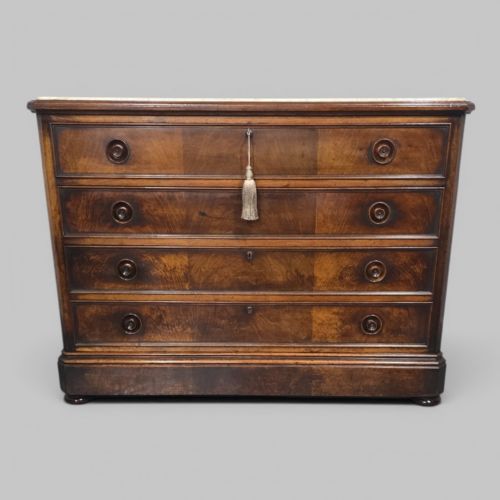
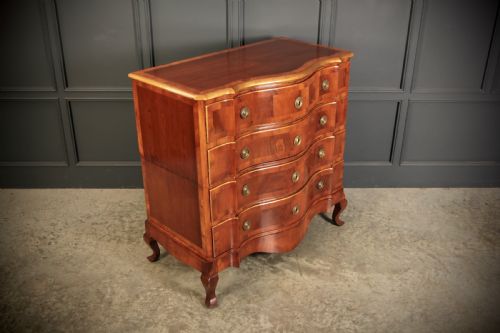
When you search for a french four drawer chest, you encounter substantial case furniture originating primarily from the eighteenth and nineteenth centuries. These pieces span provincial workshops and grand urban ateliers, reflecting the varied regional aesthetics of France.
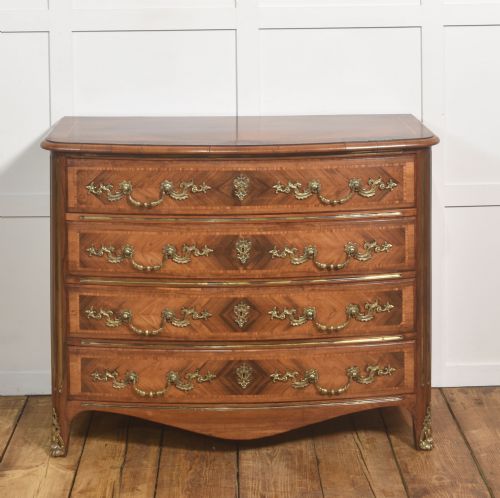
The selections you meet here include serpentine shapes, bombe profiles, and straight-fronted commodes. Common timber varieties include walnut, flame mahogany, and exotic veneers such as kingwood and tulipwood.
Stylistic influences range from the robust Louis Philippe era to ornate Louis XV and Louis XVI revivals. Many examples incorporate fitted marble tops and cast brass or ormolu mounts that define the continental aesthetic.
Materials and construction methods
Cabinetmakers built these carcases using solid timbers such as oak and walnut for structural integrity. Drawer linings and internal framing frequently utilise secondary softwoods or oak, constructed with traditional joinery.
French Four Drawer Chest Retail Price Guide 2026
Typical asking prices for french four drawer chest among the pieces listed under this phrase on Sellingantiques today, from the lower quarter to the upper quarter. They describe what is for sale here now, not the wider market.
Several chests cleverly conceal hidden top drawers just beneath their heavy marble slabs, perfect for keeping secrets.
Judging quality and craftsmanship
The distinction between standard output and superior cabinetwork lies in the crispness of the carving, the synchronicity of the wood grain across the drawers, and the weight of the bronze or brass mounts. Finer pieces display meticulous attention to interior secondary woods and seamless veneer matching.
Original hardware and well-preserved marble slabs elevate a piece above those with replaced fittings or later restorations. The fluidity of the serpentine or bombe shaping demonstrates the confidence of the maker's hand.
Edwards and Roberts
The French Four Drawer Chest Glossary
- Commode
- A low chest of drawers or cabinet originating in France, serving both decorative and practical functions in domestic interiors.
- Serpentine
- A furniture front or top shaped with a convex centre flanked by concave curves, creating a fluid serpentine line.
- Bombe
- A swelling, bulging profile characteristic of certain baroque and rococo case furniture, curving outward towards the base.
- Ormolu
- Gilt-bronze mounts and decorative hardware applied to furniture, cast and chased to enhance the exterior design.
- Marquetry
- Decorative veneer patterns arranged in intricate geometric or floral designs across the surface of the timber.
French Four Drawer Chest: Frequently Asked Questions
What is a french four drawer chest usually called?
These items are frequently designated as commodes, reflecting their continental origins and traditional French terminology.
Dealer listings also reference them simply as chests of drawers or tall chests depending on their height and proportions.
How do I identify the period of my chest?
Dating relies on examining the construction techniques, secondary timbers, and stylistic markers such as hardware and veneer types.
Pieces originating in the nineteenth century often show revival styles like Louis XVI, whereas eighteenth-century examples display authentic period proportions and hand-cut joinery.
Where were these chests used in a home?
Historically, these pieces served as primary storage furniture in domestic bedchambers for linens and personal garments.
Today, buyers place them in hallways, living rooms, and bedrooms to provide a focal point while offering substantial enclosed storage space.
Why do some chests have marble tops?
Marble slabs were integrated into high-end continental commodes to provide a durable, cooling surface for washing accessories and displaying ornaments.
This addition also added significant weight to the piece, anchoring the substantial timber carcase securely.
How do I care for antique wood and marble?
Maintain timber surfaces by applying quality wax sparingly and avoiding direct exposure to strong sunlight or fluctuating humidity.
Clean marble tops with a damp cloth and mild soap, avoiding acidic substances that can etch or damage the polished stone.