




French Floral Light
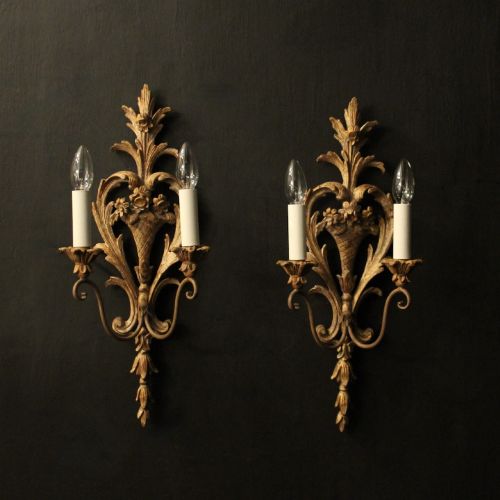
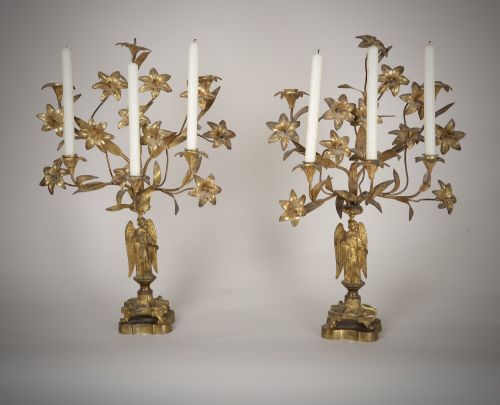
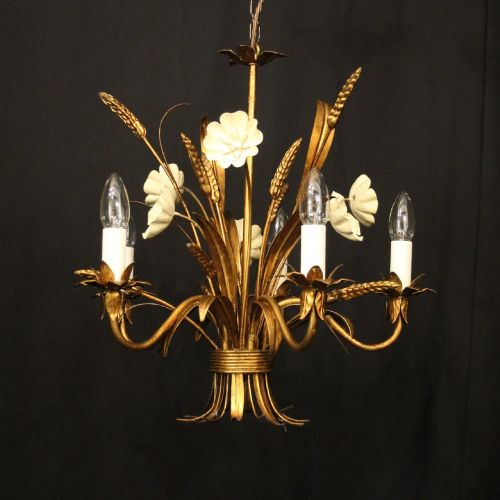
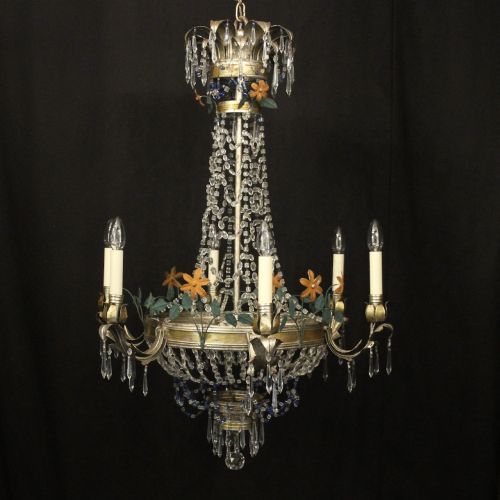
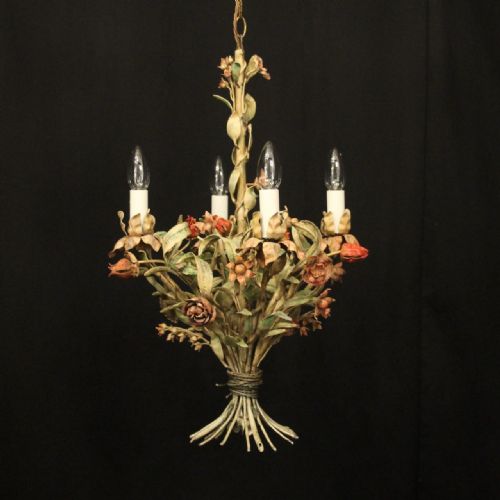
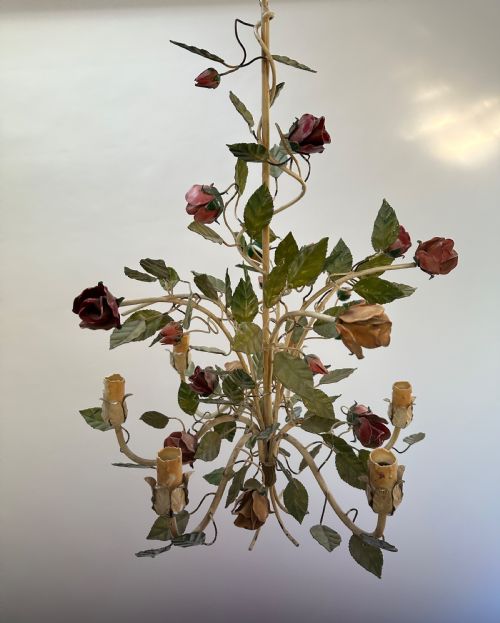
French floral light fixtures bring botanical forms and metalwork into interiors, ranging from gilt toleware chandeliers to ceramic flower wall sconces.
French Floral Light
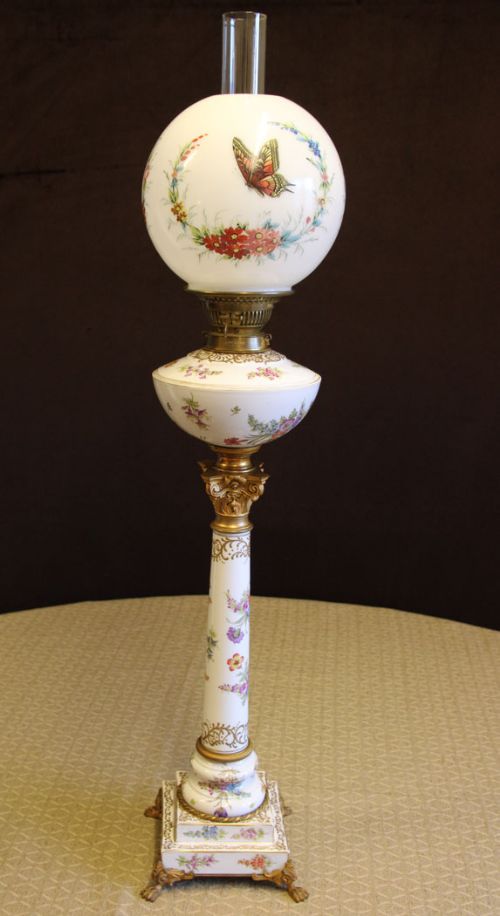
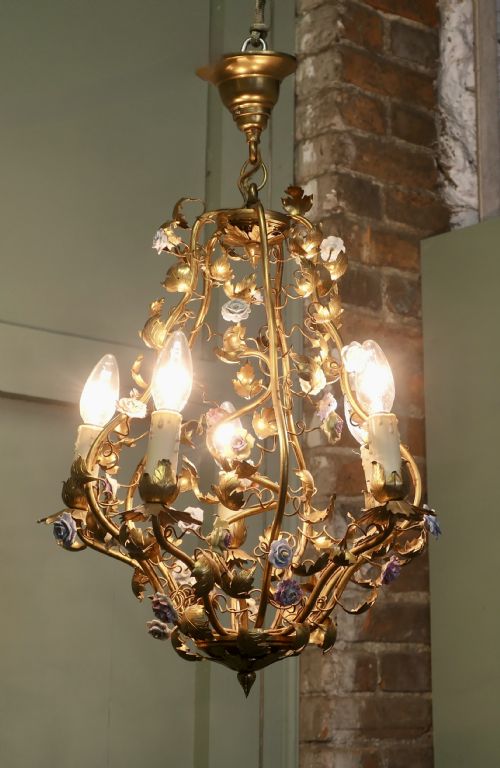
A French floral light brings botanical motifs into domestic spaces through chandeliers, wall lights, and table lamps adorned with ceramic flowers and metal foliage.
The pieces on this page span the late nineteenth century through the nineteen-thirties, encompassing toleware chandeliers, gilt bronze mounts, and hand-painted floral elements.
Buyers commonly encounter multi-branch toleware chandeliers alongside wall sconces featuring polychrome leaves and ceramic blossoms produced during the early twentieth century.
Materials and construction
Metal fabrication forms the structural core of these pieces, utilising brass, gilt metal, ormolu, and wrought iron to shape arms and candle branches.
Botanical and decorative details rely on shaped toleware, ceramic flowers, and frosted glass, often hand-painted in polychrome finishes to mimic natural flora.
Mounts and structural elements incorporate cast bronze and giltwood, sometimes combined with onyx or crystal drops to catch and reflect illumination.
French Floral Light Retail Price Guide 2026
Typical asking prices for french floral light among the pieces listed under this phrase on Sellingantiques today, from the lower quarter to the upper quarter. They describe what is for sale here now, not the wider market.
Listings feature items spanning the late 19th century through 1930, utilising materials such as toleware, brass, wrought iron, and moulded glass.
Assessing quality
Quality rests upon the precision of the metalwork and the hand-modelling of the ceramic or toleware flowers, where finer items display individual petal articulation.
The integration of materials dictates the standard, distinguishing pieces with chased gilt bronze mounts and hand-painted polychrome details from simpler pressed metal items.
Abel Landry·Schneider·Meissen
The French Floral Light Glossary
- Toleware
- Painted or lacquered metalware utilised for decorative vessels and floral light fixtures. This technique allows for vibrant polychrome finishes on leaves and petals.
- Ormolu
- Gilded bronze applied to mounts and decorative elements on lamps and candelabra. The process involves an amalgam of mercury and gold, creating a durable golden surface.
- Plafonnier
- A ceiling light fixture mounted flush or close to the surface, frequently featuring moulded or frosted glass shades.
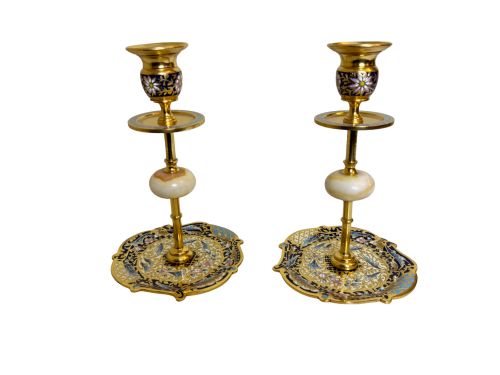
- Champlevé
- An enamelling technique where troughs are dug into metal and filled with vitreous enamel before firing. It appears frequently on nineteenth-century candlesticks and mounts.
French Floral Light: Frequently Asked Questions
What periods do these floral lights come from?
The pieces span from the late nineteenth century through the nineteen-thirties, capturing Art Nouveau and Art Deco movements alongside revival styles.
Earlier examples often feature heavy ormolu and porcelain, while nineteen-twenties pieces lean toward painted toleware and wrought iron.
How were toleware floral lights cleaned originally?
Careful dusting with soft brushes preserved the hand-painted polychrome surfaces on the metal leaves and ceramic petals without damaging the finish.
Water and harsh solvents were avoided to prevent rust on the iron or brass beneath the painted layers.
Where were wall sconces placed in period rooms?
Pairs of wall lights were positioned flanking mirrors, fireplaces, or doorways to maximise the reflection of candlelight or early electric illumination.
Their botanical branches softened the vertical architectural lines of nineteenth-century and Edwardian interiors.
How do I distinguish toleware from solid bronze?
Toleware consists of painted or enamelled sheet metal, making it lighter and revealing a ferrous or tin base beneath chips in the paint.
Bronze and ormolu are cast metals with substantial weight, showing a golden or brown metallic grain when the surface patination is gently rubbed.