
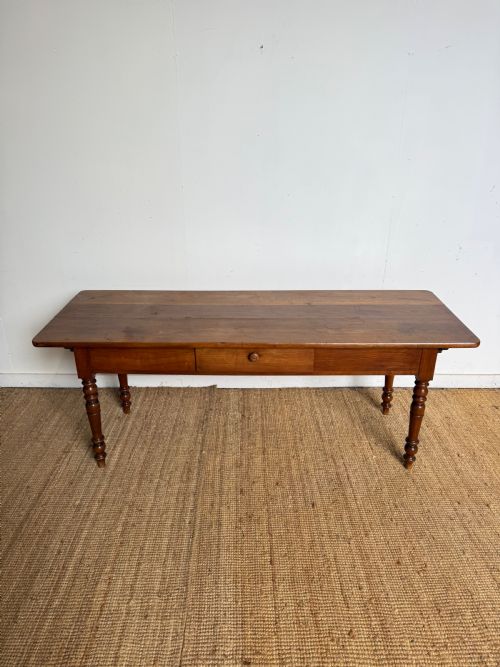
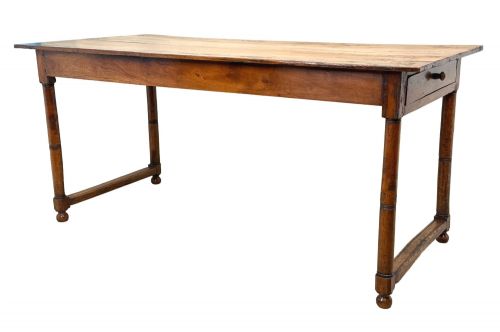
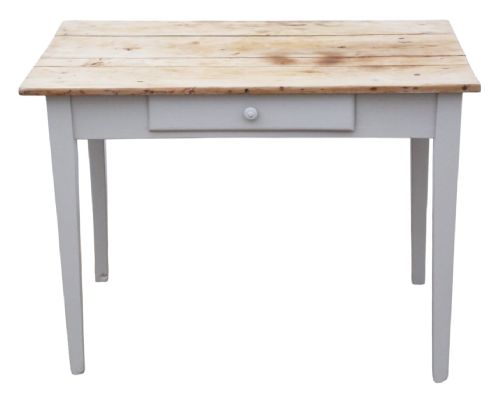


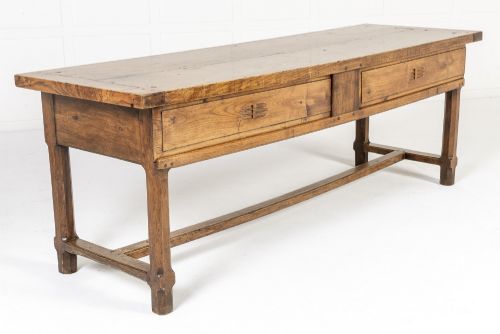


French Farmhouse Side Table
These pieces known as a french farmhouse side table bring utilitarian rustic charm and honest timber construction straight from provincial kitchens into everyday living spaces.
French Farmhouse Side Table
A french farmhouse side table encompasses robust timber furniture originating from provincial regions, designed primarily for utility and daily domestic work. The selections found here span from the eighteenth century through the nineteenth century, reflecting enduring utilitarian forms.
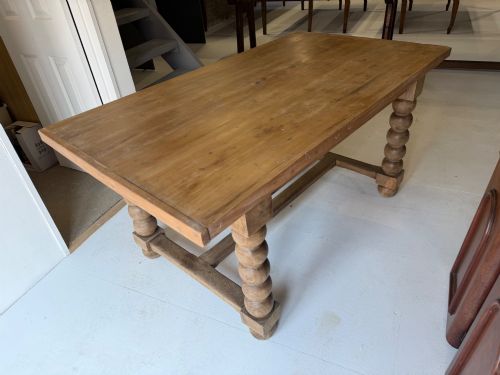
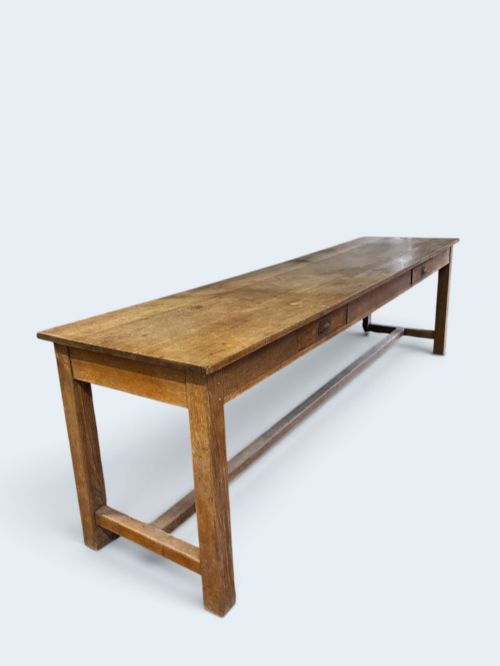
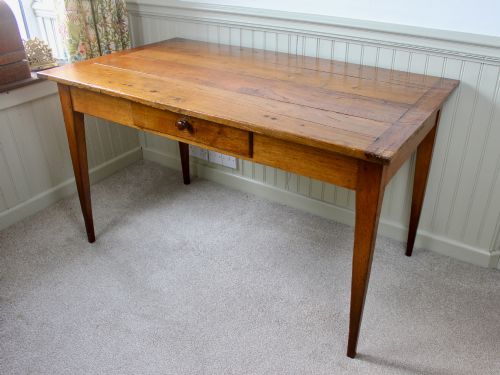
Buyers frequently encounter variations described as console tables, serving tables, and prep tables alongside standard dining or coffee table formats. These objects often display regional characteristics such as pot-shelves, drawers, or bobbin legs.
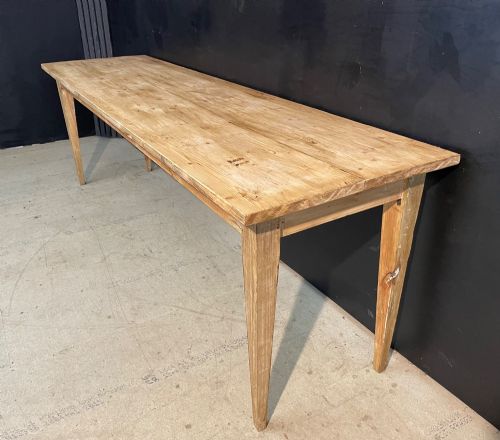
Materials range from substantial oak and pine to fruitwood, cherrywood, sycamore, elm, and scrubbed surfaces. Styles lean towards French country, provincial, and rustic farmhouse aesthetics built for hard daily service.
How They Were Made
Construction relies upon solid timber construction using regional hardwoods like oak, cherrywood, fruitwood, elm, and sycamore alongside softwoods like pine. Carpenters utilised traditional joinery to build tables capable of withstanding heavy daily kitchen and prep work.
Surfaces often show the marks of genuine domestic use, with scrubbed tops and painted finishes appearing frequently across surviving examples. Iron hardware and simple drawers provide functional utility without superfluous ornamentation.
Bread preparation tables often retain fine flour dust settled deep within centuries-old oak grain.
What Varies in Quality
Quality rests upon the choice of timber and the integrity of the original construction, with dense hardwoods like oak and cherry sitting apart from simpler pine or mixed-wood builds. The presence of regional markers, such as specific regional origins or integrated pot-shelves, elevates particular pieces.
The degree of original survival, including untouched scrubbed tops and period iron details, distinguishes standard utilitarian tables from finer manor house examples.
The French Farmhouse Side Table Glossary
- Scrubbed top
- A wooden tabletop repeatedly scoured clean with water and sand, leaving a pale, tactile finish. This treatment is typical of hard-working kitchen tables.
- Pot-shelf
- An open lower shelf built beneath the main surface for storing heavy pots and culinary utensils. It provides structural stability while doubling storage capacity.
- Trestle table
- A table comprising two or more support frames connected by a horizontal beam. This form allows maximum legroom along the length of the top.
- Fruitwood
- Timber harvested from orchard trees such as cherry, pear, or apple, prized for a warm grain and fine texture. It was frequently utilised by provincial cabinetmakers.
- Bobbin legs
- Turned furniture legs shaped with a series of rounded, spool-like protrusions resembling thread bobbins. This decorative turning appears on select nineteenth-century pieces.
French Farmhouse Side Table: Frequently Asked Questions
How were these tables used originally?
These tables served as central work surfaces for food preparation, kneading bread, and serving meals in provincial kitchens and manor houses. Their sturdy timber builds handled heavy daily labour before transitioning into domestic living areas.
Lower pot-shelves and drawers accommodated heavy cookware and utensils close at hand. Today, their generous proportions make them adaptable for hallway consoles or sideboards.
What woods should I expect to find?
Makers utilised whatever timber grew locally, resulting in a diverse mix of oak, pine, cherrywood, fruitwood, sycamore, and elm. Hardwoods like oak and cherry offer heavy durability, while scrubbed pine and sycamore provide lighter surfaces.
Some examples combine multiple timbers, pairing structural frames with scrubbed tops. Each wood type ages differently, developing distinct patinas through decades of exposure.
How do I date a provincial table?
Dating relies upon examining construction methods, tool marks, and timber shrinkage alongside stylistic cues from specific periods. Eighteenth-century examples often display hand-sawn boards and simpler, heavier proportions.
Nineteenth-century pieces introduce varied leg turnings and occasional painted finishes or multi-drawer configurations. Comparing joinery details helps establish the manufacturing era.
Can I use a prep table daily?
These pieces were originally built to withstand rigorous kitchen tasks, making them exceptionally durable for modern daily living. Scrubbed tops and solid timber construction handle regular use without delicate maintenance.
Placing them in hallways, kitchens, or living spaces provides practical surface area and storage drawers. Simple cleaning preserves the historic timber surfaces.