



French Equestrian Sculpture
French equestrian sculpture captures horses and riders in bronze and wood, bringing nineteenth-century animalier movement directly to a mantelpiece.
French Equestrian Sculpture
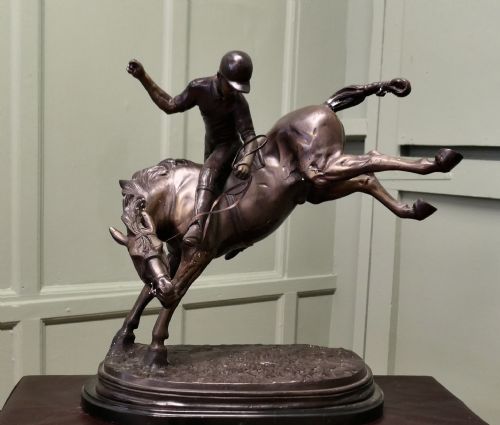
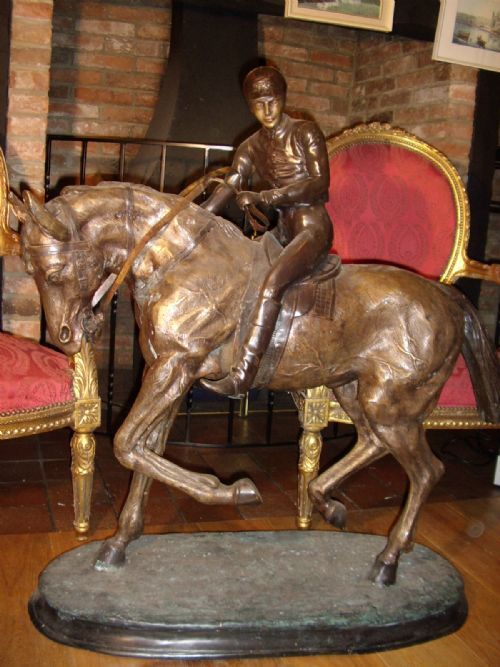
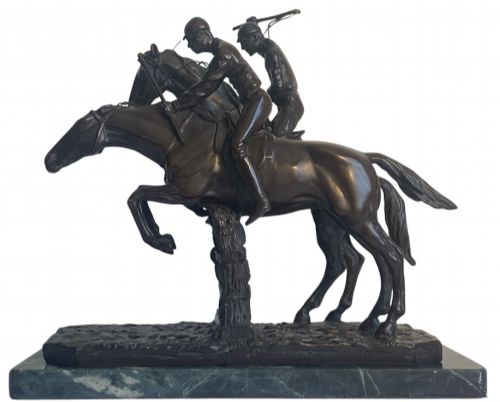
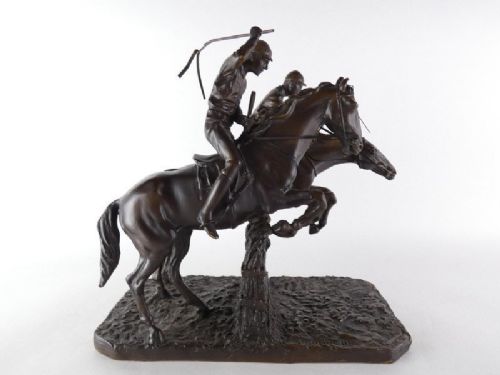
When you search for french equestrian sculpture, you encounter bronze and wood figures of horses, jockeys, soldiers, and monarchs produced primarily across the nineteenth century. These works emerge from French animalier and neoclassical traditions, capturing subjects ranging from racing thoroughbreds and steeplechase jumpers to historical figures on horseback.
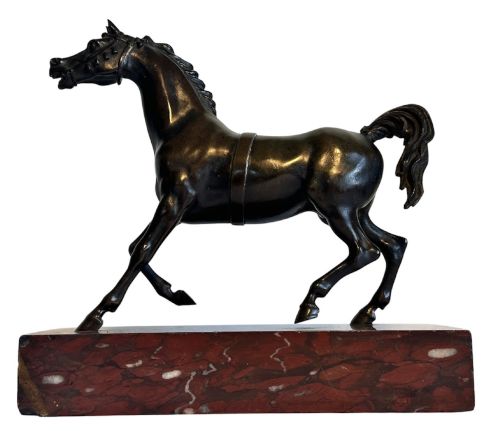
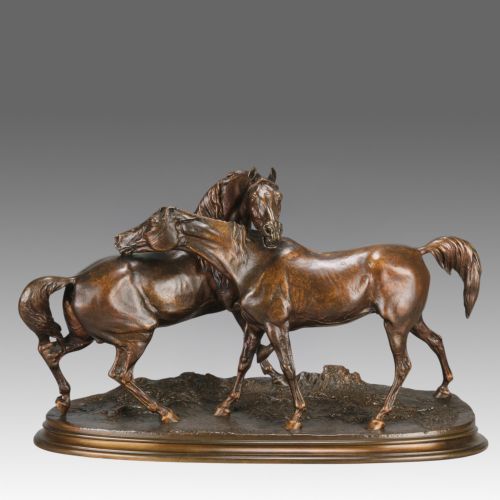
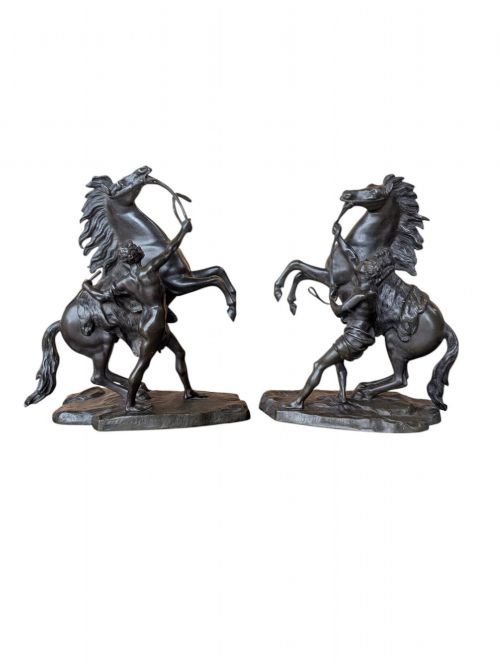
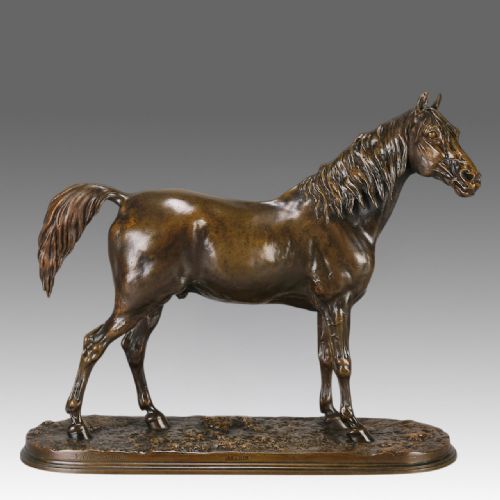
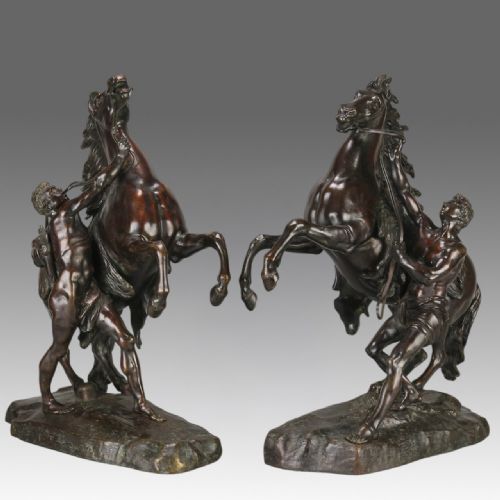
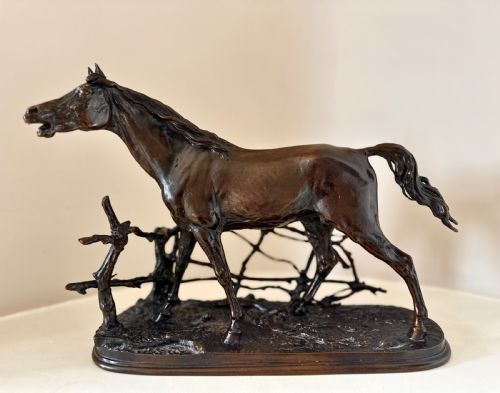
The version you meet most frequently on this page is the nineteenth-century bronze animalier casting, often mounted on a marble base. Subjects frequently depict identifiable compositions like the Marly horses or specific titled works by recognised animal sculptors of the period.
How these sculptures were produced
Foundries utilised the lost-wax casting method or sand casting to produce these bronzes, allowing precise rendering of musculature, tack, and rider detail. Patination was applied chemically to the metal surface to achieve deep brown, black, or greenish tones.
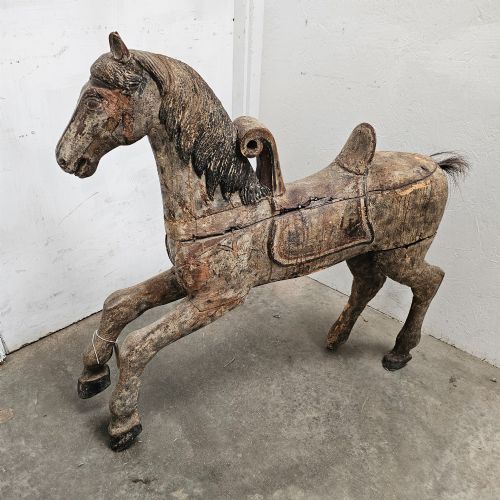
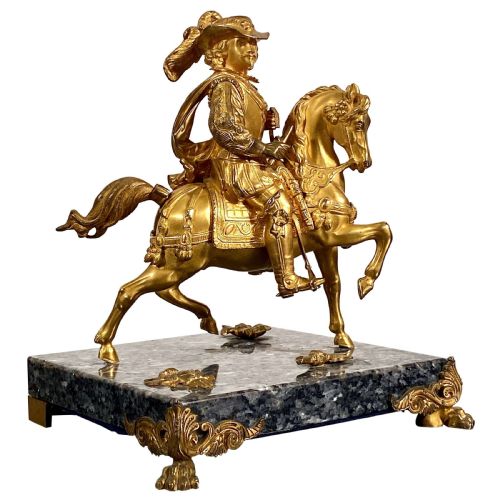
Alternative materials include carved wood, sometimes paired with paint or horsehair, alongside gilt bronze and ormolu used for decorative clock cases and statuettes. Marble serves regularly as a heavy supportive base for the bronze figures.
Monkeys take the reins instead of jockeys in at least one playful nineteenth-century bronze casting.
What separates works within this range
Quality rests in the crispness of the casting detail and the subtlety of the chasing work performed after the metal cooled from the mould. Superior examples preserve fine lines in the horse's coat, the rider's expression, and the texture of harnesses without softening the contours.
The depth and nuance of the patination further distinguish the work, alongside the integration of the sculpture with its marble base. Casts produced directly under the supervision of the sculptor or by premier contemporary foundries demonstrate superior anatomical proportion and balance.
Pierre Jules Mene·Isidore Jules Bonheur·Charles Crozatier·Alfred Dubucand·Pierre Lenordez·Paul Joseph Gayrard
The French Equestrian Sculpture Glossary
- Animalier
- A nineteenth-century artistic movement focused on the realistic portrayal of animals, particularly horses, lions, and dogs. Practitioners studied live subjects closely at zoological gardens and stables.
- Patina
- The surface coloration and finish developed on bronze through oxidation or chemical treatment. This layer protects the metal and defines the visual depth of the sculpture.
- Ormolu
- Gilded bronze mounted decoratively, popular in French decorative arts and clockmaking. The technique involves applying finely ground gold mercury amalgam to a bronze base.
- Marly Horses
- A famous pair of monumental marble sculptures commissioned for Louis XV depicting horse tamers. Numerous nineteenth-century bronze reductions replicate this specific Coustou design.
French Equestrian Sculpture: Frequently Asked Questions
How do I identify an animalier bronze?
Animalier bronzes focus specifically on realistic animal anatomy and motion, often featuring signature marks of nineteenth-century French sculptors on the base. The surfaces display dark patination and detailed muscle definition.
These works typically stand independently or upon marble plinths, reflecting the rigorous observation of horses in motion common to the period.
What are Marly horses?
Marly horses replicate the famous monumental sculptures originally carved by Guillaume Coustou for the royal residence at Marly. They depict rearing horses restrained by handlers.
Nineteenth-century foundries frequently produced scaled-down bronze versions of these dynamic compositions for domestic display.
Where were these sculptures displayed?
Original placement included nineteenth-century drawing rooms, libraries, and studies, where bronze figures and mantel clocks sat upon desks, sideboards, or fireplace mantels. Their substantial weight suited them for prominent display surfaces.
Today, they function well on similar wooden furniture or dedicated display stands that support their marble bases.
How should I care for a bronze horse?
Maintain the surface by dusting gently with a soft, dry cloth to prevent particulate accumulation. Avoid chemical cleaners or polishes that strip the historic patination.
Keep the sculptures away from direct heat sources and excessive moisture to protect both the metal and any accompanying marble or wood elements.