





French Enamel Art
French enamel art unites luminous glass, glowing metal and brilliant pigments across centuries of European craftsmanship.
French Enamel Art
When you search for french enamel art, you encounter a diverse array of decorative objects, from delicate pendants and scent bottles to substantial glass vases and wall lights. These pieces span centuries, originating predominantly from the eighteenth, nineteenth and early twentieth centuries under various stylistic movements.
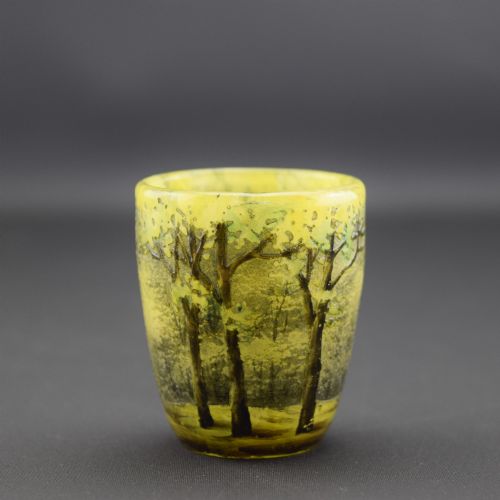
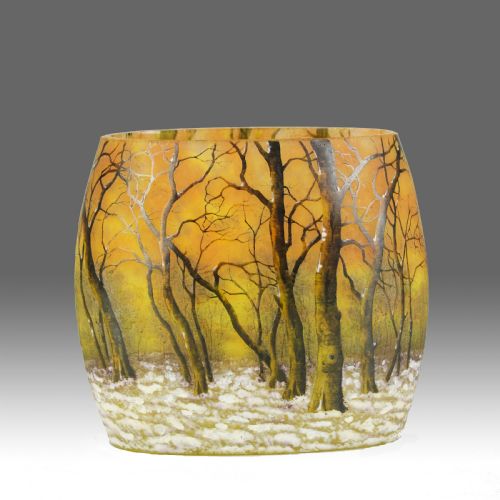
The selection here frequently highlights works from the Art Nouveau and Art Deco periods alongside earlier Limoges traditions. Vases, pendants and wall lights dominate the forms, often combining enamel with cameo glass, brass or gold leaf.
Makers such as Daum, Legras and Lalique appear regularly, showing the transition from nineteenth century naturalism to twentieth century geometric abstraction. Each object demonstrates a distinct application of vitreous materials upon metal, ceramic or glass grounds.
Materials and construction methods
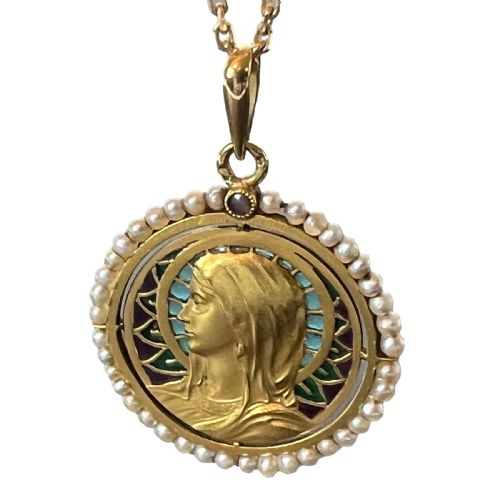
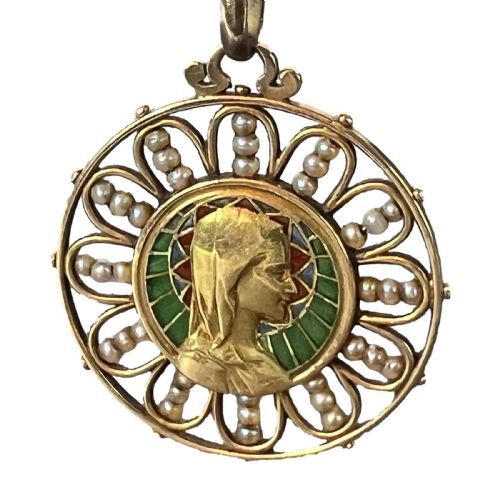
Artisans applied powdered glass pastes to metallic bases such as copper, gold or brass, firing the objects at high temperatures to fuse the vitreous coatings. Techniques like plique-a-jour suspended translucent enamel within delicate wire frameworks to let light pass directly through the colour.
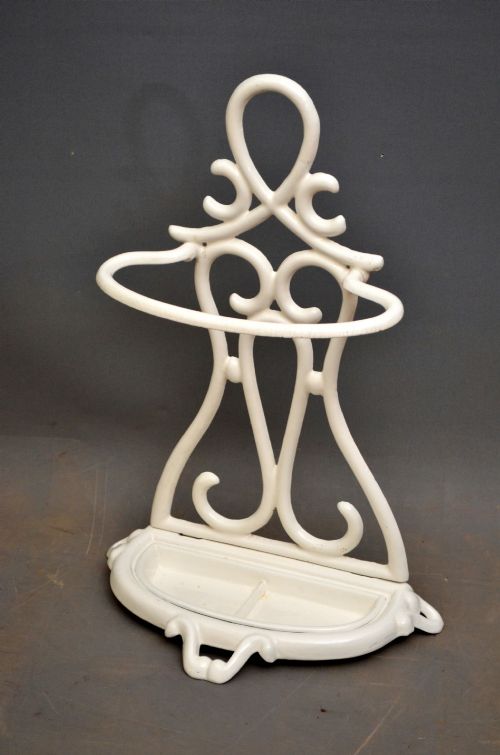
Glassmakers combined cameo etching with gold enamel decoration, layering frosted and clear glass before fusing metallic pigments onto the surface. Wrought iron, cast iron and sterling silver additionally served as structural or decorative supports for the enamelled elements.
French Enamel Art Retail Price Guide 2026
Typical asking prices for french enamel art among the pieces listed under this phrase on Sellingantiques today, from the lower quarter to the upper quarter. They describe what is for sale here now, not the wider market.
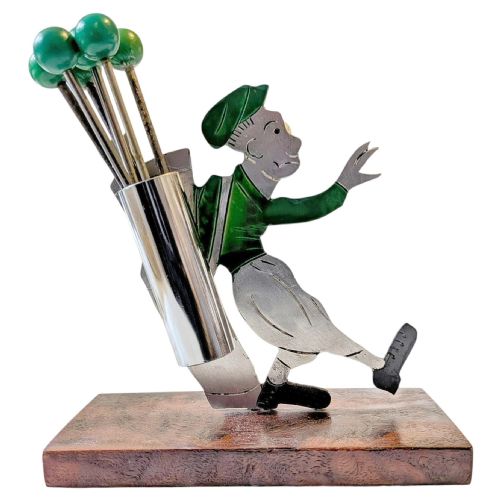
A comic golfer with caddy cocktail sticks proves that early twentieth century makers combined fine enamel craft with a sense of humour.
Distinctions in craftsmanship
Superior examples display precise control during high temperature firings, avoiding bubbling or discolouration within the vitreous paste. The fineness of the metal framework in plique-a-jour pieces or the depth of acid etching in cameo glass indicates the maker's technical mastery.
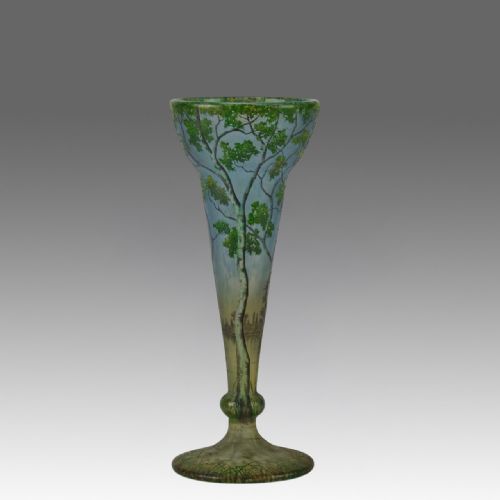
Design complexity and the integration of secondary materials, such as pearls set into eighteen karat yellow gold pendant medals, separate standard production from exceptional studio output. Hand painted landscape details on glass vases require steady execution to achieve tonal depth.
Daum Frères·Legras·René Lalique·Samson·François Eugène Rousseau·Baccarat·St Louis glassworks·Sudre·Sellier·Longwy
The French Enamel Art Glossary
- Plique-a-jour
- An enamelling technique where the enamel is applied within cells without a backing, resembling miniature stained glass. This lets light shine through the translucent colours.
- Cameo glass
- Glassware formed with multiple layers of different colours, then etched or carved to create a raised design. Artists frequently paired this technique with enamel highlights.
- Guilloche enamel
- Enamel applied over a metal surface that has been precision engraved with a repetitive mechanical pattern. The underlying design shows through the translucent layers.
- Limoges enamel
- Painted enamel plaques originating from the French city of Limoges, often depicting figurative scenes or portraits on copper bases. These date from early periods onward.
- Japonisme
- A nineteenth century artistic style reflecting the strong influence of Japanese art on European design. This aesthetic appears on bowls and vases decorated with botanical motifs.
French Enamel Art: Frequently Asked Questions
What is plique-a-jour enamel?
Plique-a-jour translates to letting in the daylight, describing an intricate technique where enamel fills open wire cells without a solid backing.
This creates a translucent, stained glass effect that glows brightly when held toward a light source.
How do I date antique enamel items?
Dating relies on stylistic markers, such as the flowing organic motifs of Art Nouveau or the sharp geometric lines of Art Deco.
Maker signatures, precious metal hallmarks and the specific manufacturing technique also help determine the period of origin.
Where were Limoges enamels made?
Limoges enamels originated in the historic French city of Limoges, renowned for centuries of specialised metalwork and fired pigment production.
Artisans there created detailed painted plaques on copper substrates, depicting classical or religious subjects.
How should I display enamel art?
Enamel objects benefit from placement away from direct, prolonged sunlight to protect delicate pigments and gold leaf details.
Positioning translucent pieces near natural light sources enhances the luminosity of plique-a-jour and cameo glass designs.