
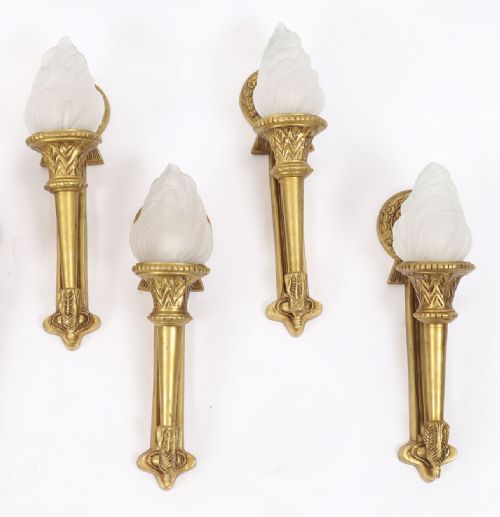


French Empire Wall Sconces
French empire wall sconces bring classical grandeur and striking illumination to interiors through disciplined symmetry and rich metalwork.

What They Are
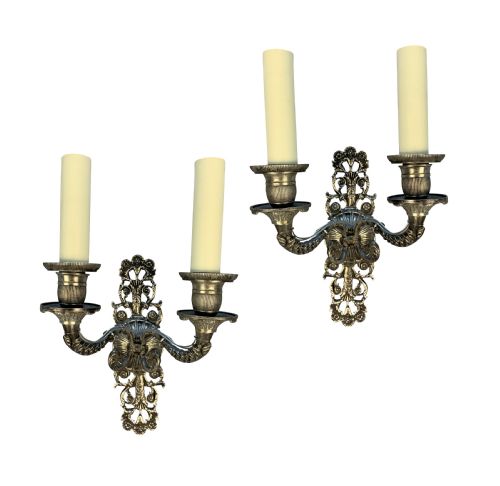
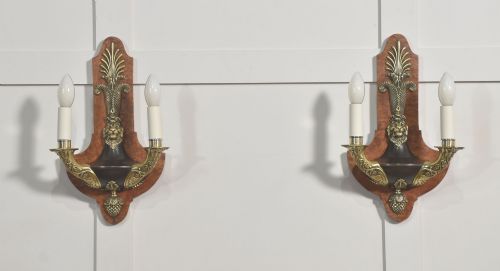
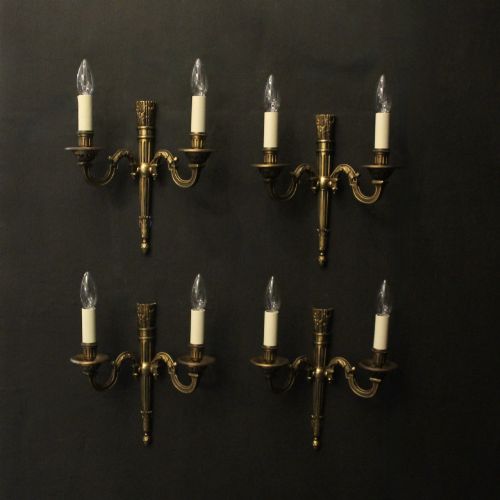
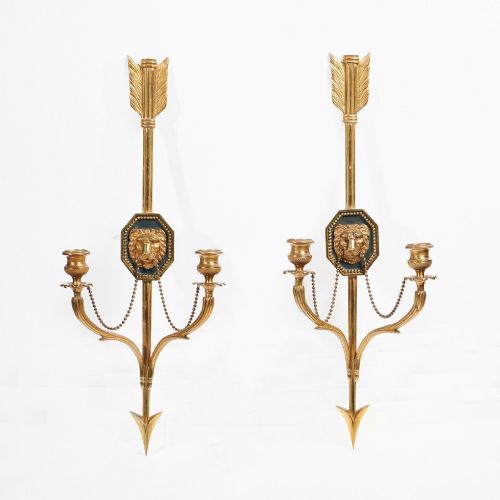
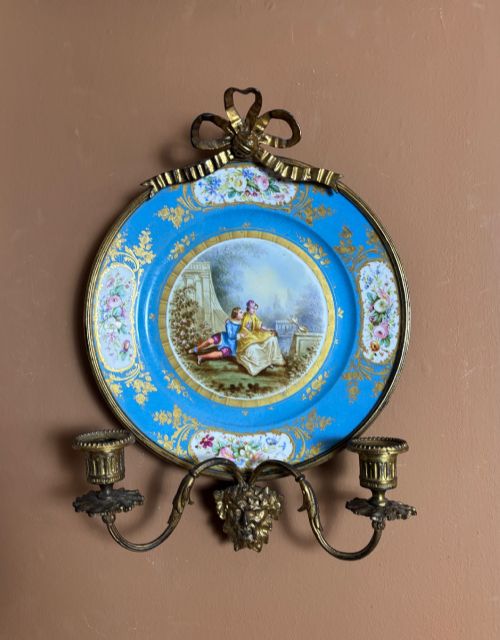
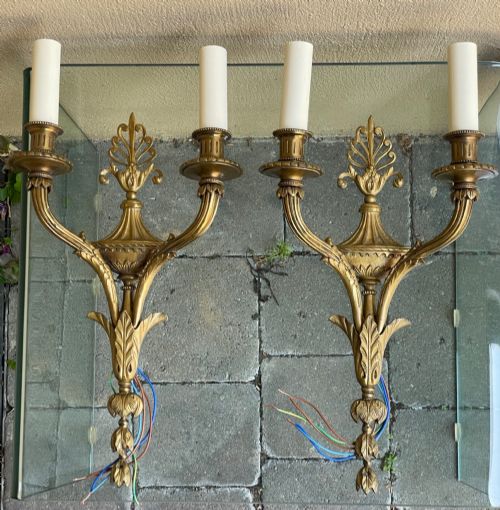
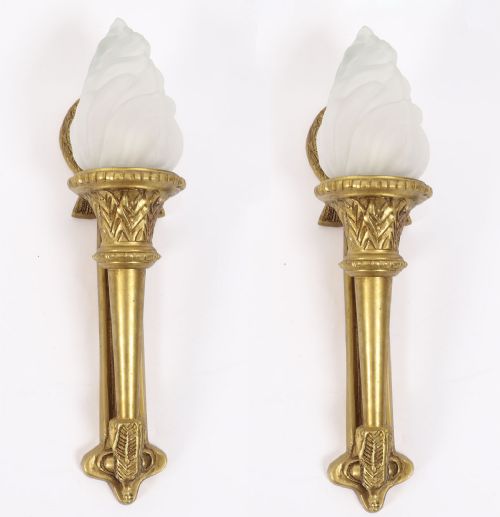
French empire wall sconces are classical wall-mounted light fixtures that draw heavily upon the design vocabulary of the Napoleonic era and French neoclassicism. These pieces typically take the form of paired wall lights or appliques designed to flank mirrors, doorways, or fireplaces in formal rooms.
On this page, you are most likely to encounter pairs dating from the nineteenth and early twentieth centuries, particularly around nineteen thirty and nineteen hundred. The forms range from strict brass and bronze wall sconces to elaborate designs incorporating crystal tents and silver plating.
How They Were Made
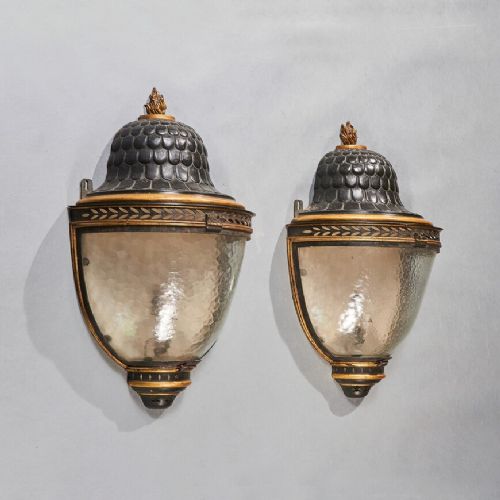
Makers constructed these wall lights using cast metals such as brass, bronze, patinated metal, and gilded or ormolu bronze. The heavy metal components were cast, chased, and finished to create sharp architectural details and contrasting surface textures.
Finer examples integrate delicate glass and crystal elements, including hanging crystal tents that refract the candle or electric light. Surface treatments vary between bright silver plate, warm ormolu gilding, and dark patinated metal finishes.
Retail Price Guide 2026
Typical UK retail prices for french empire wall sconces, calculated from the Sellingantiques database of over a million retail prices indexed since 2003. This retail price guide relies exclusively on Sellingantiques data; no external sources or auction records are used, so the figures do not describe the wider market.
What Varies in Quality
The distinction between ordinary and exceptional wall sconces lies in the crispness of the metal casting and the depth of the finish. Superior pieces exhibit deeply chased ornamentation where every acanthus leaf or classical motif remains sharp and well-defined.
Material choice and matching also dictate the upper tier of the range, particularly when dealing with original pairs or sets of four. Heavy gilded bronze and complete crystal tent structures command greater presence than simpler brass or silver-plated alternatives.
The French Empire Wall Sconces Glossary
- Appliques
- Wall-mounted lighting fixtures designed to hold candles or electric bulbs. This traditional French term often appears interchangeably with wall sconces and wall lights.
- Ormolu
- Finely ground high-carat gold applied to a bronze base through a mercury amalgamation process. This rich gilding technique creates a durable, warm surface typical of high-end classical lighting.
- Patinated metal
- Metal surfaces treated with chemicals or heat to produce a controlled, aged coloration. This finish provides a dark contrast against brighter gilded or polished elements.
- Crystal tent
- An arrangement of small cut glass beads strung in a conical shape above the light source. It diffuses illumination while adding considerable visual complexity to the fixture.
Frequently Asked Questions
Where should I hang these wall lights?
French empire wall sconces suit formal living spaces, hallways, and dining rooms where symmetry is valued. They work particularly well mounted at eye level on either side of a large mirror or mantelpiece.
Ensure the wall construction can support the weight of cast bronze or gilded metal fixtures, especially when dealing with larger paired sets.
How do I clean gilded bronze sconces?
Dust these fixtures gently with a soft, dry brush to prevent accumulation in the recessed chased details. Avoid harsh chemical cleaners that can strip away original gilding or patination.
Moisture should be kept away from delicate crystal tents and antique metal surfaces during routine maintenance.
How can I tell the period of a sconce?
Dating relies on examining the casting techniques, fixing screws, and the composition of the base metal. Nineteenth-century pieces often display hand-finished chasing and heavier bronze construction.
Later pieces from the early twentieth century may show different casting seams and wiring channels introduced for electricity.