

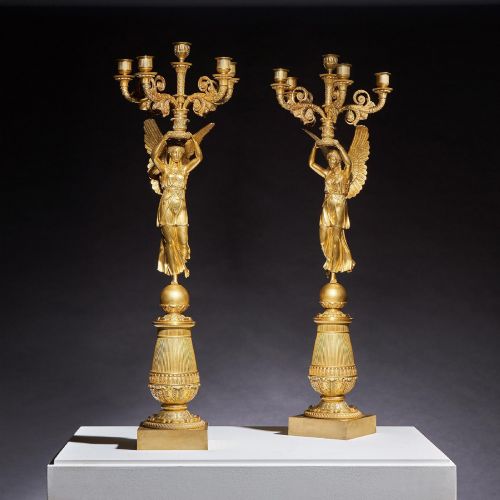
French Empire Style Table
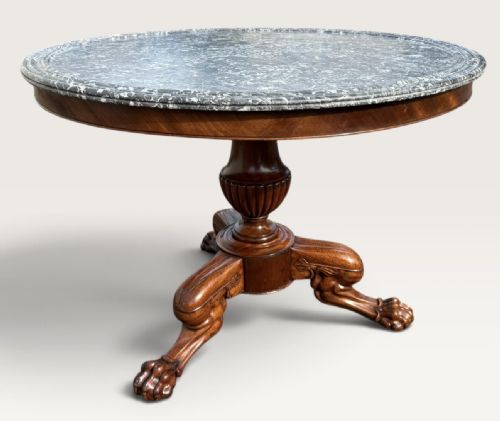
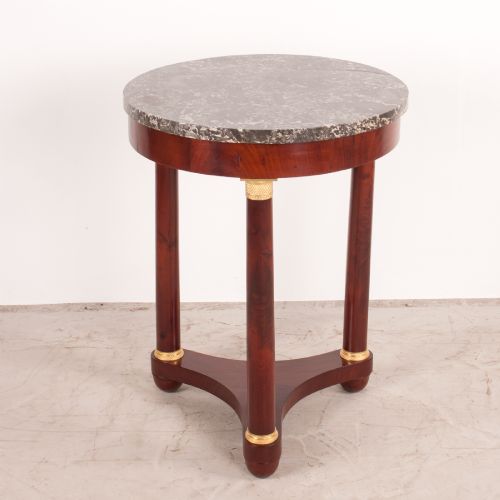
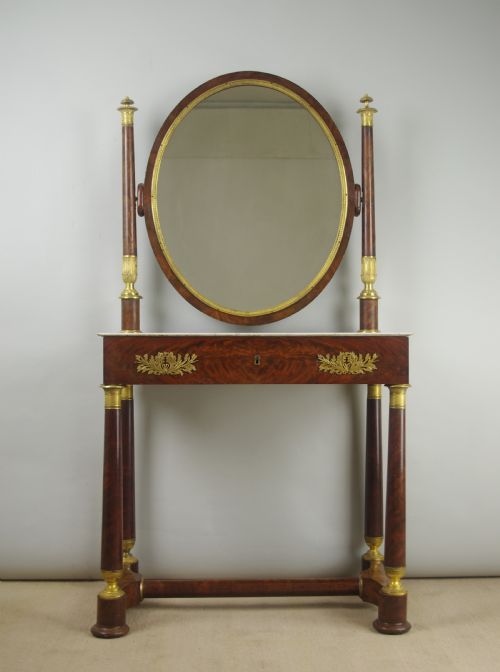
When you examine a French empire style table, you are looking at substantial mahogany or walnut furniture grounded by polished marble tops and crisp cast metal mounts.
French Empire Style Table
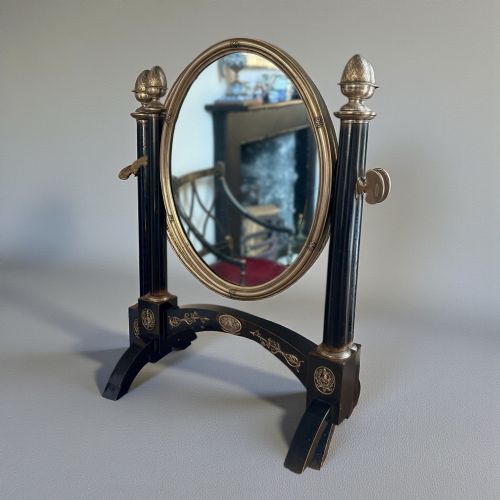
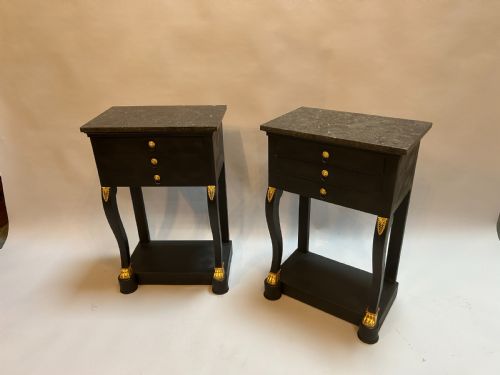
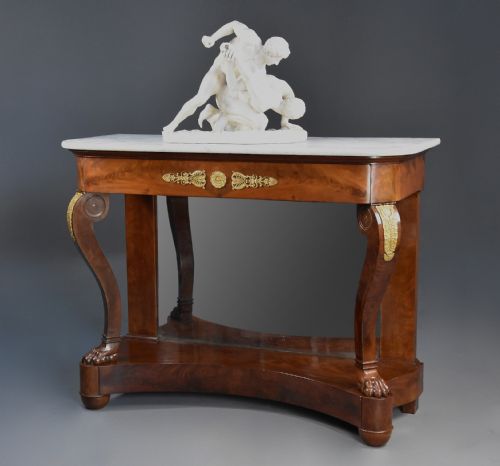
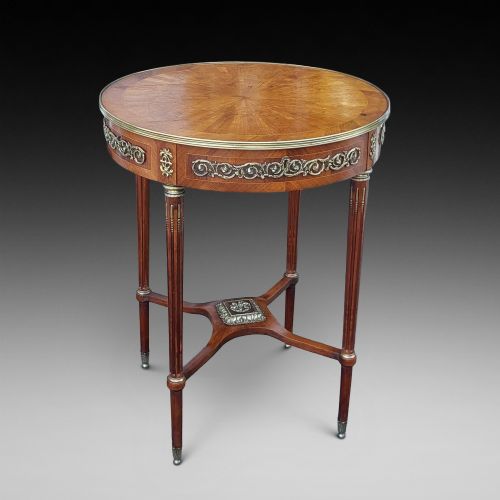
A french empire style table typically presents as a round gueridon, a console against a wall, or a low occasional piece designed with classical restraint. These surfaces often feature rich hardwoods such as mahogany, kingwood, or walnut, selected for their grain.
The most common forms encountered here are circular centre tables supported by central pillars or triform legs, alongside rectangular console tables designed to carry heavy marble slabs. Many examples date from the nineteenth century, drawing inspiration from earlier neoclassical and directoire vocabularies.
Makers and workshops working in this tradition also produced specialised writing surfaces like the bureau plat, bringing classical architectural proportions into domestic rooms.
Judging the Workmanship
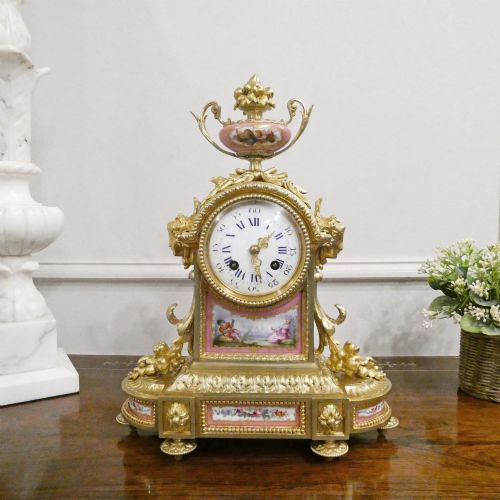
The distinction between ordinary and superior pieces rests on the crispness of the metal cast work and the depth of the chasing on the ormolu mounts. Sharp, hand-finished detailing on brass and bronze elements elevates an item considerably above mass-produced stamped metal.
Timber selection and veneer matching dictate the visual rhythm of the wooden surfaces, where symmetrical grain patterns indicate careful planning by the cabinetmaker. Stamp marks from recognised Parisian workshops or makers add documented provenance to the construction.
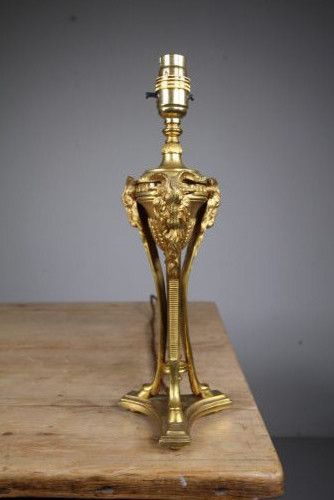
Tables featuring carved rams heads bring an ancient pastoral touch straight into the nineteenth-century parlour.
Krieger Paris·Pierre Philippe Thomire·Japy Freres
The French Empire Style Table Glossary
- Gueridon
- A small round table, typically supported by a single central pedestal or three legs, often topped with marble. This form became a staple of French interior design through the nineteenth century.
- Ormolu
- Gilt bronze created by applying a mercury and gold amalgam to a bronze casting, then heated to drive off the mercury. It provides a rich, enduring golden surface on mounts and decorative hardware.
- Bureau plat
- A flat-topped writing desk fitted with drawers in the frieze, frequently ornamented with gilt bronze mounts and leather-lined writing surfaces. These desks sit freely in a room rather than against a wall.
- Console table
- A wall table fixed securely against a vertical surface, often supported by front legs or brackets. They commonly carry heavy marble slabs on their upper frames.
French Empire Style Table: Frequently Asked Questions
How do I clean a marble table top?
Wipe the marble surface using a soft cloth dampened with warm water and a mild, neutral soap. Avoid abrasive cleaners, vinegar, or citrus solutions that can etch the polished stone.
Dry the surface completely with a clean towel to prevent water spots and maintain the natural lustre of the marble.
What is the difference between a console and a centre table?
A console table is designed to stand against a wall, frequently anchored or supported at the front with decorative legs while the back rests flat. These often feature elaborate mounts primarily on the visible front and sides.
A centre table stands independently in the middle of a room, finished with detailed wood grain, inlay, or mounts on all four sides so it can be viewed from any angle.
Are these tables suitable for daily use?
These tables were built for domestic living, utilising sturdy hardwoods and heavy stone tops that withstand normal daily activity. Using coasters and protective pads helps preserve polished timber and marble finishes from accidental moisture and heat.
Routine dusting with a dry cloth keeps the wood and gilt bronze mounts free from particle accumulation over time.
How can I identify the period of a table?
Examine the construction methods visible underneath and inside the drawers, such as hand-cut joints and timber ageing patterns. Secondary woods used in the internal framing often provide clues to the manufacturing era.
Look for maker stamps, metal foundry marks, or specific stylistic motifs like rams heads and classical laurel wreaths that align with nineteenth-century design phases.