
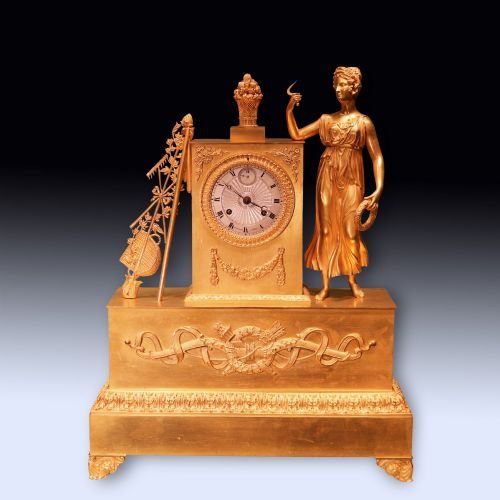


French Empire Figural Clock
A french empire figural clock brings neoclassical bronze sculpture and precise horology together to anchor a mantelpiece with unmistakable presence.
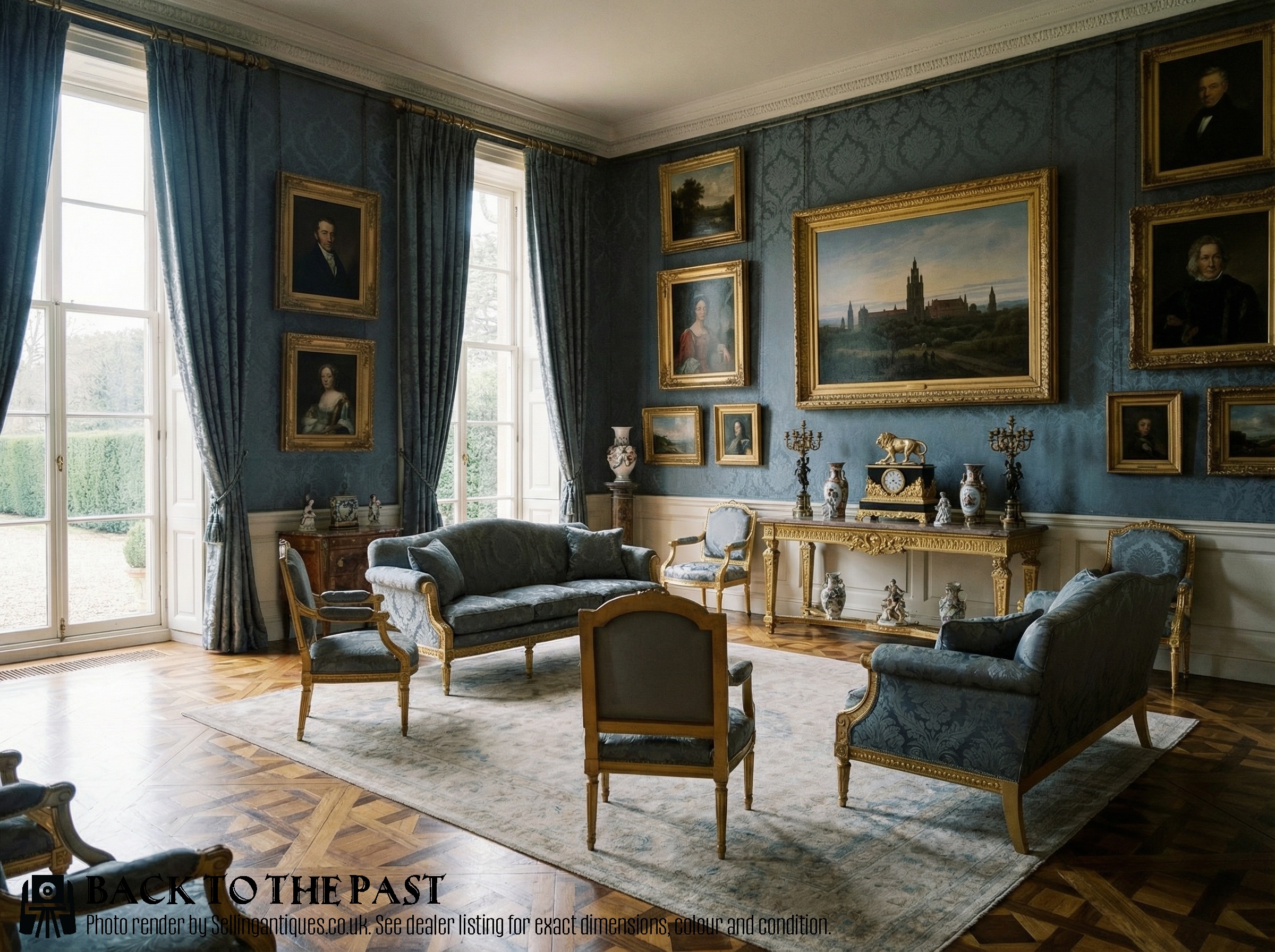
French Empire Figural Clock
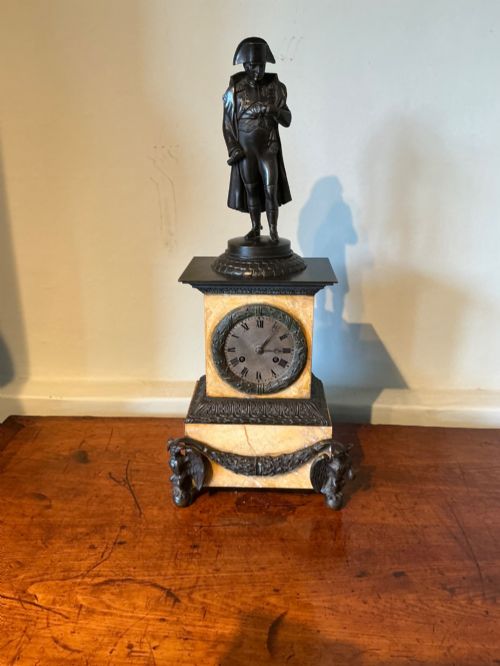
A french empire figural clock combines a functional timekeeper with cast metal sculpture depicting mythological figures, historical leaders such as Napoleon, or allegorical themes of love and fidelity. These pieces emerge predominantly from nineteenth century French workshops, spanning styles from strict neoclassical designs to later revival interpretations.
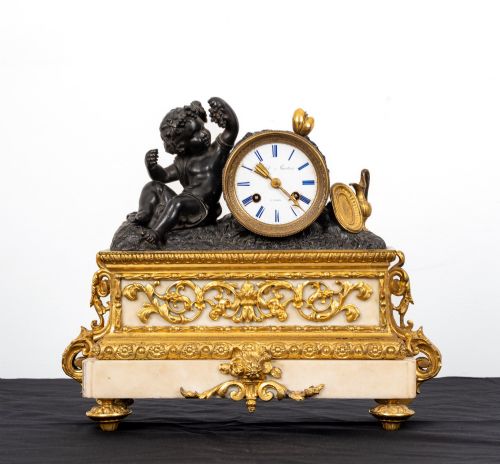
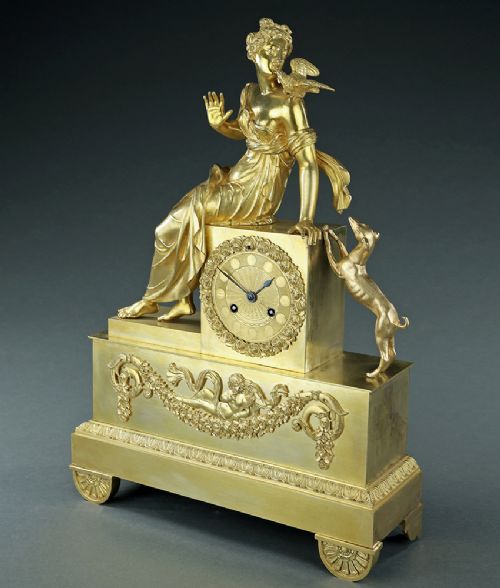
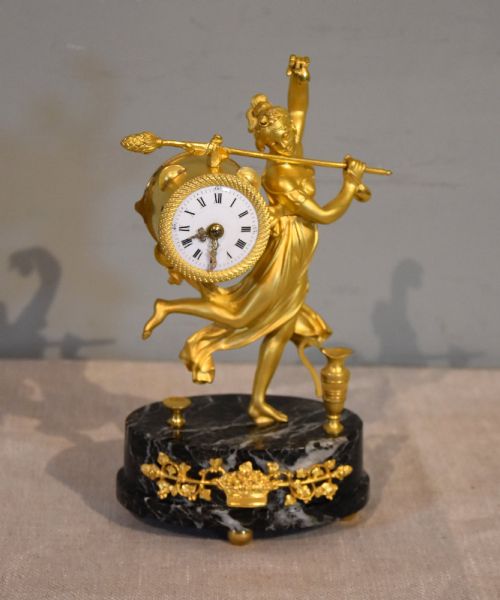
The most common examples on this page pair patinated bronze figures with polished ormolu mounts, frequently resting on heavy marble bases. Subjects range from celestial figures like Urania to classical deities and literary characters, housed within architectural or figurative mantel formats.
Materials and Construction
Craftsmen built these pieces using cast bronze and brass, applying mercury gilding to create the brilliant ormolu finish characteristic of the period. Patinated bronze provided a dark, contrasting texture for the figural elements, while white enamel dials marked the hours.
Heavy bases were carved from green, white, or rouge marble to anchor the substantial weight of the metalwork. Movement components utilised brass gear trains, often driven by fusee or spring-driven mechanisms housed inside the central drum or plinth.
Diana the Hunter stands ready with her bow while a tiny bronze goat perches nearby, watching the hours tick away.
Distinctions in Quality
Quality rests primarily in the crispness of the bronze chasing and the depth of the original gilding. Master founders achieved sharp facial expressions, intricate drapery folds, and clean lettering on the enamel dials, whereas lesser examples display softer, blurred casting details.
The sophistication of the mechanical movement separates standard pieces from those bearing maker signatures. Signed Parisian works frequently feature superior gear cutting and more robust striking trains designed to endure centuries of service.
Siffel and Cartier·Canaillor of Paris·Japy Freres·Deniere et Fils·Victor Paillard·Bellenot Paris·Freres Raingo
The French Empire Figural Clock Glossary
- Ormolu
- Gilt bronze produced by applying a mercury and gold amalgam to a bronze base and heating it to vaporise the mercury. This technique yields a durable, rich golden surface.
- Fusee
- A conical pulley used in clock mechanisms to maintain even tension on the gear train as the mainspring unwinds. It ensures consistent timekeeping.
- Garniture
- A matching set consisting of a central clock flanked by ornamental companion pieces such as candelabra or urns. They create a balanced display on a mantelpiece.
- Patinated bronze
- Bronze treated with chemical solutions to produce a dark brown or green surface finish. It provides visual contrast against bright ormolu mountings.
French Empire Figural Clock: Frequently Asked Questions
How do I wind the clock?
Use the appropriate winding key to turn the arbors located on the enamel dial, taking care not to over-wind the mainspring.
Most nineteenth-century movements require a gentle touch to avoid placing undue strain on the brass gear teeth.
Where should I place the clock?
Position the piece on a stable, level surface such as a mantelpiece, heavy sideboard, or pier table away from direct sunlight and drafts.
The substantial marble bases require robust support to prevent tipping or uneven settling of the pendulum.
How do I tell the periods apart?
Early nineteenth-century examples display strict neoclassical restraint and fire-gilded ormolu, while mid-century and Victorian pieces often incorporate mixed marbles and varied revival styles.
Maker signatures and registration marks stamped on the back plates help narrow down the exact decade of manufacture.
How do I care for the bronze and ormolu?
Dust the surfaces gently with a soft, dry brush to prevent accumulation in the crevices of the cast figures and ornamentation.
Avoid chemical polishes and abrasive cloths, which can strip away the original mercury gilding and damage the patinated bronze.