




French Ecclesiastical Sculpture
French ecclesiastical sculpture brings centuries of devotion into a room, offering carved wood, bronze and terracotta figures of saints and angels.
French Ecclesiastical Sculpture
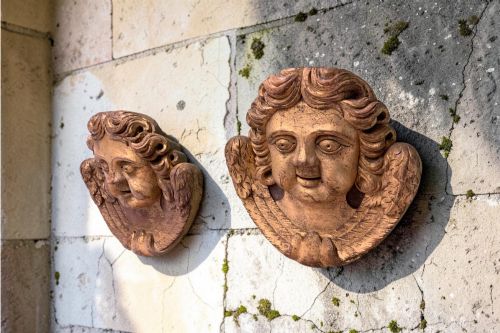
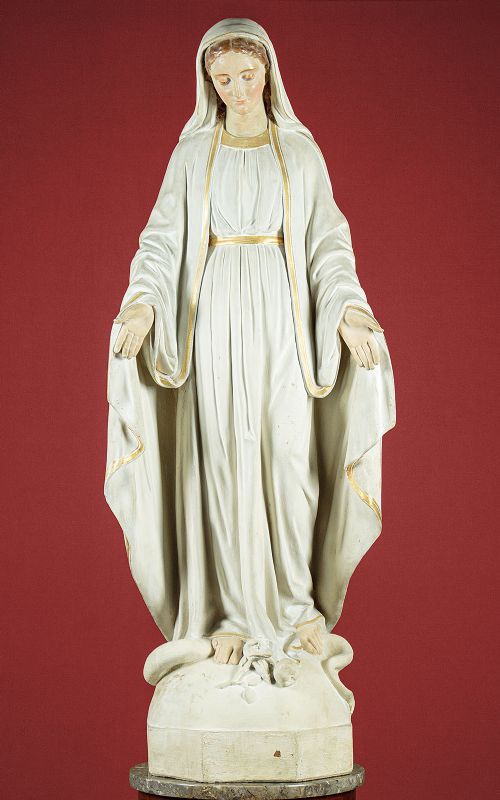
When you search for French ecclesiastical sculpture, you are looking at sacred figures, busts and fragments created for religious devotion across several centuries. The selection ranges from sixteenth century Renaissance wood sculpture fragments to nineteenth century plaster and terracotta figures of saints. These pieces come in various forms, including wall sculptures, life size statues and cherub heads.
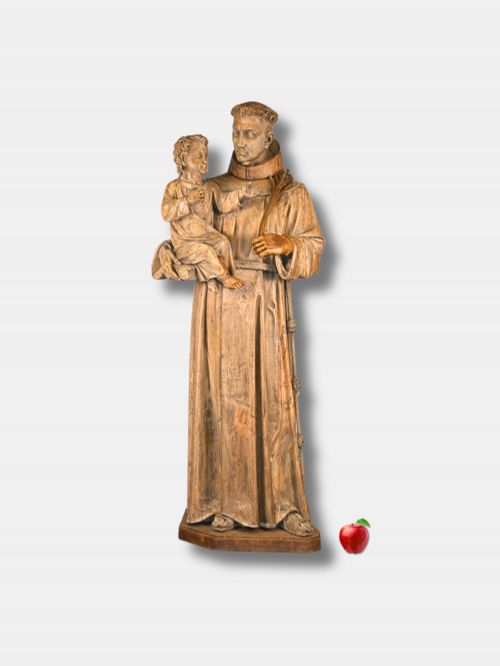
The most common versions you will meet on this page date from the nineteenth century, often reflecting Gothic Revival and Baroque Revival tastes. You will frequently encounter carved wood and gilt cherubs alongside larger statues of figures like Saint Anthony, Saint Joan of Arc and Jesus Christ. Each piece carries the distinct sculptural traditions of French religious workshops and studios.
How they were made
Makers shaped these sculptures primarily from timber and wood, employing traditional carving techniques to render detailed drapery, hair and facial expressions. Oak and other timbers provided the foundation for figures that were frequently finished with gesso, gold leaf and polychrome paint. These layered surface treatments gave statues a lifelike and devotional presence.
Beyond carved wood, artisans utilised cast bronze, terracotta and plaster to create sculptures with different weights and textures. Patinated bronze allowed for durable busts with deep metallic tones, while terracotta and plaster enabled smooth modelling for large figures. Gilding added reflective brilliance to cherubs and devotional heads.
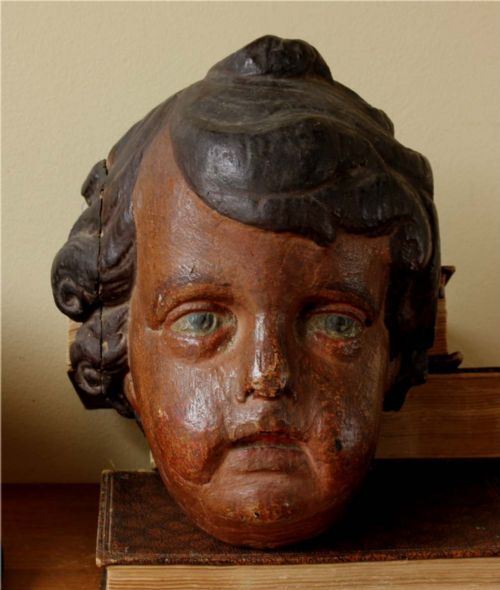
A wooden cherub head keeps a watchful eye from the wall, having traded cathedral rafters for a quieter domestic view.
What varies in quality
The distinction between a standard piece and an exceptional one lies in the precision of the carving and the preservation of the original surface. Master carvers achieved depth in the expression of a saint's face or the feather detail on a cherub wing, whereas lesser works appear stiff and generalised. The survival of early polychrome paint and gold leaf also elevates a piece significantly.
Materials and age dictate the character of the sculpture, with sixteenth century fragments holding historical weight compared to later nineteenth century plaster figures. Signed works by specific makers add a layer of documented provenance. The handling of proportions and the natural fall of garments separate skilled atelier production from mass ecclesiastical output.
Rouillard Angers
The French Ecclesiastical Sculpture Glossary
- Polychrome
- Decoration in multiple colours applied to the surface of wood or plaster sculpture. This technique was used to give religious figures a realistic and lifelike appearance.
- Gesso
- A paint mixture consisting of a binder mixed with chalk, plaster or other pigments. It served as a smooth preparation layer for gilding and paint on wooden carvings.
- Gilt
- Covered thinly with gold leaf or gold paint. This finish was commonly applied to cherubs and ecclesiastical ornaments to create a luminous effect.
- Patinated
- The surface appearance altered by age, oxidation or deliberate chemical treatment. In bronze sculptures, this creates a rich brown or dark green finish.
- Gothic Revival
- An architectural and artistic style beginning in the mid nineteenth century that drew inspiration from medieval design. It heavily influenced nineteenth century religious sculpture.
French Ecclesiastical Sculpture: Frequently Asked Questions
What periods do these sculptures cover?
The listings span multiple centuries, starting from sixteenth century Renaissance fragments up to twentieth century plaster figures. Nineteenth century pieces appear most frequently, particularly those from around eighteen fifty to eighteen eighty.
Buyers will find examples representing the Baroque Revival and Gothic Revival styles, showing how religious art evolved across different French eras.
What materials are commonly used?
Carved timber and wood form the majority of the pieces, often enhanced with gesso, polychrome paint and gold leaf. These traditional materials gave statues their durable structure and devotional decoration.
Other materials include patinated bronze, terracotta and plaster, which provided alternative mediums for busts and large saint figures.
How were these statues displayed originally?
Ecclesiastical sculptures were created for placement in churches, chapels and private devotional spaces in France. Many larger statues served as focal points on altars or wall mounts within religious interiors.
Smaller items like cherub heads and fragments often adorned architectural woodwork or altarpieces before entering private collections.
How do I care for wooden religious carvings?
Keep carved wood sculptures away from direct sunlight and sudden temperature changes to protect the timber and delicate gesso layers. Dust them gently with a dry, soft cloth without applying liquid polishes that might damage original polychrome surfaces.
Stable indoor humidity will help preserve both the wood and any historic gold leaf finishes over time.