





French Earthenware Vase
A french earthenware vase brings centuries of painterly tin-glaze tradition and provincial character straight into your home.
French Earthenware Vase
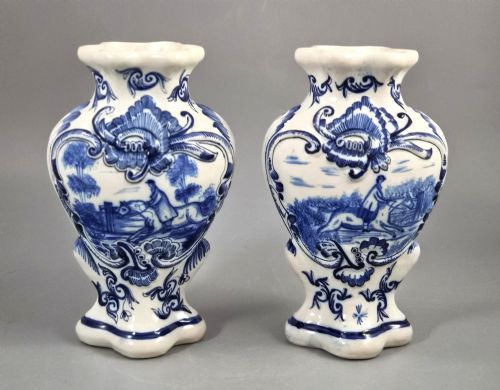
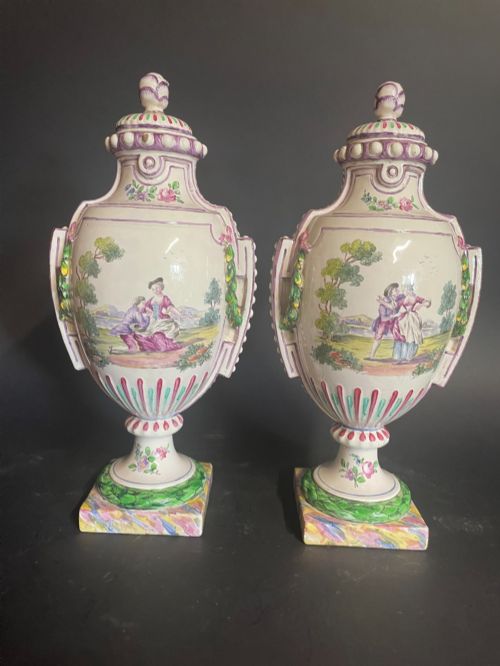
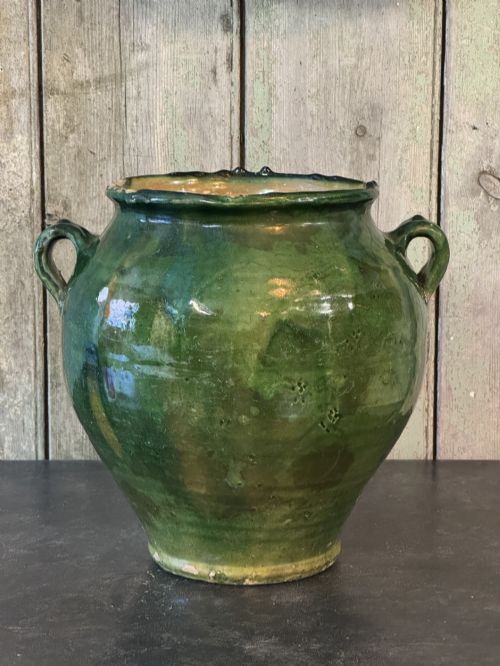
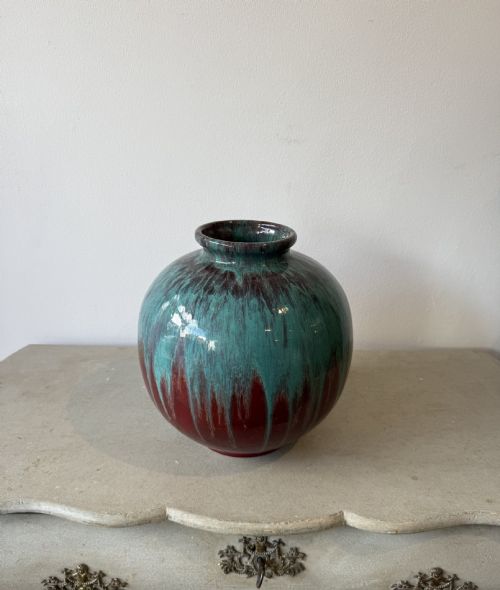
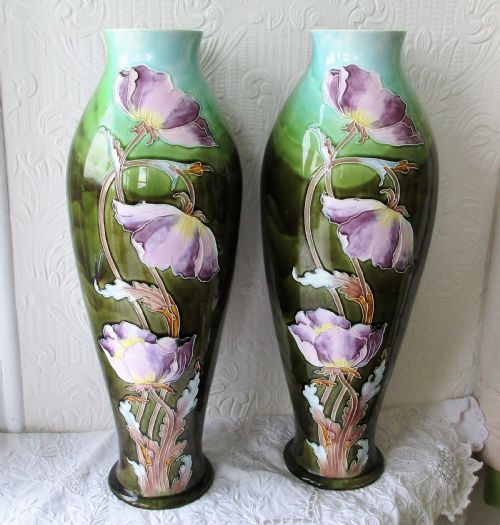
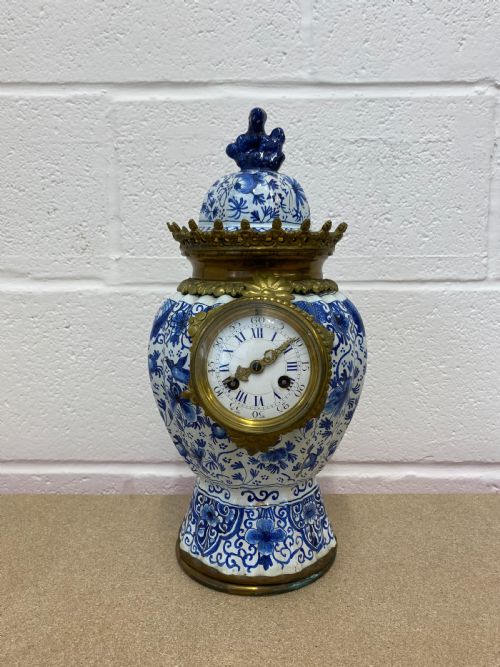
A french earthenware vase encompasses tin-glazed faience vessels, terracotta jars, and glazed ceramic urns originating from various French regions. Buyers encounter diverse forms, ranging from ornate blue and white mantel pairs to rustic green confit pots and modern studio pottery.
Vessels span functional storage shapes like olive jars and ewers alongside purely decorative posy vases and lidded urns. These pieces reflect distinct historical revivals, including French Rococo and Renaissance styles, alongside provincial country aesthetics.
Materials and Construction
Potters shaped local clays into earthenware, terracotta, and confit jars before applying tin-glaze or transparent lead glazes. Faience pieces received an opaque white tin-glaze layer which served as a smooth canvas for hand-painted manganese blue, green, and polychrome pigments.
Kiln firing transformed the raw clay bodies and set the vibrant surface colours, whether achieved through high-fired tin-glaze or rich monochromatic green leads. Hand-shaping techniques yielded both symmetrical thrown vessels and sturdy utilitarian storage jars.
French Earthenware Vase Retail Price Guide 2026
Typical asking prices for french earthenware vase among the pieces listed under this phrase on Sellingantiques today, from the lower quarter to the upper quarter. They describe what is for sale here now, not the wider market.
Listings feature earthenware, faience, and terracotta spanning the nineteenth and twentieth centuries.
Judging Quality and Execution
Quality rests upon the precision of the hand-painted decoration, the crispness of moulded relief details, and the stability of the glazed surface. Superior tin-glazed examples display confident brushwork and balanced cobalt or manganese pigments across the earthenware body.
The sophistication of the form distinguishes standard utilitarian pots from masterworks produced by renowned factories. Finer pieces demonstrate careful attention to symmetry, glaze coverage, and harmonious integration of period revival motifs.
Gien·Fourmaintraux-Courquin·Sceaux·Robert T Lallement·Jules Vieillard
The French Earthenware Vase Glossary
- Faience
- Tin-glazed earthenware produced in France, typically featuring a white opaque glaze painted with coloured motifs. This technique allows for intricate surface patterns akin to porcelain.
- Confit Pot
- A traditional French earthenware jar designed for preserving food, characterised by a glazed upper section and unglazed lower body. These utilitarian vessels now serve decorative interior roles.
- Tin-Glaze
- A pottery glaze made opaque by the addition of tin oxide, providing a white background for painting. It defined European earthenware production before the dominance of creamware.
- Ewer
- A large jug with a wide spout and curved handle, traditionally used for holding water. In decorative ceramic collections, it stands as an ornamental sculptural form.
- Terracotta
- Fired unglazed or clear-glazed clay of a brownish-red colour. It forms the structural base for many rustic French garden and kitchen vessels.
French Earthenware Vase: Frequently Asked Questions
How do I date a french earthenware vase?
Dating relies on stylistic clues, glaze characteristics, and factory marks stamped or painted on the base. Nineteenth-century examples often lean toward historical revivals or traditional blue and white painting.
Later twentieth-century pieces adopt distinct Art Nouveau curves or Art Deco geometries. Comparing the clay body and tin-glaze texture helps confirm the manufacturing era.
Are these vases waterproof?
Many glazed earthenware and faience vessels hold water safely for fresh flowers. However, older porous terracotta or confit pots may slowly seep moisture through unglazed areas.
Using a discreet glass or plastic liner inside antique vessels protects the historic interior from water damage.
What is the difference between faience and terracotta?
Faience utilises an opaque white tin-glaze over an earthenware body to create a smooth surface for painted decoration. Terracotta consists of fired reddish clay left either unglazed or coated with a transparent lead glaze.
Faience prioritizes decorative painterly expression, while terracotta often highlights natural earthy tones and utilitarian forms.
How should I clean my antique vase?
Dust gently with a soft, dry cloth to remove surface particles without disturbing the glaze. Avoid harsh chemical cleaners or submersion in water, particularly for pieces with hairline fractures.
If cleaning the interior, use lukewarm water and mild soap with utmost care.