




French Drinks Cabinet
When you want a french drinks cabinet, you are looking for a piece of furniture designed to hold bottles and glassware with style.
French Drinks Cabinet
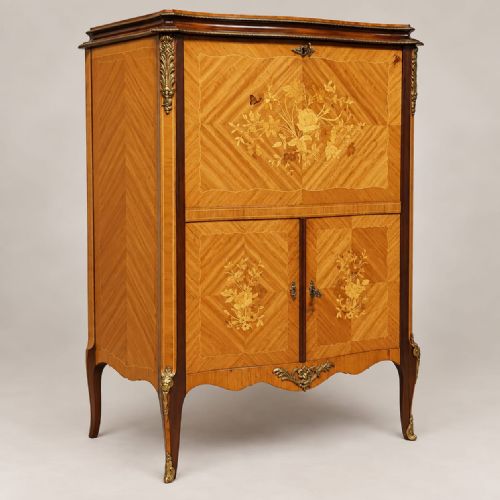
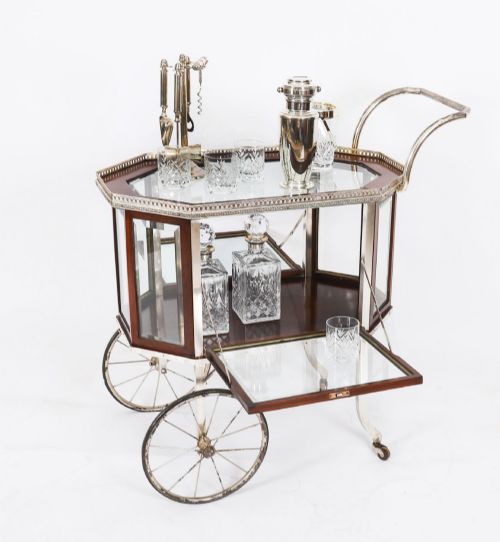
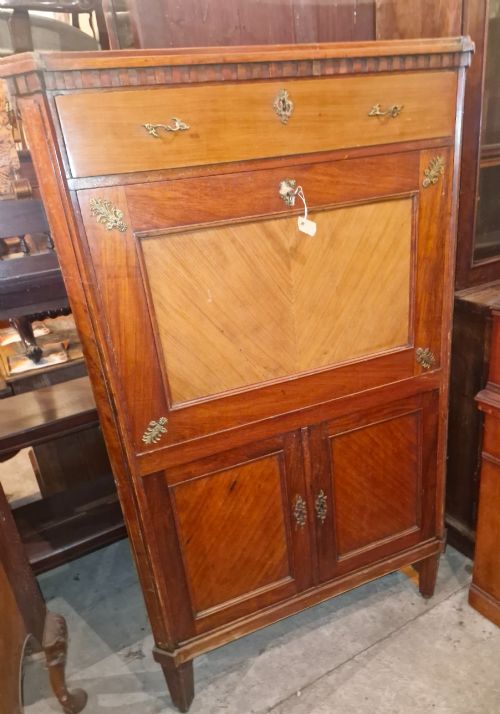
A french drinks cabinet encompasses side cabinets, sideboards, bar carts, and trolleys designed to serve alcohol and store glassware. These pieces emerge across several periods, notably the nineteenth century, nineteen-tens, nineteen-twenties, and nineteen-thirties, reflecting changing domestic habits. Buyers encounter diverse forms ranging from traditional revival styles to striking modern designs.
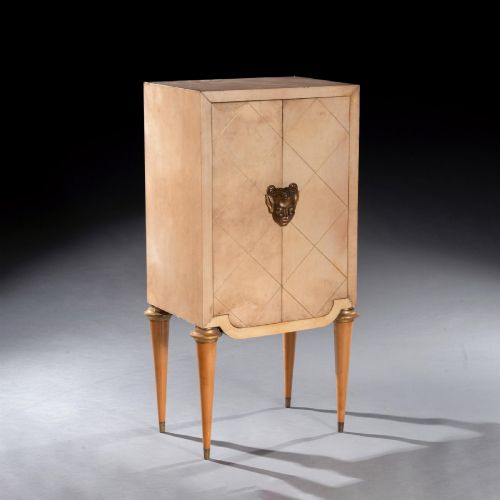
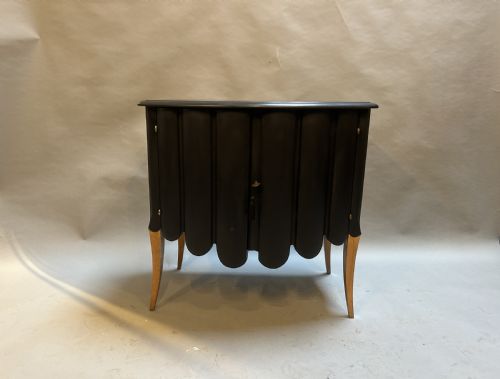
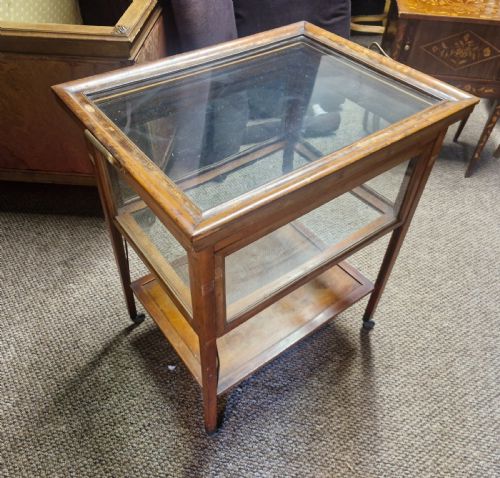
The selection on this page shows pieces originating from distinct eras including Napoleon III, Louis XVI Revival, and French Art Deco. Alongside dedicated cocktail cabinets and tantalus sets, listings include tea trolleys and credenzas adapted for entertaining. This variety allows collectors to find a receptacle that suits both a historic interior and a modern dining space.
Materials and Construction
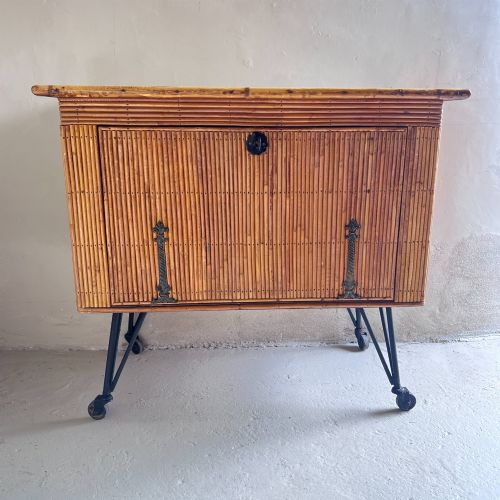
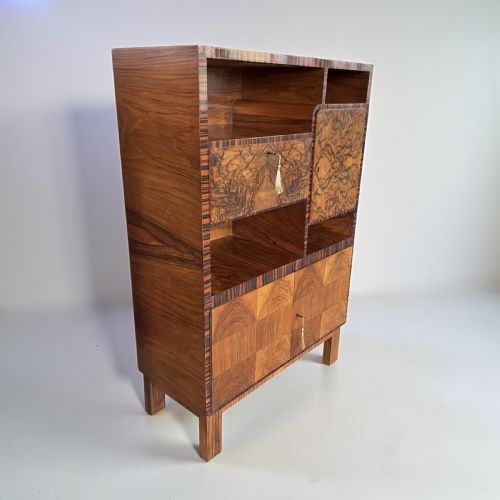
Cabinet makers utilised a range of fine timbers including walnut, burr walnut, mahogany, kingwood, and bamboo. Surfaces often display intricate marquetry and parquetry, sometimes enhanced by parchment inlay or ebonised finishes. Structural elements benefit from the addition of brass, ormolu mounts, and cast-iron legs.
Interiors and functional surfaces frequently incorporate glass and marble tops. Certain items include specialised elements such as mirror-fitted cocktail compartments and drop sides for serving. These combined techniques deliver durable furniture with decorative presence.
Listings feature items built from walnut, mahogany, bamboo, and glass, spanning the nineteenth century through the nineteen-forties.
Distinctions in Quality
Quality in these pieces rests upon the selection of timber veneers, such as burr walnut and kingwood, and the precision of the marquetry inlay. Cabinets displaying exhibition quality craftsmanship show superior joinery and finely cast ormolu or brass fittings. The integration of specialised internal fittings like mirror-backed cocktail sections elevates a piece above standard utility storage.
The harmony of the design and the integrity of the materials dictate the standing of an item. Pieces featuring distinct period details, such as Art Deco parchment or specific revival styling, demonstrate heightened artisan skill. Simple bamboo or wood frames rely on clean lines and balanced proportions to achieve distinction.
Maurice Jallot
The French Drinks Cabinet Glossary
- Tantalus
- A locking wooden frame holding decanters that displays the bottles while preventing unauthorized access to the contents.
- Marquetry
- Decorative veneer work forming pictures or patterns by assembling small pieces of coloured wood, shell, or ivory.
- Ormolu
- Gilded bronze or brass applied as a decorative mount on furniture and decorative objects.
- Credenza
- A sideboard or buffet cabinet typically used for storing dining room tableware and serving food or drink.
French Drinks Cabinet: Frequently Asked Questions
What is a french drinks cabinet?
A french drinks cabinet is a piece of furniture created to store bottles, decanters, and glassware for entertaining guests.
These items range from Art Deco bar carts to nineteenth-century credenzas and side cabinets adapted for serving beverages.
How do I identify Art Deco pieces?
Art Deco pieces typically display streamlined geometric forms, smooth wood surfaces, and materials like chrome, brass, or parchment.
They often feature contrasting veneers such as burr walnut alongside metal accents, differing significantly from ornate nineteenth-century revival styles.
Where were these cabinets used?
These cabinets were primarily placed in reception rooms, dining areas, and drawing rooms for social gatherings.
Mobile versions like bar carts and tea trolleys allowed hosts to move drinks easily among guests.
Are all these cabinets antique?
The pieces span several decades and centuries, including nineteenth-century examples alongside early twentieth-century creations from the nineteen-tens, twenties, and thirties.
Each era brings distinct materials and stylistic traits reflecting its period of origin.