


French Deco Lighting
French deco lighting brings structural geometry and frosted glass into a room, offering functional brilliance rooted in the interwar period.
French Deco Lighting
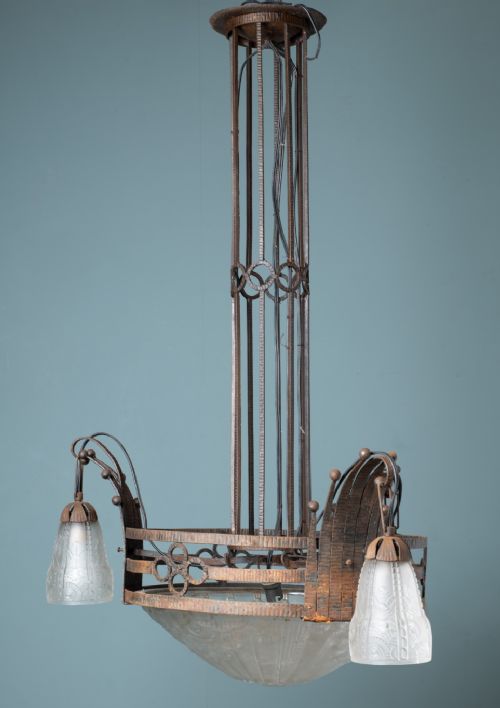
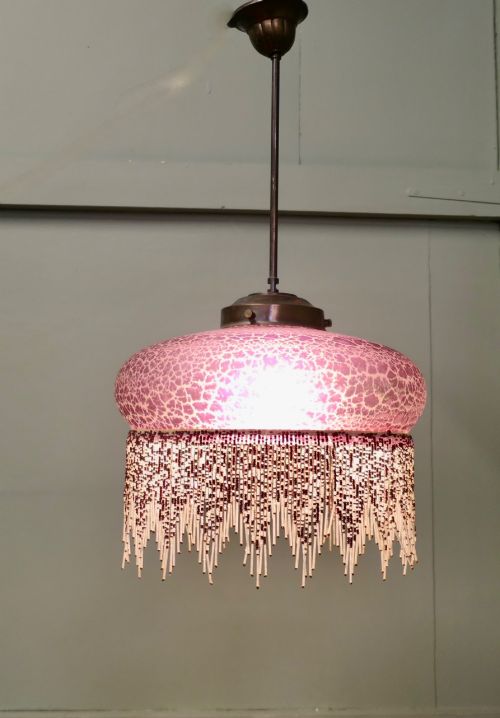
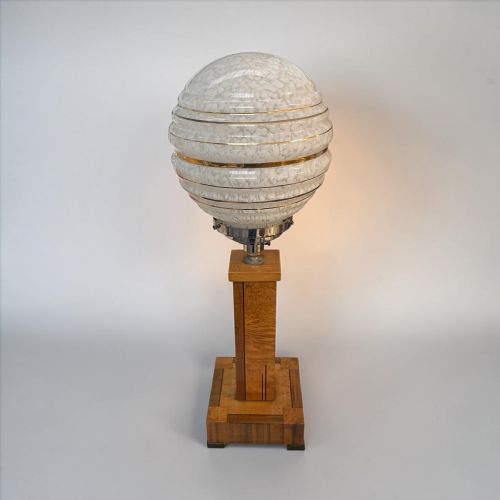
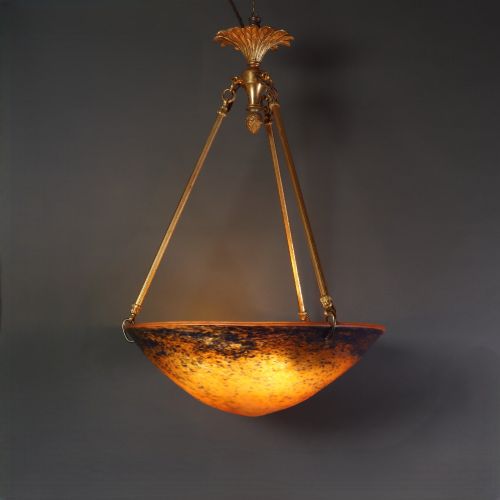
French deco lighting encompasses wall lights, ceiling fixtures and table lamps dating primarily from the 1920s and 1930s. Buyers searching for french deco lighting seek functional luminaires that double as sculptural centrepieces, embodying the streamlined elegance of the interwar decades.
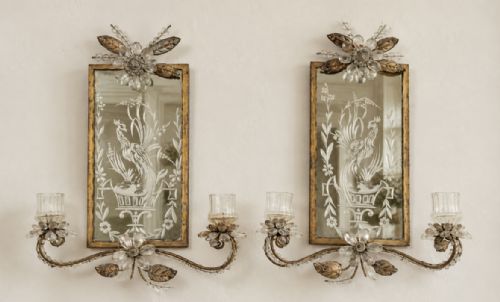
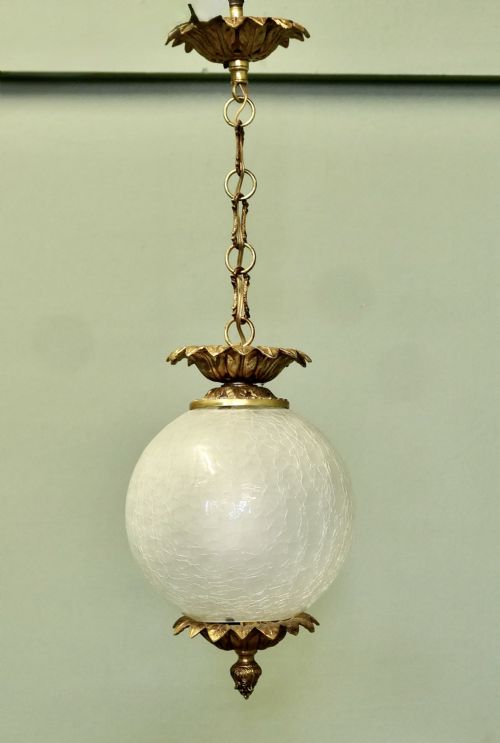
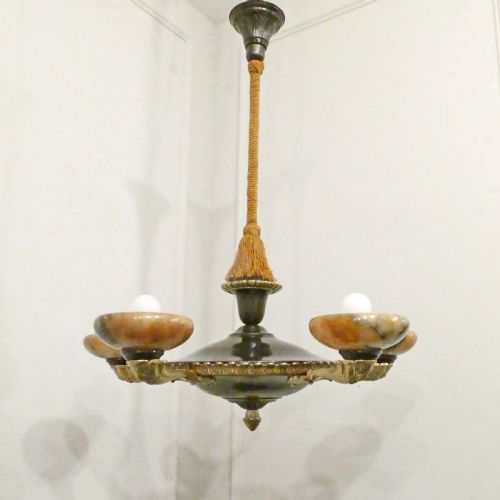
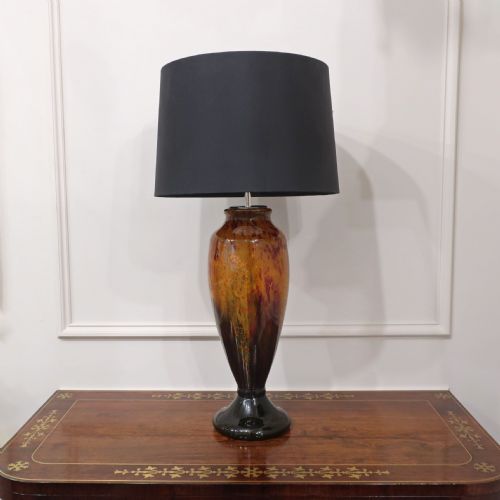
The most common forms on this page include glass-shaded table lamps, brass wall sconces and moulded glass pendants. Pieces emerge from distinct stylistic undercurrents, ranging from strict Art Deco geometry to Neoclassical Revival and French Country influences.
Makers and designers from the period utilised industrial metals alongside artisanal glass techniques to illuminate domestic and commercial spaces. Surviving examples retain period wiring standards or adapt to modern electrical requirements while preserving original shades and mounts.
Materials and Construction
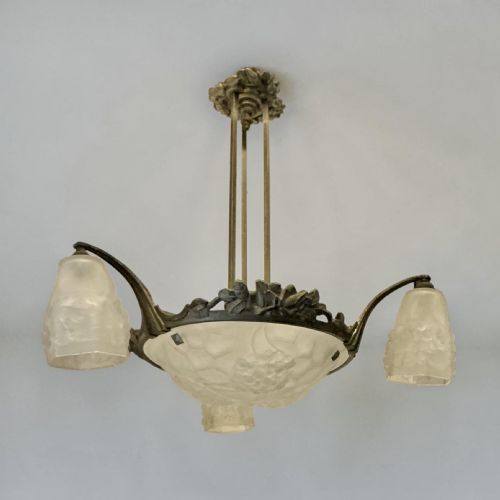
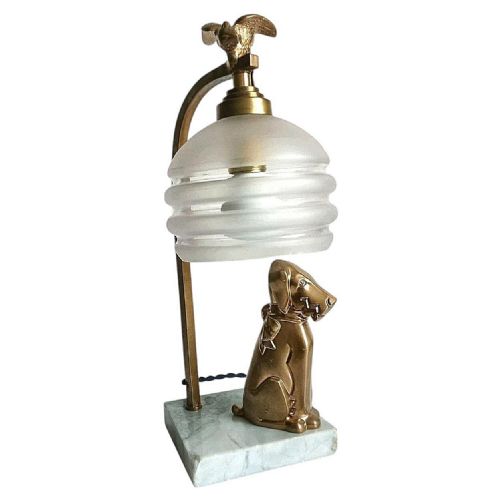
Glass forms the visual core of these pieces, appearing as opalescent shades, frosted bowls, mottled bowls and moulded panels. Makers such as Charles Schneider, Degué and Lalique employed hot-working, acid-etching and moulding techniques to achieve textured, diffusing surfaces.
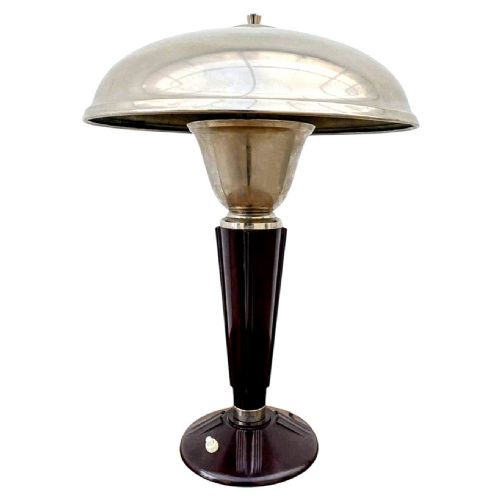
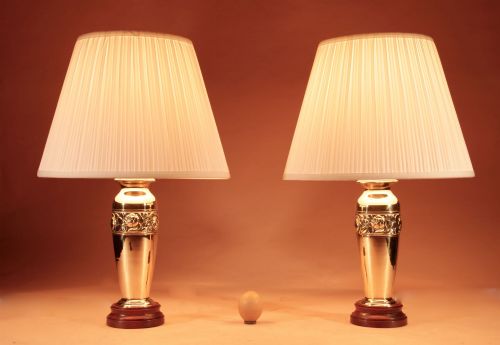
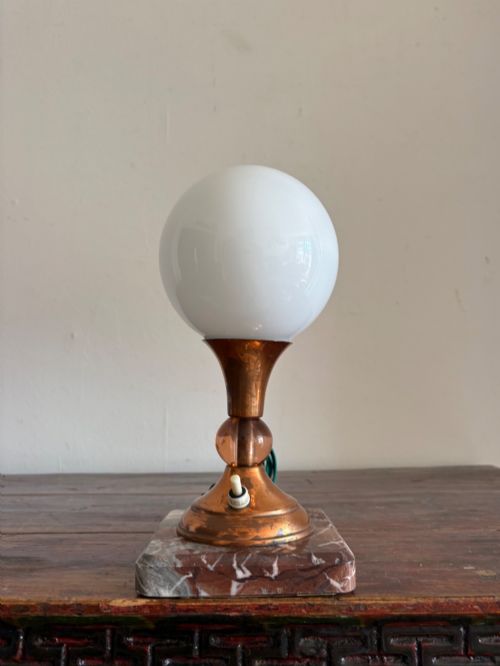
Metals provide the structural skeleton, with brass, bronze, copper, wrought iron and nickel shaping frames, arms and bases. Heavy bases often incorporate polished marble or synthetic bakelite to anchor upright table lamps and adjustable desk lights.
Combinations of spelter, porcelain and fabric complete the construction repertoire, particularly in figurative novelty lamps and boudoir veilleuses. Metal components frequently show patination developed over decades of exposure in European interiors.
French Deco Lighting Retail Price Guide 2026
Typical asking prices for french deco lighting among the pieces listed under this phrase on Sellingantiques today, from the lower quarter to the upper quarter. They describe what is for sale here now, not the wider market.
Listings span three centuries, with material varieties ranging from fragile frosted glass and opalescent panels to heavy marble, bronze, and modern bakelite.
Judging Quality
The distinction between standard commercial production and exceptional studio output rests upon the depth of the glasswork and the integrity of the metal mounts. Signed glass shades by premier glasshouses display crisper mould definition and more complex colour layering than unsigned equivalents.
Weight distribution and material density signal superior fabrication in table lamps and chandeliers, particularly where marble bases and heavy bronze or brass structures meet. Fine mounting work ensures that metal collars fit glass rims securely without excessive adhesive.
Purity of line and proportion separate standard utilitarian pieces from those designed by notable architects and studios. Original matched sets retain higher aesthetic cohesion than pieced-together assemblies.
Maison Bagues·Charles Schneider·Degué·Eileen Grey·Émile-Jacques Ruhlmann·R Lalique·Muller Bros·Baccarat·Pirouette
The French Deco Lighting Glossary
- Plafonnier
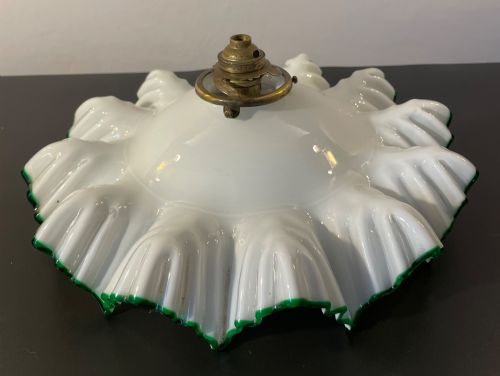
- A ceiling-mounted bowl light that sits close to the surface, directing illumination upward and outward. These fixtures often feature heavy moulded glass bowls held by metal galleries.
- Spelter
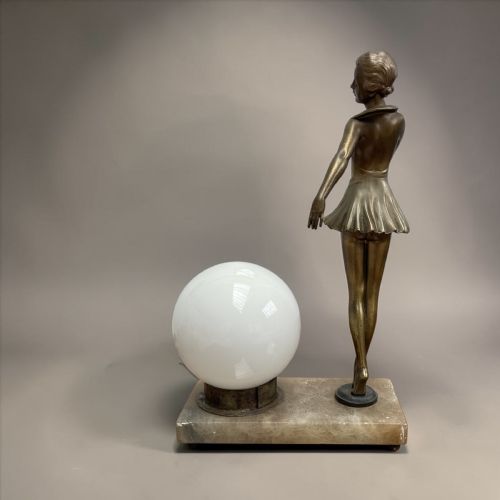
- A zinc alloy used as a cost-effective substitute for bronze, frequently electroplated or painted to simulate darker metals. It appears commonly in figurative bases.
- Veilleuse
- A small night light or perfume lamp designed to emit a soft, diffused glow. These miniature lamps often take whimsical animal or human forms.
- Opalescent glass
- Glass containing ingredients that diffuse light to create a milky, pearlescent appearance with shifting colour tones. This material was favoured by interwar glassmakers to soften electric glare.
- Skyscraper
- A stepped architectural style of glass shade resembling early twentieth-century high-rise buildings. This form defines vertical wall lights and pendant tiers.
French Deco Lighting: Frequently Asked Questions
How do I identify a signed shade?
Signatures are typically acid-etched, sandblasted or enamelled directly into the rim or lower edge of the glass body. Look closely near the metal fitter ring where signatures often hide beneath the mounting hardware.
Faint signatures require magnification and raking light to read correctly. Unsigned shades frequently match known studio shapes but lack the official mark of the maker.
Can these lights use modern bulbs?
Most historic fixtures accommodate standard modern LED or incandescent bulbs provided the wattage matches safe thermal limits for vintage glass. Edison-style screw bases and bayonet fittings vary depending on whether the piece was wired for the British or continental market.
Consult a professional electrician to verify that internal lampholders meet current safety regulations. Rewiring preserves fragile antique cloth cords while ensuring safe daily operation.
What is the difference between spelter and bronze?
Bronze is a heavy, durable alloy of copper and tin that develops a rich, stable patina and accepts crisp channelling work. Spelter is a softer, brittle zinc-based metal that feels lighter and shows a duller fracture if damaged.
Magnet tests do not work on either metal since both are non-ferrous. Scrutinising the sharpness of cast details and the weight of the base helps distinguish the two materials.
How should I clean frosted glass?
Wash frosted and opalescent glass gently in warm water using mild, unscented soap and a soft microfibre cloth. Avoid soaking metal-mounted shades to prevent moisture from trapping inside sealed rims or corroding internal joins.
Harsh chemical solvents and abrasive scouring pads will strip original patinas and etchings from the glass surface. Dry thoroughly with a lint-free cloth before remounting the shade onto its fitting.