

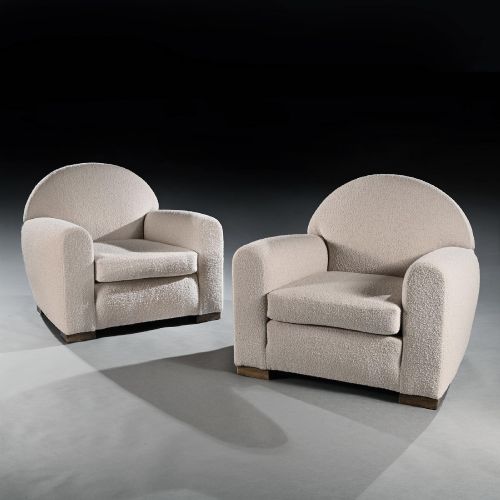
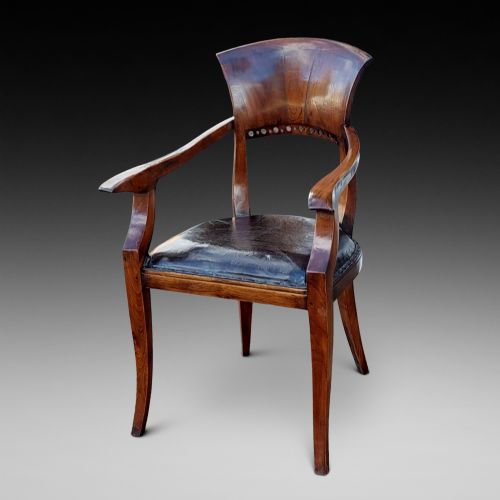
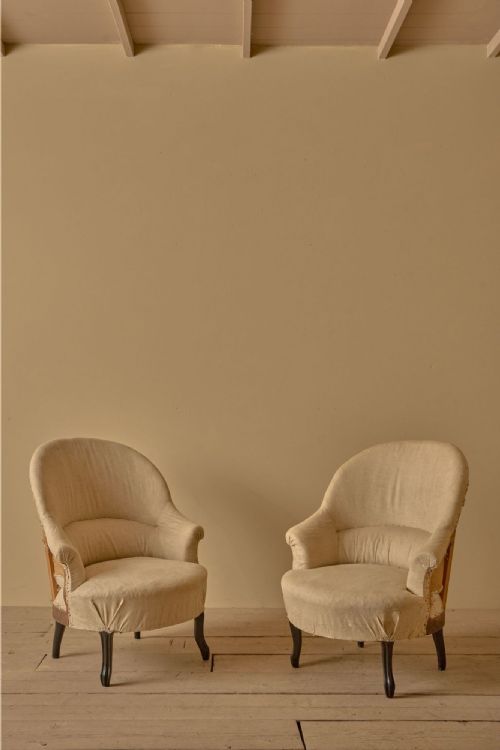
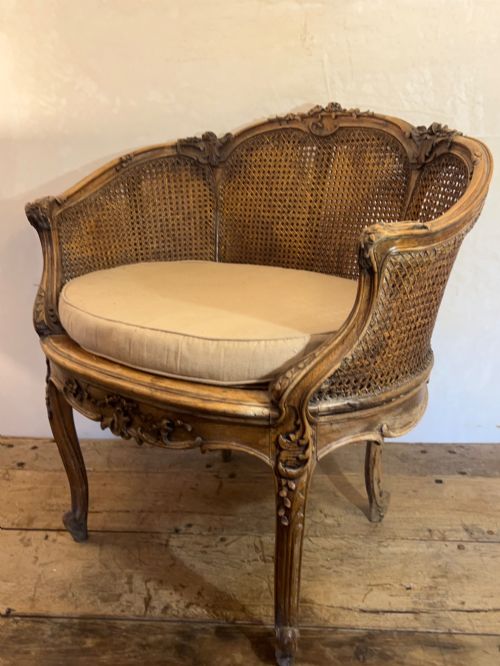


French Curved Back Chair
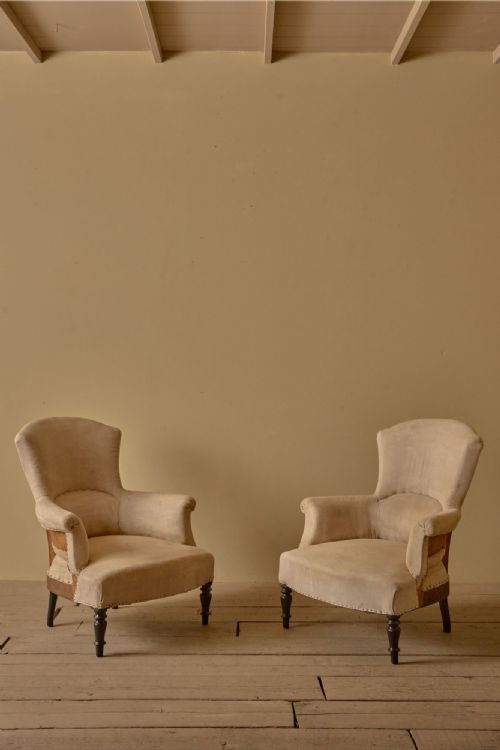
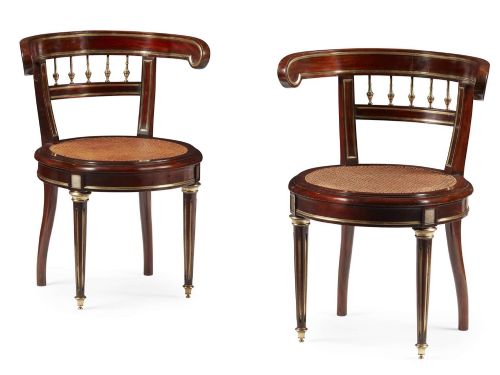
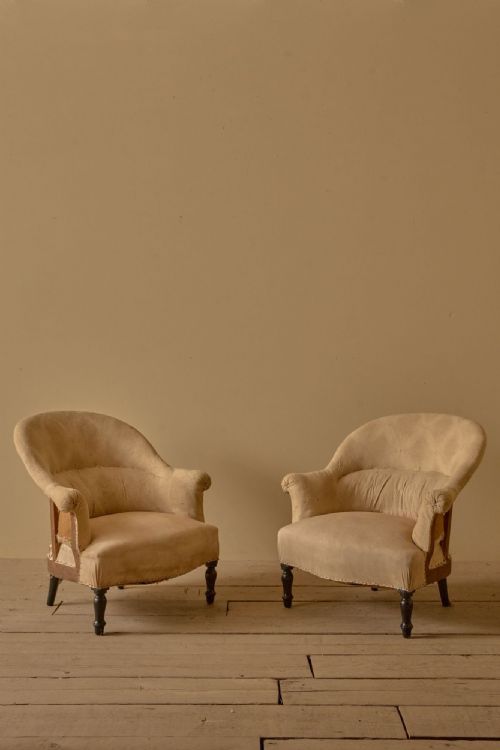
A french curved back chair brings a graceful silhouette and comfortable seating into a room.
French Curved Back Chair
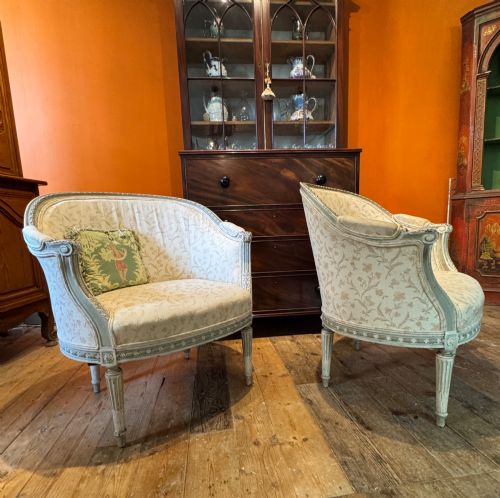
When you search for a french curved back chair, you encounter an array of seating options ranging from nineteenth century salon chairs to twentieth century club armchairs. These pieces include armchairs, salon chairs, desk chairs, dining chairs, and settees.
The versions you are most likely to meet on this page hail from the nineteenth century, alongside examples from nineteen hundred, nineteen ten, and nineteen forty. They showcase varied origins such as French Napoleon III, French Empire, Art Deco, French Country, Louis XV, French Louis XVI Style, Edwardian, and Louis XVI Revival.
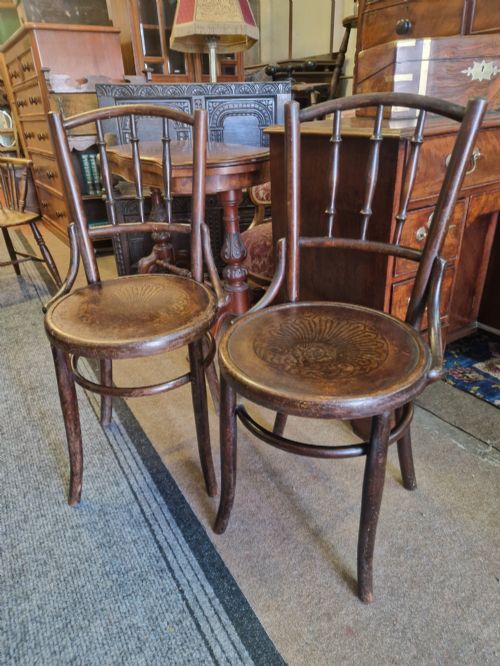
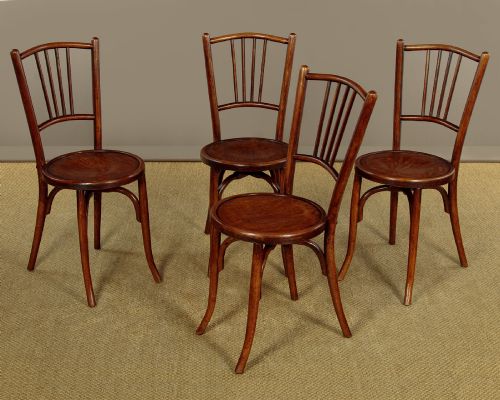
The forms span from tub chairs and corbeille seats to bergere tub armchairs, bentwood bistro dining chairs, and caned settees. Each option offers a distinct curved back configuration tailored for parlor, study, or dining spaces.
How they were made
Constructed predominantly from timber such as walnut, mahogany, elm, beech, and bentwood, these chairs often rely on sturdy wooden frames to support their distinctive curved profiles. Artisans shaped these woods using traditional cabinetmaking techniques suited to each specific stylistic period.
Many examples incorporate cane panels alongside upholstered elements finished in calico, textile, fabric, and original paint. Brass accents sometimes appear as decorative or structural detailing on specific models.
French Curved Back Chair Retail Price Guide 2026
Typical asking prices for french curved back chair among the pieces listed under this phrase on Sellingantiques today, from the lower quarter to the upper quarter. They describe what is for sale here now, not the wider market.
Styles represented include French Napoleon III, Louis XV, Louis XVI Revival, Art Deco, and Edwardian across armchairs, settees, and dining chairs.
What varies in quality
The refinement of the woodwork distinguishes superior examples, particularly the precision with which the curved back frames are carved or bent from materials like walnut, mahogany, and beech. Finer pieces display harmonious proportions and seamless integration of structural elements.
The integrity of the upholstery materials, whether cane, calico, fabric, or original paint, determines the visual and tactile standard of the chair. Original surfaces and well-preserved texturing carry greater authenticity than later alterations.
The French Curved Back Chair Glossary
- Bergere
- An enclosed upholstered armchair with wooden framing, often featuring cane sides or backs.
- Corbeille
- A chair style featuring a rounded, basket-like curved back that wraps around the sitter.
- Bentwood
- Wood heated and bent into curved shapes, commonly seen in bistro dining chairs.
- Napoleon III
- A nineteenth century French stylistic period known for eclectic revivals and comfortable buttoned upholstery.
- Louis XVI Revival
- A late nineteenth or early twentieth century style referencing classical proportions and straight, fluted lines.
French Curved Back Chair: Frequently Asked Questions
What is a french curved back chair?
A french curved back chair is a piece of seating furniture featuring a rounded or sweeping backrest, encompassing styles from nineteenth century salon chairs to mid twentieth century club armchairs.
These chairs appear in forms such as tub chairs, desk chairs, dining chairs, and settees, reflecting periods like Napoleon III, Louis XV, and Louis XVI Revival.
Where were these chairs used?
Historically, these chairs served various domestic settings ranging from formal parlors and salons to studies and dining rooms.
Specific forms like desk chairs and bistro dining chairs were tailored for working and dining spaces, while salon chairs and bergere armchairs furnished entertaining areas.
How do I identify the period?
Identifying the period involves examining the stylistic markers, such as the ornate curves of Louis XV design or the clean lines associated with Louis XVI Revival.
Materials like bentwood suggest nineteenth or early twentieth century production, while specific labels or construction methods help narrow down the date.
Can I use them every day?
Many of these seating options are robust enough for daily use, provided the wooden frames and support structures remain sound.
Chairs featuring sturdy beech, walnut, or mahogany frames accommodate regular sitting, though delicate cane panels or antique fabrics may require more mindful placement.