









French Crystal Glassware
French crystal glassware brings together nineteenth-century opulence and twentieth-century modernism, offering tactile moulded forms and fine engraving for the table and display.
French Crystal Glassware
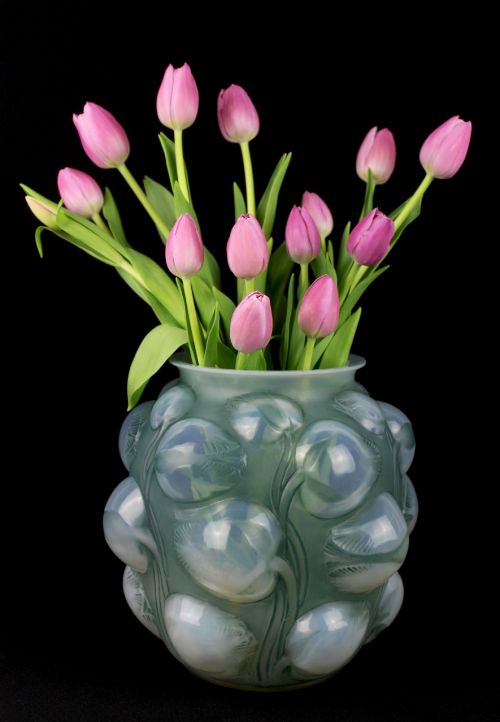
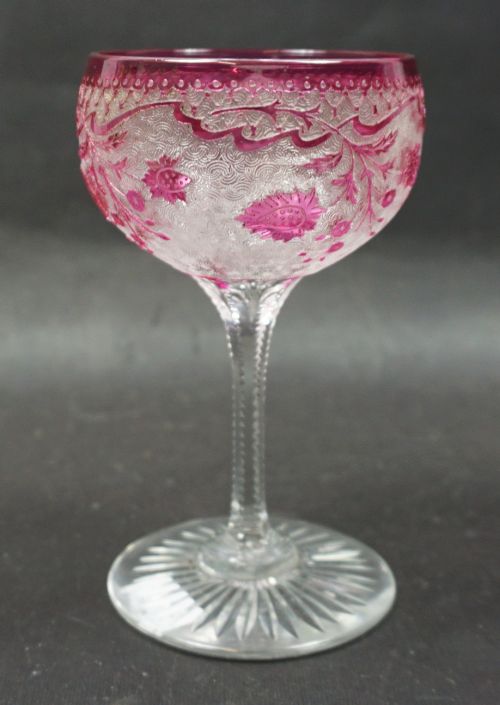
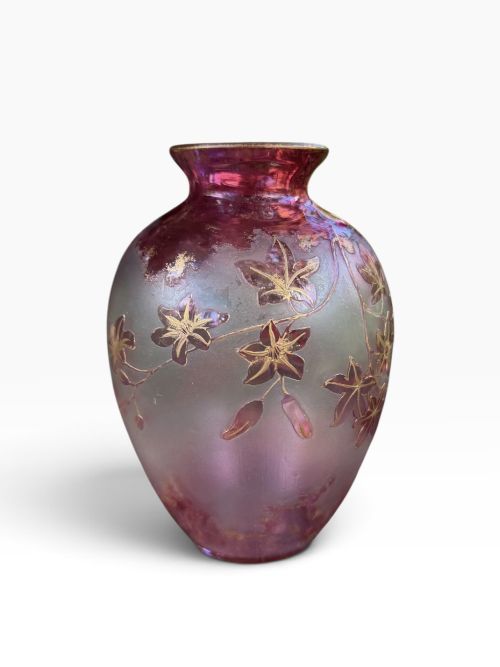
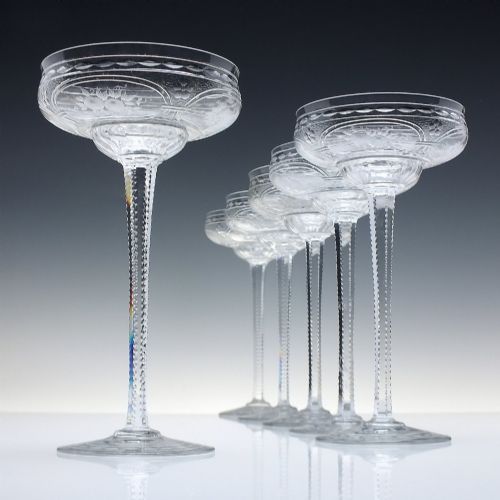
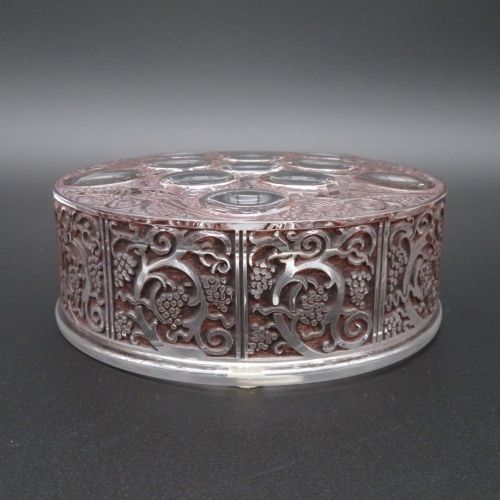
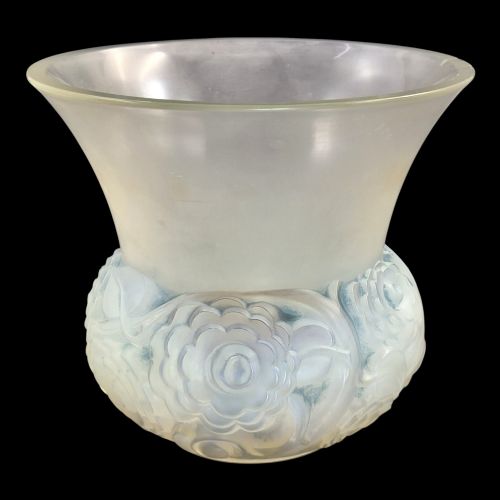
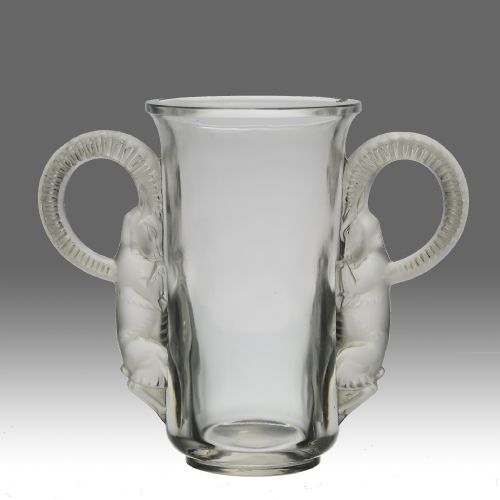
When you search for french crystal glassware, you encounter decorative objects and functional vessels spanning the Second Empire, Art Nouveau and Art Deco periods. These items range from large suites of drinking glasses and champagne buckets to opalescent vases, powder boxes and decanters.
The pieces most frequently met on this page are twentieth-century works featuring clear, frosted, opalescent and moulded glass. Alongside these, nineteenth-century examples appear in forms such as engraved wine jugs and personal ice coolers.
How they were made
Makers utilised clear and frosted crystal, often applying opalescent finishes or blue staining to highlight moulded relief details. Production involved pressing or blowing glass into moulds, followed by hand-finishing and engraving.
Certain tablewares incorporate applied decorative elements such as white glass latticinio threads or 24-carat gilding. These techniques allowed for both crisp geometric patterns of the Art Deco era and fluid, organic floral motifs of the Art Nouveau style.
French Crystal Glassware Retail Price Guide 2026
Typical asking prices for french crystal glassware among the pieces listed under this phrase on Sellingantiques today, from the lower quarter to the upper quarter. They describe what is for sale here now, not the wider market.
Listings feature items spanning the 1860s to the 1930s, encompassing clear, frosted, opalescent and moulded glass alongside brass elements.
What varies in quality
The distinction between standard pieces and superior examples lies in the crispness of the moulded relief and the depth of the hand-engraving. Greater clarity in the crystal and subtlety in opalescent shading elevate the visual impact of a vessel.
Completeness also dictates standing, particularly in matched suites of drinking glasses or pairs of candlesticks. Pieces bearing clear maker signatures and well-preserved surface staining retain stronger definition in their decorative motifs.
Lalique·René Lalique·Saint-Louis·Baccarat
The French Crystal Glassware Glossary
- Opalescent glass
- A type of glass that displays milky, bluish or pearlescent hues when lit from certain angles. This effect is achieved through chemical additives during the melting process.
- Latticinio
- A decorative glass technique utilising fine opaque white threads embedded within clear glass vessels. It creates delicate net or ribbon patterns across the body.
- Moulded glass
- Glass formed by pressing molten material into a prepared metal or wooden matrix. This method permits the repetition of complex relief ornamentation.
- Engraved glass
- Glass decorated by cutting lines and motifs into the surface using rotating wheels or diamond points. The process adds textural contrast to smooth crystal bodies.
- Stemware
- Drinking vessels raised upon a stem and foot, including glasses intended for wine, champagne and liqueurs. Suites of these items form matched table settings.
French Crystal Glassware: Frequently Asked Questions
How do I clean antique crystal?
Wash pieces by hand in lukewarm water using a mild, non-abrasive detergent. Avoid sudden temperature changes to protect the material from thermal shock.
Dry each item immediately with a lint-free cloth to maintain clarity and prevent water spots from forming on engraved or moulded surfaces.
Can I use these glasses daily?
Suites of drinking glasses and decanters suit occasional dining provided they receive careful handling. Hand washing remains essential to preserve any fine engraved decoration or gilding.
Heavily moulded decorative objects, such as opalescent vases and powder boxes, function best in display settings away from active dining areas.
How do I date these pieces?
Examine the stylistic indicators, such as organic floral motifs associated with Art Nouveau or geometric symmetry characteristic of Art Deco. Maker signatures and marks etched into the base offer further chronological context.
Materials also provide clues, as opalescent finishes and specific frosted textures frequently align with twentieth-century production methods.
What is the difference between glass and crystal?
Crystal contains specific metallic oxides, traditionally lead oxide, which increase the weight, refractive index and durability of the material. This composition allows for sharper cut or moulded details.
Standard glass lacks these additives, resulting in lighter pieces with less brilliance when exposed to light.