
French Crystal Drop Fixture
A french crystal drop fixture brings undeniable sparkle to a room through cascading glass and metal framing.
French Crystal Drop Fixture
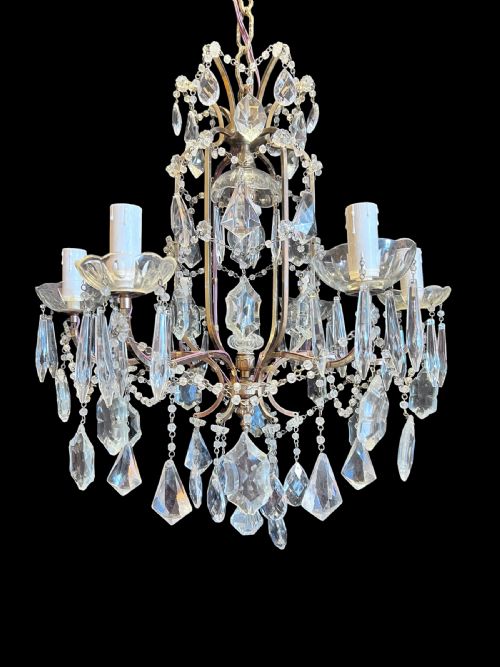
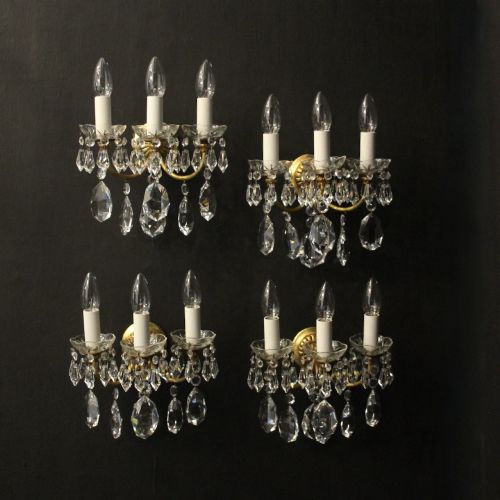
A french crystal drop fixture encompasses elaborate chandeliers, wall lights, and ceiling fittings designed to refract light across a space. These pieces emerge primarily from the nineteenth century through the early twentieth century, spanning periods like the Edwardian era and the nineteen-twenties.
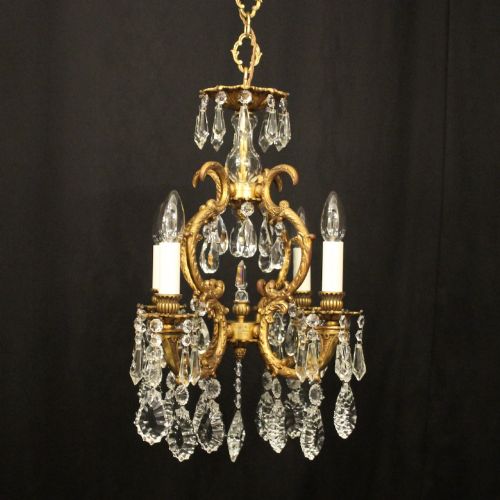
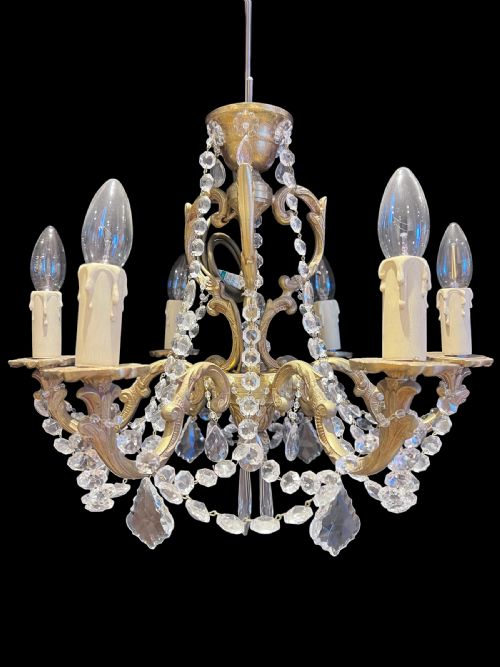
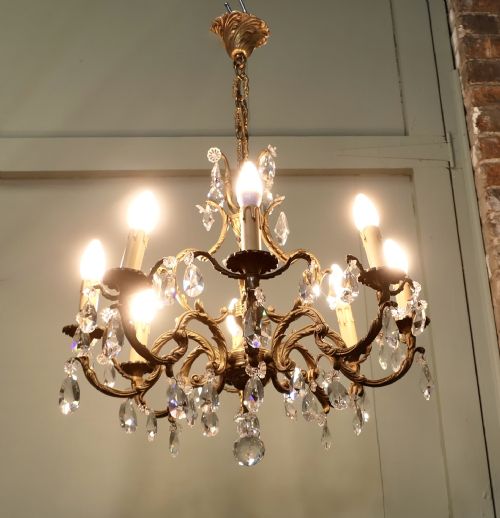
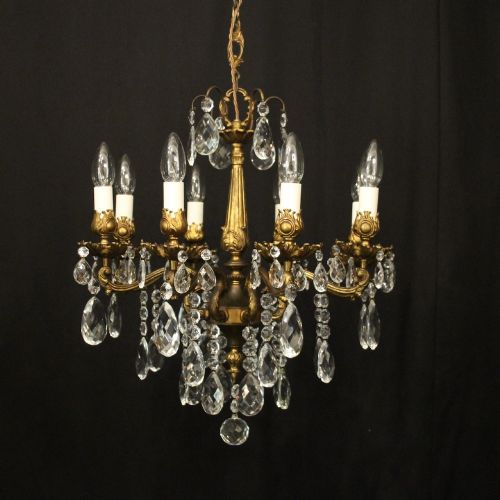
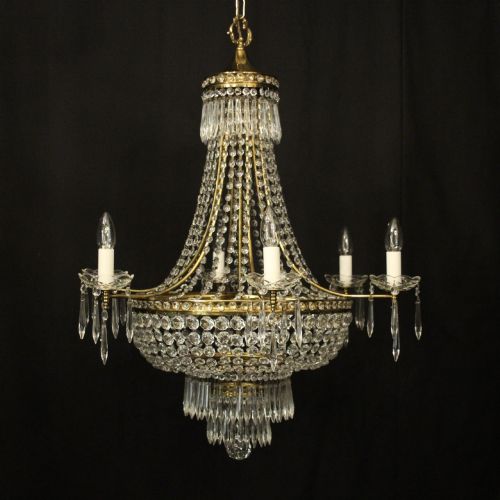
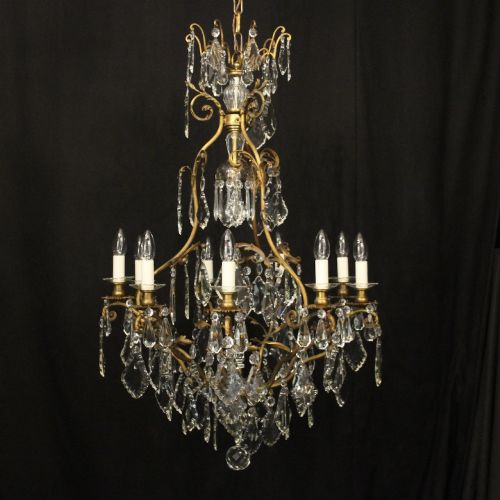
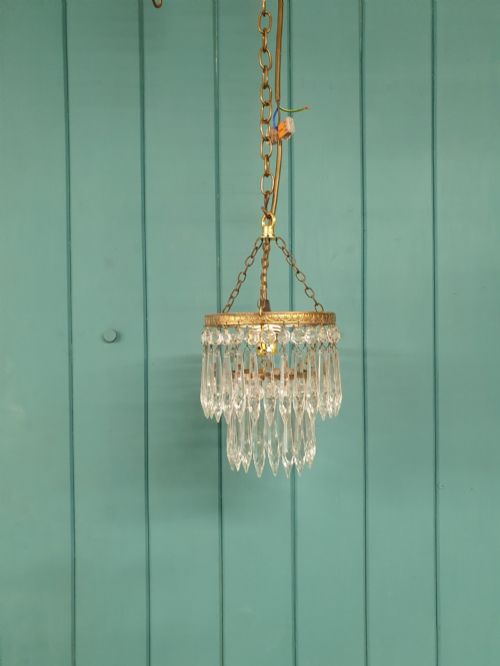
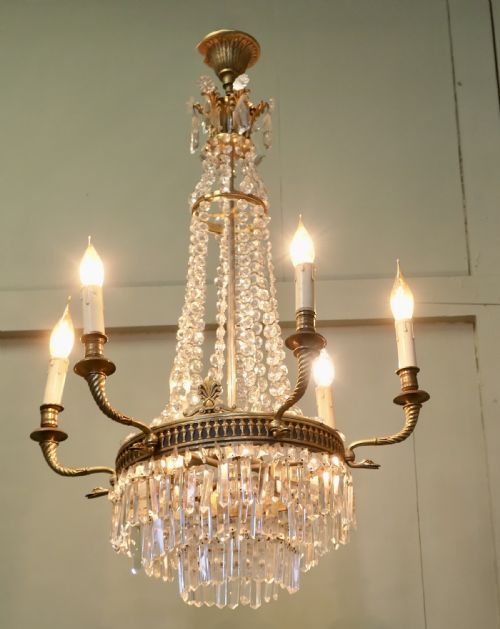
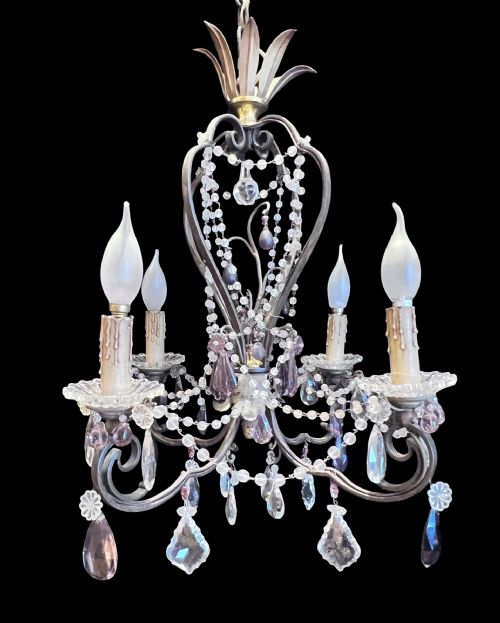
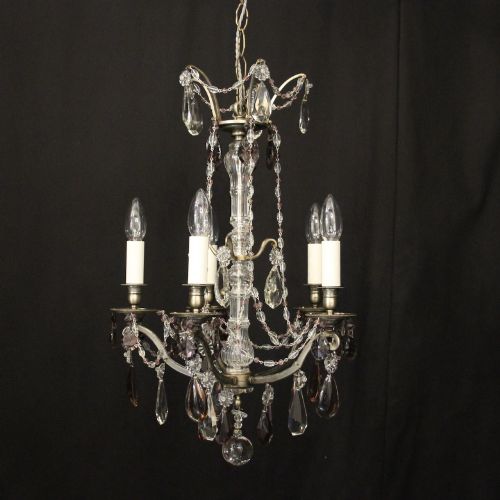
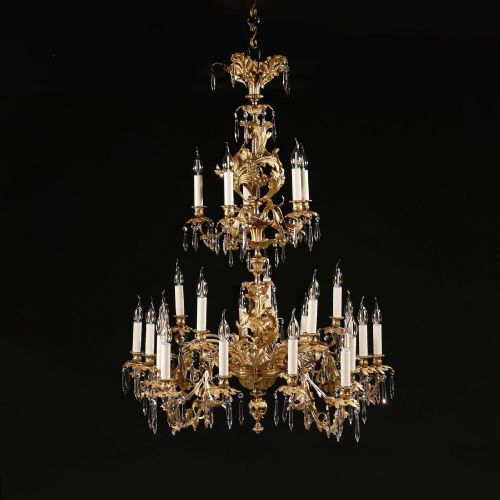
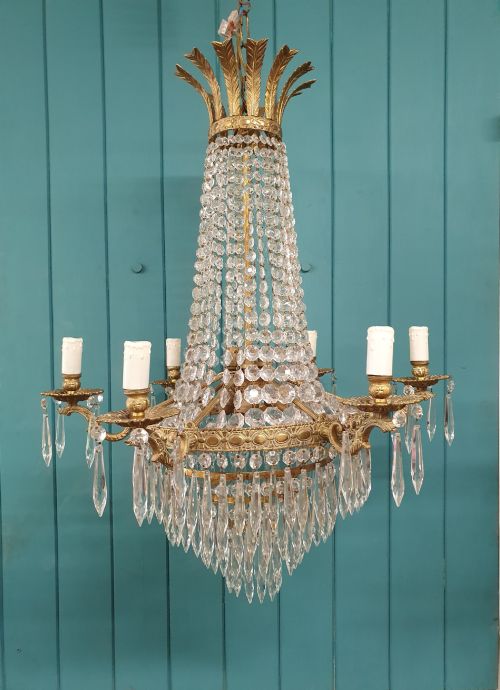
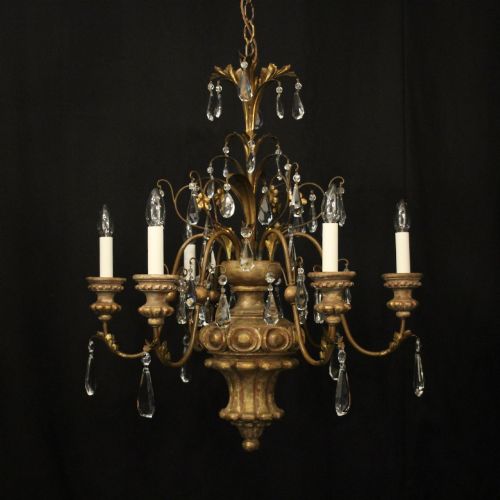
Buyers encounter numerous regional interpretations on this page, dominated by French chateau, empire, and rococo styles alongside Italian Florentine pieces. Forms range from compact bag chandeliers and small spike designs to grand multi-light tent and waterfall structures hung with numerous lustres.
How they were made
The construction of a french crystal drop fixture relies on metal frames cast from brass, gilt bronze, gilt brass, and toleware. Smiths and founders shaped these structural elements into cages, branches, and coronas to support the weight of suspended glass.
Artisans hung cut glass, crystal, and coloured crystal drops from the frames using wire or pins. Cut glass prisms, coffin prisms, and teardrops caught the illumination from candles or early electric bulbs to maximise refraction.
Materials across these listings include brass, gilt bronze, cut glass, toleware, and polychrome iron supporting diverse crystal drops.
What varies in quality
The sophistication of the metalwork separates examples within the range, noting the depth of gilding and the precision of casting in the bronze or brass mounts. Elaborate chasing on gilt bronze frames and detailed leaf decoration indicate superior workmanship.
The clarity and cutting of the crystal drops also dictate the standard of the piece, with heavier hand-cut glass and intentional colour variation offering greater brilliance. Integrated designs where every tier of drops and lustres matches in tone reflect higher manufacturing ambition.
The French Crystal Drop Fixture Glossary
- Tent and waterfall
- A lighting configuration featuring an upper conical section of glass beads above a cascading shower of crystals. This arrangement creates a dense curtain of sparkling glass.
- Bag chandelier
- A fixture shaped like a tapered mesh bag or basket formed from strung beads, terminating in a bottom fringe of drops. These smaller pieces often hang closely against the ceiling.
- Lustre
- A cut glass pendant or hanging prism suspended from the arms or crown of a light fixture. Lustres amplify the illumination by scattering light in multiple directions.
- Coffin prism
- A flat, wedge-shaped glass pendant resembling a coffin outline, commonly utilised in early twentieth-century designs. They deliver sharp, linear refraction when light passes through.
- Gilt bronze
- A metal substrate coated in a fine layer of gold, frequently referred to asormolu in finer decorative arts. It provides a warm, enduring metallic sheen that resists tarnishing.
French Crystal Drop Fixture: Frequently Asked Questions
How do I hang a heavy crystal fixture safely?
Suspension requires securing the fixture directly into ceiling joists or structural nogging using an appropriate steel hook and electrical junction box. The weight of brass and crystal demands hardware that exceeds the total load of the piece.
Professional installation is strongly advised to distribute the downward pull evenly and protect historical wiring or chains. Ensure the ceiling height accommodates the drop of the specific model without obstructing movement underneath.
Can these antique fixtures use modern bulbs?
Most period pieces accept standard modern candelabra bulbs, though rewiring may be necessary to meet current safety standards. Low-wattage LED alternatives replicate the soft glow of historic lighting without generating excessive heat.
Consult a qualified electrician to inspect the internal sockets and wiring before installation. Preserving the original candle tubes or drip pans maintains the authentic appearance of the fitting.
How should I clean the crystal drops?
Routine maintenance involves dusting the glass elements in place using a soft feather duster or microfiber cloth. For a deeper clean, remove the individual drops and wash them in lukewarm water with mild soap.
Dry each crystal thoroughly with a lint-free cloth before reattaching it to the brass or bronze frame. Avoid harsh chemical cleaners that can strip the gilt finish from the metal mounts.
What distinguishes an empire style chandelier?
Empire style fittings draw inspiration from classical antiquity, featuring symmetrical lines, laurel motifs, and tent-and-waterfall configurations. These pieces emphasise geometric harmony and restrained ornamentation compared to more ornate rococo designs.
Expect to find balanced tiers of lights accompanied by structured rows of crystal garlands. This aesthetic suited formal reception rooms in grand nineteenth-century French interiors.