



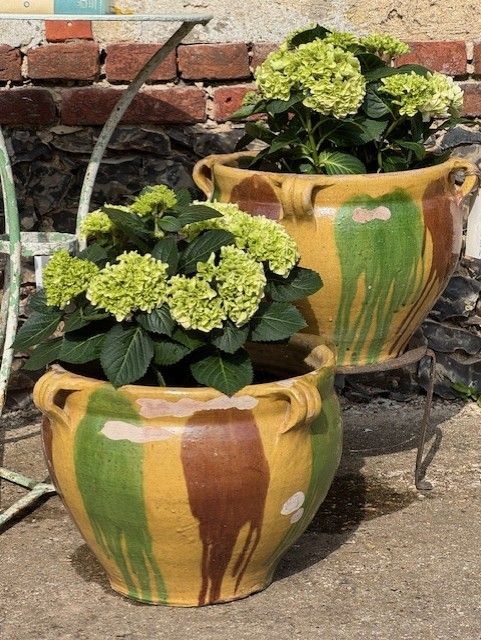


French Country Urn
These French country urn pieces and vessels bring rustic charm to interiors, offering timeless decorative forms rooted in provincial tradition.
French Country Urn
A french country urn encompasses functional vessels, garden planters, and decorative jars rooted in provincial traditions. You will frequently encounter utilitarian earthenware and terracotta pieces alongside glazed confit pots and garden urns.
The selections span from the eighteenth and nineteenth centuries through to twentieth-century iterations. These objects originate from regional workshops across France, reflecting both chateau elegance and rustic farmhouse utility.
Materials and Construction
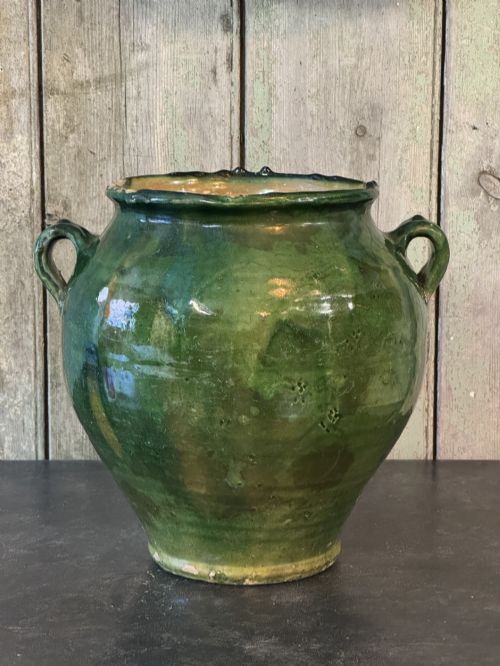
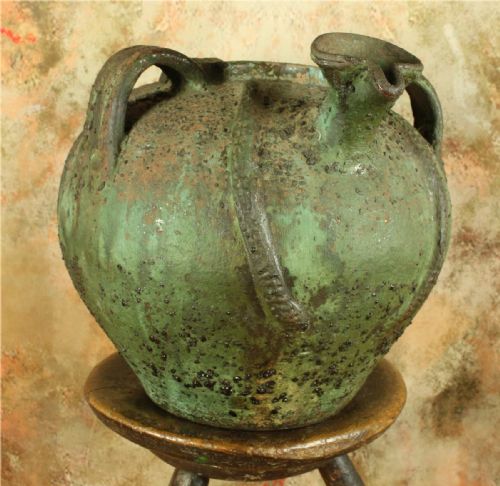
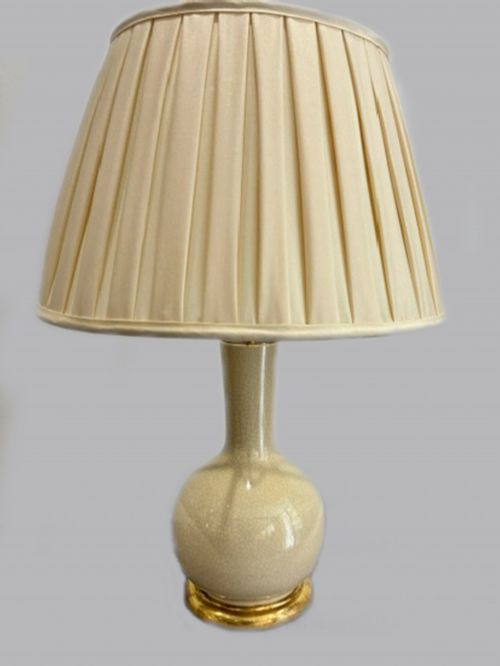
Potters utilised native clays, shaping terracotta and earthenware by hand before applying tin or green lead glazes. Many items exhibit characteristic dribble glazing and crackle ware surfaces developed during kiln firing.
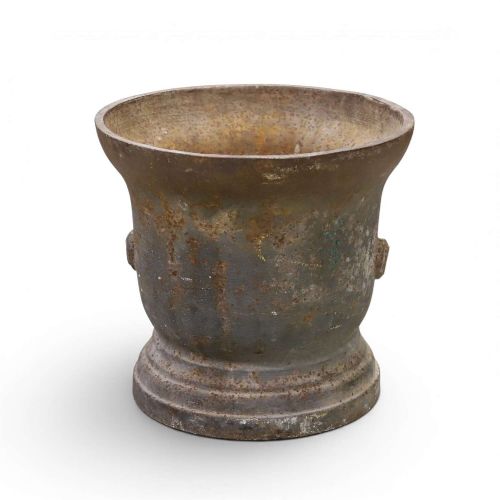
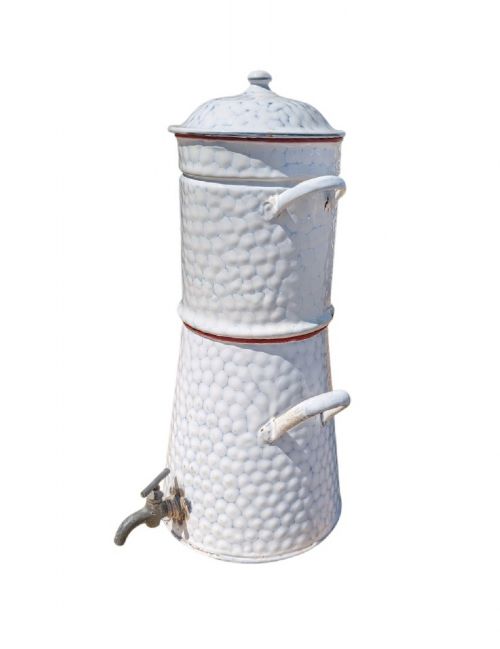
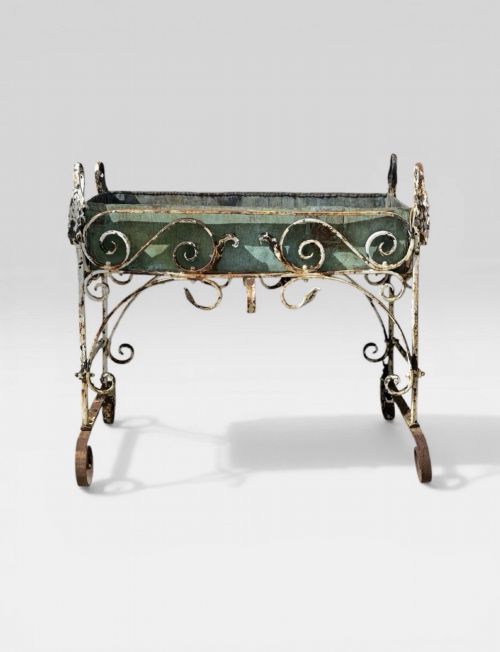
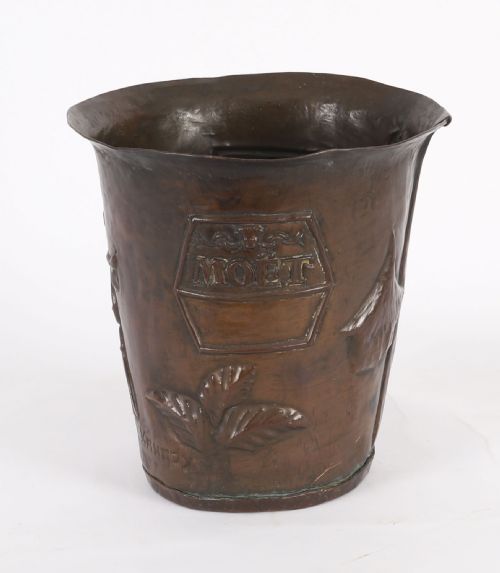
Metal vessels combine cast iron, wrought iron, copper, and gilt bronze, often shaped for utilitarian tasks such as apothecary work or wine cooling. Cabinetry and stands integrate solid walnut and chestnut timbers.
French Country Urn Retail Price Guide 2026
Typical asking prices for french country urn among the pieces listed under this phrase on Sellingantiques today, from the lower quarter to the upper quarter. They describe what is for sale here now, not the wider market.
Current listings feature eighteenth and nineteenth-century earthenware, terracotta, cast iron, and walnut forms originating from French regional workshops.
Judging Quality and Character
Distinctions in quality arise from the purity of the thrown form and the depth of the glaze. Hand-thrown terracotta and tin-glazed faience display subtle irregularities that signal genuine provincial craftsmanship.
Patina dictates visual success, where honest surface wear, old repairs, and unforced oxidation elevate utilitarian containers into distinguished decorative elements.
Fourmaintraux Courquin
The French Country Urn Glossary
- Confit Pot
- A traditional French earthenware vessel featuring handles, typically glazed partially or fully in green or yellow, originally used for preserving meats.
- Faience
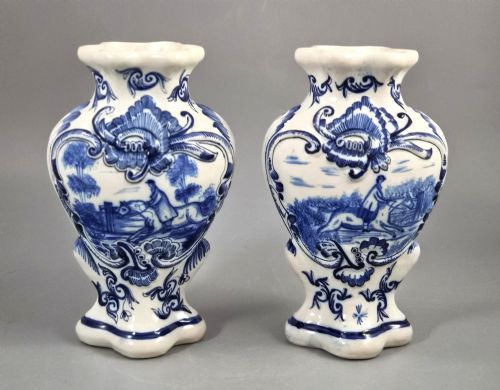
- Tin-glazed earthenware produced in France, often hand-painted with blue and white pigments or floral motifs.
- Terracotta
- Unglazed or glazed fired clay possessing a warm reddish-brown body, frequently utilised for garden planters and vessels.
- Lavabo Cabinet
- A provincial wooden washstand housing a pewter cistern and basin for domestic ablutions.
French Country Urn: Frequently Asked Questions
What were French country urns used for?
These pieces served practical roles in provincial life, functioning as food storage jars, oil pots, and garden planters.
Over time, utilitarian iron mortars, copper coolers, and ceramic vessels transitioned into purely decorative interior and patio objects.
How do I date a French earthenware jar?
Dating relies upon examining the clay body, glaze characteristics, and tool marks left by the potter.
Eighteenth and nineteenth-century examples often display heavier thrown bodies and regional glaze variations compared to later twentieth-century pieces.
Where should I place an iron garden urn?
Wrought and cast iron planters suit conservatories, patios, and garden terraces where weathering enhances their surface patina.
Inside the home, smaller cast iron mortars and ceramic vessels function effectively as tabletop accents.
Are these ceramic urns waterproof?
Many nineteenth-century terracotta and earthenware pots feature partial or full interior glazing designed to hold liquids or damp soil.
Unglazed porous terracotta items require protective saucers or liners when displayed upon wooden furniture.