
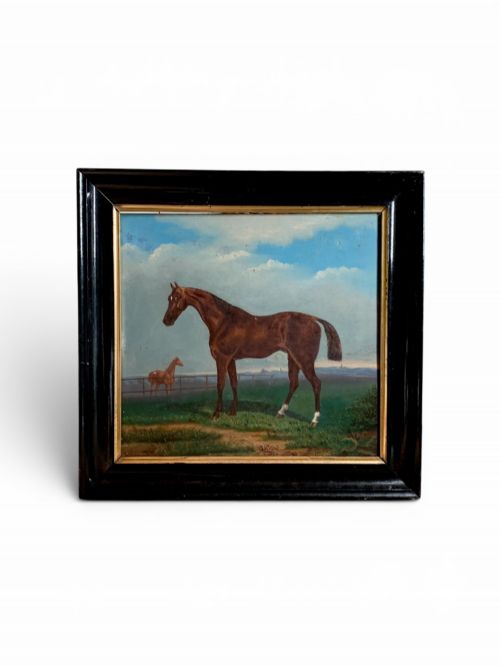


French Country House Art
French country house art brings together rural subjects and provincial painting traditions from the nineteenth and twentieth centuries.
French Country House Art
French country house art encompasses oil paintings and sculptures originating from provincial settings across the nineteenth and twentieth centuries. These works range from academic portraits and equestrian scenes to folk art and rustic still lifes.
Buyers encountering this selection will frequently find oil paintings on canvas and wood panel depicting animals, hunting dogs, horses, and rural landscapes. Sculptures and decorative objects like wooden decoy ducks also appear within this broad decorative category.
Materials and Construction
The physical works rely primarily on oil paint applied to woven canvas or solid wood panels. These traditional painting supports receive layers of pigment that capture the varied tones of landscapes and subjects.
Framing and mounting often utilise gilded wood or ebonised wood to complement the painted surface. Sculptural works incorporate carved wood to render animal forms such as golden pheasants and decoy ducks.
Wooden decoy ducks sit alongside grand equestrian oil paintings in this eclectic rural mix.
Assessing Quality and Execution
Quality separates through the assured handling of brushwork and the anatomical accuracy within figurative subjects. Masterful works demonstrate precise control over light and shadow, particularly in animal portraits and equestrian compositions.
The distinction also rests in the preservation of the original surface materials, whether canvas, panel, or carved wood. Stronger examples maintain their initial visual depth without heavy modern intervention.
Jean baptiste Joseph Pater·Jules Chardigny·Guillaume Urban Régamey
The French Country House Art Glossary
- Oil on Canvas
- A traditional painting medium where pigment mixed with drying oil is applied to a stretched cloth support. This combination allows for rich colour blending and texture.
- Wood Panel
- A rigid wooden board utilised as a stable foundation for oil paintings. Panels frequently precede or run parallel to canvas usage in historical works.
- Ebonised Wood
- Timber treated with a chemical stain or finish to imitate the dark, dense appearance of ebony. This treatment often provides contrast in frames and decorative elements.
- Folk Art
- Artistic work produced from an indigenous cultural tradition or community craft perspective. These pieces prioritize functional or decorative appeal over academic convention.
French Country House Art: Frequently Asked Questions
What periods do these pieces cover?
The available selection spans from the late nineteenth century through the mid twentieth century. Artists and makers worked across various decades including the eighteen eighties and nineteen fifties.
This broad chronological range incorporates changing artistic movements from traditional realism to early expressionism and cubist abstracted compositions.
How were these paintings originally displayed?
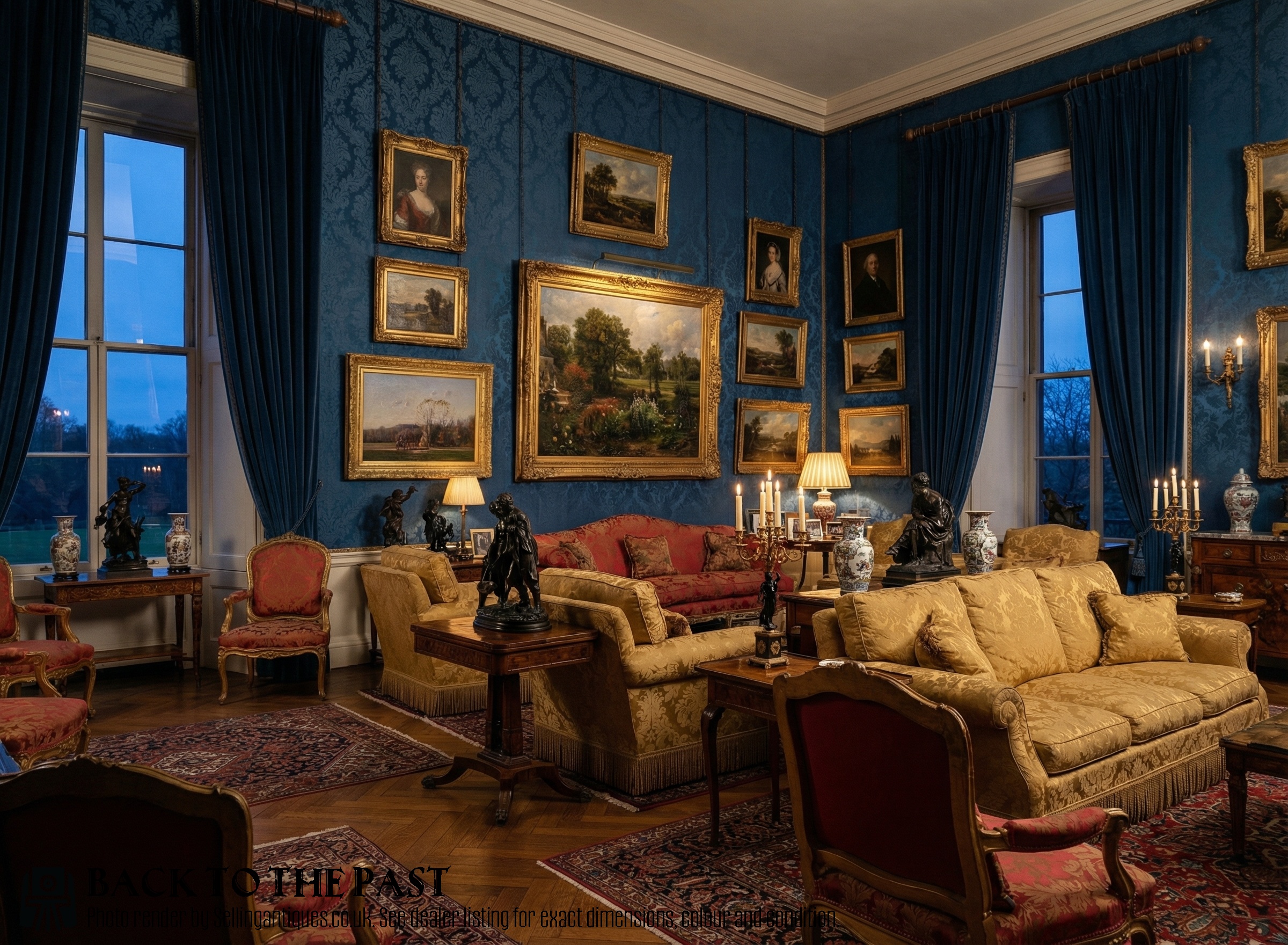
Such artworks traditionally hung in the reception rooms, libraries, and hallways of provincial French residences. They served to reflect the interests of the household, particularly in hunting, sporting, and rural life.
Frames made of gilded or ebonised wood enhanced their presence on domestic walls alongside decorative sculptures.
Are all these works painted on canvas?
While canvas remains a primary support for oil paintings in this category, many pieces utilise solid wood panels instead. The choice of support often depends on the specific date and regional workshop tradition.
Sculptural items and decorative objects introduce other materials entirely, such as carved and painted wood.
What subjects are most common?
Animal subjects dominate the selection, featuring hunting dogs, horses, pheasants, and domestic fowl. Landscapes and rural houses also appear frequently alongside traditional still life arrangements.
These motifs reflect a consistent engagement with the natural and agricultural environment of the French countryside.