


French Country Folk Art
These french country folk art pieces bring rustic provincial character into a room through hand-carved wood and tin-glazed earthenware.
French Country Folk Art
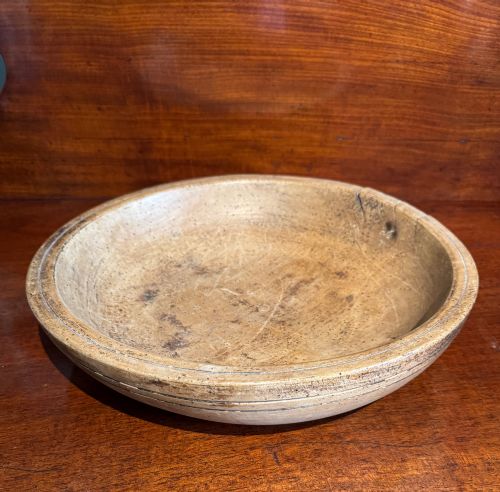
When buyers search for french country folk art, they encounter utilitarian objects transformed by regional hands into domestic decoration. The items span the nineteenth century and the early twentieth century, originating from rural workshops across France and coastal areas like Brittany. Sycamore dairy bowls, walnut tables, and hand-carved shop displays represent the practical output of rural makers.
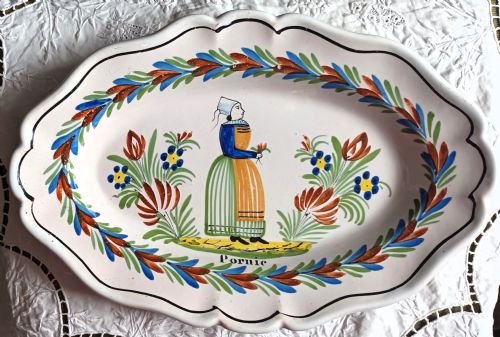
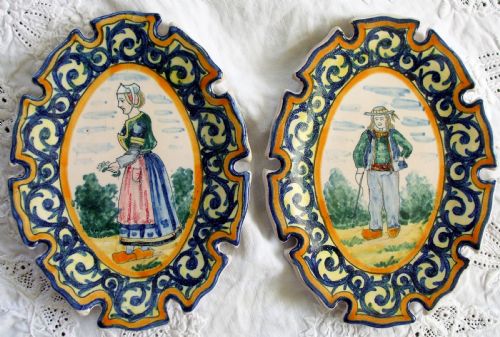
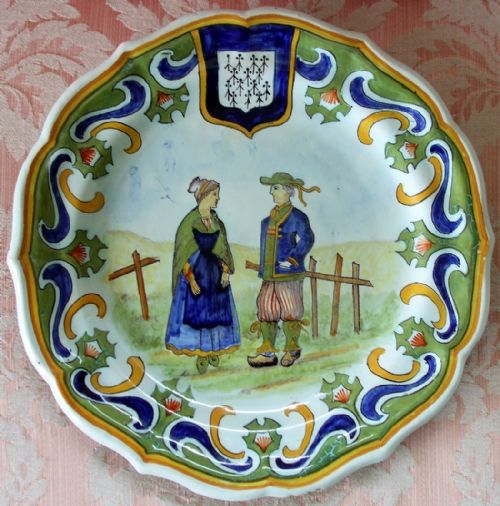
Ceramic forms dominate the selection through tin-glazed earthenware and faience from production centres such as Quimper and Desvres. Plates, pin trays, and serving dishes display painted local figures and floral motifs in traditional palettes. These domestic items carry the wear of daily kitchen use alongside the charm of provincial artistry.
Wooden items range from carved shop displays and decoy ducks to cabinets constructed from traditional enclosed bed fronts. A cow trolley or a prune drying rack shows the ingenious ways rural communities utilised local materials like sycamore and cleft hazel. Each piece reflects the specific agricultural or domestic life of its origin.
Assessing Quality and Character
Quality rests in the vigour of the hand-carved detail and the authenticity of regional painted decoration. A shop display with crisp, deep tool marks commands attention compared to a soft, worn surface. Similarly, faience dishes show variation in the precision and complexity of the hand-painted regional figures.
Original surface patination distinguishes superior examples from heavily restored pieces. Old paint layers, natural wood weathering, and historic glaze crazing contribute to the visual depth of domestic bowls and sculptures. The integrity of construction methods, from pegged joints to hand-thrown clay bodies, anchors the value of each piece.
A wooden pig sculpture from Normandy shares shelf space with a decoy duck and a cow trolley.
Melissa White·HR Quimper
The French Country Folk Art Glossary
- Faience
- Tin-glazed earthenware produced in European workshops, known for a white opaque background and painted surface decoration. This technique allowed provincial potters to imitate more expensive porcelains using local clay.
- Sycamore
- A dense hardwood commonly utilised in rural France for domestic turned bowls and dairy utensils. Its tight grain resists moisture absorption well, making it practical for agricultural tasks.
- Pin Tray
- A small decorative dish designed for holding pins or small trinkets on a dressing table. In regional pottery centres, these often featured hand-painted local costume figures.
- Lit-clos
- A traditional enclosed box bed originating from Brittany, designed to retain heat during cold winters. Surviving carved wooden fronts are occasionally repurposed into cabinets.
- Tin Glaze
- An opaque white ceramic glaze containing tin oxide, providing a smooth canvas for hand-painted pigments. It defines the appearance of traditional French regional ceramics.
French Country Folk Art: Frequently Asked Questions
What defines french country folk art?
These pieces originate from nineteenth-century and early twentieth-century rural France, created by local artisans for practical domestic or agricultural use. They combine simple materials like sycamore and earthenware with hand-carved or hand-painted regional designs.
The category encompasses everything from dairy bowls and pin trays to carved shop displays and decoy ducks. Each item reflects the specific traditions and daily life of provinces such as Brittany and Normandy.
How do I care for antique wooden folk art?
Keep wooden items away from direct heat sources and dramatic humidity fluctuations to prevent the timber from splitting or warping. Dust gently with a dry cloth and avoid harsh chemical polishes that can damage historic surfaces.
Allow the natural patination to show its age without trying to strip away the marks of use. Treating pieces with mild bees-wax occasionally helps nourish dry historic wood.
Where were these ceramic pieces made?
The ceramic items on this page primarily come from known French pottery towns such as Quimper and Desvres. These workshops employed local decorators to paint traditional regional costume figures and botanical motifs onto tin-glazed earthenware.
Other ceramic forms include earthenware animal sculptures originating from production centres in Normandy, like Bavent. These items served as both decorative ornaments and expressions of rural pride.
How can I tell different regional styles apart?
Regional styles reveal themselves through local materials, specific construction methods, and distinct painting traditions. For instance, pieces from Brittany often display local iconography and maritime influences, while items from other regions use local timbers like walnut or cleft hazel.
Examining the handling of paint on faience or the tool marks on carved wood helps connect an object to its geographic origin. Comparing known workshop signatures also assists in identification.