

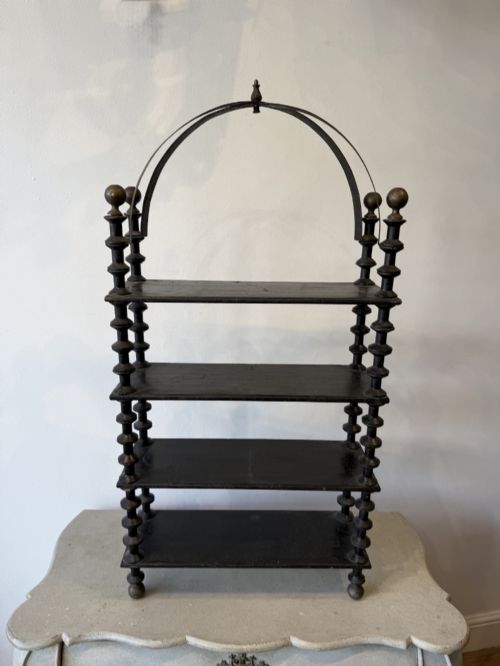


French Country Display Shelves
French country display shelves bring rustic provincial character and practical open storage to any room.
French Country Display Shelves
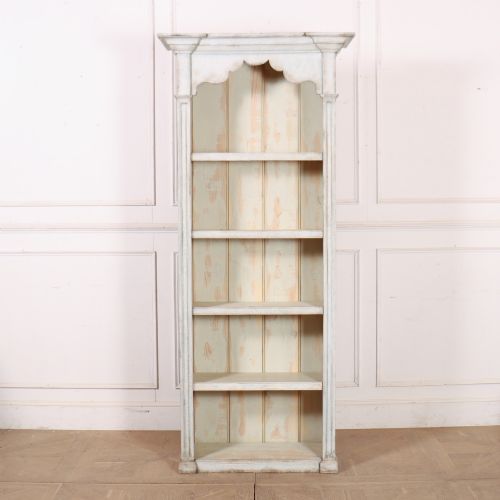
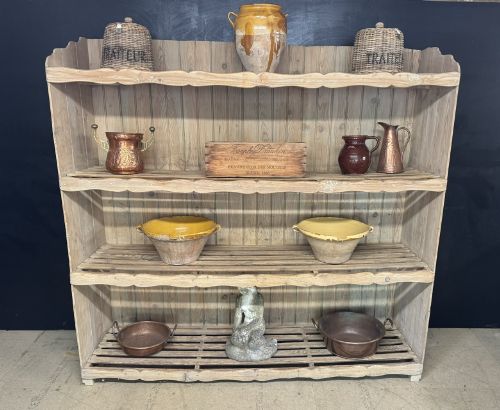
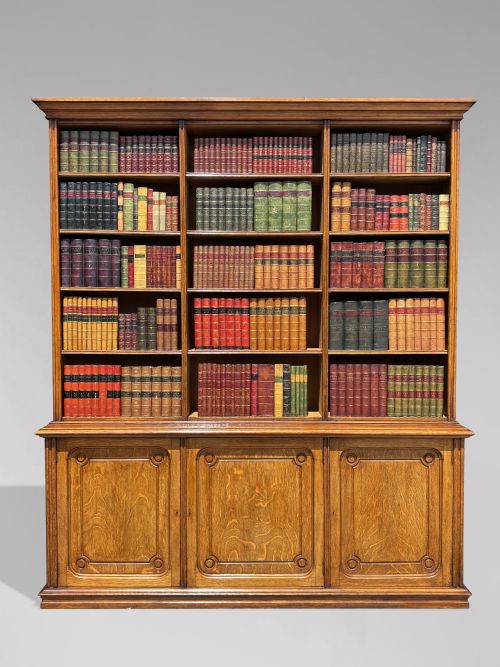
French country display shelves encompass open bookcases, wall shelves, baker's racks, and dressers originating from various periods including the eighteenth and nineteenth centuries. These pieces combine utilitarian storage with regional decorative charm, utilising forms from provincial workshops and Parisian patisseries alike.
Originating across different French regions, these display units reflect traditional domestic and commercial needs. They provide accessible storage for books, kitchenware, and decorative objects while displaying distinct period characteristics.
Materials and construction
Makers utilised solid timbers such as oak, pine, mahogany, walnut, and cherry wood for structural framework and shelving. These woods were frequently painted, bleached, or left in their natural state depending on regional workshop practices.
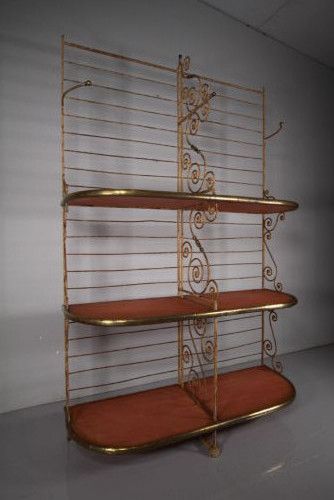
Metal elements including wrought iron, brass, and steel appear in industrial and commercial pieces such as bakers racks and etageres. Hand carving and turned wooden details like bobbin turnings provide textural decoration on wood surfaces.
Object types include bookcases, bakers racks, wall shelves, cupboards, cabinets, drapers tables, and dressers reflecting French provincial and industrial designs.
Assessing quality
Quality in these pieces depends upon the integrity of the timber selection and the skill of the original joinery. Finer examples display harmonious proportions, hand-carved details, and authentic surface treatments that have aged naturally over time.
Industrial forms rely on the robustness of their metalwork and structural stability, whilst provincial wooden cabinets demonstrate traditional mortise and tenon construction. Original paint finishes and authentic stamps or patinations elevate the character of a piece.
The French Country Display Shelves Glossary
- Baker's rack
- A metal or wooden shelving unit traditionally used in French bakeries for cooling bread and pastries. These industrial pieces feature sturdy iron or steel frames.
- Waterfall wall shelves
- Wall-mounted shelving units arranged in a descending stepped progression. This style was utilised for displaying small decorative objects.
- Etagere
- An open piece of furniture consisting of a series of tiers or shelves for displaying ornaments. They often feature marble tops and delicate upright supports.
- Vaisselier
- A traditional French dresser or cupboard designed for storing and displaying tableware. These pieces often combine lower enclosed storage with upper open shelves.
- Bobbin shelves
- Shelving featuring turned woodwork resembling a string of bobbins or spools. This decorative turning technique appears on nineteenth-century pieces.
French Country Display Shelves: Frequently Asked Questions
What are french country display shelves?
These pieces are open storage units, bookcases, and racks originating from France during the eighteenth and nineteenth centuries. They combine utilitarian storage with provincial decorative styles.
They encompass diverse forms ranging from wrought iron bakers racks to carved walnut bookcases and painted wall shelves.
How were bakers racks used?
Bakers racks were originally utilised in French patisseries and bakeries for cooling freshly baked bread and pastries. Their open iron and steel construction allowed air circulation around hot loaves.
Today, these robust metal units serve as display shelving and prep surfaces in domestic kitchens and living spaces.
Where should I place wall shelves?
Hanging shelves and wall-mounted units suit kitchens, dining rooms, and hallways where floor space is limited. They provide accessible surfaces for displaying ceramics, books, and small decorative items.
Ensure wall fixings are secured adequately into solid masonry or wall studs to support the weight of the timber and displayed objects.
How do I identify eighteenth century oak?
Eighteenth-century provincial oak furniture displays distinctive grain patterns, hand-cut joinery, and patination developed over centuries of use. Timbers were worked by hand using traditional hand tools rather than modern machinery.
Bleached oak finishes and simple provincial construction methods indicate the domestic origins of these early pieces.
What is an etagere?
An etagere is an open tiered shelving unit designed specifically for displaying decorative objects and porcelain. They often feature multiple levels supported by slender upright columns.
Examples from the nineteenth century frequently incorporate marble tops and refined woodwork to suit formal interior settings.