

French Country Dining
French country dining tables and chairs bring robust provincial character to a room through solid timbers and honest farmhouse construction.
French Country Dining
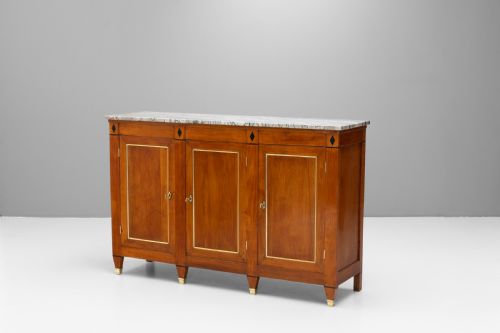
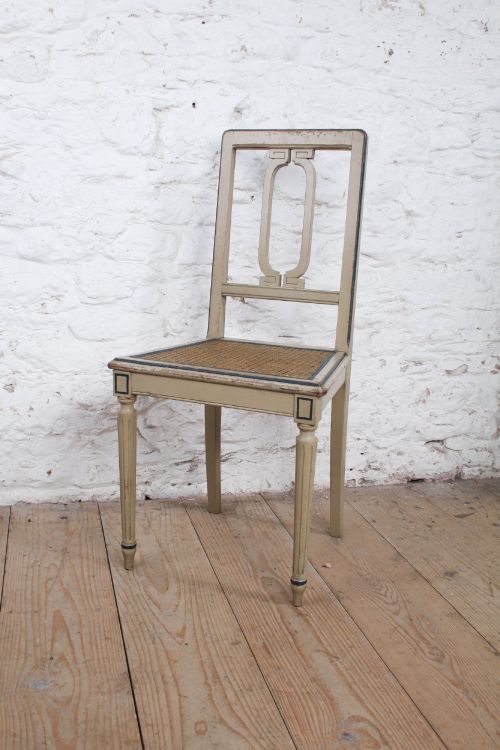
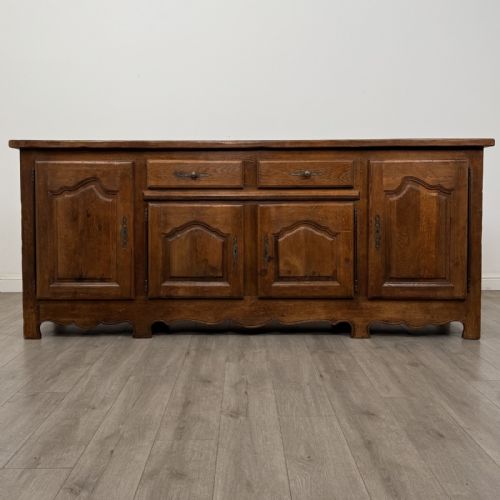
French country dining pieces encompass sturdy tables, sideboards, and chairs originating from provincial regions and rural workshops. These items reflect traditional domestic life where the kitchen or dining table formed the central hub of the household.
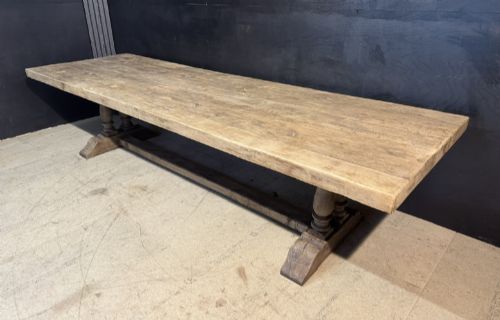
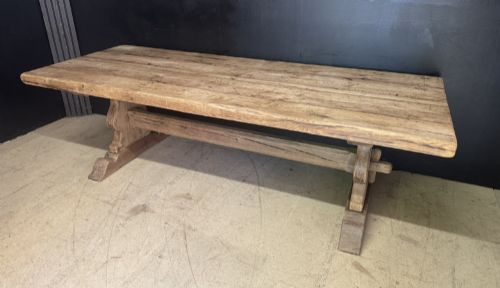
The pieces on this page span the eighteenth, nineteenth, and early twentieth centuries, capturing the evolution of rustic craftsmanship from Georgian eras through to the nineteen-twenties. Oak, fruitwood, and pine dominate the selections, often presented as refectory tables, scrub top prep surfaces, or matching chair sets.
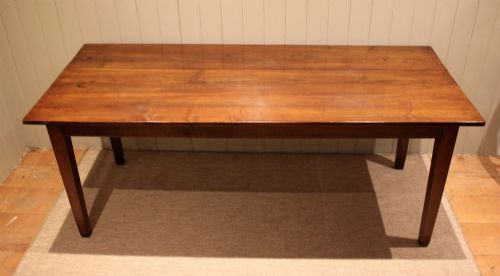
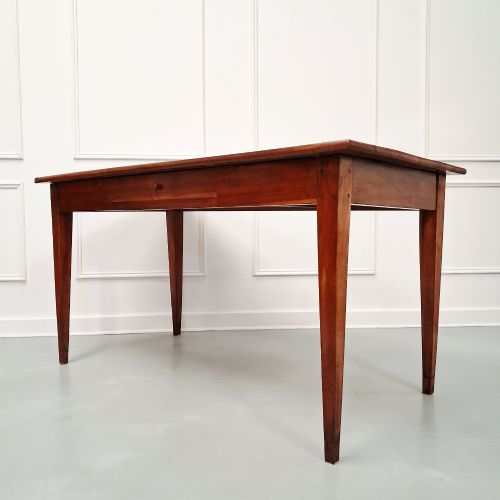
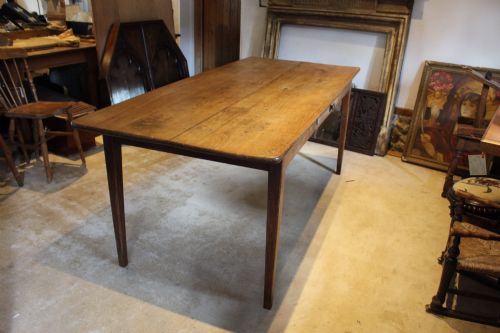
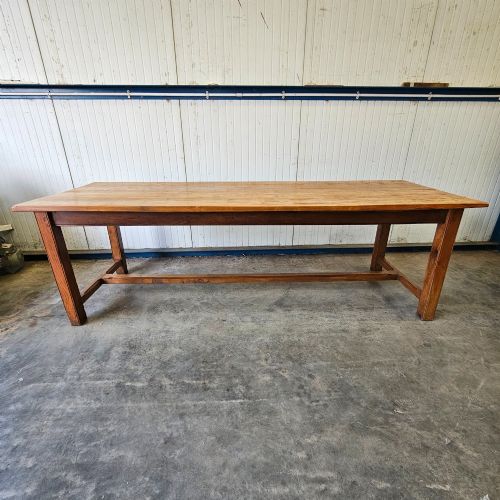
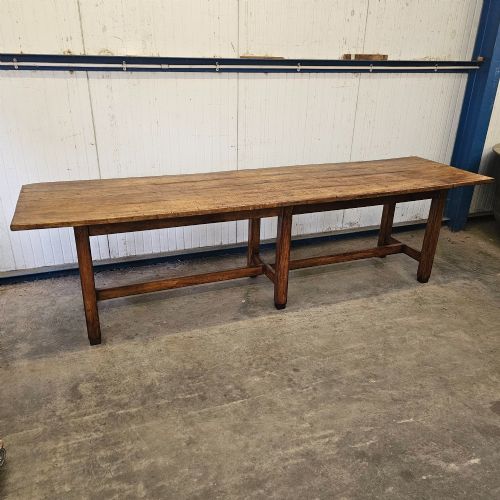
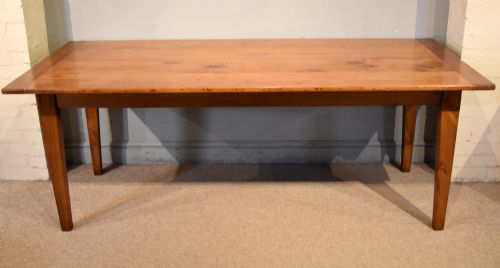
Buyers will most frequently encounter large oak farmhouse tables and fruitwood dining tables alongside sets of provincial chairs and sideboards. These furnishings range from simple, unpretentious planks to tables with tapered legs and subtle regional styling.
Materials and Joinery
Makers relied on locally sourced hardwoods and softwoods, predominantly utilising oak, fruitwood, chestnut, cherry wood, and pine. These timbers provided the necessary weight and durability to withstand daily kitchen and dining use over generations.
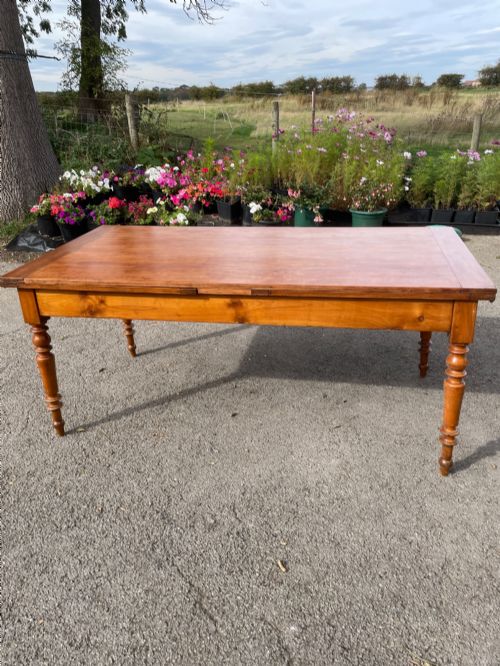
Joinery techniques focused on structural integrity, employing thick planks, twin plank constructions, and sturdy legs ranging from tapered styles to bobbin turnings. Iron and brass fittings occasionally reinforced structural points, while paint finishes appeared on specific regional cupboards and tables.
French Country Dining Retail Price Guide 2026
Typical asking prices for french country dining among the pieces listed under this phrase on Sellingantiques today, from the lower quarter to the upper quarter. They describe what is for sale here now, not the wider market.
Materials span solid oak, fruitwood, pine, chestnut, and beech, incorporating iron and brass hardware where functional.
Judging Quality in Provincial Furniture
Quality rests in the selection of timber and the integrity of the original construction rather than elaborate decoration. Dense, mature oak and richly patinated fruitwood display superior grain and depth compared to utility pine.
Proportion and surface preservation define the higher tier of these pieces. Tables with undisturbed scrub tops, solid planking, and balanced proportions command greater appreciation than altered or excessively restored examples.
The French Country Dining Glossary
- Refectory table
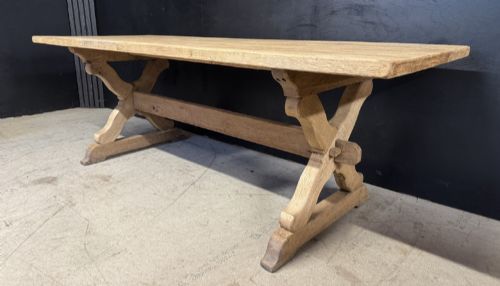
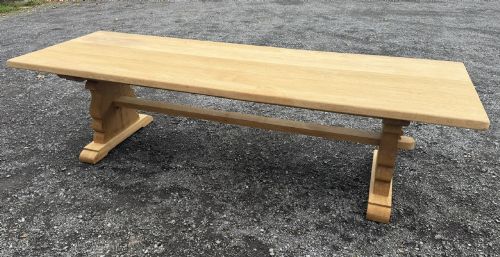
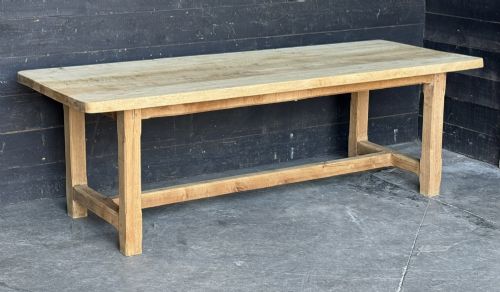
- A long, narrow dining table originally built for communal dining halls and adapted for large country kitchens. These tables typically feature substantial length supported by sturdy legs and stretcher bases.
- Scrub top
- A plain wooden tabletop left bare and cleanable through scrubbing with water and sand. This treatment is typical of hard-wearing kitchen preparation and farmhouse tables.
- Enfilade
- A long sideboard or buffet cabinet designed for storing dining china and linens. These pieces frequently incorporate multiple doors and drawers across a linear front.
- Vendange table
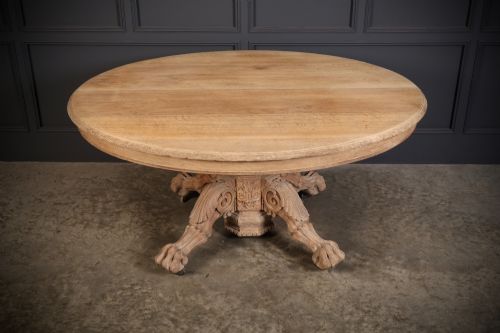
- A round table associated with wine harvesting and tasting traditions in France. These tables often feature folding or tilting mechanisms for compact storage.
- Fruitwood
- Timber harvested from fruit-bearing trees such as cherry, pear, or apple. Furniture makers favoured these woods for their fine grain and warm patination.
French Country Dining: Frequently Asked Questions
What defines a French country dining table?
These tables are characterised by heavy timber construction, simple rectangular or round formats, and practical designs suited for everyday provincial life. They prioritize functional strength over ornate carving.
Materials typically include oak, fruitwood, and pine, showing decades of use through rich patination and grain texture.
How do I care for an antique oak table?
Maintain the wood by cleaning with a damp cloth and avoiding harsh chemical polishes that can degrade the historic surface. Natural beeswax applied sparingly helps nourish dry timber.
Protect the top from excessive moisture and heat by using mats, allowing the original patina to mature gracefully.
Are these tables suitable for daily use?
Provincial dining tables were built for heavy domestic labour and daily meals, making them exceptionally durable for modern households. Their solid construction withstands family gatherings and active dining rooms.
Care should simply be taken with untreated or scrub top surfaces to manage spills promptly.
How can I date a farmhouse table?
Dating relies on examining the timber species, tool marks, joinery methods, and hardware present on the piece. Eighteenth-century examples often display hand-sawn board variations and pegged joints.
Later nineteenth and twentieth-century pieces introduce machine-sawn elements, standardised screws, and altered leg turnings.