


French Country Ceiling Fixture
These french country ceiling fixture examples bring rustic elegance to a room through wrought iron, gilt bronze, and delicate crystal drops.
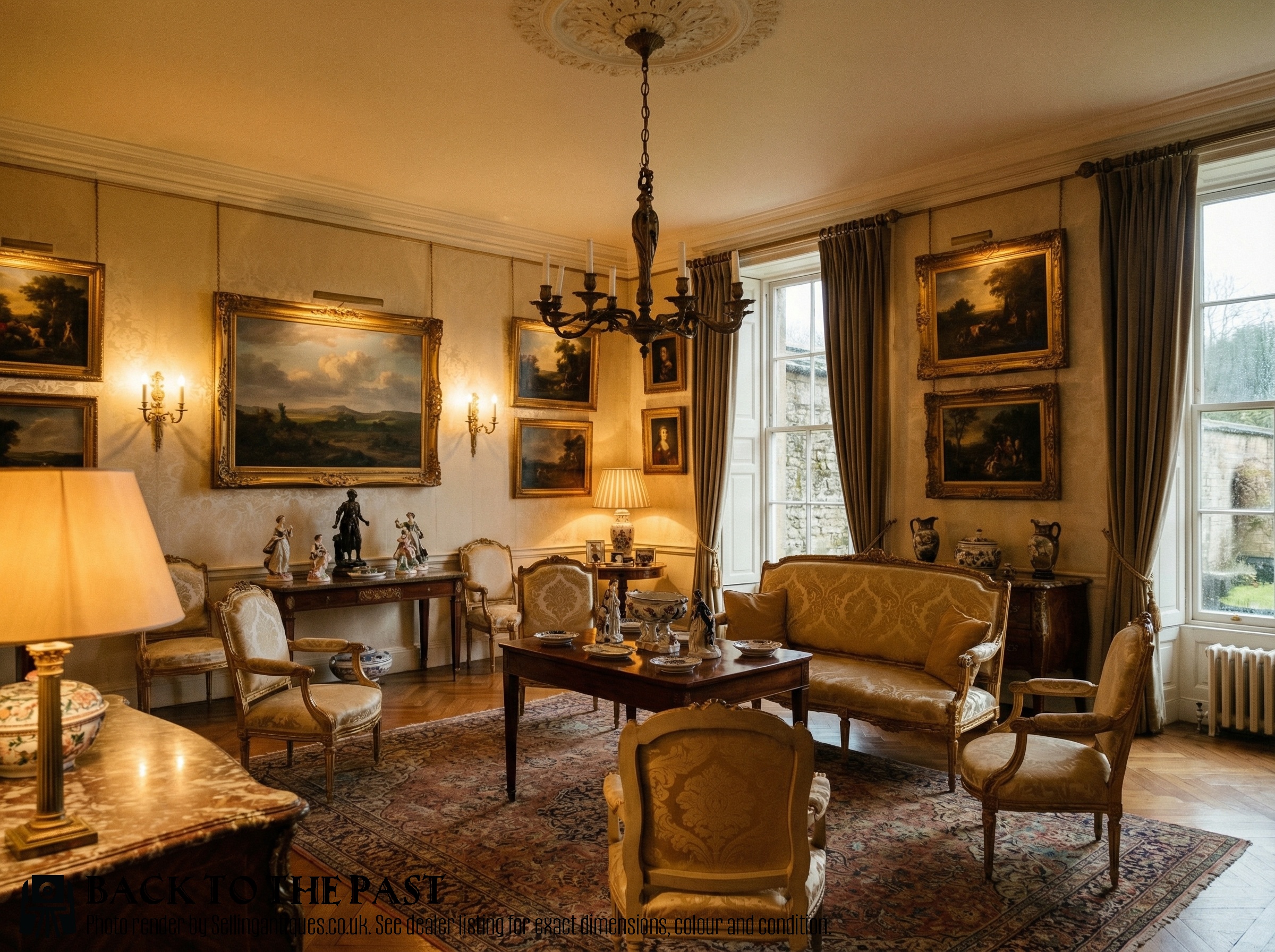
French Country Ceiling Fixture
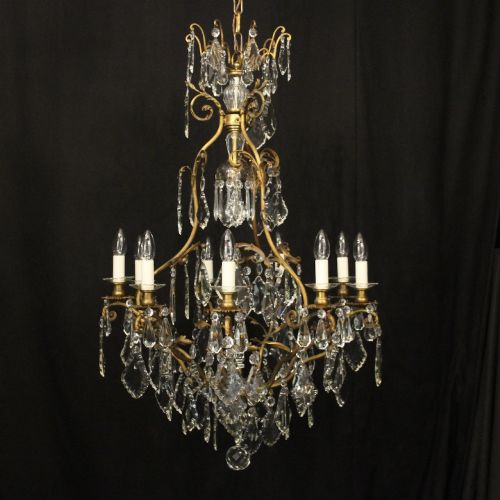
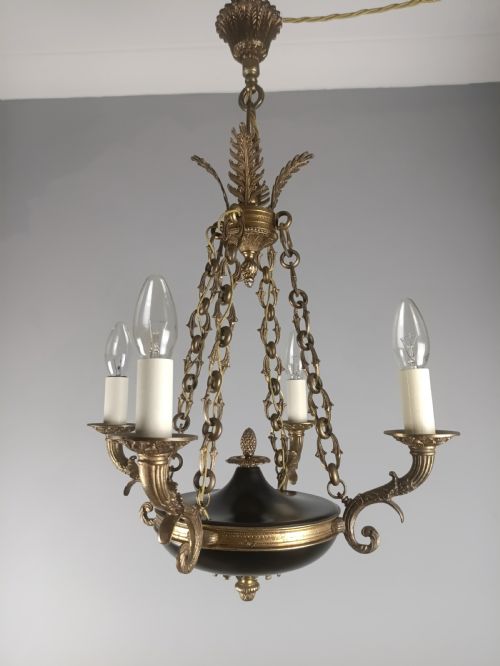
A french country ceiling fixture embodies the rustic yet refined aesthetic of rural French interiors, predominantly taking the form of multi-light chandeliers and hall lanterns. When searching this phrase, buyers encounter pieces spanning the late nineteenth century through the early twentieth century, particularly around the 1920s and 1930s.
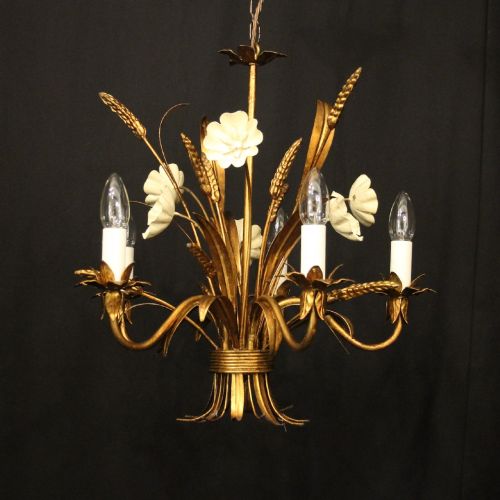
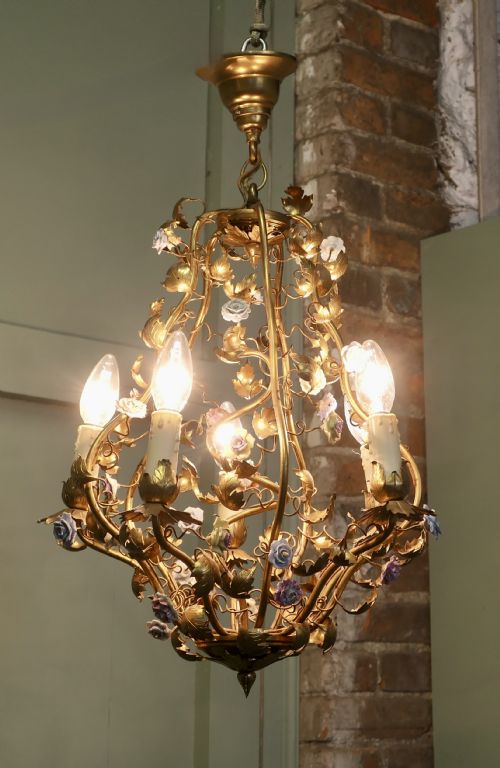
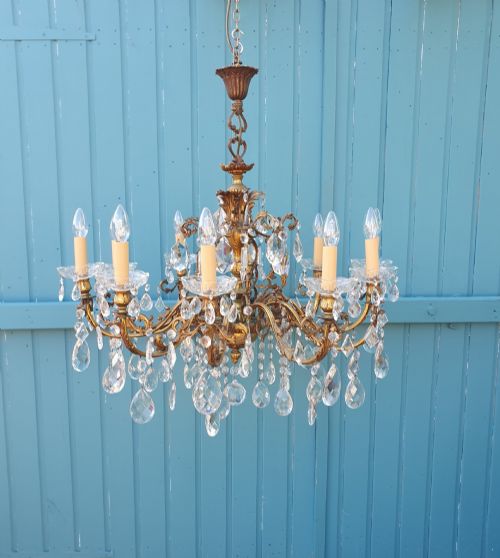
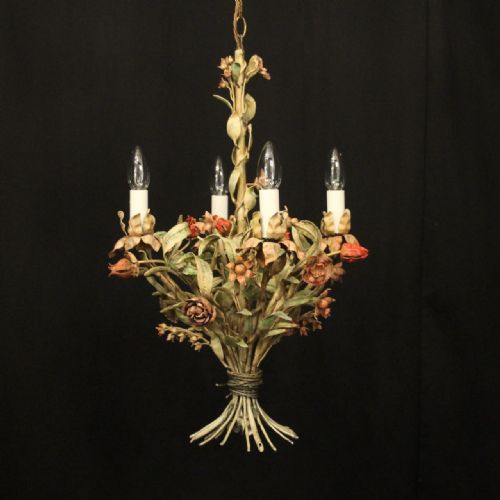
The dominant forms recorded in the evidence range from robust iron and bronze frameworks to ornate gilt brass and crystal cage designs. Many pieces incorporate decorative botanical elements such as ceramic flowers and polychrome toleware leaves.
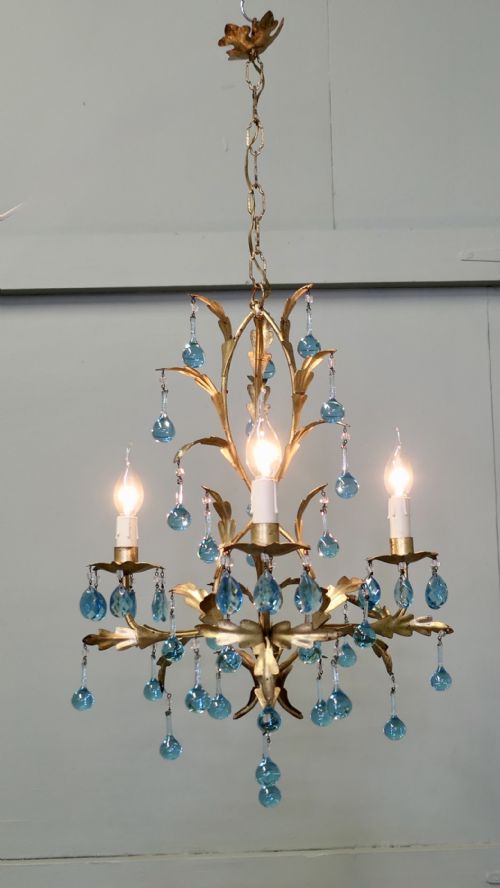
Lighter expressions feature amber, mauve, and coloured crystal fruits including grapes, apples, and pears. These fixtures suit spaces requiring diffused ambient illumination coupled with distinctive continental character.
Materials and Construction Techniques
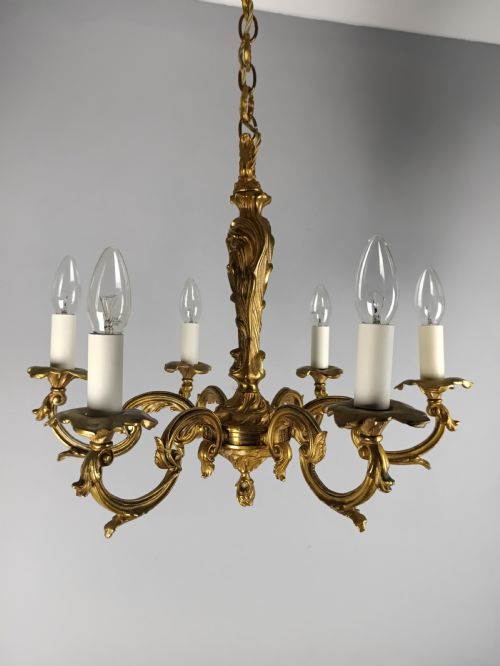
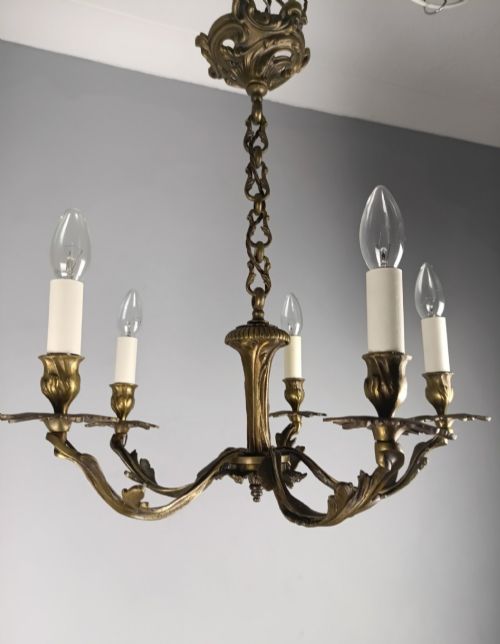
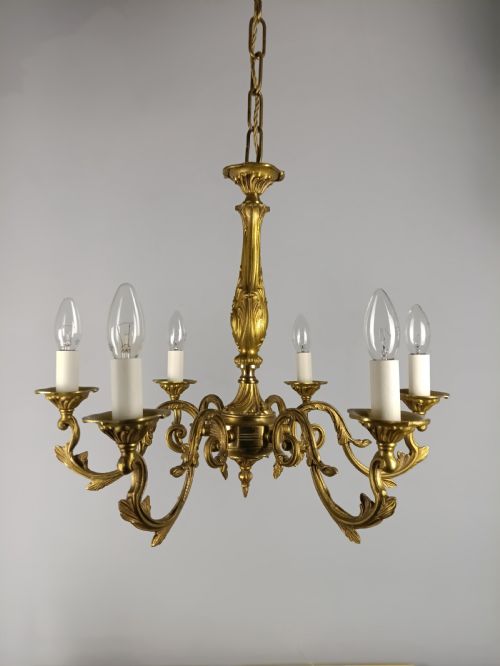
Metalwork forms the structural backbone of these fixtures, utilising cast bronze, forged wrought iron, and pressed brass. Gilt finishes, silver gilding, and polychrome painted details are applied over the base metals to achieve varied decorative effects.
Glass and crystal components are integrated extensively, appearing as cut glass drops, cascading bead curtains in cage configurations, and moulded glass fruit clusters. Ceramic elements and toleware painted tin are frequently introduced to model leaves and floral branches.
Several fixtures feature handmade glass bunches of grapes, apples, and pears dangling quietly among the candle arms.
Factors Defining Quality
The sophistication of the metal casting and the depth of the gilding set superior pieces apart from simpler work. Finer examples display crisper chasing on bronze mounts and more intricate hand-painted polychrome details on toleware foliage.
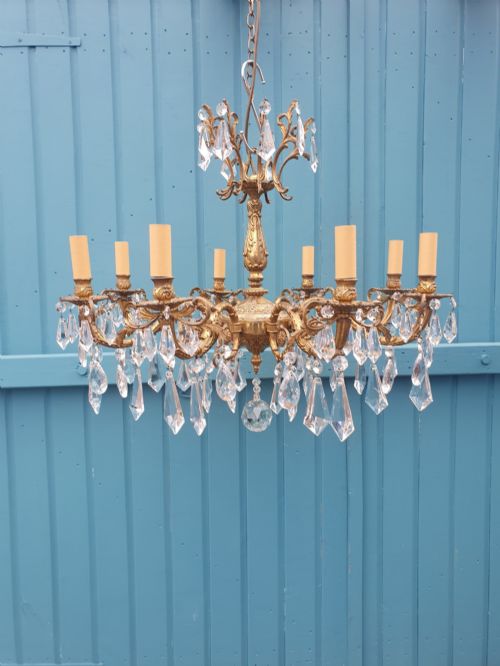
The quality and completeness of the crystal elements significantly influence the character of a fixture. Uniformity in cut glass drops, genuine rock crystal or high-lead content glass, and securely wired fruit clusters distinguish more ambitious workshop output.
The French Country Ceiling Fixture Glossary
- Toleware
- Painted or lacquered metalware, commonly tin, used in these fixtures to fashion colourful floral motifs and leaf-shaped branches. It brings a matte, decorative contrast to polished brass and glittering crystal.
- Cage Chandelier
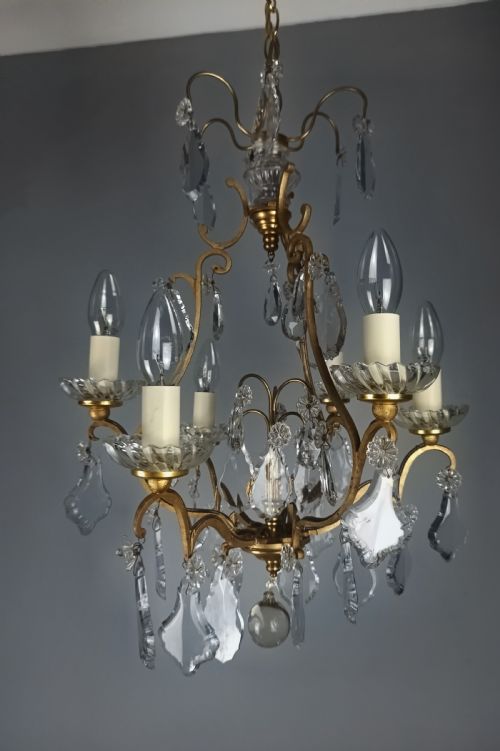
- A lighting form structured around a metal frame where crystals are strung from a crown down to a lower ring, resembling an open cage. This style creates a dense, multi-faceted diffusion of light.
- Gilt Bronze
- Bronze metal treated with a thin layer of gold or gold-coloured alloy applied through fire gilding or electroplating. It provides a warm, durable metallic sheen that resists tarnishing over decades.
- Hall Lantern
- An enclosed ceiling fixture designed primarily for entryways, vestibules, or corridors. These pieces typically feature glazed panels held within a bronze or iron frame.
- Rococo
- A decorative style characterised by asymmetrical scrollwork, naturalistic shell motifs, and flowing organic curves. It influences the ornamental flourishes found on many nineteenth-century French lighting arms.
French Country Ceiling Fixture: Frequently Asked Questions
What rooms suit a French country ceiling fixture?
These fixtures work well in dining rooms, living spaces, and entrance halls where ambient illumination and decorative presence matter. Their scale and material warmth complement traditional and eclectic interior schemes alike.
The inclusion of crystal drops and gilt metal allows them to catch natural light even when unlit, serving as sculptural elements in the ceiling space.
How do I date an antique French chandelier?
Dating relies on observing construction methods, wiring types, and stylistic indicators present in the metalwork and crystal. Pieces from the late nineteenth century often display heavier cast bronze and hand-forged iron elements.
Items from the 1920s and 1930s frequently incorporate specific toleware flower arrangements and pressed brass components characteristic of that interwar period.
Are these fixtures suitable for modern electrical systems?
Most antique fixtures are adapted for contemporary wiring standards by professional restorers before installation. Standard lamp holders are typically fitted to accommodate modern candle tubes and bulbs.
It remains advisable to consult a qualified electrician regarding ceiling weight capacities and safe bracket mounting for heavier bronze and iron frames.
What is the difference between a chandelier and a hall lantern?
Chandeliers are open-branch fixtures designed to project light outwards and downwards from multiple arms or candle points. Hall lanterns are enclosed with glass panels, originally intended to shield flames from drafts in corridors.
Lanterns offer a more contained vertical silhouette compared to the wider horizontal spread of multi-arm chandeliers.