
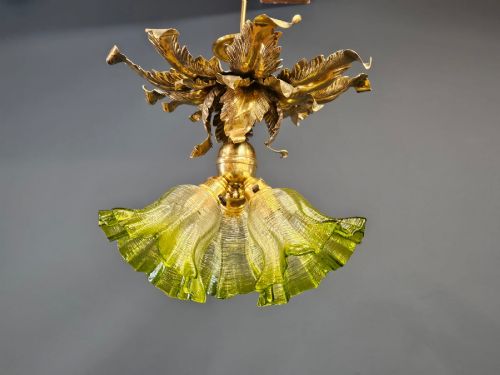


Carved Brass Chandelier
These carved brass chandelier pieces bring historic weight and warm illumination to high ceilings, rewarding patience with genuine period character.
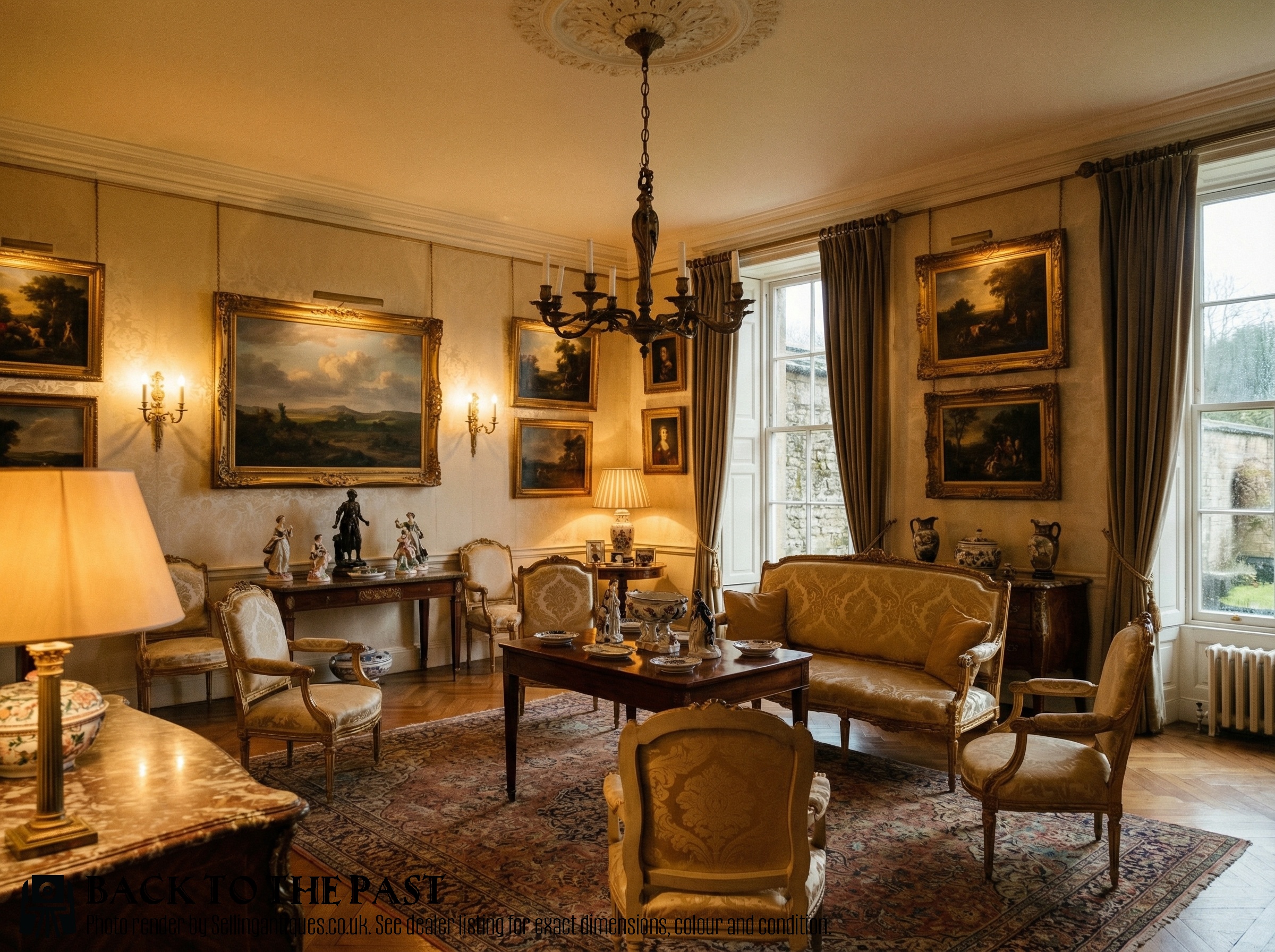
Carved Brass Chandelier
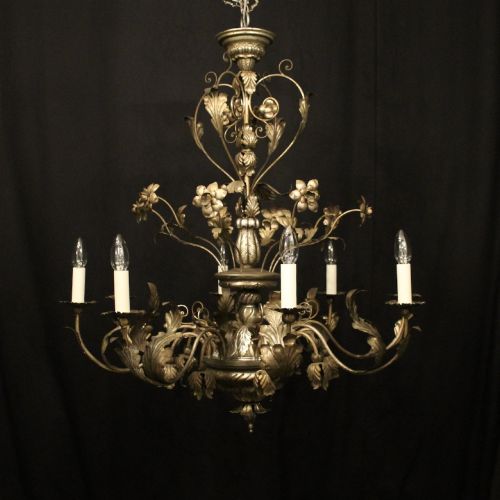
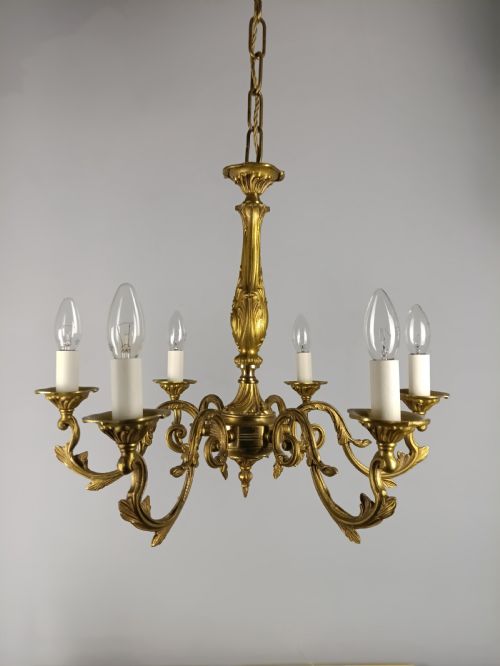
When you search for a carved brass chandelier, you are looking at overhead lighting fixtures shaped by hand from metal, often combining cast or pierced brass with glass, alabaster, or giltwood. The examples on this page span several decades, ranging from Victorian designs to later Art Deco pieces.
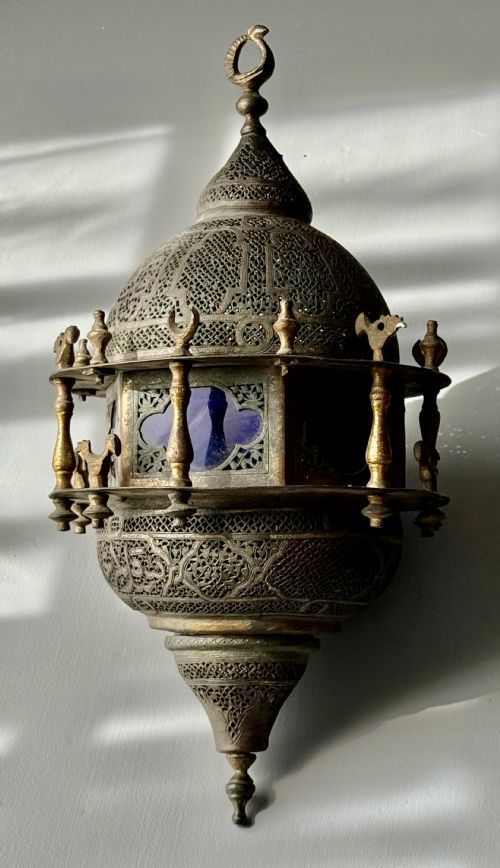
You are most likely to meet French and English chandeliers from the nineteenth and early twentieth centuries, particularly six-arm or multi-light fixtures and hanging lanterns. These lights often feature decorative leaf work, floral motifs, or Moorish piercing.
The selection also includes related ceiling fixtures such as alabaster dish lights and cast brass ceiling roses. Each piece reflects the decorative taste of its period, from ornate French Rococo to geometric Art Deco and Moorish Revival styles.
How they were made
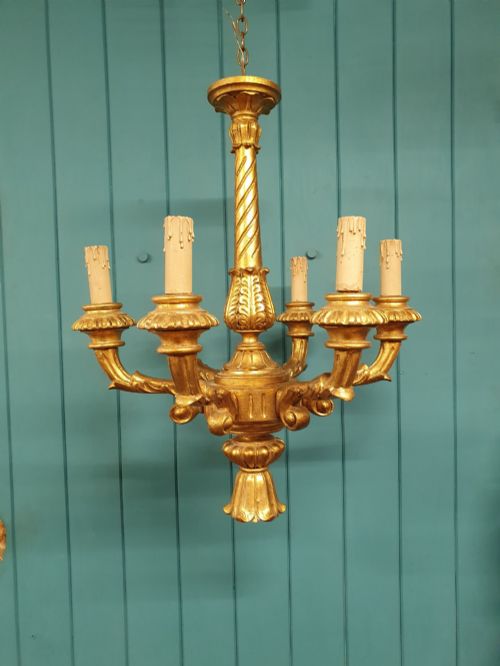
Makers shaped these fixtures using brass, metal, and gilt brass, frequently combining them with glass shades or translucent white alabaster bowls. Gesso and giltwood appear in certain Victorian frames to add layered texture and structural depth.
Techniques relied on metal casting, surface gilding, and intricate piercing work, as seen in lanterns and leaf design ceiling lights. Craftsmen formed structural arms and decorative branches by hand before assembling the multi-light arrangements.
Opaque grapes and flowers dangle quietly from early twentieth-century frames, proving that chandeliers have long enjoyed a fruitful imagination.
What varies in quality
The distinction between ordinary and exceptional pieces lies in the crispness of the metalwork and the integrity of the original components. Finer examples display deeply chased brass leaves, well-preserved gilding, and intact period glass or alabaster bowls.
Proportion and balance also set superior fixtures apart, where the relationship between the central body and the branching arms feels deliberate and harmonious. Lesser pieces may lack the same precision in casting or retain mismatched elements.
The Carved Brass Chandelier Glossary
- Alabaster
- A fine-grained stone used for carved hanging dishes and bowl shades that diffuse light softly. It provides a smooth, matte finish distinct from glossy glass.
- Gesso
- A plaster-based mixture applied to wooden or metallic cores as a base for gilding. It allows for intricate moulded ornamentation on Victorian frames.
- Gilt Brass
- Brass that has been treated with a thin layer of gold or gold-coloured wash to enhance its brightness. This finish creates a warm metallic glow.
- Rococo
- An ornate decorative style characterised by asymmetrical curves, scrollwork, and naturalistic plant motifs. It appears frequently on French chandeliers from the nineteenth century.
- Ceiling Rose
- A decorative plaster or metal moulding fixed to the ceiling from which a chandelier hangs. It frames the fixture and conceals electrical connections.
Carved Brass Chandelier: Frequently Asked Questions
What periods do these chandeliers come from?
The pieces span the nineteenth and early twentieth centuries, including Victorian, Art Deco, and 1930s designs. You will find items influenced by French Rococo and Moorish Revival styles.
Each period brings distinct materials, from heavy cast brass and giltwood to alabaster dish lights and pierced hanging lanterns.
How do I choose the right size?
Consider the height of your ceiling and the floor space beneath the fixture. Multi-branch chandeliers with six to eight lights require substantial room to hang properly.
Smaller spaces benefit from hanging lanterns or single dish lights that sit closer to the ceiling without overwhelming the room.
Are these lights wired for modern use?
Many period fixtures arrive with wiring of varying ages, and some may require professional rewiring to meet current safety standards. A qualified electrician can adapt them safely.
Retaining original components like leaf-design shades or glass drops is standard practice while updating the internal electrical fittings.
What materials are commonly used?
Brass and metal form the structural backbone of these fixtures, often enhanced by gilt brass or gesso finishes. Translucent elements include white alabaster bowls and shaped glass shades.
Combinations of wood, such as giltwood, also appear in specific Victorian framework designs to support the metal arms.