


French Chrome Lighting
French chrome lighting brings the geometric strength and gleaming finish of the nineteen-twenties and thirties straight into modern rooms.
French Chrome Lighting
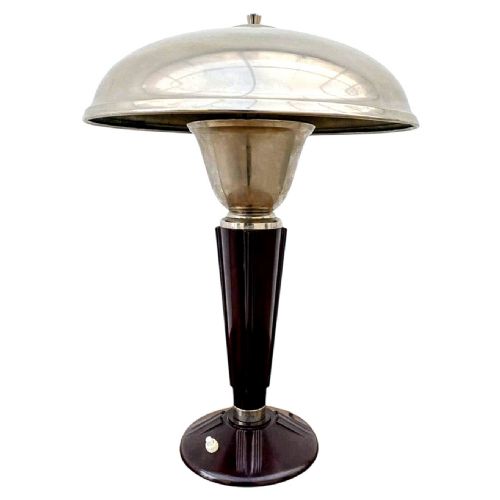
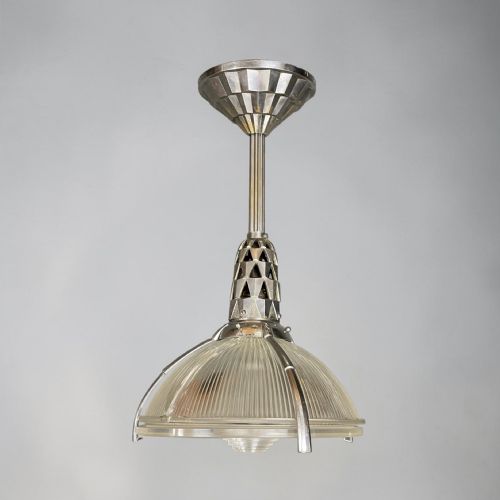
When you search for french chrome lighting, you encounter domestic fixtures from the interwar decades that prioritise metallic lustre and clean lines. These pieces primarily take the form of table lamps, wall sconces, and pendant lanterns designed to illuminate domestic and commercial spaces with modernist efficiency.
The objects seen here largely originate from the nineteen-twenties and nineteen-thirty periods, embodying the dominant aesthetic movements of their day. You will most frequently meet Art Deco designs alongside French Chateau interpretations, utilising the characteristic geometric motifs of the era.
Makers and designers from this epoch focused heavily on functional illumination, producing adjustable desk lights and multi-light wall fixtures. The surviving pieces demonstrate a clear preference for robust metal frameworks paired with diffusing glass elements.
Materials and construction
The manufacture of these luminaires relies heavily on metal plating techniques, coating steel or base metals in bright chrome and nickel. This metallic finish provides both durability and a reflective surface that amplifies the glow from the bulb.
Moulders combined the metallic structures with glass components, utilising frosted, moulded, and blue glass to soften the intensity of the light. Bakelite and lucite also appear in switches and decorative panels, showcasing the innovative industrial materials of the interwar period.
Materials documented across these listings include chrome, nickel, brass, steel, bakelite, lucite, and various forms of moulded and frosted glass.
Assessing quality
Quality in these luminaires rests upon the weight of the metalwork and the precision of the joints. Superior examples feature thick gauge brass or steel beneath the plating, ensuring the adjustable arms and heavy bases remain stable over decades of use.
The distinction between standard production items and finer pieces often lies in the glass components. Heavy moulded glass shades with crisp relief work indicate a higher grade of manufacture than plain, thin blown alternatives.
Eileen Grey·Émile-Jacques Ruhlmann·Pirouette
The French Chrome Lighting Glossary
- Chrome
- An electroplated chromium finish applied to metal surfaces to provide a hard, corrosion-resistant, and highly reflective silver-coloured exterior. It defines the bright industrial aesthetic of the interwar period.
- Bakelite
- An early form of synthetic thermosetting plastic frequently utilised for electrical switches, plugs, and lamp bases during the interwar decades. Its dark, dense finish resists heat and electricity.
- Sconce
- A wall-mounted light fixture designed to secure directly to a vertical surface and project illumination outwards into the room. These fixtures often feature matching glass shades.
- Lucite
- A transparent thermoplastic acrylic material developed in the twentieth century, used in lighting design for its clarity and durability. It acts as a lightweight alternative to glass.
- Pendant lantern
- A hanging light fixture suspended from the ceiling by a chain, cord, or rod, enclosed within a metal and glass frame. These fixtures traditionally illuminated hallways and principal rooms.
French Chrome Lighting: Frequently Asked Questions
How do I safely wire vintage french lights?
These vintage luminaires require rewiring to meet modern electrical safety standards before regular domestic use. A qualified electrician can easily replace the internal vintage cabling while preserving the original external fittings and switches.
Most fixtures accept standard modern bulbs once rewired, though you should verify the maximum wattage to protect delicate antique glass shades from excessive heat.
Where should I place a wall sconce?
Wall sconces work effectively in hallways, dining rooms, and flanking mirrors where they provide layered ambient illumination. Positioning them at eye level ensures balanced light distribution without creating harsh downward glares.
Pairing matching sconces creates symmetry in formal spaces, while adjustable models suit functional areas like reading nooks.
How do I clean chrome and glass?
Maintain chrome surfaces by wiping them gently with a soft, dry microfibre cloth to remove dust and fingerprints without scratching the plating. Avoid abrasive chemical cleaners that can strip the metallic finish over time.
Glass shades benefit from removal and a gentle wash in warm, soapy water. Ensure every component dries completely before reassembling the light fixture.
What defines Art Deco lighting?
Art Deco lighting relies on geometric symmetry, streamlined metallic surfaces, and a celebration of modern industrial materials. These designs reject ornate Victorian flourishes in favour of clean architectural silhouettes.
The integration of chrome, frosted glass, and contrasting dark elements like Bakelite creates the signature visual rhythm of the nineteen-thirties.