
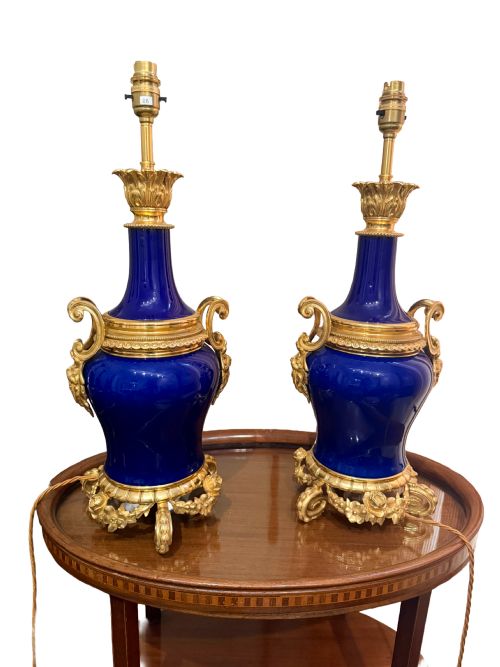
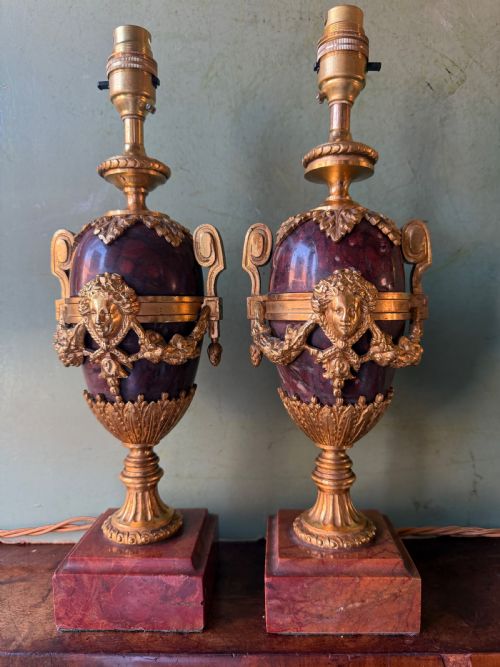


French Chateau Style Lamps
These french chateau style lamps bring architectural grandeur and warm interior light into a room, combining classic European forms with practical illumination.
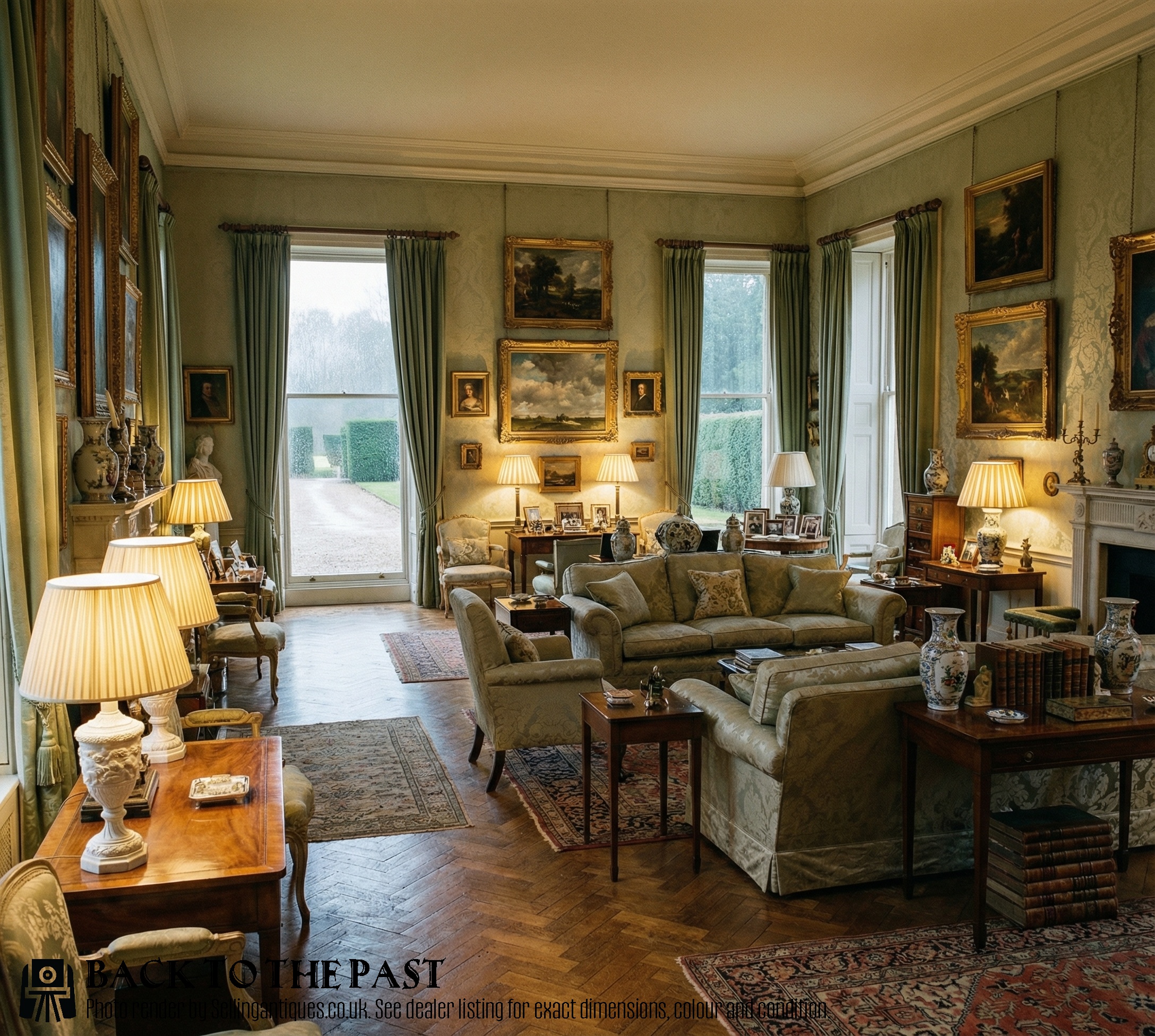
What these lamps are
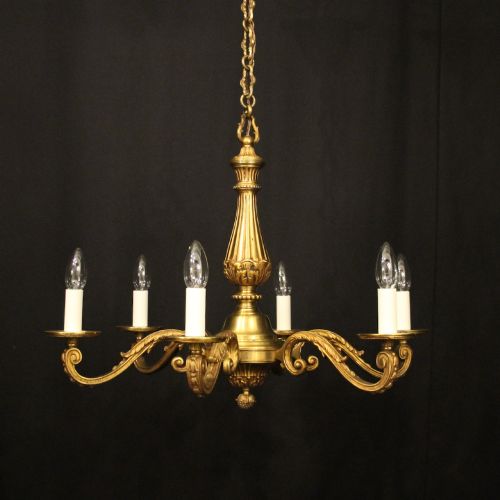
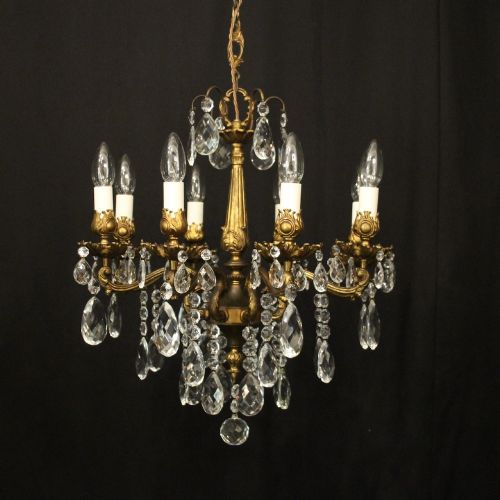
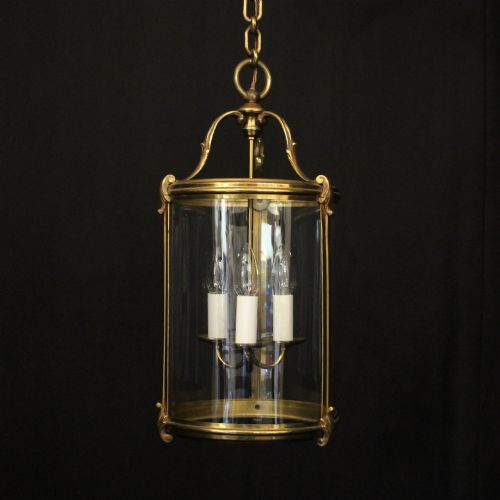
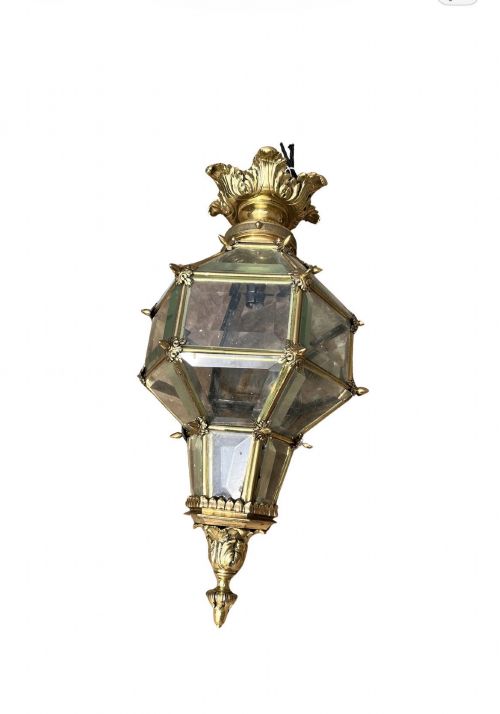
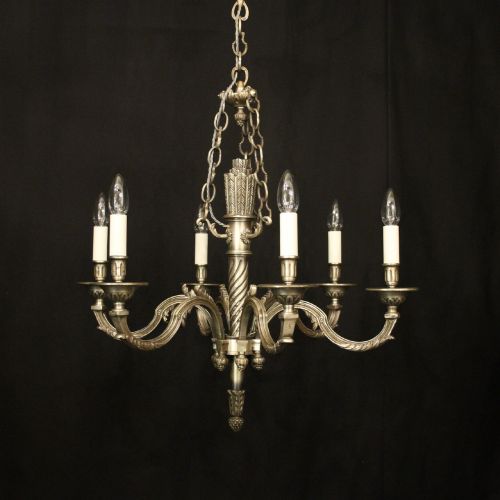
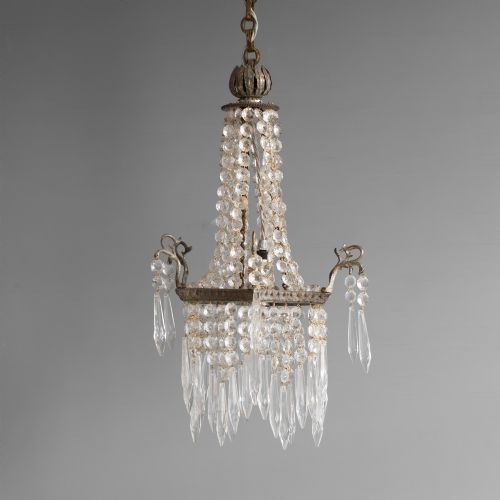
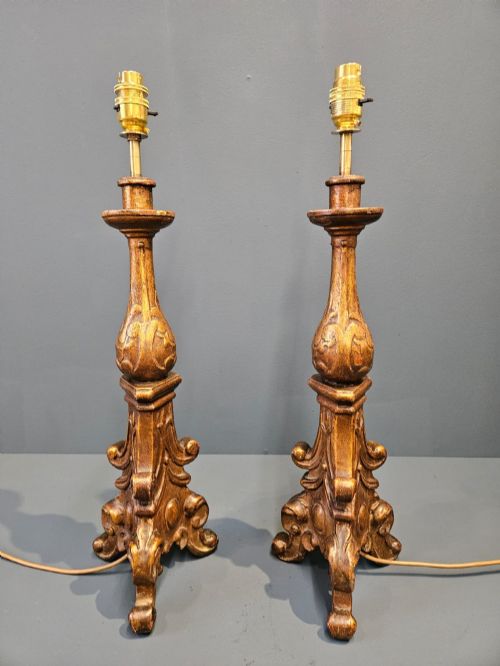
When you search for french chateau style lamps, you find decorative lighting that borrows its vocabulary from historic European houses and salons. The selection includes grand table lamps and converted candlesticks designed to sit prominently on sideboards or mantelpieces.
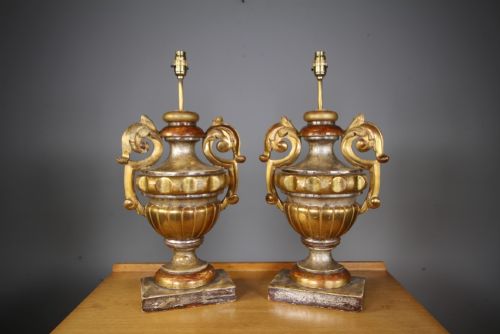
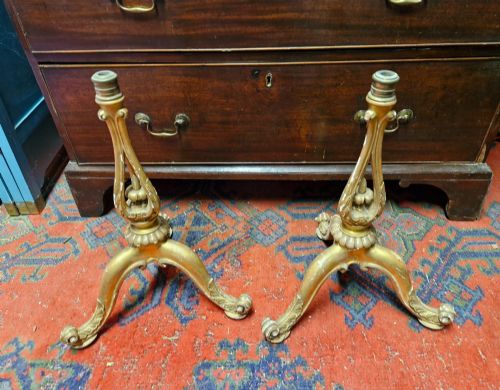
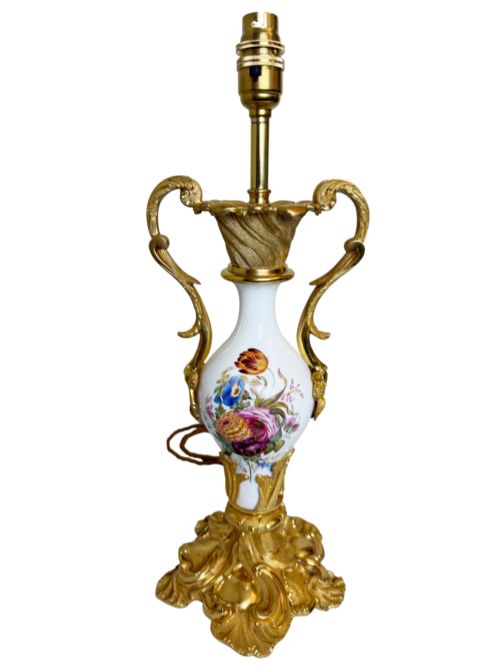
The pieces on this page span the nineteenth and twentieth centuries, capturing various interpretations of French Rococo, Neoclassical, and Victorian aesthetics. You are most likely to encounter paired items utilising classical urn shapes, column bases, and tripod supports.
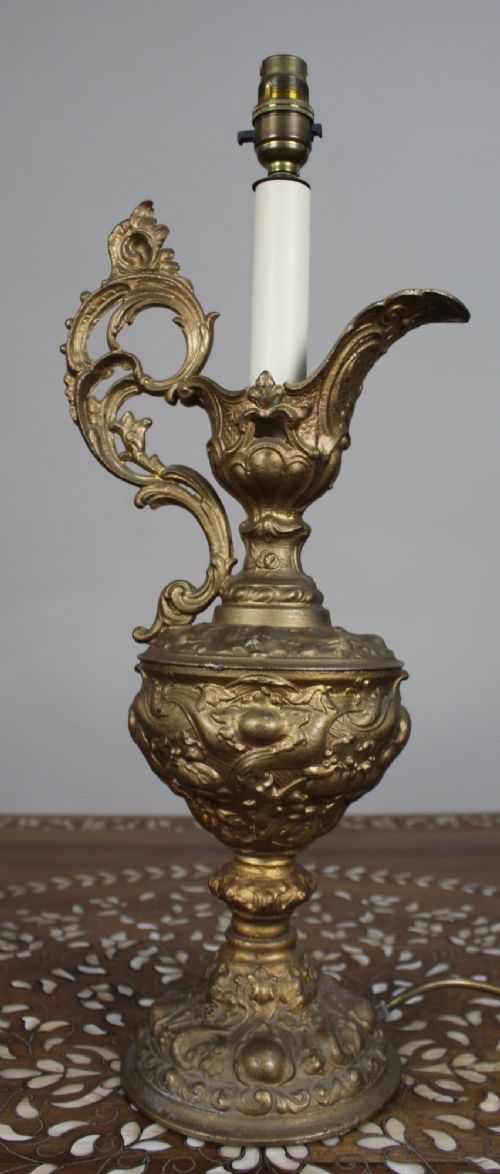
Makers from the nineteenth century onward adapted architectural ornaments into domestic lighting. Urns, columns, and figural supports transformed into lamp bases, retaining the heavy presence of their original stone and timber sources.
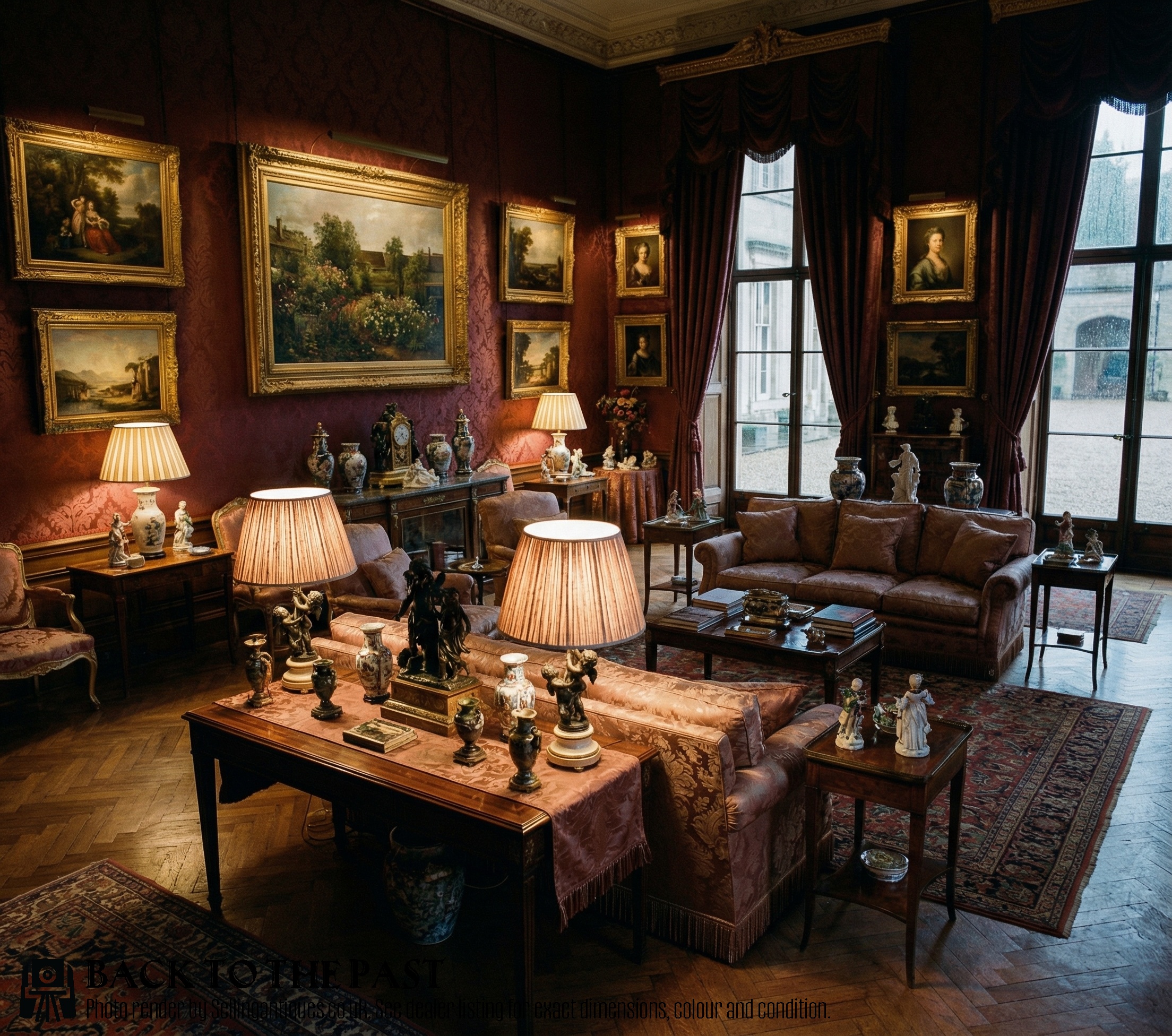
How they were made
Construction relies on traditional artisan materials such as carved pine, timber, marble, brass, and giltwood. Workshops shaped these elements by hand, employing turning, carving, and moulding techniques before applying finishes like gold leaf and surface gilding.
Composite structures are common, pairing heavy stone bases with cast metal mounts and ormolu. Fabric shades often complement the structural bases, creating a balanced silhouette that draws on historic interior decoration.
Retail Price Guide 2026
Typical UK retail prices for french chateau style lamps, calculated from the Sellingantiques database of over a million retail prices indexed since 2003. This retail price guide relies exclusively on Sellingantiques data; no external sources or auction records are used, so the figures do not describe the wider market.
The listings span from the nineteenth century through the 1930s, featuring materials such as marble, brass, carved pine, and gold leaf.
What varies in quality
Quality reveals itself in the crispness of the carving and the weight of the materials used in the base. Solid marble and deeply carved timber demonstrate a higher level of artisan investment than moulded plaster alternatives.
The application of gold leaf and surface gilding separates standard production from finer decorative pieces. Superior examples exhibit hand-chased details on metal mounts and stable, well-balanced construction across paired sets.
The French Chateau Style Lamps Glossary
- Ormolu
- Gilded bronze or brass mounts applied to furniture and decorative objects. This technique creates metallic highlights that contrast richly with timber and marble bases.
- Giltwood
- Timber that has been coated with a thin layer of gold leaf or gesso. It provides a bright, reflective surface popular in classical decorative schemes.
- Urn
- A classical vase-shaped vessel often used as the central body for antique lamp bases. The form derives from ancient funerary and decorative pottery.
- Tripod base
- A three-legged support structure used for stability. This configuration appears frequently on classical torchères and candlesticks adapted into lighting.
- Neoclassical
- A style inspired by the art and architecture of classical antiquity. It emphasises symmetry, straight lines, and restrained ornamental details.
Frequently Asked Questions
How do I style french chateau style lamps?
Place these lamps on large wooden sideboards, marble console tables, or sturdy mantelpieces where their height and weight can anchor the room's design.
Pair them with neutral interiors to let the carved timber, marble, and gilt surfaces stand out as focal points of decorative illumination.
Are these lamps usually sold as pairs?
Many listings feature balanced pairs, which makers originally intended for symmetrical placement on either side of a fireplace or mirror.
Matching sets provide visual symmetry for large furniture pieces, though single statement bases also appear in the selection.
What materials make up these lamp bases?
The construction incorporates traditional materials including carved pine, solid marble, cast brass, and moulded plaster.
Many examples feature surface treatments like gold leaf or giltwood to replicate the opulent finishes of historic European interiors.
How can I tell the period of a lamp?
Examine the base materials and the style of the carving to determine whether a piece originates from the nineteenth century or the interwar period.
Nineteenth-century examples frequently utilise heavy carved timber and genuine marble, whereas later twentieth-century items may employ moulded plaster.