

French Chateau Painting
When you search for french chateau painting, you find grand furnishings and panels from historic houses, built to bring stately domestic elegance into high-ceilinged rooms.
French Chateau Painting
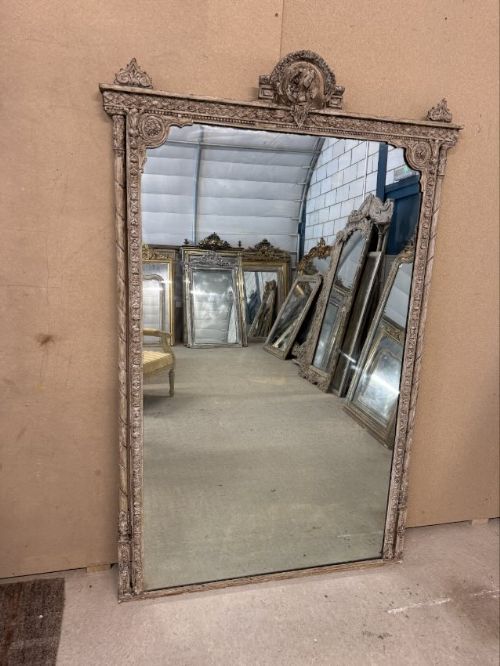
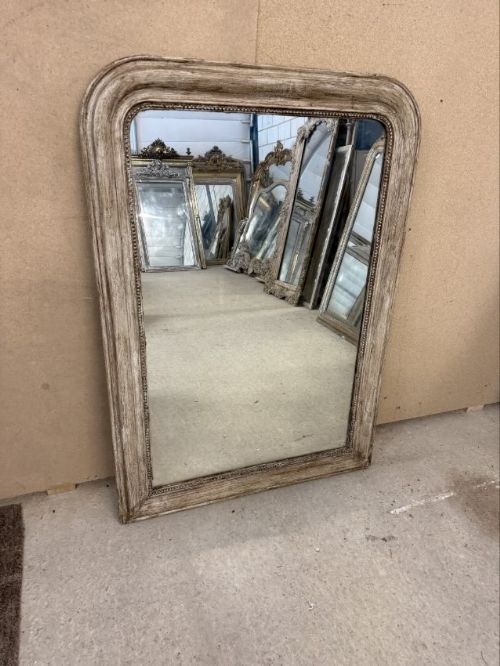
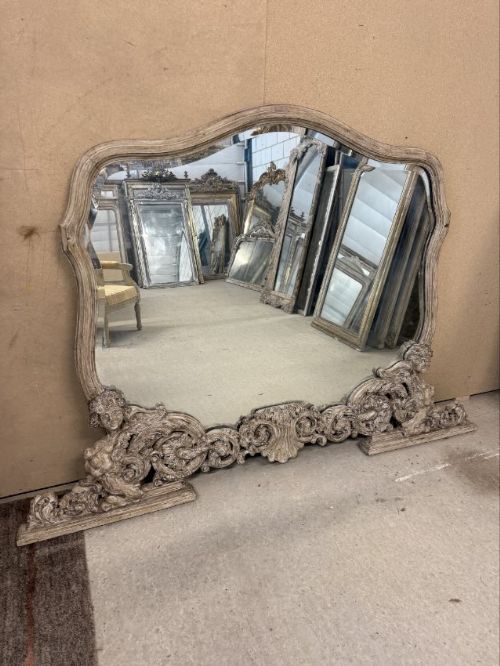
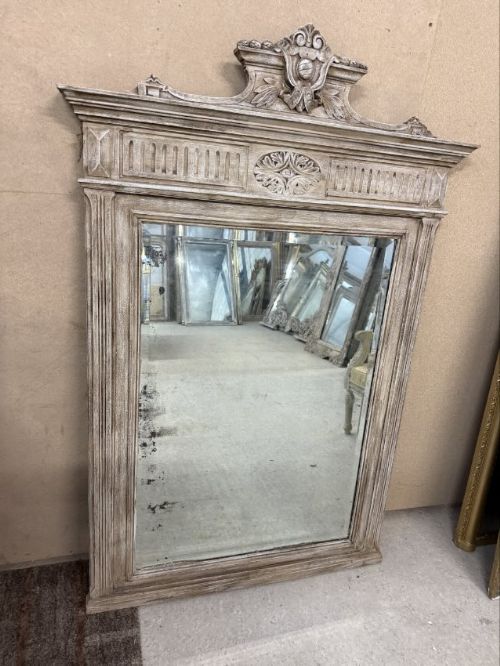
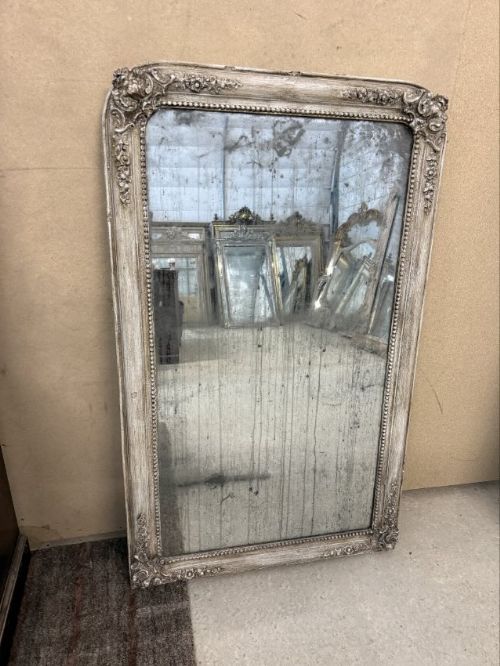
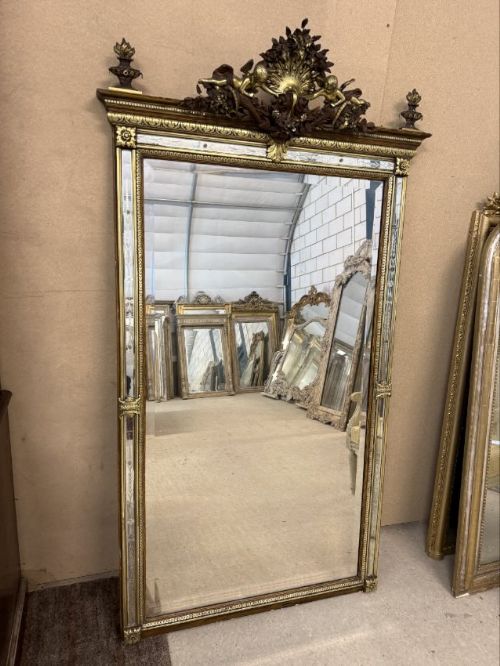
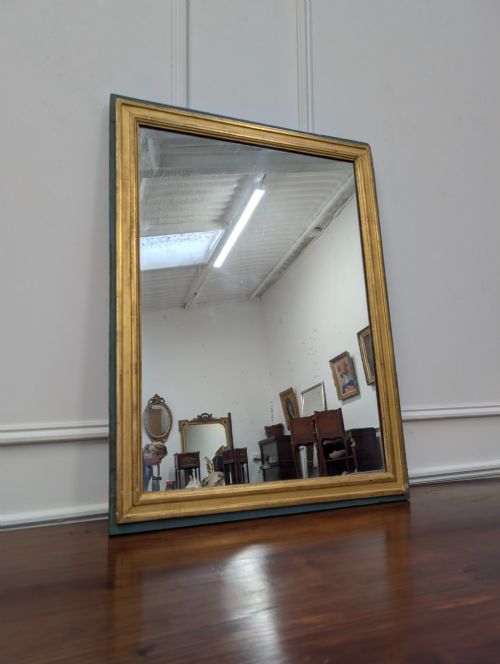
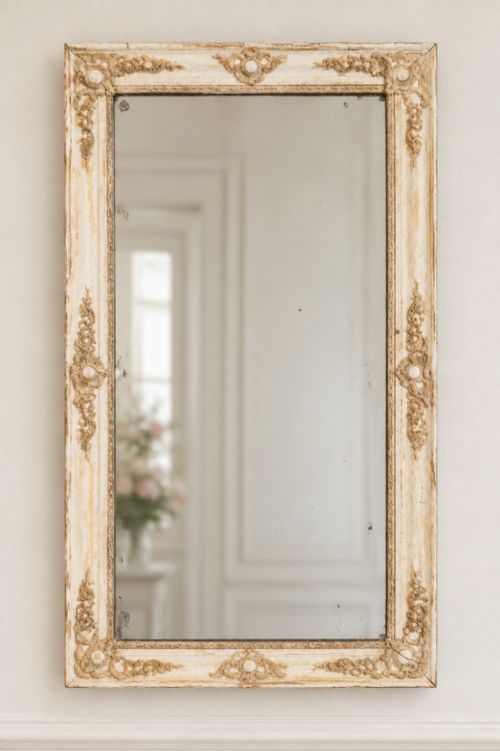
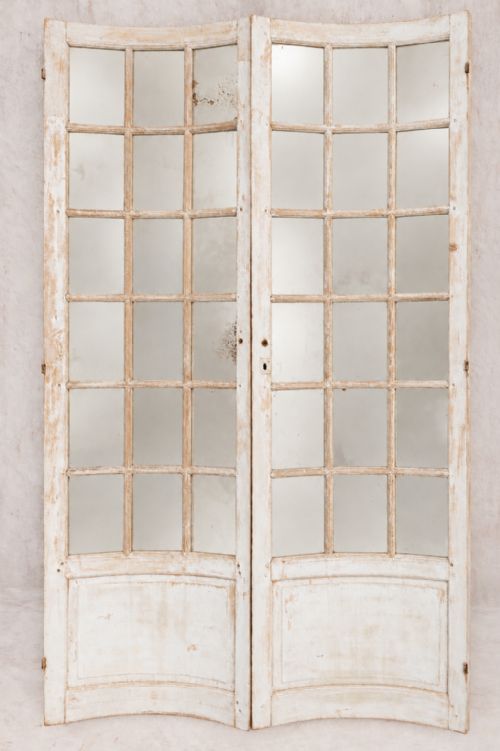
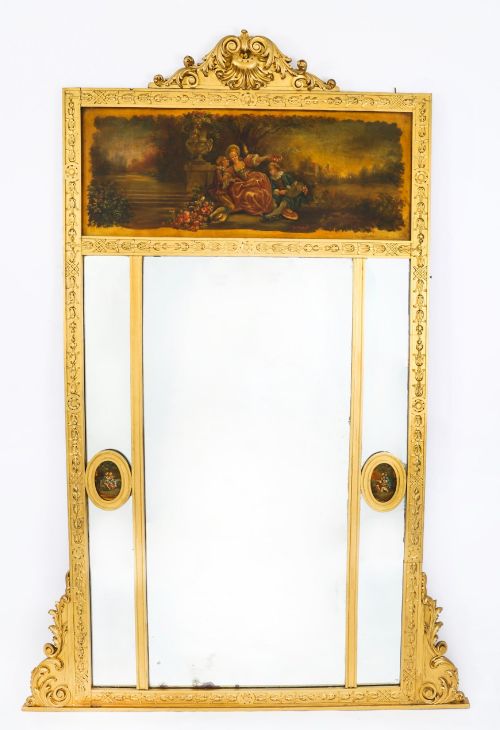
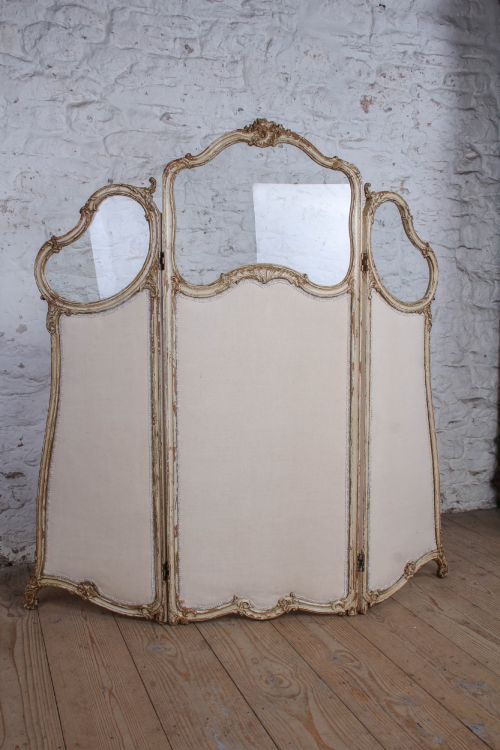
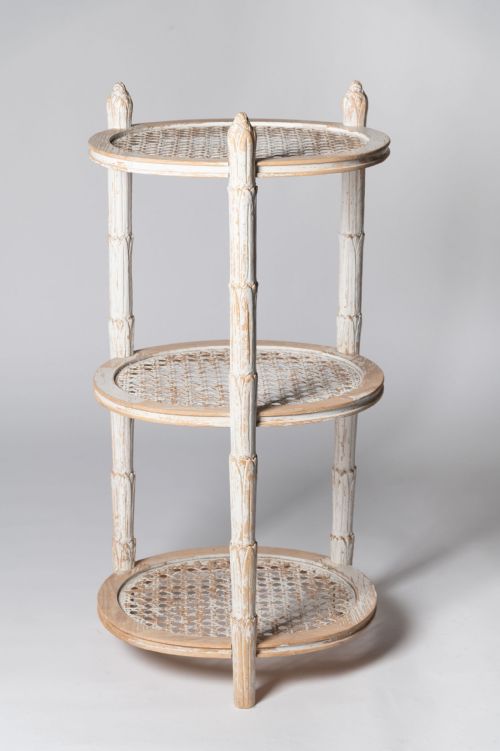
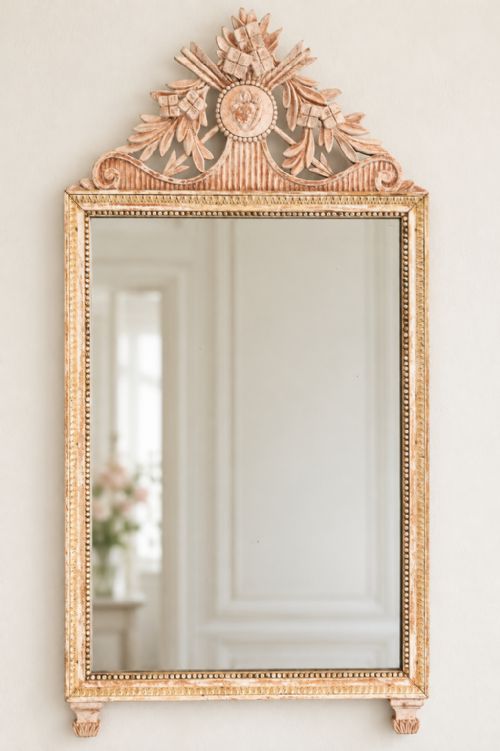
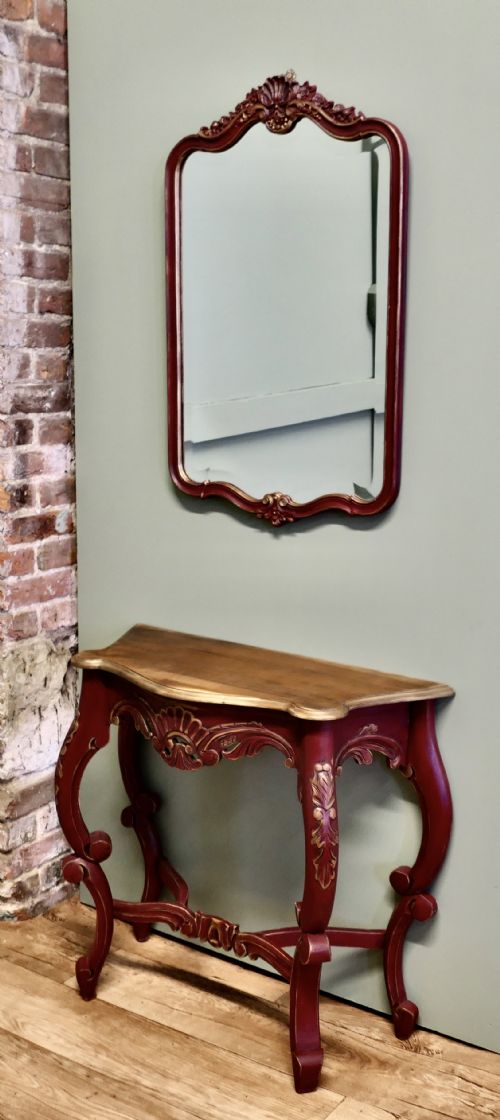
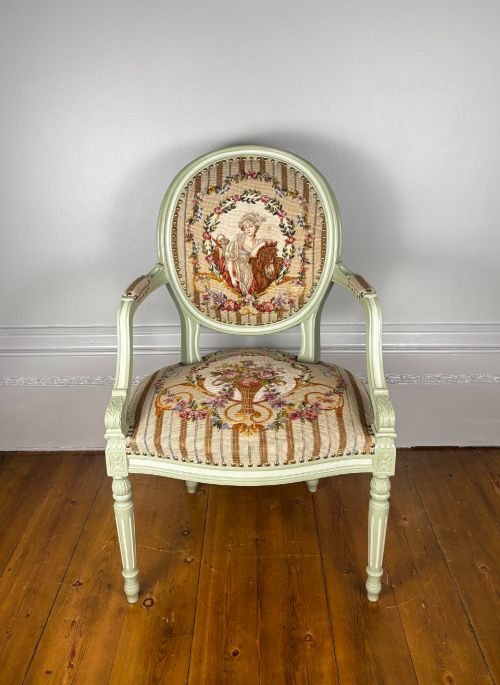
Pieces carrying a french chateau painting designation encompass decorative canvases, painted wooden furniture, and architectural mirrors originating from stately domestic French interiors. You will frequently encounter wall mirrors, console tables, armoires, and armchairs spanning the eighteenth century through to the early decades of the twentieth century. These items reflect classical revival aesthetics, including Louis XV and Louis XVI styles, alongside provincial and country variations.
The objects listed display established regional forms such as trumeau mirrors, bergère armchairs, and commodes finished in original paint, giltwood, or gesso. Dating evidence on this page spans from the 1800s onwards, capturing both formal chateau commissions and broader nineteenth century French decorative arts. Each piece serves to recreate the atmospheric patination of historic European estates.
Materials and Construction
Makers utilised wood, glass, and iron as foundational structures, applying gesso, gold leaf, and oil paint to achieve decorative surfaces. Frames and panels combine carved timber with applied plaster mouldings, whilst mirrors employ heavy glass plates set within jointed wooden carcases.
Original paint finishes and surface gilding remain integral to the construction, often applied over multiple preparatory layers. Metal elements such as cast iron planters and wrought iron supports sit alongside hand-carved woodwork and canvas works.
French Chateau Painting Retail Price Guide 2026
Typical asking prices for french chateau painting among the pieces listed under this phrase on Sellingantiques today, from the lower quarter to the upper quarter. They describe what is for sale here now, not the wider market.
Several pieces preserve original paint schemes designated as railings, bringing nineteenth-century industrial green straight into the drawing room.
Assessing Quality and Execution
Superior examples exhibit crisp hand-carving in wood and gesso, retaining authentic period paint finishes with natural patination rather than modern repainting. The depth of gilding, the weight of the mirror glass, and the integrity of structural joinery distinguish finer commissions from simpler provincial pieces.
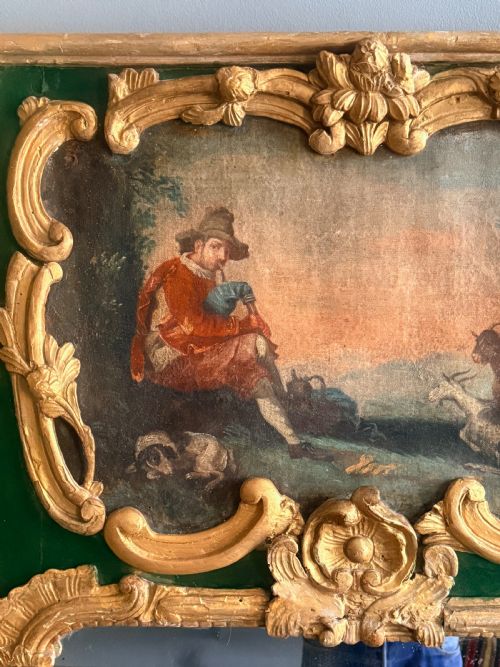
The refinement of decorative motifs - such as carved ribbon crests, floral garlands, or figural oil paintings - separates standard decorative items from masterwork furnishings sourced directly from historic properties.
Henri Jacob·Maples of London and Paris
The French Chateau Painting Glossary
- Trumeau
- A decorative wall mirror or panel featuring an oil painting or carved motif set into the upper section above the glass. These were traditionally built into the wood panelling of formal drawing rooms.
- Gesso
- A plaster-like mixture applied to wood surfaces as a smooth base for painting and gold leaf gilding. It allows for intricate, sharp-edged decorative mouldings.
- Bergère
- An enclosed upholstered armchair with wooden sides and an exposed frame, typically featuring a cane or upholstered back. They appeared frequently in formal salons during the eighteenth and nineteenth centuries.
- Giltwood
- Timber that has been coated with thin sheets of gold leaf over a prepared ground. It provides a luminous metallic finish that catches interior candlelight and daylight.
- Louis XV Style
- A revival aesthetic drawing on mid-eighteenth-century rococo curves, asymmetry, and naturalistic floral carvings. It remains a defining look for decorative French furniture.
French Chateau Painting: Frequently Asked Questions
What defines a true chateau piece?
Authentic items derive their character from historic French domestic interiors, often showing layers of original paint and period wear accumulated over generations. They combine robust structural timber with refined decorative details like hand-carved gesso frames.
Items range from large trumeau mirrors to seating and tables, all designed to reflect the architectural scale of stately European homes.
How do I care for painted furniture?
Preserve original painted and gilded surfaces by dusting gently with a dry, soft cloth, avoiding commercial cleaning sprays and harsh chemicals. Keep pieces away from direct sunlight and excessive humidity to protect fragile gesso and wood joints.
Allow the natural patination to remain undisturbed, as scrubbing or aggressive polishing will strip away historical character.
Where were these pieces used?
Grand mirrors and console tables traditionally anchored formal reception rooms, salons, and hallways, placed between tall windows or above fireplaces. Armchairs and commodes furnished private chambers and drawing rooms within large country houses.
Today, they function well in modern interiors to create focal points, add height with mirrors, or introduce textural contrast through weathered paint.
How do I date these items?
Dating relies on examining construction methods, wood types, glass thickness, and the composition of underlying gesso layers beneath the paint. Stylistic indicators such as Louis XV curves or Empire proportions offer clear chronological markers.
Makers' stamps, historical labels, and signs of hand-tooling further narrow down the decade of production across the nineteenth and early twentieth centuries.