

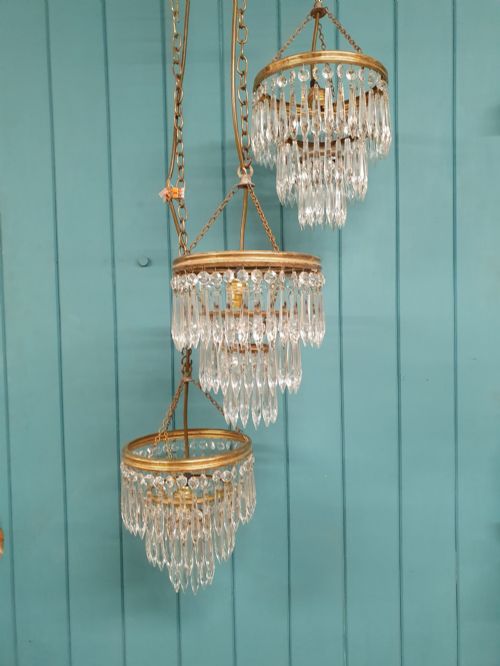
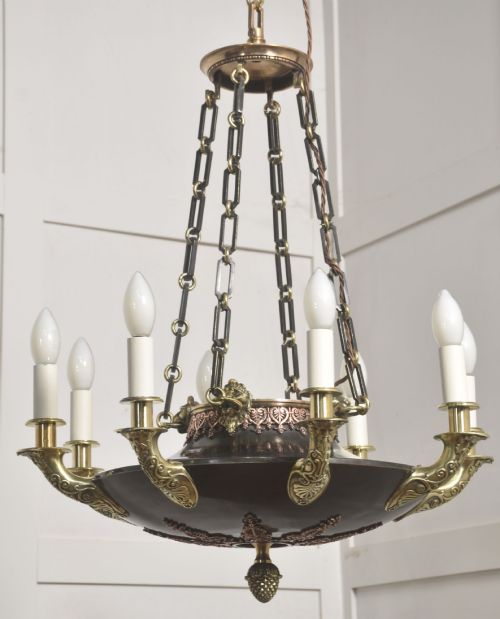
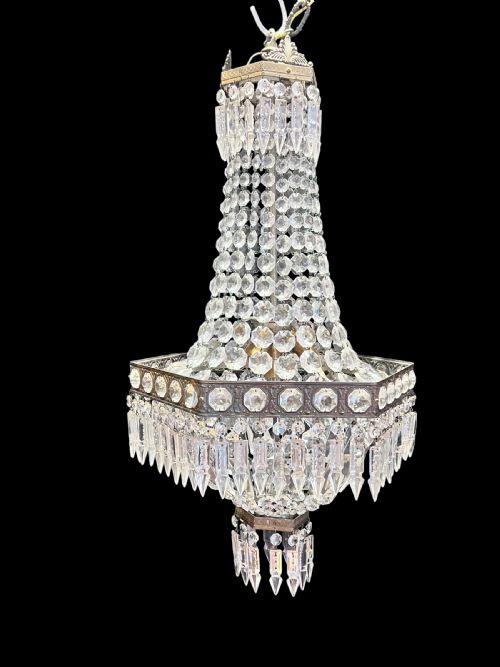
French Chandelier Light
A french chandelier light brings ornate metalwork and brilliant glass hanging from ceilings in grand rooms.
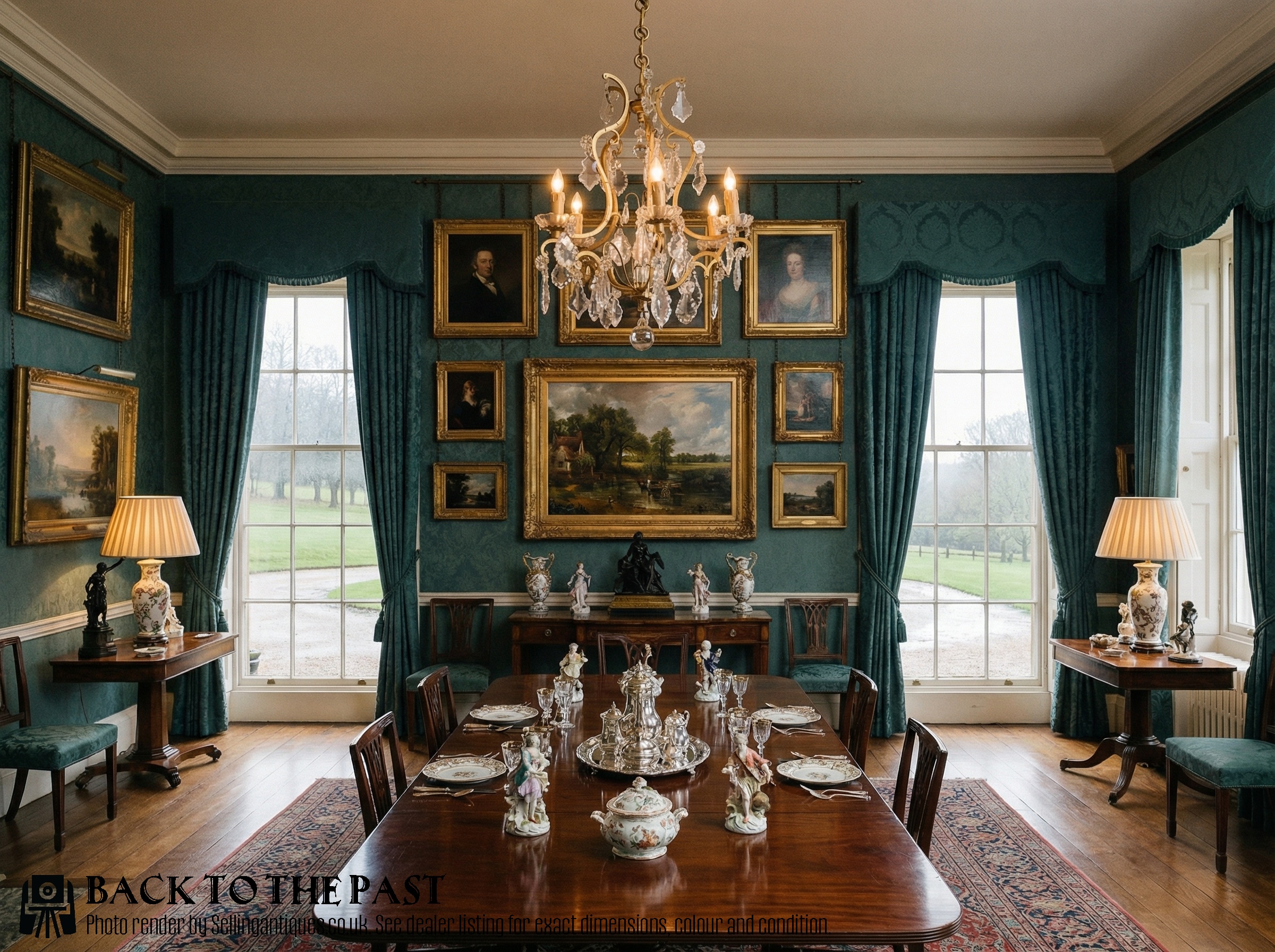
French Chandelier Light
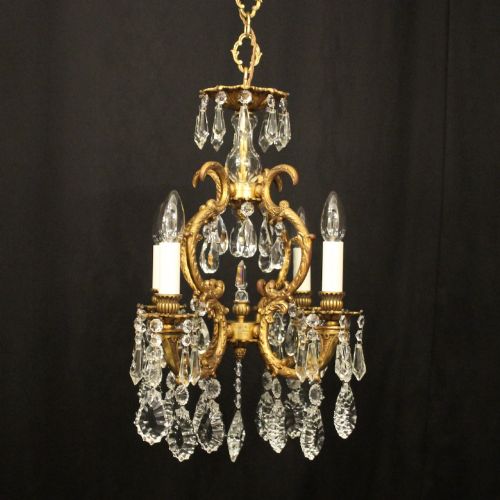
A french chandelier light comprises hanging ceiling fixtures rooted in continental design traditions spanning the nineteenth and twentieth centuries. These pieces appear in numerous formats, from multi-armed metal branches to restrained glass pendants and enclosed hall lanterns.
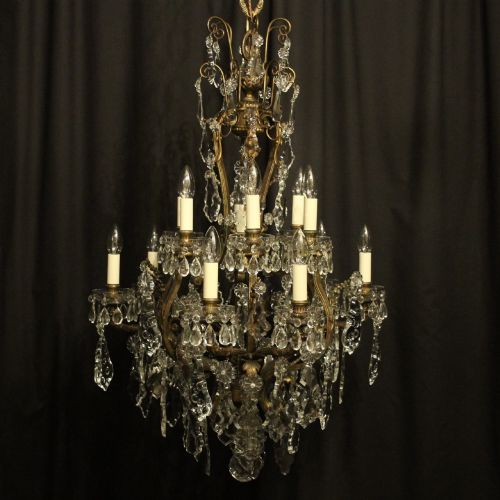
The selection encountered most frequently on this page includes gilt bronze, brass, and crystal examples dating from the nineteen-twenties and nineteen-thirties, alongside nineteenth-century iterations. Buyers find forms ranging from modest single-light fixtures to grand multi-tiered constructions intended for significant interior spaces.
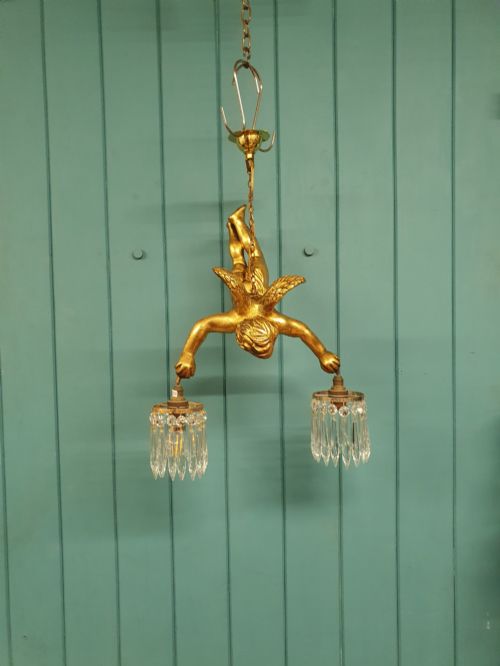
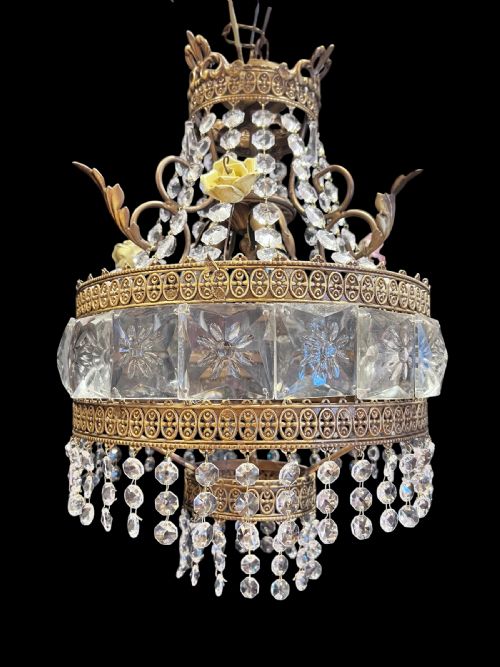
Stylistic influences observed across the inventory cover French empire, rococo, neoclassical, and art deco movements. These designs incorporate ornamental elements such as cherubs, floral ceramics, and cascading crystal drops.
How they were made
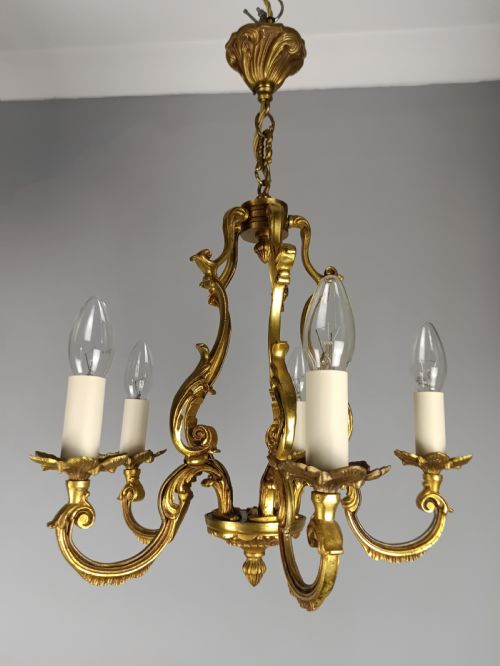
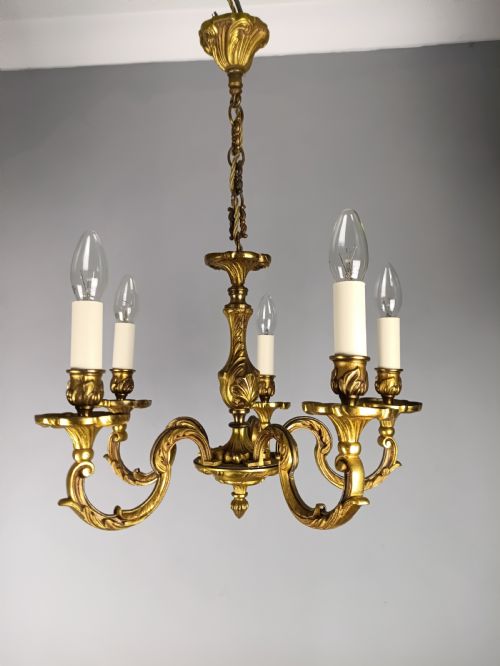
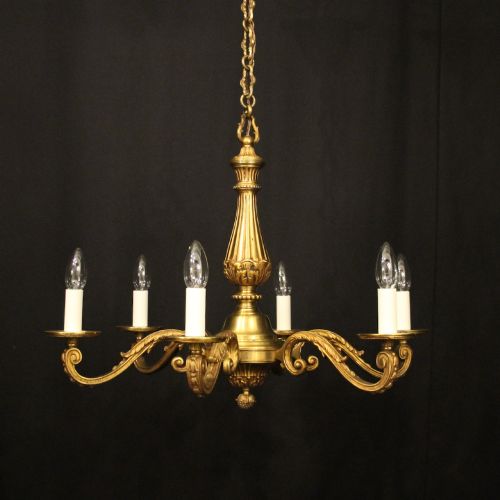
Construction relies heavily upon cast and chased metals including brass, bronze, spelter, and copper, often finished with gilt layers. Artisans shaped these metallic components to form the structural arms, rings, and frames of each fixture.
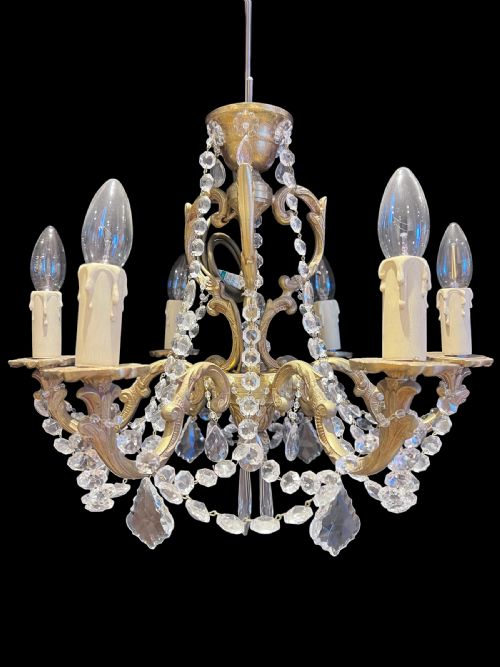
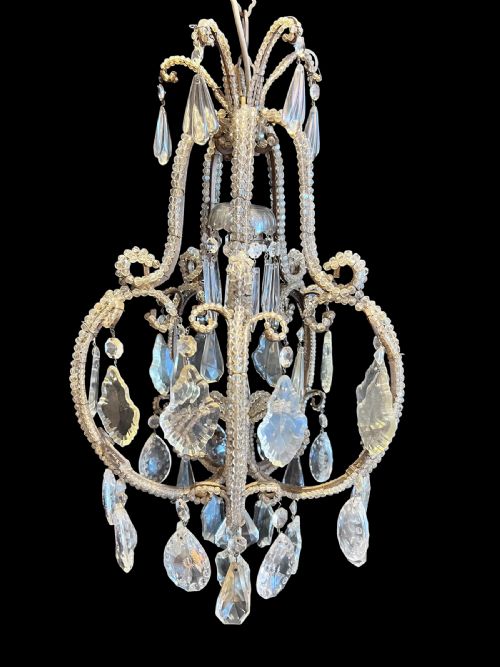
Glass and crystal elements are integrated through intricate cutting and bead-stringing techniques to form spikes, lustres, tents, and waterfalls. These transparent components catch and refract illumination from the internal light bulbs.
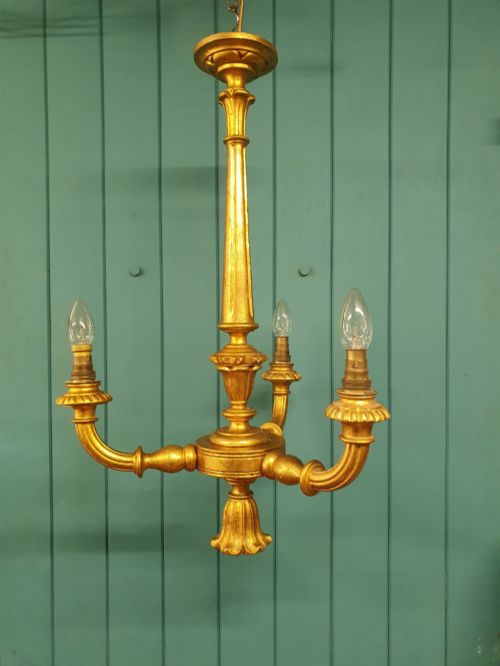
Certain variants introduce delicate botanical details through painted toleware or porcelain flowers, while others utilise carved giltwood to form the central body of the hanging light.
Listings feature twentieth-century pieces alongside nineteenth-century examples, constructed primarily from brass, bronze, glass, and crystal.
What varies in quality
The precision of metal casting and the depth of the subsequent gilding set baseline standards for these decorative fixtures. Finer examples display crisp botanical or figural chasing rather than softened contours from worn moulds.
The clarity, cut, and quantity of the crystal components dictate the brilliance and visual weight of the suspended elements. Richly faceted drops and dense bead-work elevate the physical presence of a piece far beyond simple stamped metal frames.
Émile-Jacques Ruhlmann
The French Chandelier Light Glossary
- Chandelier
- A branched ornamental light fixture suspended from the ceiling. These units hold multiple bulbs to illuminate large rooms.
- Crystal
- High-clarity glass shaped with precise facets to refract light. It forms the shimmering drops and beads seen on many traditional fixtures.
- Gilt bronze
- Metal cast in bronze and coated with a thin layer of gold or gold-coloured finish. This technique provides a durable, lustrous surface resistant to tarnishing.
- Tent and waterfall
- A specific framing style where strings of crystals form an upper canopy resembling a tent before cascading downward. This arrangement creates a dense curtain of sparkling glass.
- Pendant light
- A single light fixture suspended from the ceiling by a cord, chain, or metal rod. These units often feature decorative glass globes or shades.
French Chandelier Light: Frequently Asked Questions
How do I clean a crystal chandelier?
Maintenance involves gently wiping individual glass drops and metal arms with a soft cloth moistened with a mild cleaning solution. Technicians often clean intricate fixtures in place to avoid straining fragile antique wiring and delicate hanging components.
Regular dusting prevents grime accumulation that dulls the refraction of light through the crystal facets. Care must be taken around vintage electrical components during the cleaning process.
Where should I hang a hall lantern?
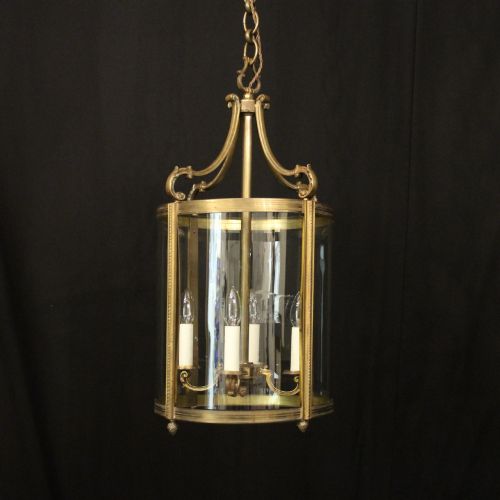
Hall lanterns suit transitional spaces such as entryways, corridors, and stairwells where vertical clearance allows downward illumination. Their enclosed or semi-enclosed metal frames protect the internal bulbs from drafts and accidental contact.
These fixtures serve as focal points in smaller architectural zones while maintaining a distinct historical character.
How do I identify an Empire style light?
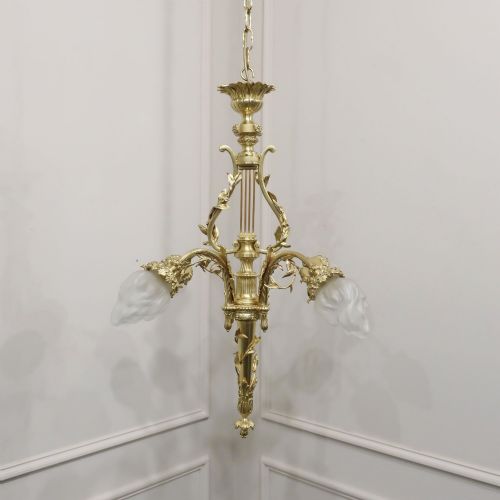
Empire pieces draw inspiration from classical antiquity, displaying formal symmetry, gilt bronze mounts, and restrained geometric proportions. Common motifs include laurel wreaths, urns, and militaristic trophies executed in cast metal.
Such fixtures communicate classical grandeur and pair well with traditional or neoclassical interior schemes.