



French Ceramic Cherubs
French ceramic cherubs bring playful mythological figures into domestic spaces through porcelain, faience, and earthenware crafted across the eighteenth, nineteenth, and twentieth centuries.
French Ceramic Cherubs
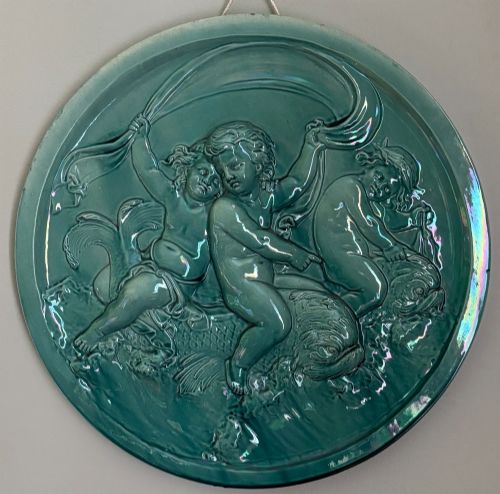
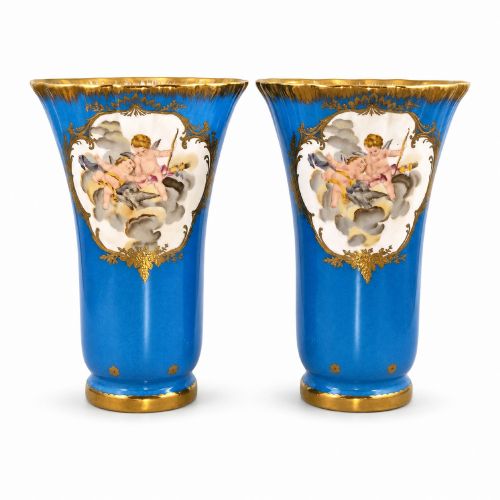
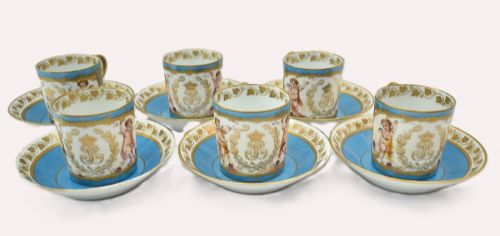
When buyers search for french ceramic cherubs, they encounter decorative items such as wall plaques, vases, cups and saucers, decorative urns, wall brackets, decorative ewers, and display plates. These pieces integrate winged putti into functional and ornamental objects spanning several distinct historical periods.
Origins include notable European workshops and factories producing items in specific aesthetic traditions like the Sèvres taste and Meissen style. Forms vary from table urns and mantel clocks to illuminated wall standing fountains and pin trays.
Evaluating quality and execution
Makers and factories with established lineages, such as Sèvres, Samson Paris, or Veuve Perrin, achieve higher levels of artistic ambition in their painted scenes and sculptural forms. The weight, casting quality, and gilding depth of the accompanying metal mounts further distinguish standard production from exceptional pieces.
French Ceramic Cherubs Retail Price Guide 2026
Typical asking prices for french ceramic cherubs among the pieces listed under this phrase on Sellingantiques today, from the lower quarter to the upper quarter. They describe what is for sale here now, not the wider market.
Periods represented span from eighteenth-century faience plates to mid-twentieth-century ceramic wall fountains.
Clement Messier·Samson Paris·Chateau des Tuileries·Meissen·Minton·Veuve Perrin·Sevres·Vallauris
The French Ceramic Cherubs Glossary
- Ormolu
- Gilded bronze used for mounts and decorative accents on furniture and ceramics. This technique involves applying a gold amalgam to a bronze base.
- Faience
- Tin-glazed earthenware produced across European pottery centres. It provides an opaque white surface suitable for detailed hand-painted decoration.
- Pate-sur-pate
- A ceramic decorating method where successive layers of liquid clay slip are applied to a body to build up a low-relief cameo effect. This requires significant skill from the artisan.
- Majolica
- A type of earthenware coated with an opaque tin glaze and painted with metallic oxide colours. It gained popularity during the Victorian period for vibrant decorative wares.
- Bleu Celeste
- A bright turquoise blue glaze colour famously developed at the Sèvres porcelain manufactory. It frequently appears on nineteenth-century French porcelain items.
French Ceramic Cherubs: Frequently Asked Questions
What periods do these pieces come from?
The items originate from various historical eras spanning the eighteenth, nineteenth, and twentieth centuries. Production dates include specific decades such as the seventeen-seventies, eighteen-sixties, and eighteen-nineties.
Design movements visible across these periods include Rococo Revival, Louis Philippe, and French Art Nouveau. Each era brought distinct decorative preferences to ceramic figure work.
How were these decorative items used?
Many objects served dual purposes as ornamental art and functional household accessories, such as vases, wall brackets, and pin trays. Items like wall plaques and display plates functioned purely as visual decoration for period interiors.
Larger forms such as decorative urns, ewers, and mantel clocks anchored room displays. Tableware sets, including cups and saucers, were utilised during formal dining occasions.
How do I care for ceramic and gilt bronze pieces?
Maintain porcelain and earthenware surfaces by dusting gently with a soft, dry cloth. Avoid harsh chemical cleaners that can damage painted enamel or glaze layers.
Preserve ormolu and gilt bronze mounts by keeping them away from excessive moisture. Gentle cleaning prevents abrasion of the delicate gold leaf and metal surfaces.
What is the Sèvres taste?
The Sèvres taste refers to decorative styles inspired by the output of the French royal porcelain manufactory. Pieces in this tradition often feature specific glaze colours, rich gilding, and finely painted pastoral or mythological scenes.
Later European makers frequently emulated these aesthetic standards to appeal to collectors seeking French court styles. This influence appears in numerous nineteenth-century vases and comports.