
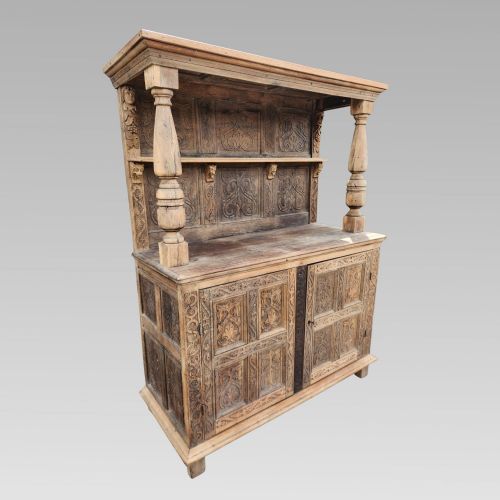
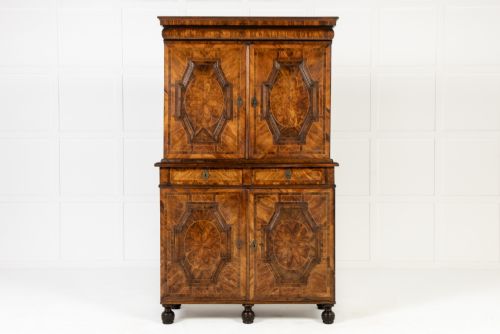


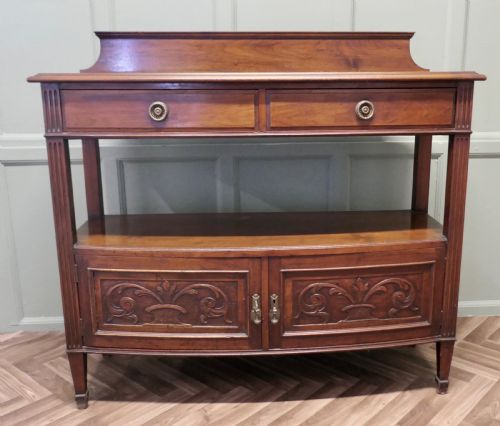
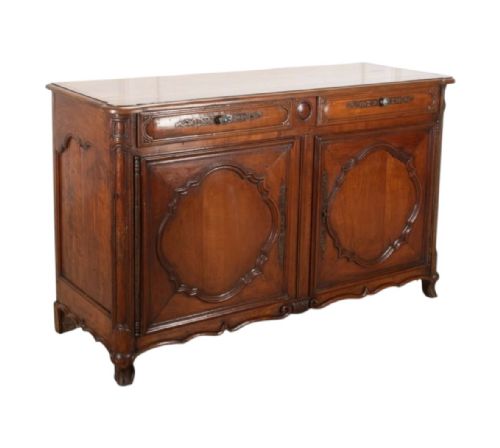

French Carved Wooden Buffet
A french carved wooden buffet grounds a dining room or kitchen with heavy timber and regional style.
French Carved Wooden Buffet
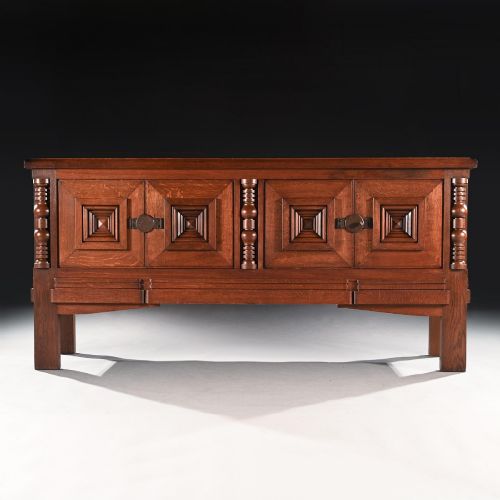
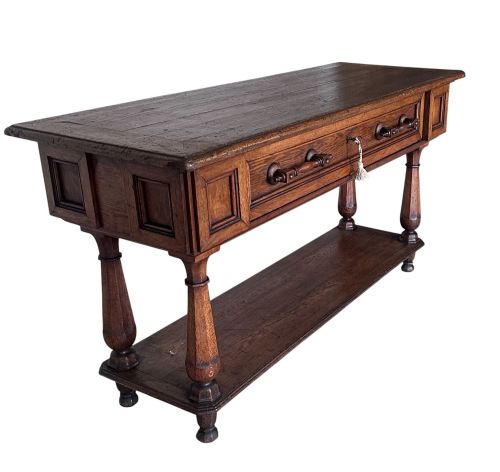
When you search for a french carved wooden buffet, you are looking at substantial storage furniture spanning several centuries, with the nineteenth century and eighteenth century providing the majority of examples on this page. These pieces serve as sideboards, serving tables, and cabinets, originating from various provincial and chateau settings across France.
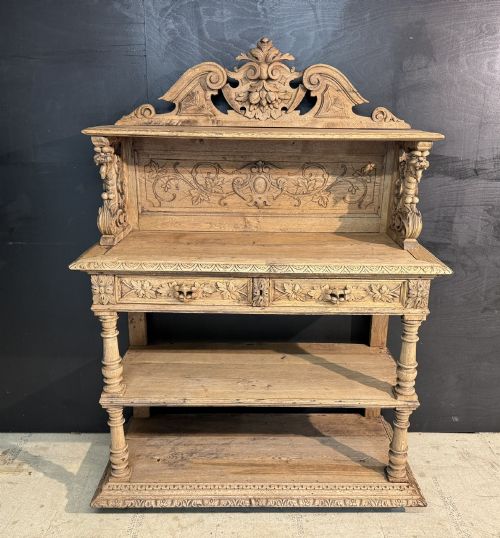
The forms range from low serving tables and two-door cupboards to tall dressers and vaisseliers. Regional variations emerge clearly, from simple folk art constructions to ornate Renaissance revival designs and provincial walnut or oak builds.
Materials and construction
The primary timbers recorded in these pieces are walnut, oak, cherrywood, fruitwood, and chestnut, supplemented occasionally by mahogany and giltwood. Workshops relied heavily on solid hardwoods for structural integrity and deep relief carving.
Hardware and secondary elements incorporate brass, iron, wrought iron, and glass panels. Joinery techniques and surface treatments range from traditional pegged framing to intricate inlay and painted finishes.
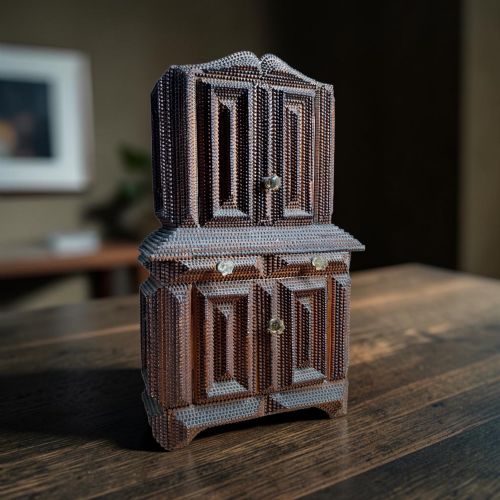
One piece arrives tagged as tramp art, proving that even simple scrap wood can transform into an elaborate folk cabinet.
Distinctions in quality
Quality rests upon the depth and crispness of the hand carving, the selection of timber grain, and the integrity of the original structure. Pieces featuring dense walnut or quarter-sawn oak with deeply undercut foliage, figures, or geometric panels demonstrate superior artisan skill.
Proportion and surface patina further differentiate standard regional pieces from important chateau commissions. Retaining original hardware, timber movement, and untouched surface finishes elevate the standing of a cabinet within its period.
The French Carved Wooden Buffet Glossary
- Buffet
- A low sideboard or cupboard used for storing and serving food. These pieces typically feature double doors and a flat top surface.
- Vaisselier
- A traditional French dresser combining a lower sideboard base with upper open shelving for displaying plates and crockery.
- Renaissance Revival
- A nineteenth-century architectural and decorative style drawing inspiration from sixteenth-century forms, characterised by heavy mouldings and sculptural motifs.
- Tramp Art
- A folk art style where small items of wood are chip-carved and layered in geometric patterns, often utilising salvaged timber.
- Chateau
- A large French country house or castle, lending its name to grander, highly decorative styles of furniture.
French Carved Wooden Buffet: Frequently Asked Questions
Where did they place a french carved wooden buffet?
These pieces traditionally stood in dining rooms, large kitchens, or grand halls for storing tableware and serving food during meals.
Today, they adapt well to modern dining spaces and large kitchens to provide substantial surface area and deep internal storage.
How do I date a french carved wooden buffet?
Dating relies on identifying the primary wood species, construction joinery, and the style of the hand carving relative to historical periods.
Earlier seventeenth and eighteenth-century examples display regional vernacular traits, while nineteenth-century pieces often revive Renaissance, Baroque, or Gothic aesthetics.
What is the difference between a buffet and a dresser?
A buffet generally consists of a low enclosed cupboard or sideboard with doors and drawers for concealed storage.
When designated as a dresser or vaisselier, the form incorporates an upper section featuring shelves for display.
How do I care for the wood surface?
Maintain the timber by dusting regularly with a dry cloth and avoiding placement near direct heat sources or strong sunlight.
Apply traditional wax sparingly to nourish older hardwoods and preserve the natural patina developed over centuries.