


French Carved Bedroom Furniture
French carved bedroom furniture brings together walnut, oak and mahogany across beds, commodes and suites spanning the eighteenth century to the twentieth.
French Carved Bedroom Furniture
Buyers seeking french carved bedroom furniture encounter a diverse selection of beds, chests of drawers, armoires, and complete bedroom suites. These pieces originate from various periods including the eighteenth century, nineteenth century, and early twentieth century.
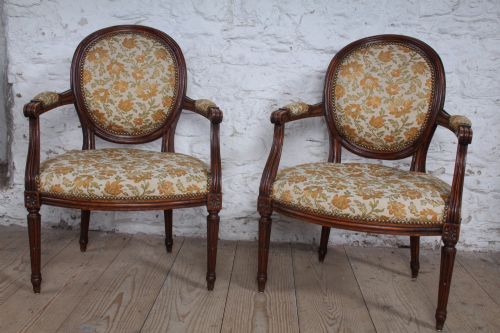
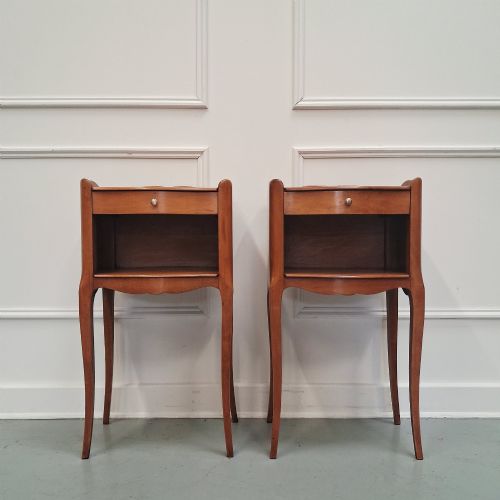
The most common forms on this page include walnut commodes, carved wooden beds, and matching bedside tables. Pieces often reflect specific regional or stylistic influences such as French Provincial, Louis XV, Louis XVI, and Art Nouveau.
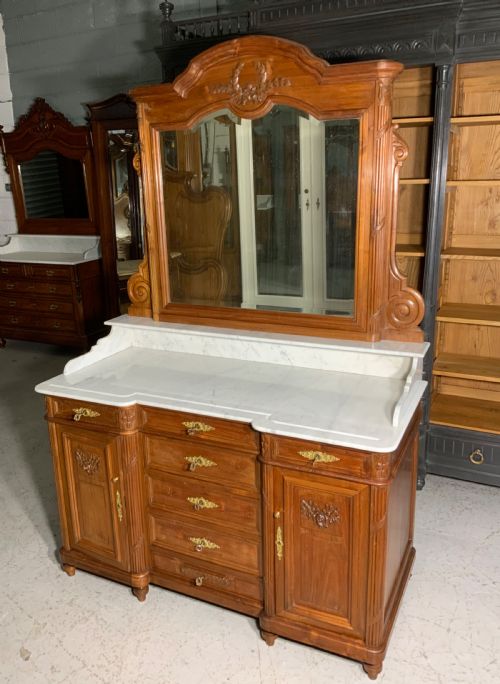
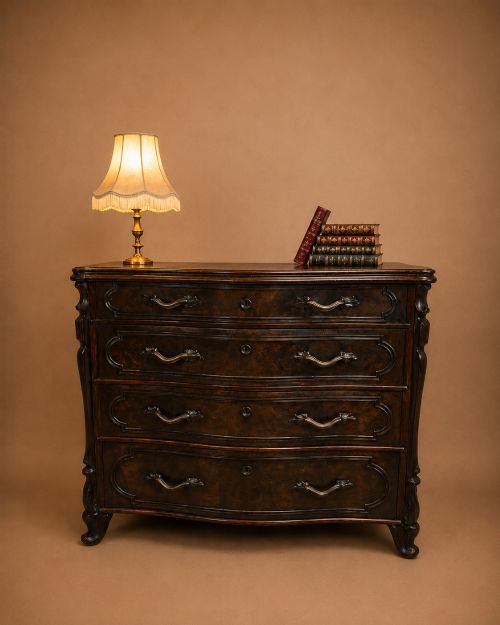
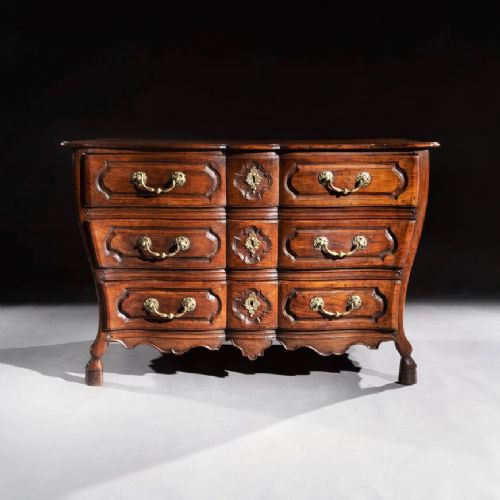
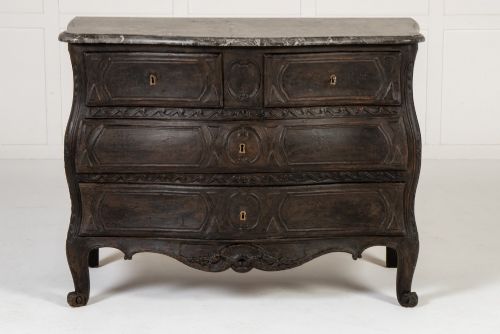
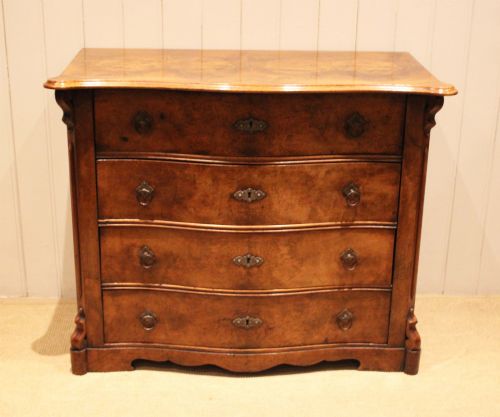
Commodes and chests of drawers frequently feature serpentine fronts or bombe shapes, sometimes paired with marble tops. Bedsteads range from single sizes to king sizes, occasionally accompanied by ensuite cabinetry and dressing tables.
Materials and Construction Methods
Cabinetmakers utilised dense hardwoods such as walnut, oak, mahogany, and burr walnut for structural integrity and rich grain patterns. Secondary woods and softer timbers also appear, particularly in provincial items and painted finishes.
Decorative surfaces rely on techniques like marquetry, ebonisation, and intricate hand carving applied directly to the timber. Marble tops, brass hardware, and glass elements provide contrasting textures and functional durability on commodes and bedside tables.
Factors That Distinguish Quality
The refinement of the hand carving and the selection of timber veneers dictate the visual weight of a piece. Well-matched burr walnut or detailed marquetry indicate deliberate craftsmanship by the maker.
Structural cohesion between the carved elements and the main body shows a high standard of assembly. Original marble tops, matching bedside suites, and intact brass mountings elevate the integrity of surviving beds and commodes.
Louis Majorelle
The French Carved Bedroom Furniture Glossary
- Commode
- A low chest of drawers or cabinet, typically featuring two or more drawers. These pieces often serve as bedside or hallway storage in historical interiors.
- Bombe
- A bulging or swelling contour found on the sides and front of commodes and chests. This curved shape requires advanced woodworking skill to execute properly.
- Serpentine
- A furniture front or edge shaped with a central convex curve flanked by concave curves. The profile adds gentle movement to solid wood and veneered surfaces.
- Marquetry
- Decorative patterns formed by fitting together thin slices of wood veneer and other materials onto a structural surface. Craftsmen use varied grain directions to create pictorial designs.
- Palisander
- A dense, dark timber with distinct grain patterns often utilised in fine cabinetmaking and decorative chests of drawers. It accepts a high polish.
French Carved Bedroom Furniture: Frequently Asked Questions
What periods do these pieces date from?
The items span from the mid-eighteenth century through the nineteenth century and into the early twentieth century. Styles range from provincial eighteenth-century commodes to Art Nouveau suites.
Most surviving examples cluster around the nineteenth century and the Edwardian era. These include pieces influenced by Louis XV and Louis XVI revivals.
Are beds standard modern sizes?
Historical bed frames often differ from contemporary standard dimensions. Many listings specify king size or single size, but measuring the internal dimensions is essential for modern mattresses.
Matching bedside cabinets and armoires frequently accompany these larger bedframes in complete bedroom suites.
How do I identify a commode?
A commode functions primarily as a decorative chest of drawers or low cabinet. Eighteenth and nineteenth-century versions often feature serpentine fronts, marble tops, and detailed carved walnut or oak.
Provincial examples showcase simpler painted wood or chestnut construction without losing their characteristic low profile.
What woods were commonly used?
Cabinetmakers relied heavily on walnut, burr walnut, oak, and mahogany for durability and rich figuring. Painted wood, bleached oak, and exotic veneers like palisander also appear across various styles.
Marble and brass frequently complement these timbers on tabletops and hardware.